

You can enhance any space, from a compact balcony to a sprawling garden, with the vibrant charm of flower pairings in pots. Cultivating different flowers in a single pot results in striking visual displays and allows one to appreciate a diverse array of blossoms throughout the season. The trick to successfully pairing flowers is recognizing the individual needs of each plant and how their colors, textures, and growth patterns complement one another. This article will delve into some ideal flower combinations that prosper in pots, providing both aesthetic appeal and practical advantages.
Benefits of Growing Flower Pairings in Pots
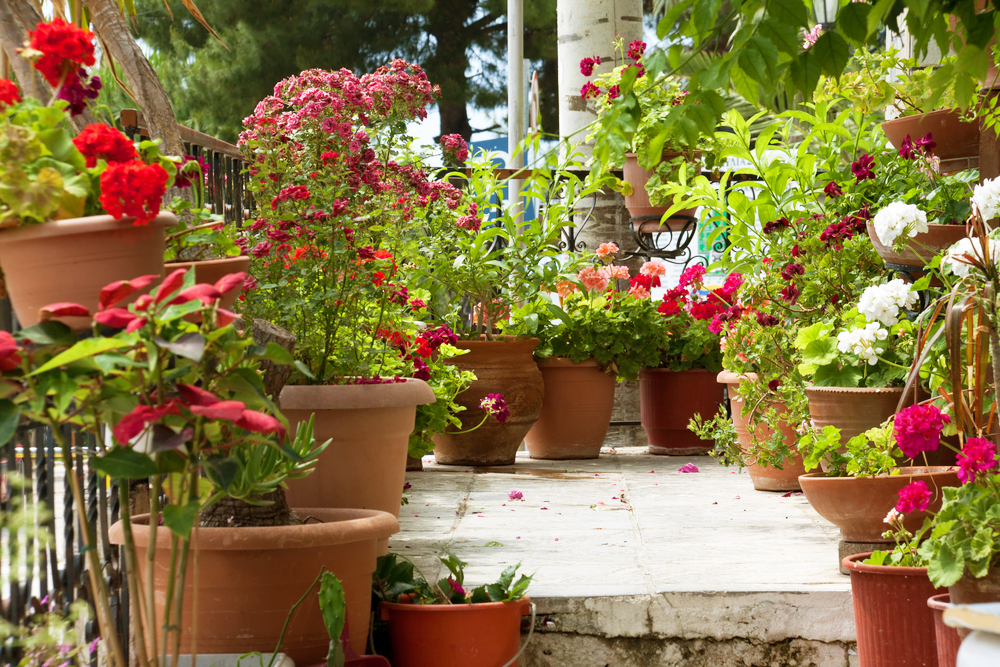
Cultivating flower pairings in pots provides several advantages. To begin with, it grants increased control over the conditions in which your plants grow, including the soil’s composition, the quality of drainage, and the amount of sunlight exposure. This proves particularly advantageous for those who garden in urban locations with limited available space. Furthermore, pots facilitate movement to optimize the amount of light that the plants receive or to protect them in adverse weather. Flower pairings can also boost biodiversity, draw pollinators such as bees and butterflies, and even serve as pest deterrents when specific combinations are planted. Beyond this, mixed flower pots have an aesthetic charm that can enhance any indoor or outdoor environment, delivering a lively and continually evolving display of colors and forms.
Choosing the Right Pot for Your Flower Pairings
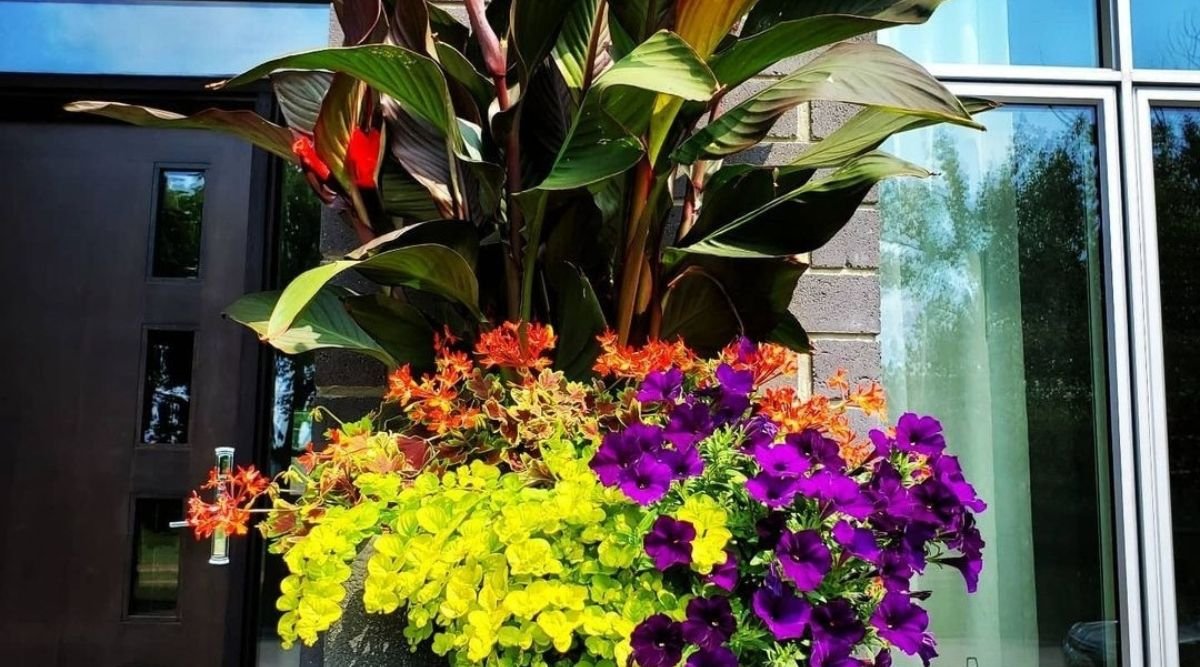
Selecting the correct pot is essential for your flower pairings’ prosperity. Take into account the size of the pot relative to the eventual mature size of your plants. Too small of a pot may restrict growth and prompt overcrowding. Ensure that the pot has enough drainage holes to prevent water from accumulating, which may lead to root decay. The material of the pot, be it terracotta, plastic, or ceramic, can similarly impact soil moisture retention and temperature. Furthermore, contemplate the pot’s aesthetic appeal itself, because it should complement the beauty of the flowers it supports.
Sunflowers and Petunias: A Vibrant Duo
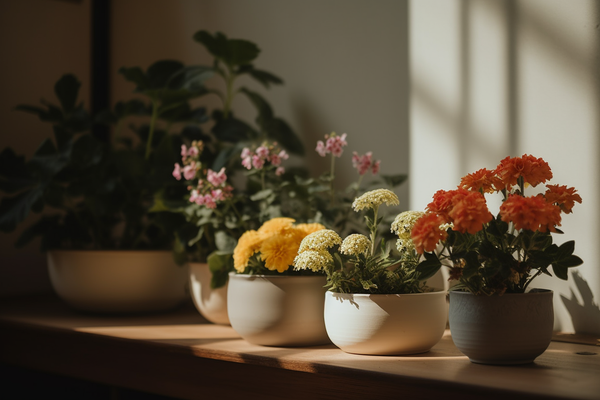
The pairing of sunflowers and petunias is striking, due to their vibrant shades and contrasting forms. Sunflowers, defined by their tall, sturdy stalks and large, yellow blossoms, create a dramatic background for petunias, whose trumpet-shaped flowers cascade downwards. They both flourish under direct sunshine with well-draining soil, therefore they are ideal companions for pot cultivation. This arrangement yields a vivid display while simultaneously attracting pollinators, boosting your garden’s ecological worth.
Marigolds and Nasturtiums: A Pest-Repelling Pair
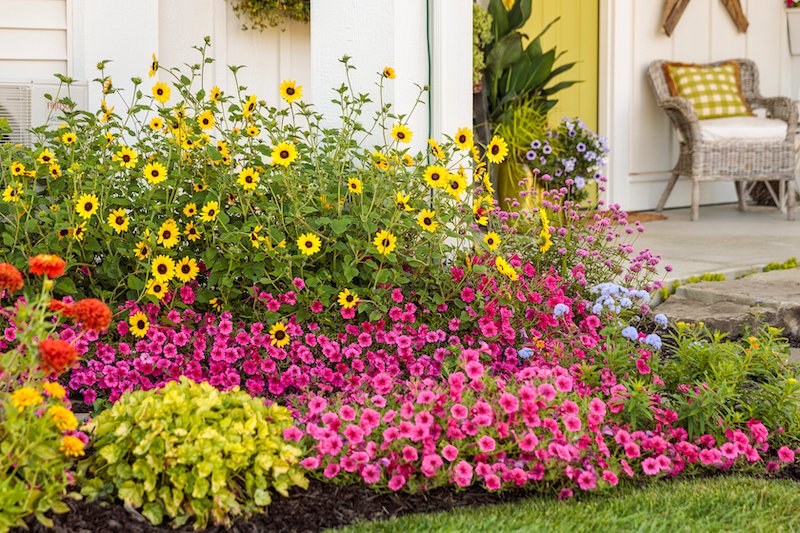
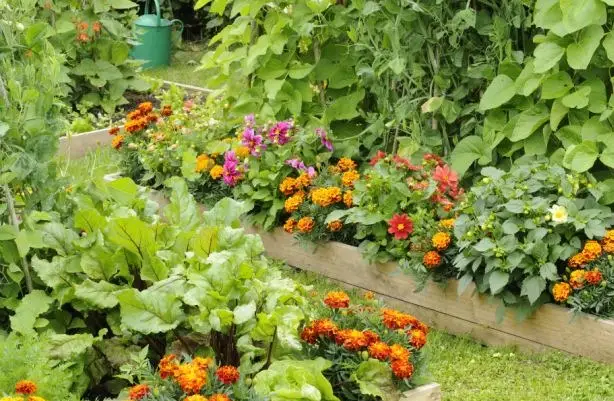
Marigolds alongside nasturtiums aren’t just visually pleasing. They also serve a practical purpose by keeping pests away. Marigolds are well-known for their ability to deter nematodes and other harmful bugs, whereas nasturtiums can lure aphids away from more susceptible plants. They work together to create a vibrant, protective barrier in your yard. Both flourish in full sun and can tolerate less-than-ideal soil conditions, rendering them easy to care for in a pot.
Geraniums and Lobelia: A Colorful Contrast
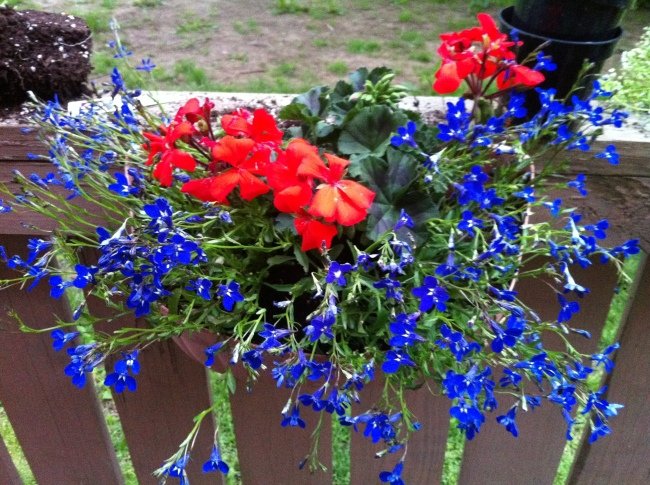
The combination of geraniums and lobelia results in a stunning contrast, because of their vibrant, delicate blooms. Geraniums provide vivid, rounded flowers colored red, pink, and white, whereas lobelia features a soft, trailing impact via its small, blue or white blossoms. With well-draining soil and exposure to partial or full sunlight, this duo flourishes, rendering it ideal for pots in sunny locations. The combination of trailing and upright growth patterns introduces depth and intrigue to any container garden.
Lavender and Sweet Alyssum: A Fragrant Combination
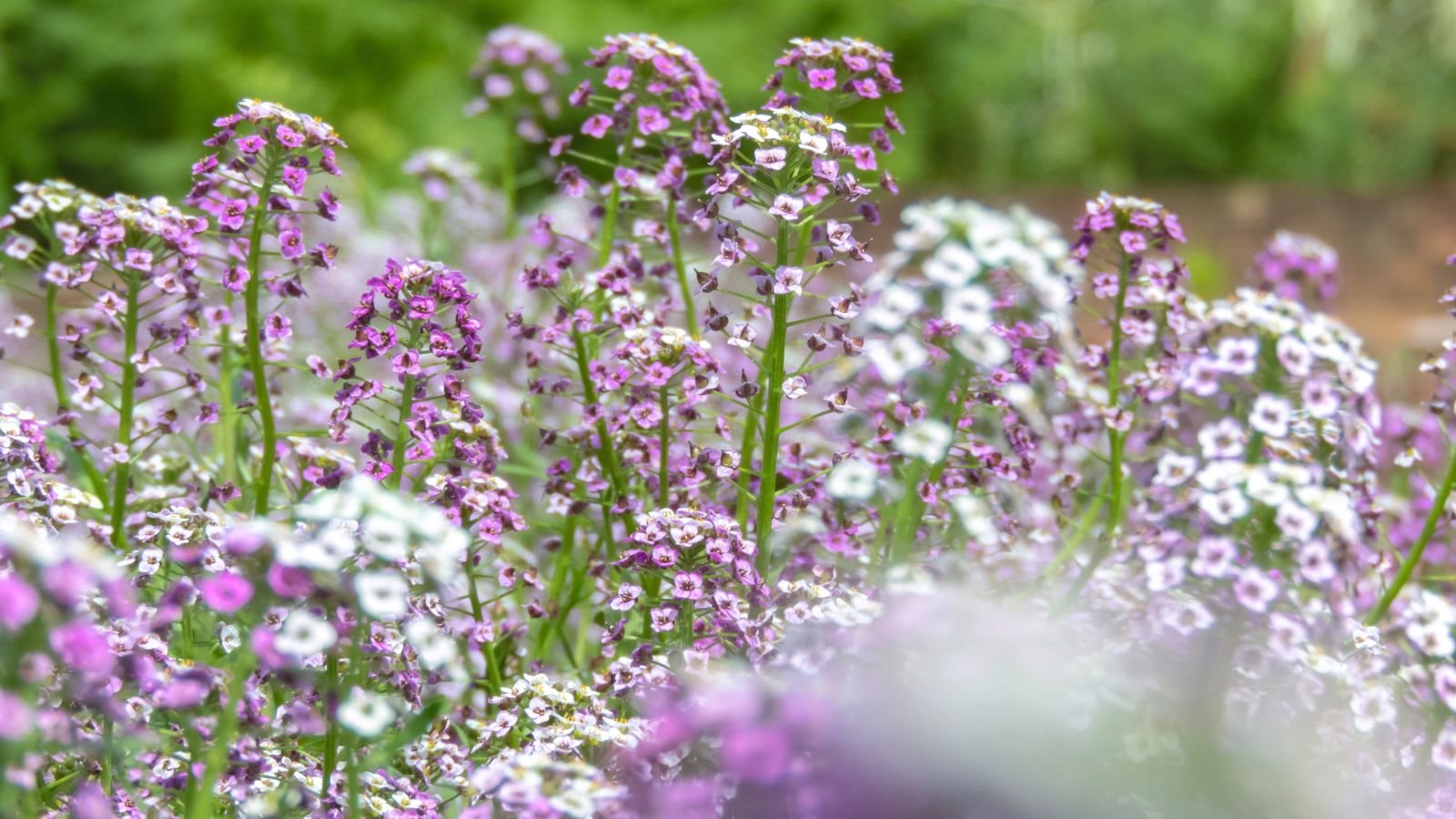
Lavender and sweet alyssum make a perfect match for anyone who enjoys fragrant gardens. Lavender’s aromatic, tall spikes enhance the low-growing, sweetly scented clusters of alyssum. As pot plants, they are best suited for well-drained soil and a full sun position. This flower duo fills the air with a delightful fragrance and also attracts bees and other beneficial insects.
Roses and Baby’s Breath: A Classic Romance
Roses coupled with baby’s breath represent a timeless arrangement typically featured in bouquets, but they are equally stunning when grown in pots. Baby’s breath’s delicate, airy clusters beautifully offset roses’ lush, full blooms. For this combination to thrive, well-draining soil is necessary as well as a bright, sunny spot. Regular deadheading and pruning will ensure constant blooms, creating a sophisticated and romantic spectacle.

Begonias and Fuchsias: A Shady Delight
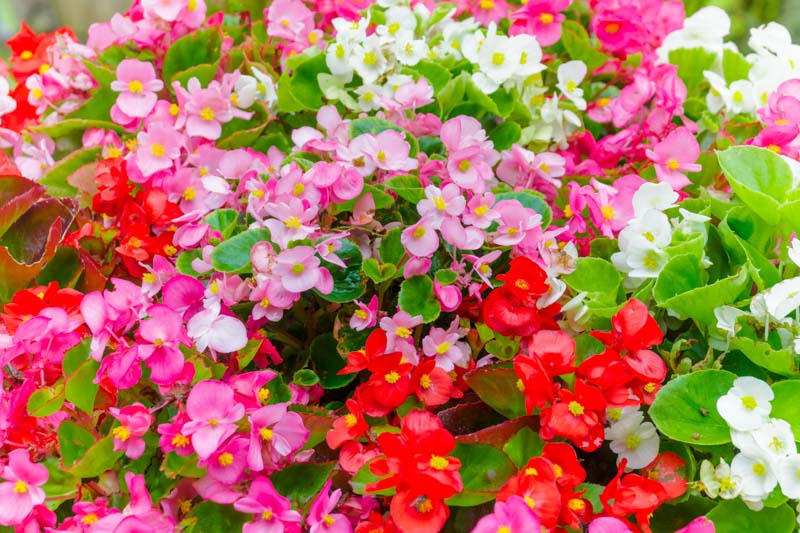
Begonias combined with fuchsias prove ideal for shady locations, breathing life into spots where plants requiring sunlight may struggle. Begonias come in a range of varieties as to both forms and colors, and fuchsias bear fragile, dangling blossoms. Partial to full shade combined with consistently moist and well-drained soil creates favorable growing conditions for each plant. Using these pairings together is just what you need to give interest to patios or balconies that are heavily shaded.
Daisies and Pansies: A Cheerful Mix
Daisies and pansies, with their cheerful, bright faces, create an inviting display. Daisies have the classic appearance of white petals and yellow centers, while Pansies appear in a variety of patterns and hues. Best suited for well-draining soil coupled with cooler temperatures, these plants are perfect for pots planted during fall or spring. Seeing them is guaranteed to make anyone smile.
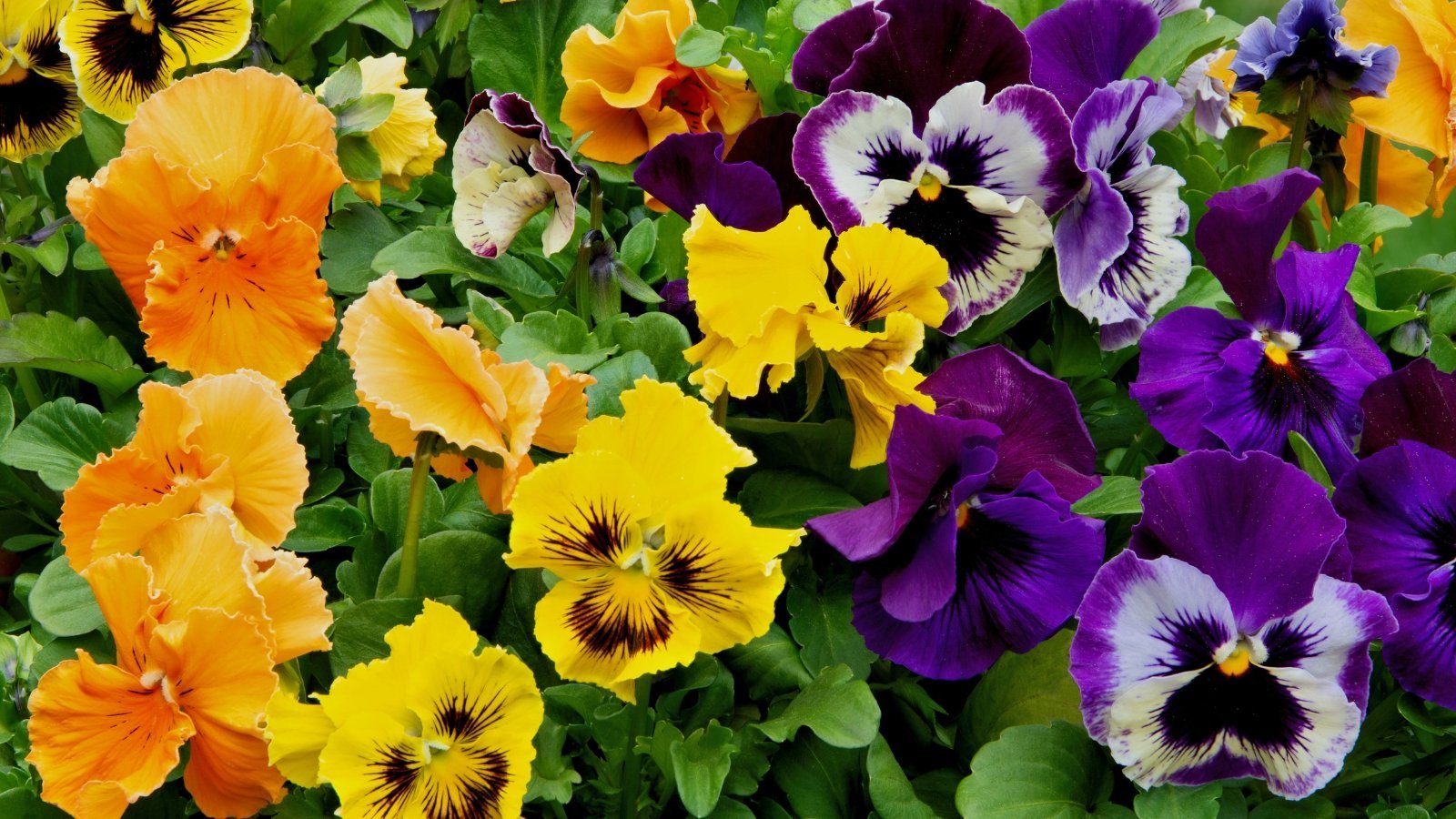
Zinnias and Cosmos: A Summer Spectacle
For gardens in the summertime, zinnias and cosmos make a superb and dynamic duo by offering a riot of color and texture. Zinnias are famous for their vibrant shades of striking, daisy-like flowering heads, and cosmos have a more delicate, airy essence with their feathery foliage and pastel blooms. Both thrive in the sun and need soil that drains well, making them perfect for pots. These pairings can add a vibrant feel to any outdoor space and also attract butterflies.
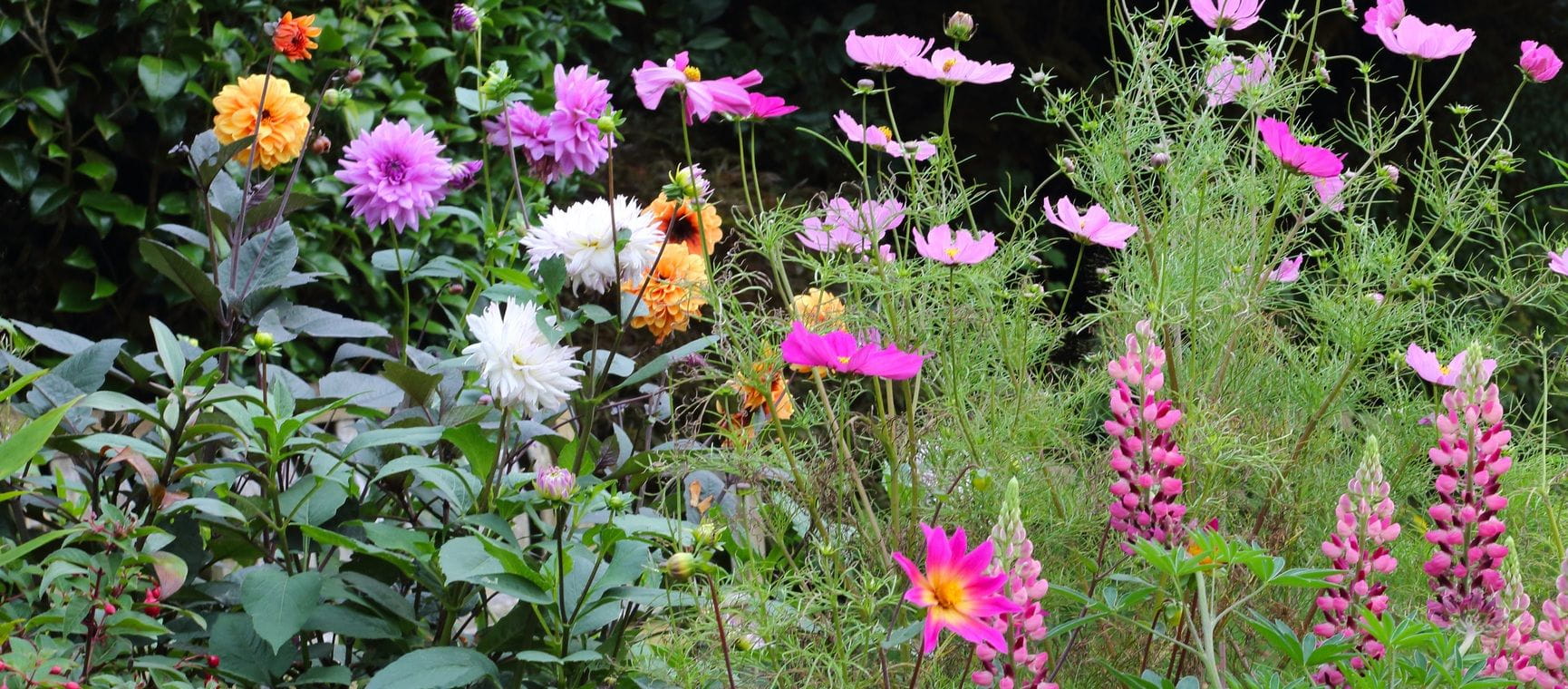
Tulips and Muscari: A Springtime Symphony
Tulips and muscari create a harmonious springtime show through their forms and colors that complement one another. Tulips have striking upright flowering heads in a variety of colors, while muscari, or grape hyacinths, create a carpet of blue around the ground. For both types of bulbs to flourish, they must be planted in a sunny spot with soil that drains well. This pairing is suitable for early-spring pots, to create a burst of color following the winter.
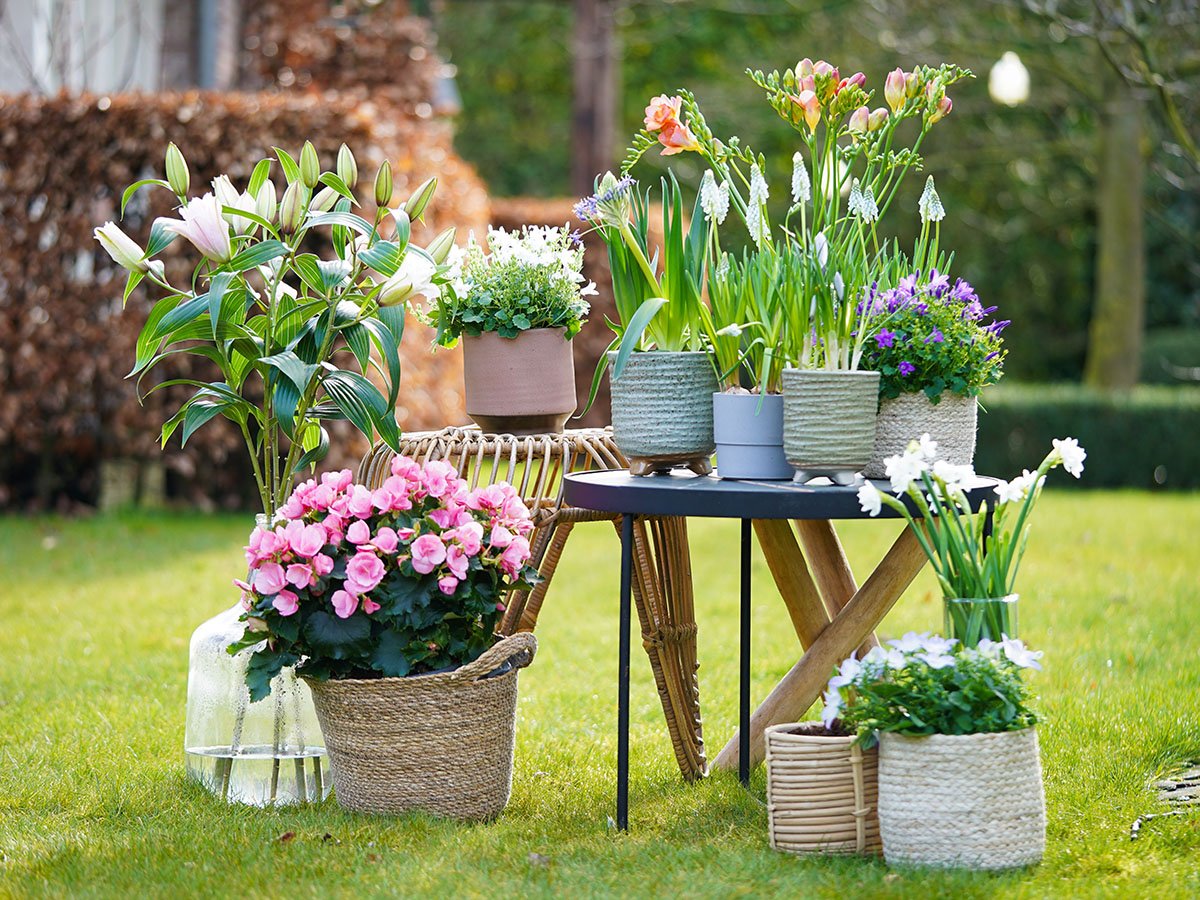
Snapdragons and Verbena: A Textured Tapestry
Providing vertical interest and a trailing effect, snapdragons and verbena create a textured, unique display. Snapdragons add different heights to pots, and they come in a wide range of colors, while verbena’s clustering flowers can produce a lush, cascading effect. Both thrive in full sun with well-draining soil and are perfectly suited for pots in the summer season. These pairings are nearly guaranteed to add visual interest to the garden as well as attract pollinators.
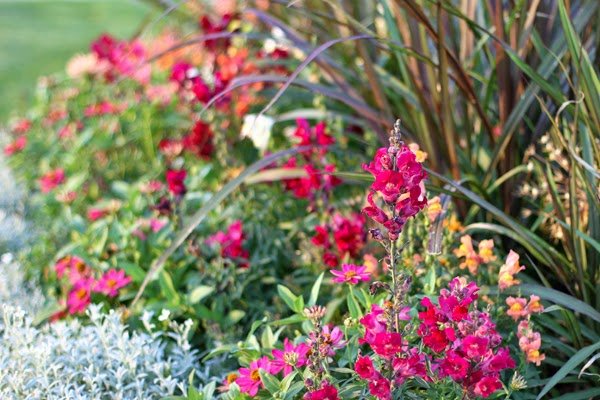
Calibrachoa and Bacopa: A Cascading Cascade
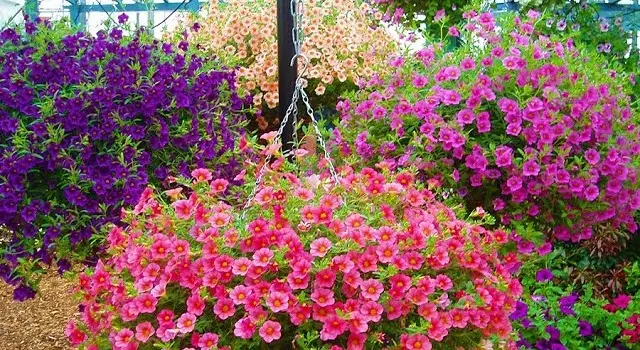
Calibrachoa and bacopa make an ideal pairing, given their trailing growth habits, and will produce a cascading effect on pots. Often going by the name “million bells”, calibrachoa bears many flowers that resemble small petunias, whereas bacopa bears delicate, white or lavender flowering heads. Suited for well-draining soil and partial to full sun, bacopa and calibrachoa are ideal. This pairing fits hanging baskets or elevated pots perfectly and produces an enchanting touch of color and texture.
Impatiens and Coleus: A Shade-Loving Harmony
Impatiens and coleus are perfect for shady areas, by providing interesting foliage and bursts of color. As coleus offers striking variegated leaves, impatiens offer vibrant colored blooms. These plants thrive in partial to full shade and well-draining soil. This pairing can bring texture and colour to patios and corners of the garden that are always shaded.
Tips for Maintaining Healthy Flower Pairings
To keep flower pairings healthy and flourishing, ensure that the specific requirements of each plant are being fulfilled. As pots are prone to drying out rapidly, monitor moisture levels and water copiously. Apply a fertilizer that has a slow release alongside being balanced in order to provide nutrients needed for the season of expanding growth. Deadhead wilted blossoms to encourage continuous flowers, and prune for managing shape or to avoid overcrowding where necessary. Watch out for plant diseases or pests. Quickly remedy issues to enable plants to continuously flourish.
Conclusion: Creating Beautiful and Thriving Flower Pairings
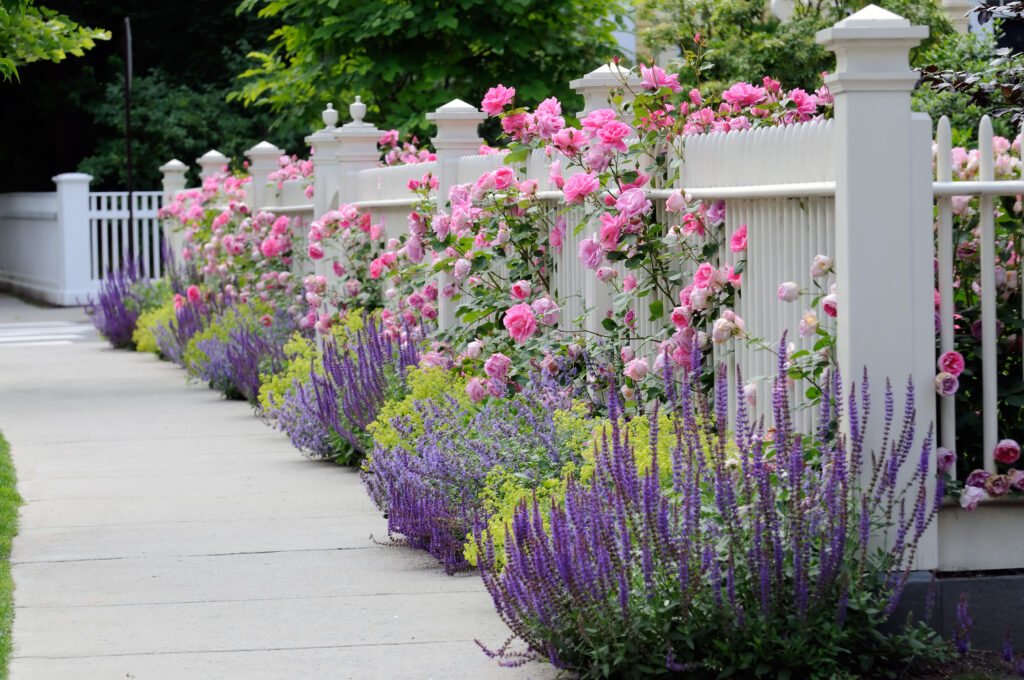
Crafting exquisite and thriving flower pairings in pots is a fulfilling venture that brings beauty, texture, and perfume to any location. To enjoy a constantly shifting flower display that flourishes all season, it’s essential to choose flowers that go well together and nurture them properly. You can use flower pairings no matter if you are a beginning gardener or a seasoned one, and it is a fantastic method for exhibiting your imagination and bringing aspects of nature to the home.


