

You can turn your outdoor space into a verdant haven by using plant cuttings, all it takes is some understanding and perseverance. Not only does this method conserve funds, but it also facilitates the propagation of plants ideally suited for your specific environment. By identifying the plants most amenable to cutting propagation, one can develop a rich and varied garden without financial strain.
Understanding Plant Propagation Through Cuttings
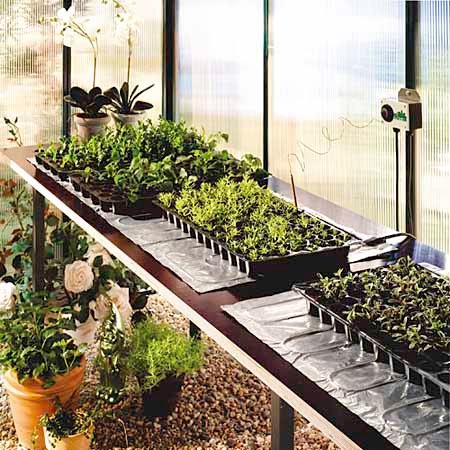
Plant propagation via cuttings involves taking a segment from a parent plant, stimulating it to develop into a distinct new plant. This is an especially potent technique for several perennials and some annuals. You can produce clones of the original plant by choosing healthy stems, leaves, or roots, which guarantees that the new plants will maintain the qualities of the parent. This technique is both a science and an art, and it needs close attention and an understanding of each plant’s unique requirements.
Benefits of Starting Plants from Cuttings
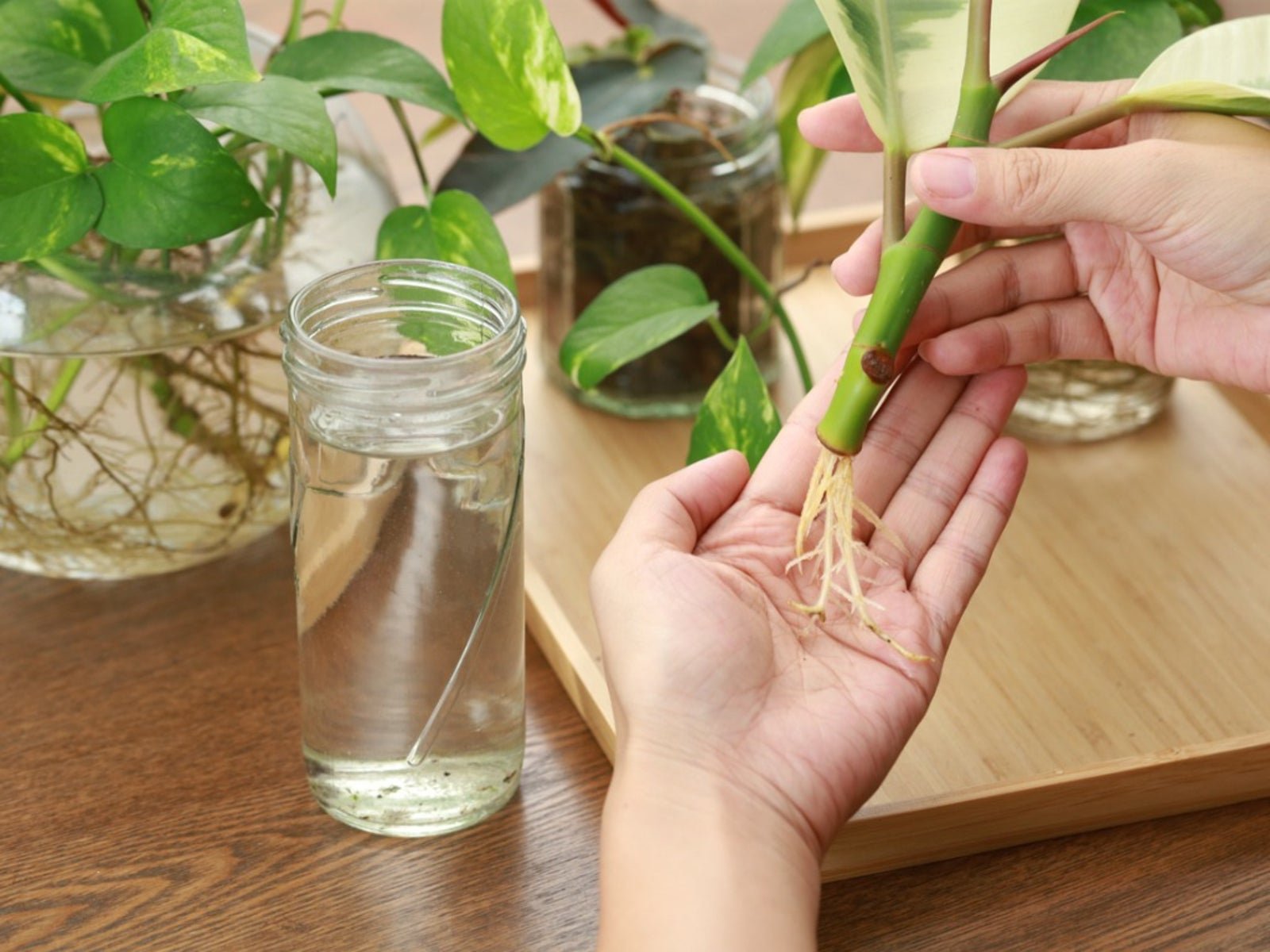
There are several advantages to propagating plants from cuttings. Gardeners can grow their plant collections without having to acquire new plants, making it affordable. It also assures genetic consistency because the offspring are clones of their parent. Moreover, using cuttings to propagate plants can be quicker than growing plants from seeds because the cuttings are already established and ready to develop roots faster. Gardeners can also share plants with loved ones, which promotes community.
Essential Tools and Materials for Propagation
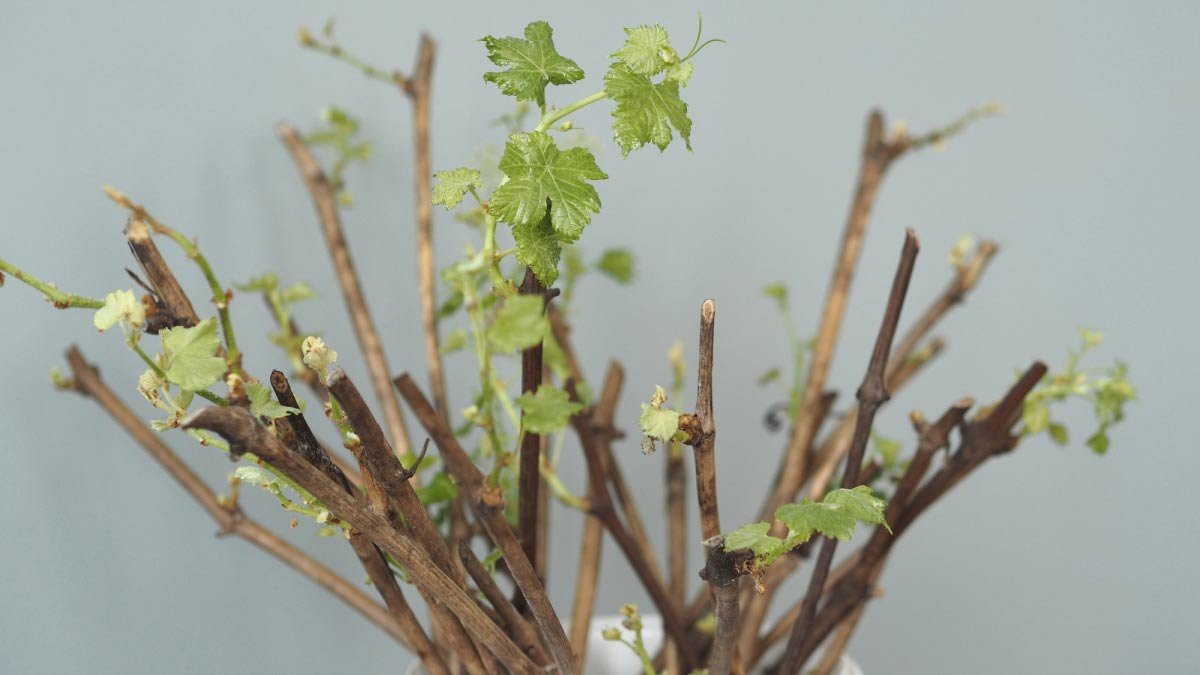
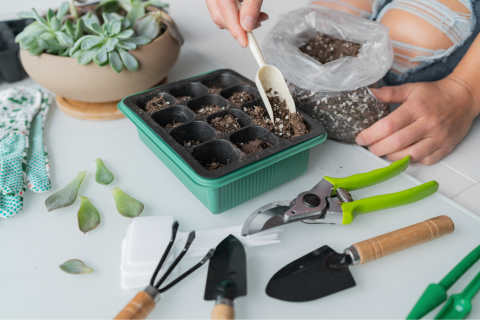
You will require a few essential materials and equipment to successfully propagate plants from cuttings. These include a sharp, sterilized pair of pruning shears or scissors, rooting hormone (to promote root growth), tiny pots or containers with drainage, and a potting mix that drains well. Humidity can be maintained with a clear plastic bag or propagator, and the many plant types can be tracked with labels. You’ll be well-positioned for success if you have these resources on hand.
Preparing Your Backyard for New Plants
It’s important to get your yard ready before adding any new plants. Check the soil quality, drainage, and sunlight to see whether they are suitable for the plants you want to grow. Clear the area of weeds and trash, and think about using compost or other organic materials to fertilize the soil. You can make the most of the space and create an appealing arrangement by planning the layout of your garden.

Top 20 Plants to Start from Simple Cuttings
Because many plants can be effectively multiplied from cuttings, your garden has a wide array of options. Here are the top 20 plants that are simple to start from cuttings, each offering unique qualities and advantages.
Rose: How to Propagate and Why It Thrives
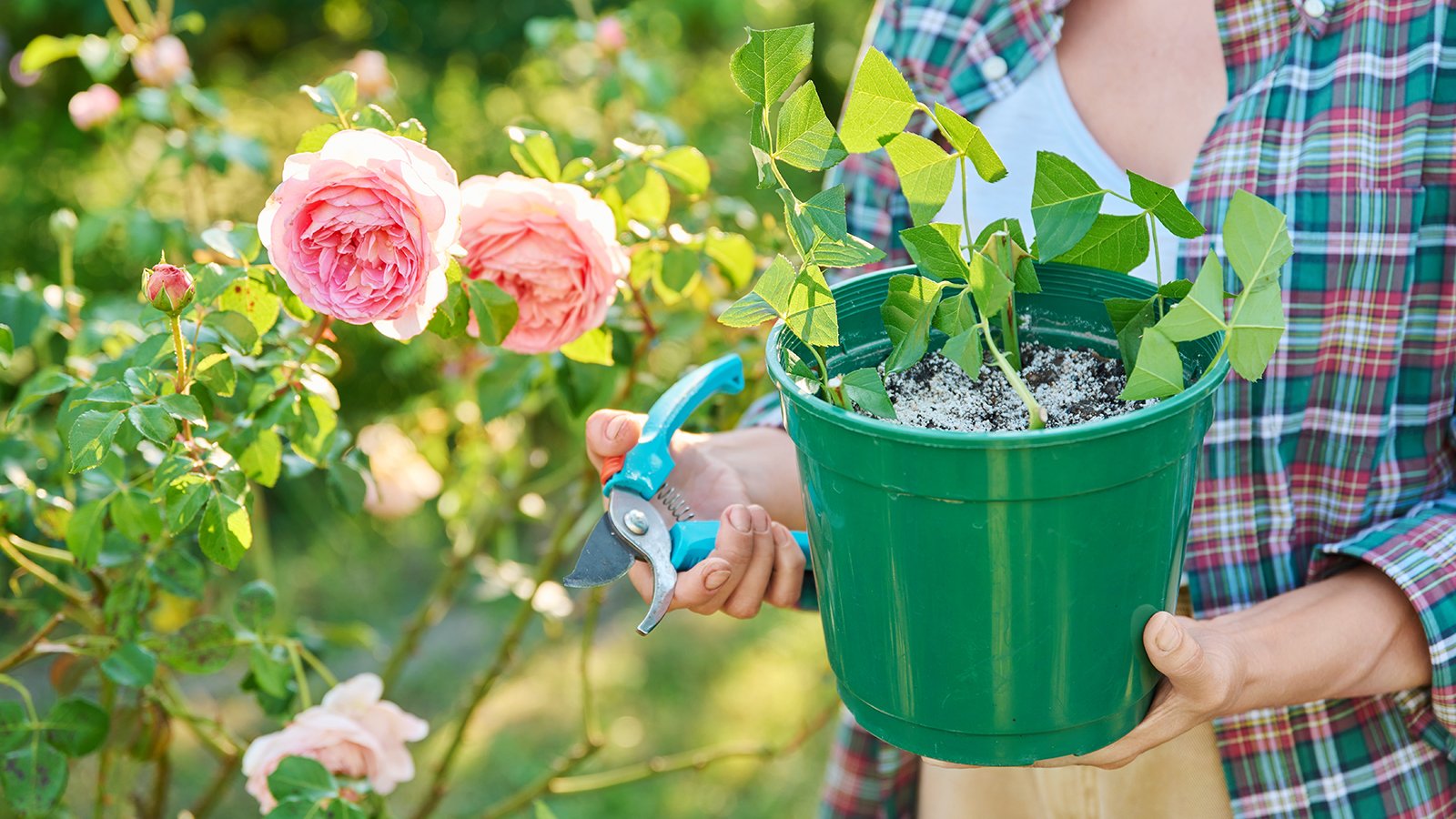
Roses are a common choice for any garden because of their allure and aroma. To propagate a rose, take a cutting from a strong stem just below a node. After removing the lower leaves, soak the cut end in rooting hormone. Place the cutting in well-draining soil in a pot, and cover it with a plastic bag to keep it humid. Roses flourish in sunny locales with well-drained soil, rendering them a fulfilling enhancement to any garden.
Lavender: Steps for Successful Growth
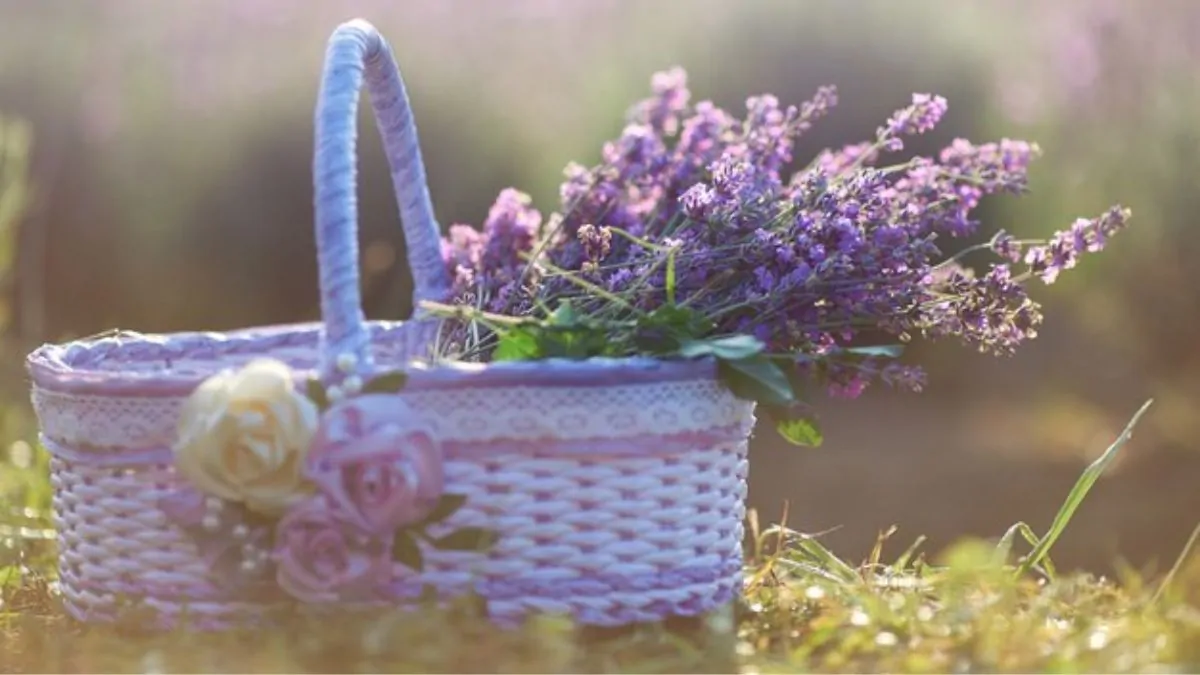
It’s easy to grow lavender, a fragrant herb, from cuttings. Take a 4- to 6-inch cutting from a stem that isn’t blooming, and take off the lower leaves. Place the cut end in rooting hormone before planting it in a sandy potting mix. Rock gardens and borders benefit from lavender because it thrives in direct sunlight and soil that drains well. Lavender is a versatile plant that can enhance any garden with its fragrant leaves and lovely blooms.
Mint: Easy Propagation Tips
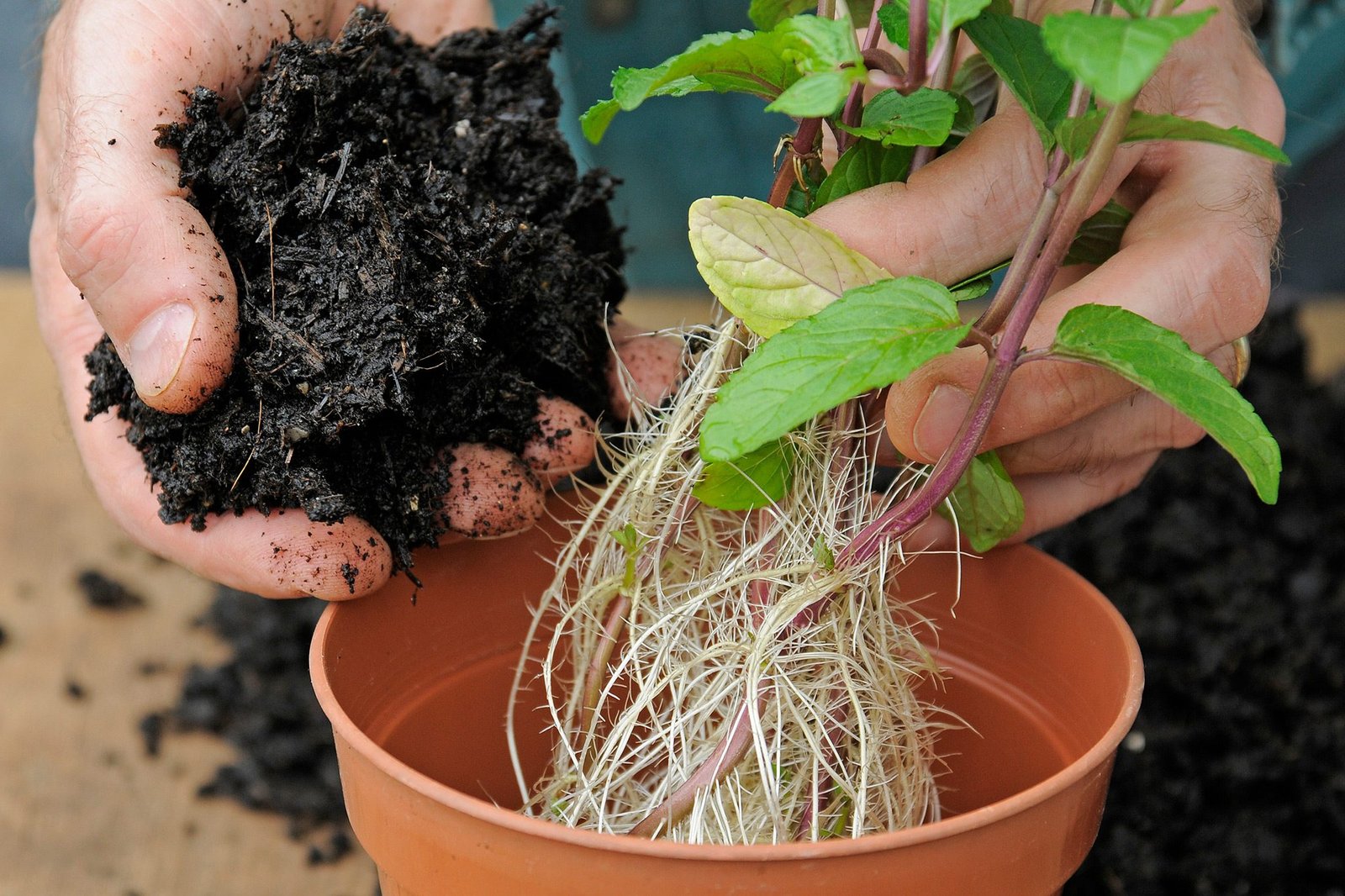
It’s simple to propagate mint, a fast-growing herb, from cuttings. Cut a piece from a healthy stem and place it in a glass of water. After a few days, change the water until roots appear, at which point you can plant the cutting in a pot or directly in the ground. Container gardens and ground cover benefit from mint because it tolerates moist soil and partial shade.
Basil: Cultivating from Cuttings
Propagation from cuttings is possible with basil, a well-known culinary herb. Take a 4-inch cutting from a robust basil plant and remove the lower leaves. Put the cutting in water to encourage root growth, then move it to a pot with soil that drains well. Regular watering is essential for basil to thrive in warm, sunny locations. By growing basil from cuttings, you can be sure to have a consistent supply of leaves for your kitchen.
:max_bytes(150000):strip_icc()/how-to-grow-basil-plants-1402624-06-2a552a61e7c0498a9e0513597fbc4b1c.jpg "Grow a lush backyard for free. Here’s the top 20 plants you can start from simple cuttings")
Geranium: Techniques for Vibrant Blooms
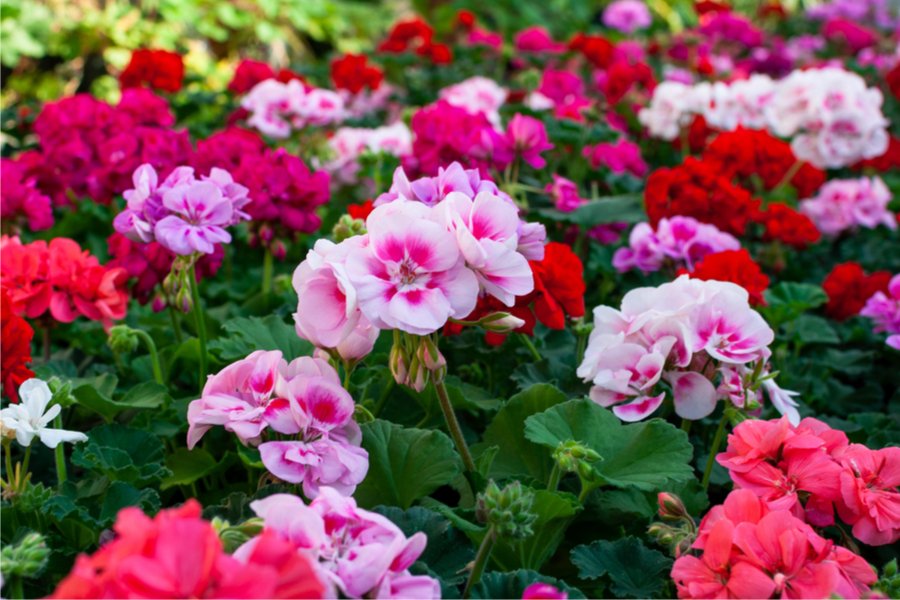
Geraniums are prized for their vivid blooms and can easily be propagated by cuttings. Take a piece off of a healthy stem, remove the lower leaves, and soak the cut end in rooting hormone. Place the cutting in a pot with a potting mix that drains well, and water it lightly. Geraniums thrive in sunny areas with well-drained soil, making them ideal for containers and garden beds.
Hydrangea: Ensuring Healthy Development
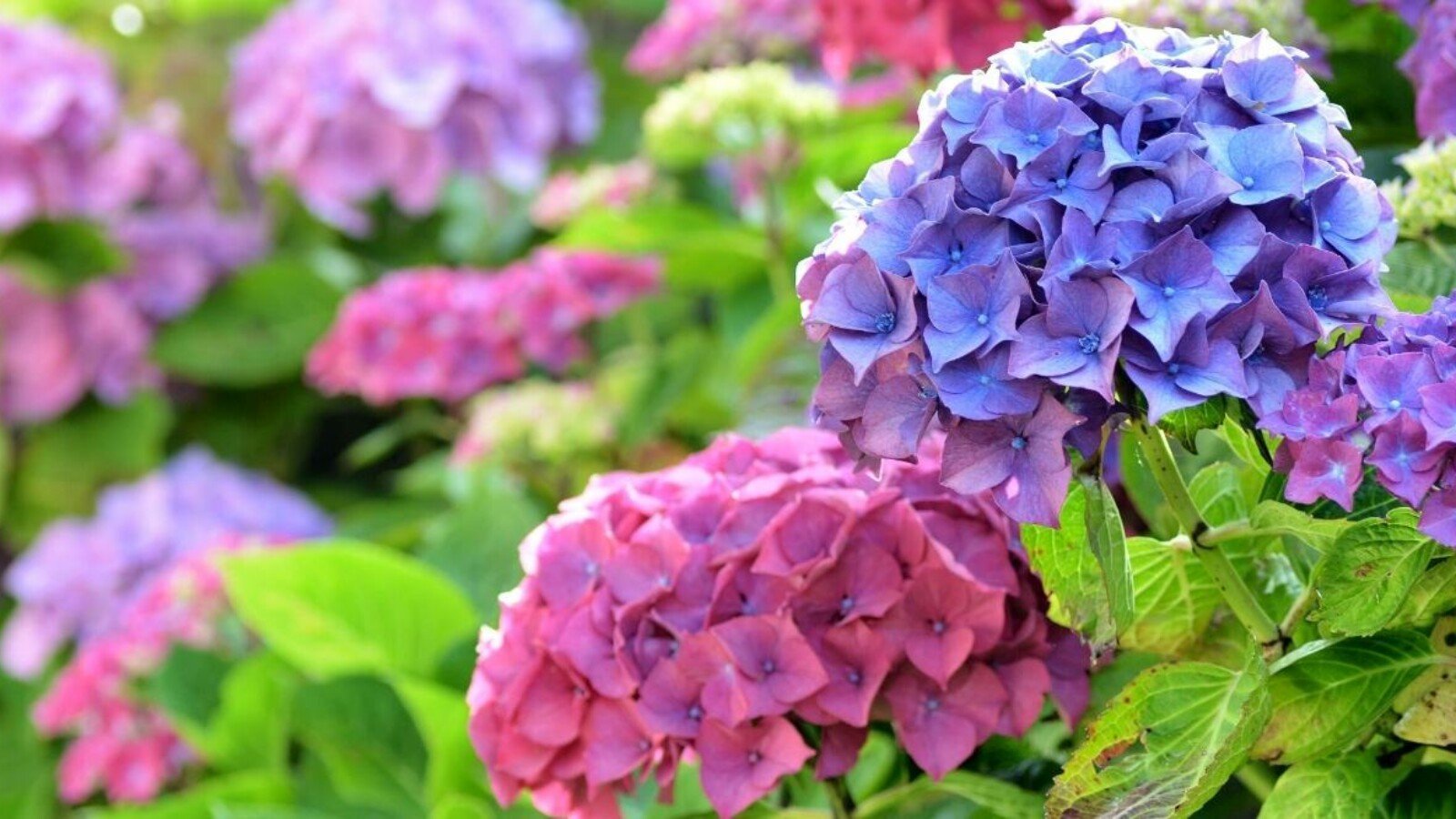
Hydrangeas are cherished for their huge, dazzling blooms and can be multiplied via softwood cuttings. Using a non-flowering stem, take a 6-inch cutting and remove the lower leaves. Place the cut end in rooting hormone before placing it in a peat and perlite mix. Hydrangeas enhance any garden because they like moist, well-drained soil and partial shade.
Fuchsia: Best Practices for Rooting
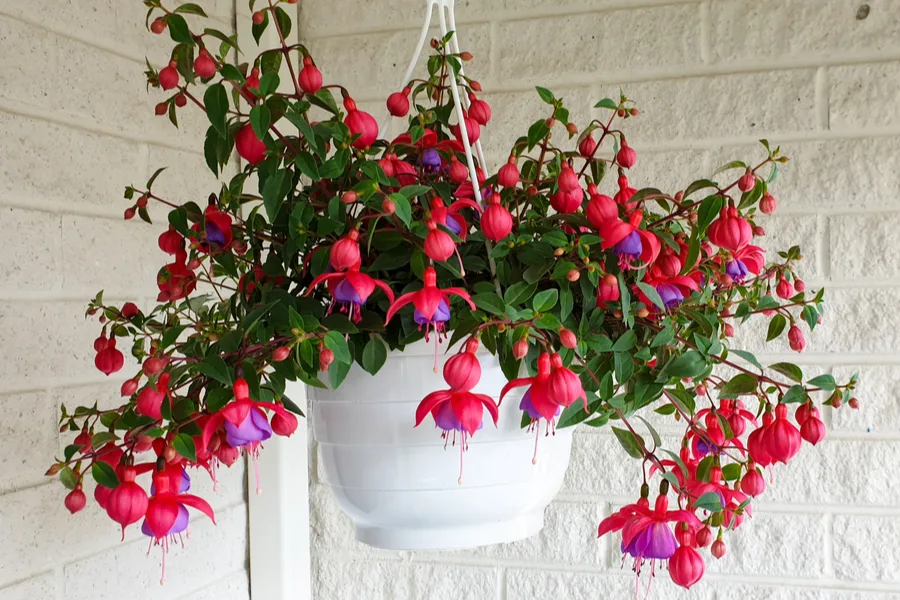
Fuchsias are propagated from cuttings and renowned for their eye-catching, pendant blooms. Remove the lower leaves after taking a 3-4 inch cutting from a strong stem. Place the cut end in rooting hormone before placing it in a well-draining mix. Fuchsias favor regularly wet soil and partial shade, making them ideal for shaded garden spaces or hanging baskets.
Pothos: Indoor and Outdoor Growth
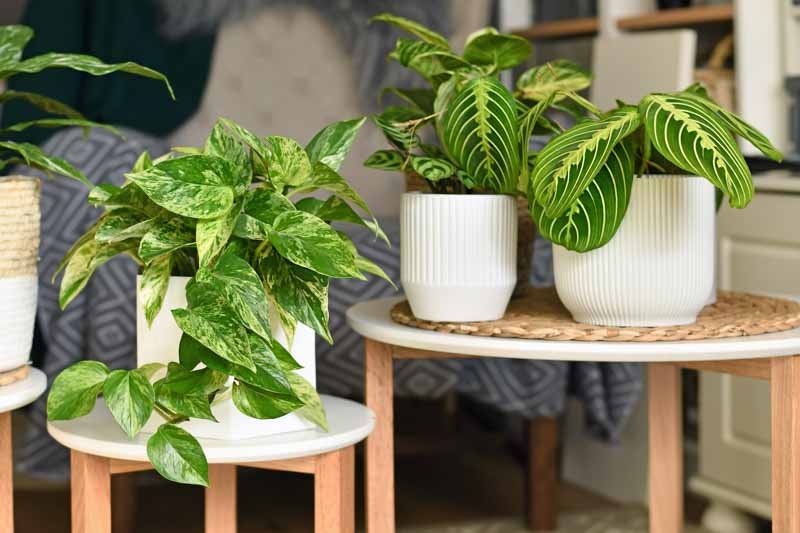
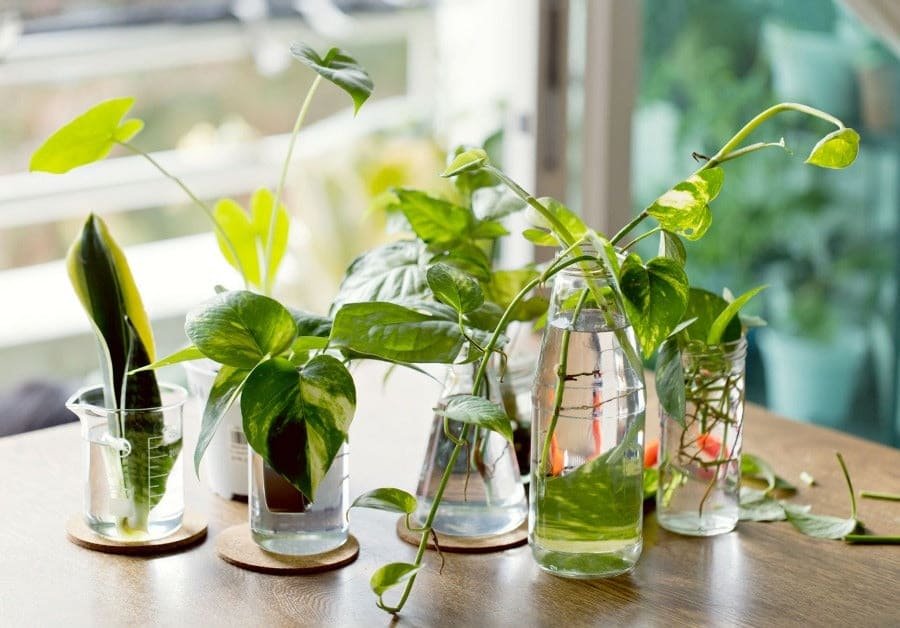
Whether inside or outside, pothos is an adaptable plant that can flourish. Take a piece with at least two nodes and place it in water to encourage the growth of roots. After rooting, plant the cutting in a pot of well-draining soil. Novices love pothos for its low-light tolerance and little maintenance requirements.
Spider Plant: Simple Steps for Success
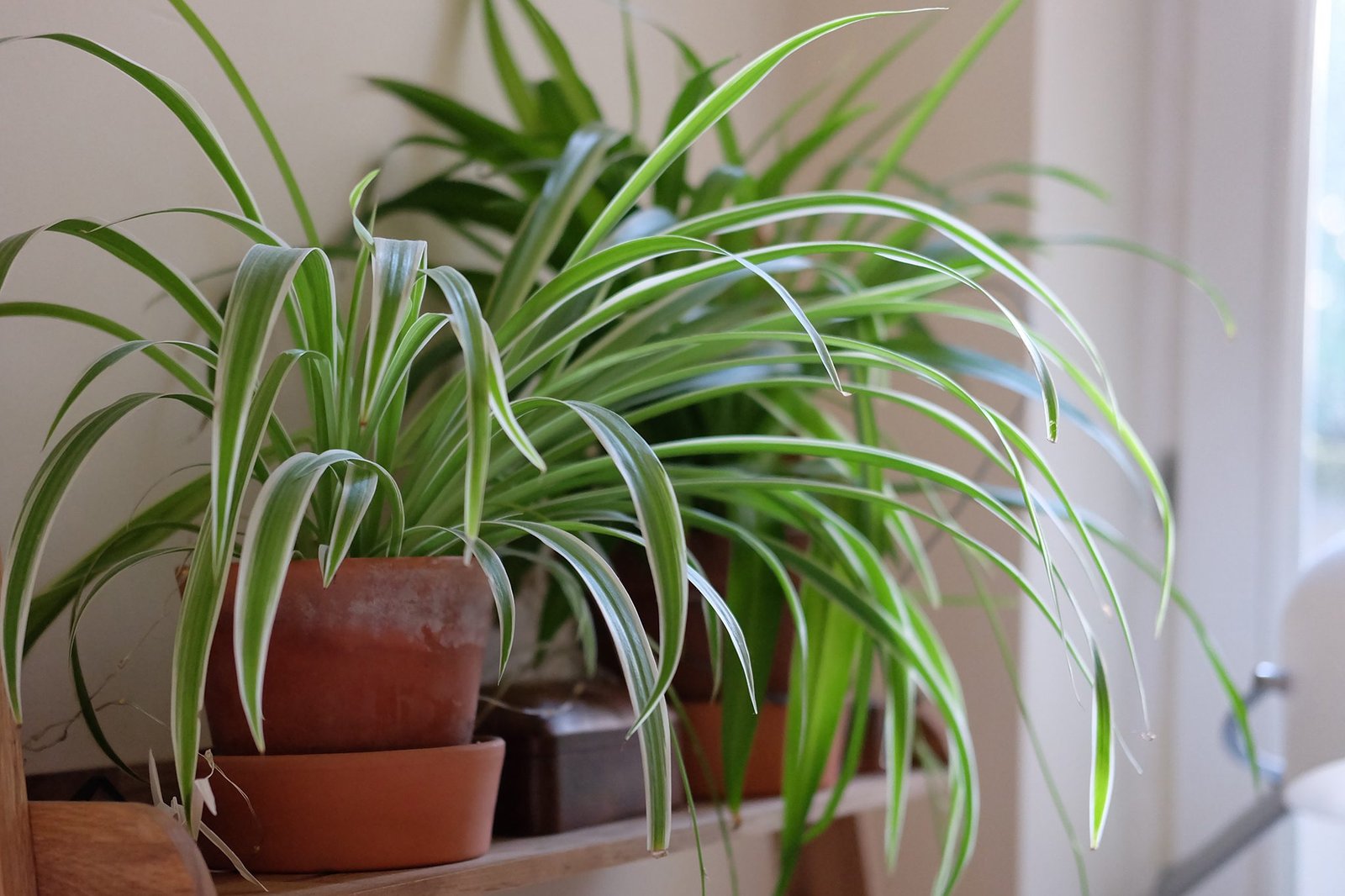
Spider plants are simple to propagate from plantlets called “babies”. Detach a plantlet from the main plant, then set it in water to grow roots. Once rooted, place it in a pot filled with soil that drains well. Spider plants grow best in strong, indirect light and are well-known for their ability to purify the air, making them a fantastic addition to any house or garden.
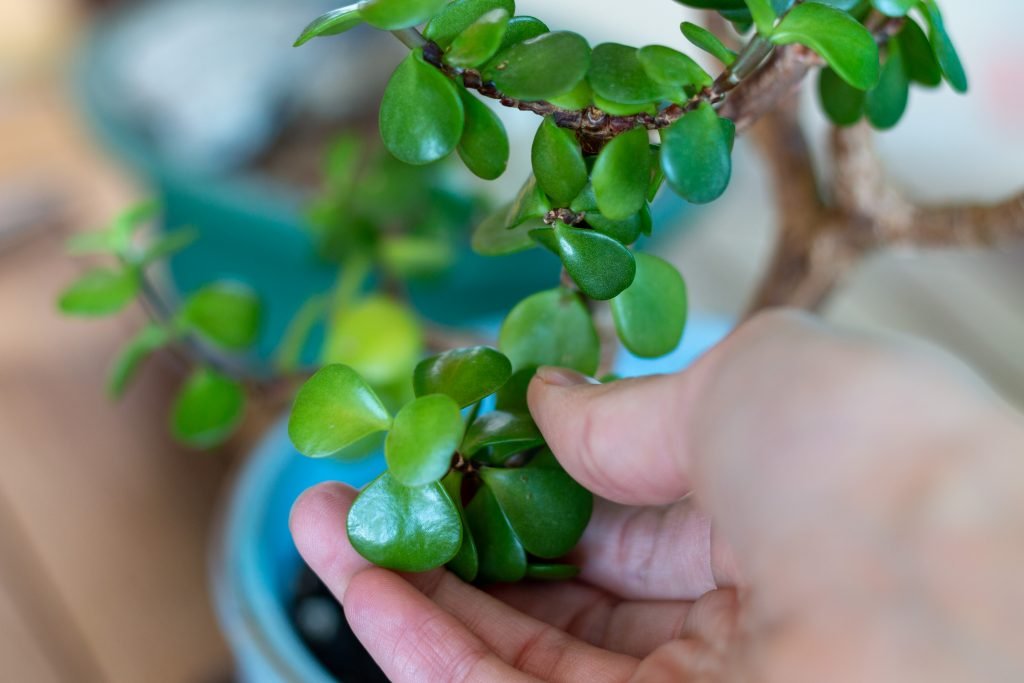
Jade Plant: Tips for Hardy Growth
Stem or leaf cuttings are an easy way to grow jade plants, which are succulents. Before placing the cutting in a pot with a well-draining cactus mix, let it dry for a few days to form a callus. Jade plants are low-maintenance and perfect for sunny windowsills since they flourish in strong light and only need sporadic watering.
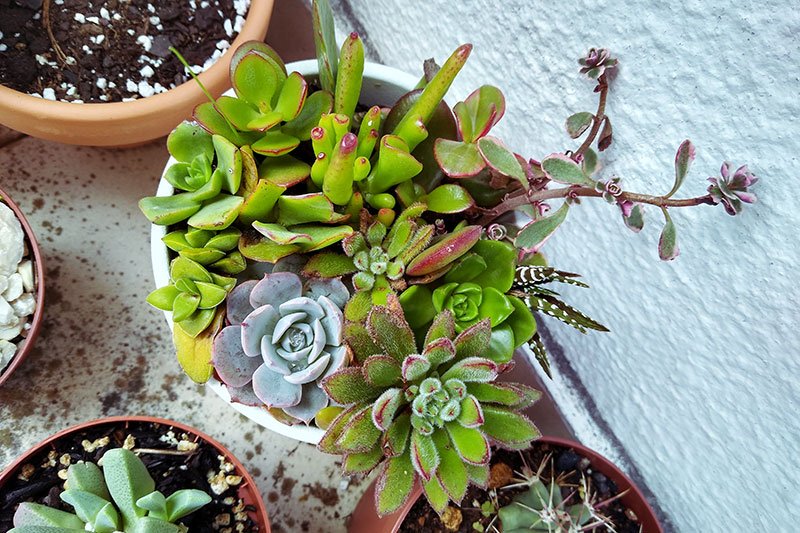
Succulents: Varieties and Propagation
Succulents exhibit a diverse array of forms and hues, showcasing an uncomplicated mode of propagation via leaf or stem cuttings. Prior to embedding them in a well-draining soil composition, allow the cuttings adequate time to desiccate and undergo callusing. With their capacity to flourish under intense illumination and minimal hydration needs, succulents emerge as a prime selection for xeriscaping endeavors or sophisticated indoor arrangements.
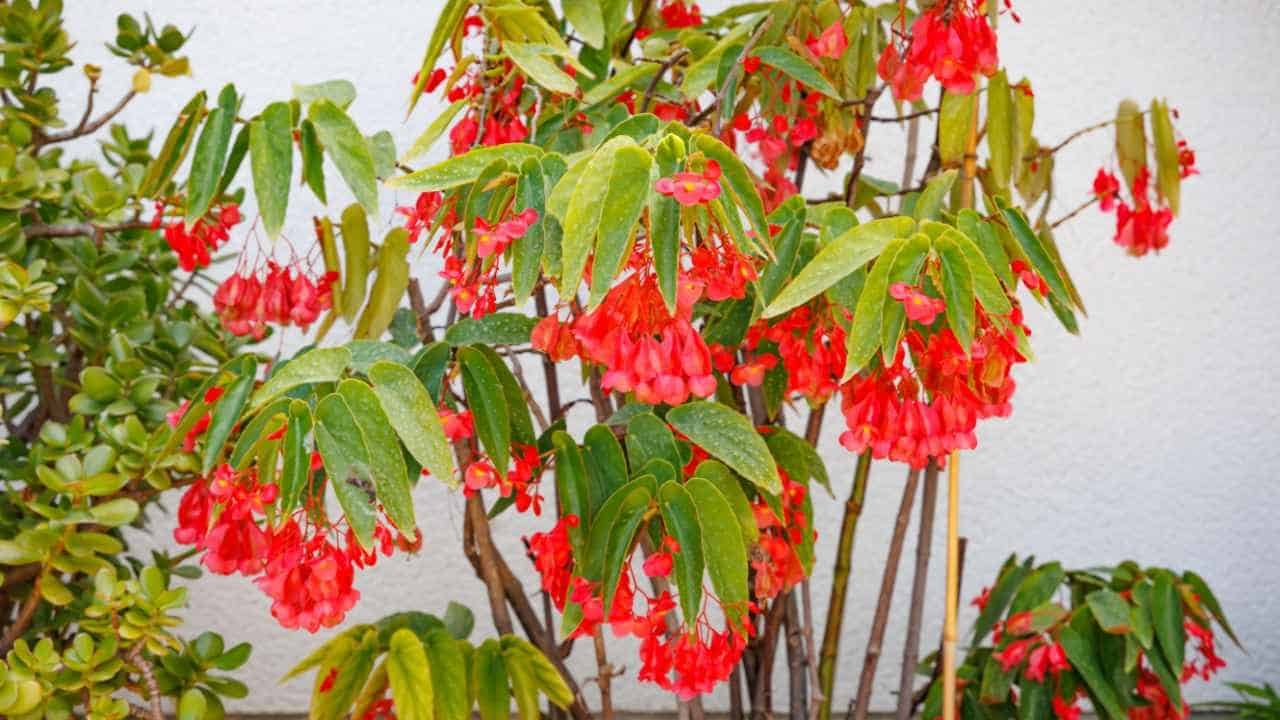
Begonia: Encouraging Lush Foliage
Valued for their enchanting leaves, begonias exhibit propagation through leaf or stem cuttings. Before planting a cutting in a pot filled with a well-draining mix, immerse it in rooting hormone. Suited for shaded outdoor gardens or indoor environments thanks to their preference for consistently moist soil and strong, indirect light.
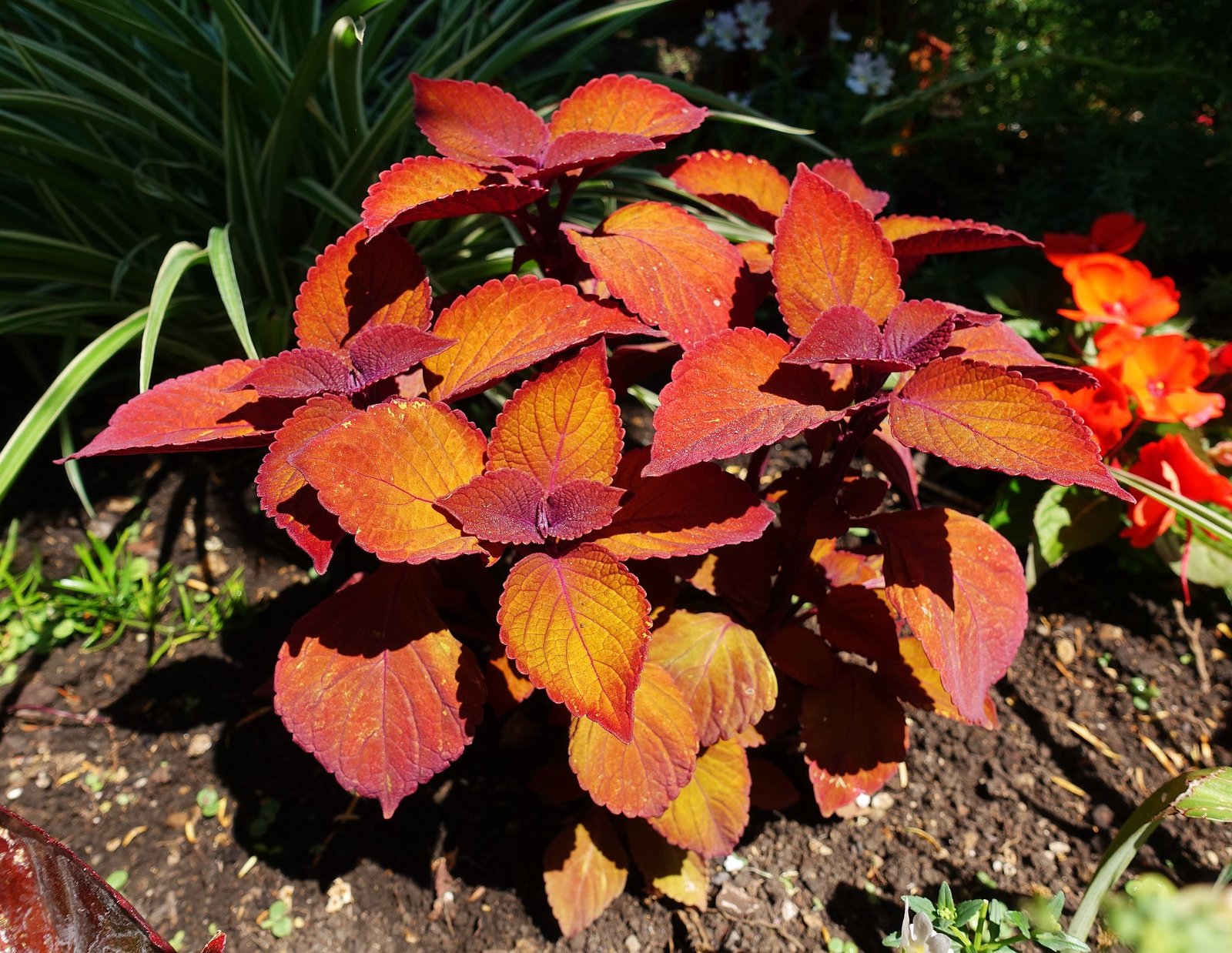
Coleus: How to Achieve Colorful Leaves
Coleus plants, exalted for their vibrant leaves, manifest propagation through stem cuttings. Place the cutting in water to enable root formation after removing the lower leaves from a robust plant sample. Coleus prospers under partial shade and mandates consistent watering to sustain the brilliance of its leaves.
Philodendron: Easy Care and Propagation
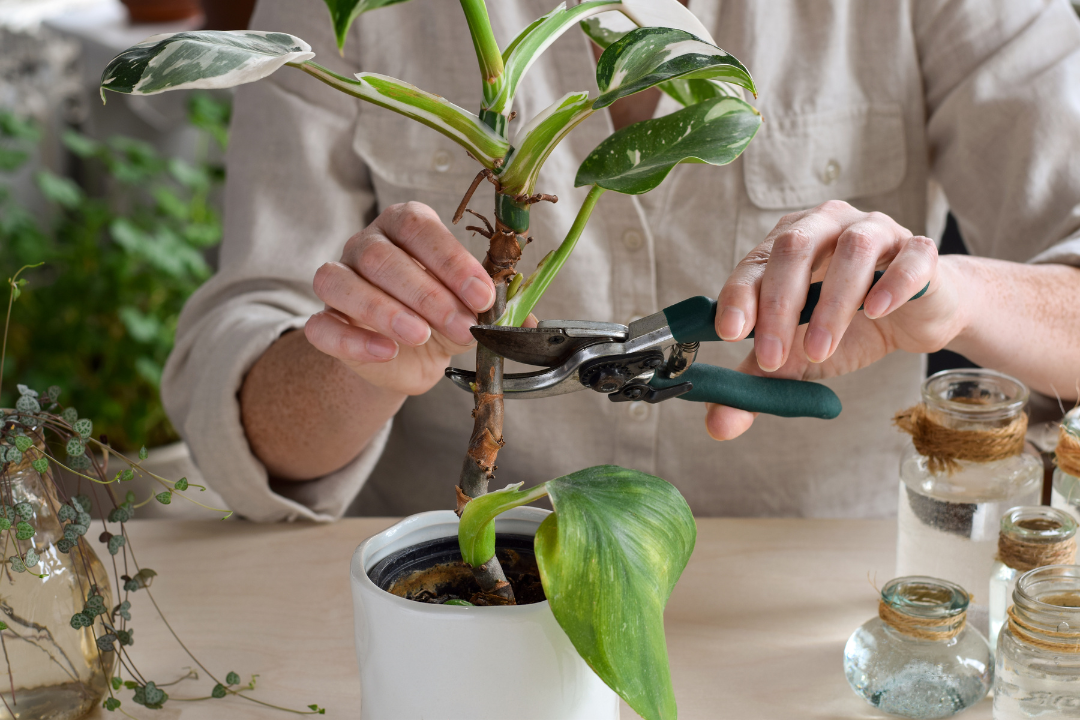
Philodendrons, celebrated as popular houseplants, exhibit straightforward propagation from cuttings. Set a cutting with one node or more in water until the roots develop. After root growth, transplant the cutting into a pot filled with well-draining soil. With their renowned capacity for air purification, philodendrons thrive under strong, indirect light.
Rosemary: Culinary and Ornamental Uses
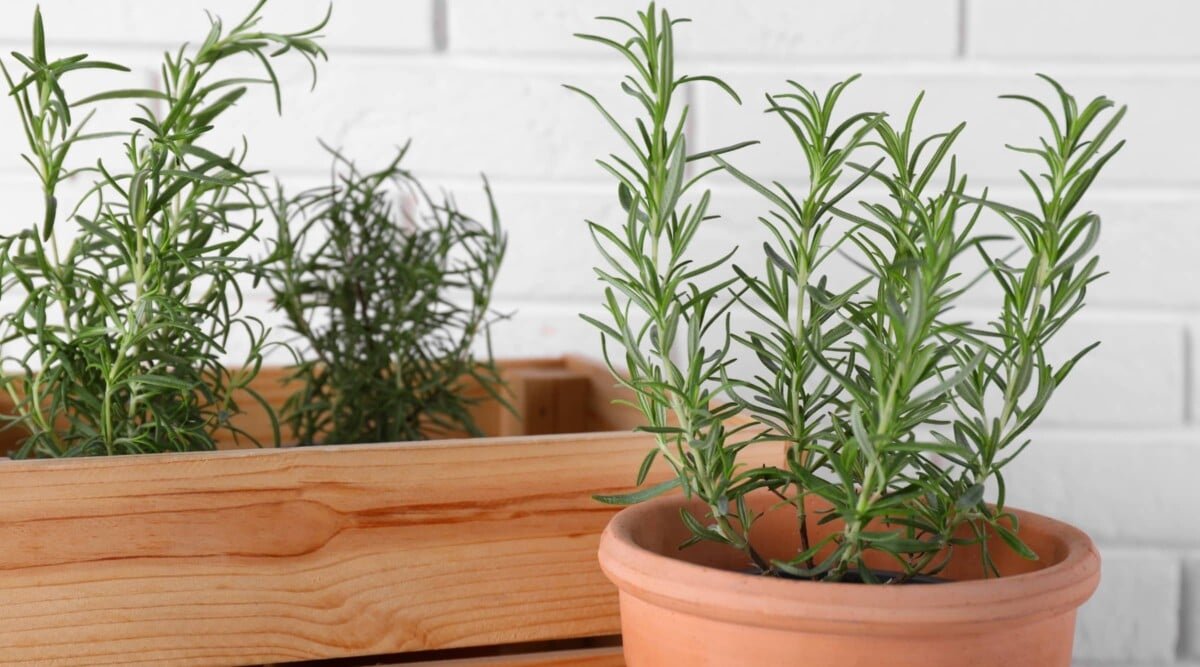
Fragrant rosemary herbs can be successfully propagated from cuttings. Take a 4-6 inch cutting from a strong stem and remove the lower leaves. Place the end that has been cut in rooting hormone before planting it in a pot filled with sandy soil. A versatile plant for culinary and ornamental uses, rosemary thrives in well-drained soil and full sun.
Sage: Benefits and Growth Techniques
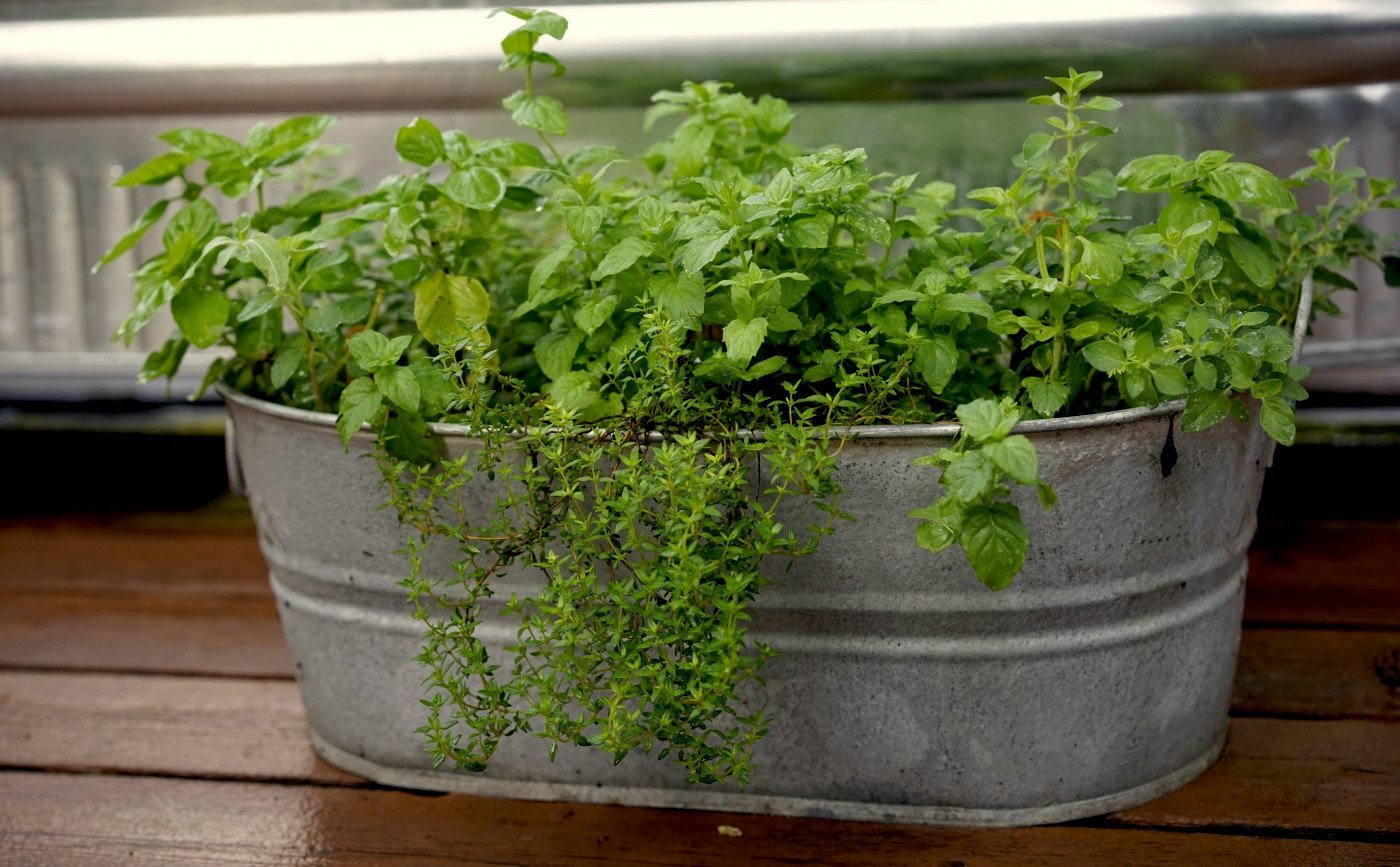
Cuttings are a good way to grow sage, a resilient herb. Take a cutting from a strong stem and remove the lower leaves. Put the end that has been cut in rooting hormone before planting it in a pot filled with soil that drains well. Sage is a fantastic addition to xeriscapes and herb gardens because it can withstand drought and prefers full sun.
Thyme: Aromatic and Hardy Growth
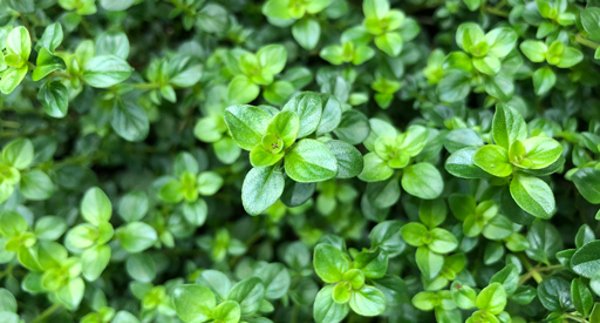
Cuttings can be used to grow thyme, an aromatic herb. Take a 3-inch cutting from a strong stem and remove the lower leaves. Place the end that has been cut in rooting hormone before planting it in a pot filled with sandy soil. Thyme is perfect as a ground cover or in rock gardens because it grows in well-drained soil and full sun.
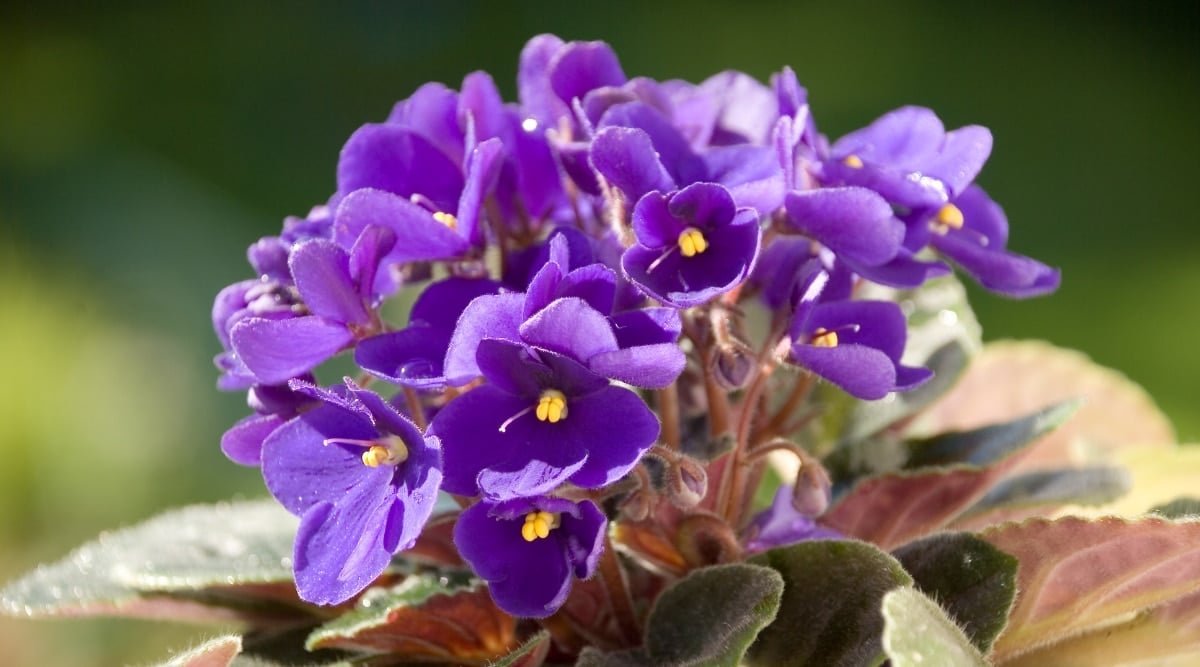
African Violet: Ensuring Vibrant Flowers
Well-known houseplants prized for their vivid blooms, African violets are simple to cultivate. To propagate, plant a leaf cutting in a pot with a well-draining mix. Maintain soil moisture and provide strong, indirect light. African violets are ideal for indoor gardens because they flourish in warm, humid settings.
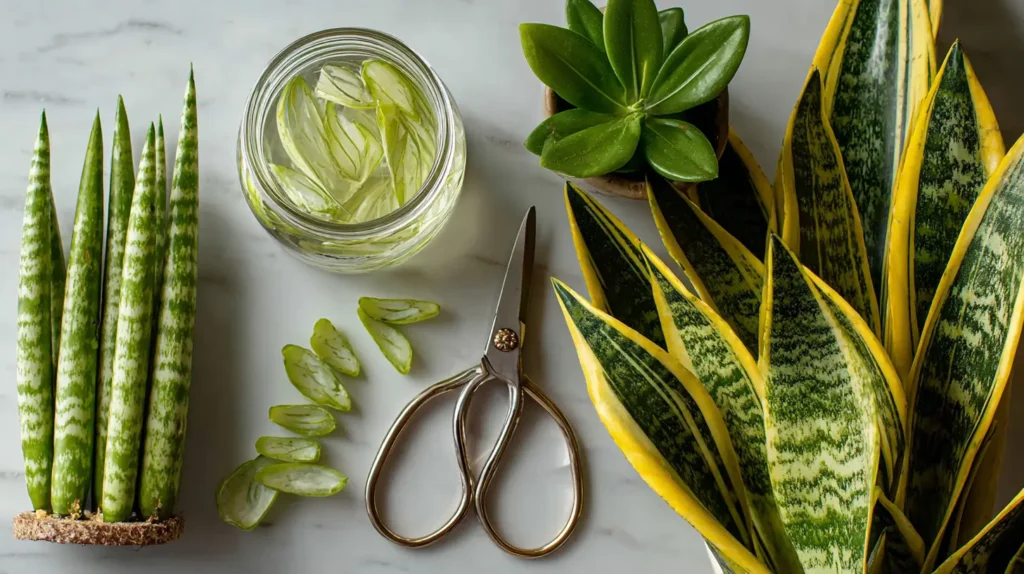
Snake Plant: Low Maintenance Propagation
Snake plants are simple to propagate from leaf cuttings and are hardy. Allow the leaf segments to dry completely before cutting a leaf into sections. Plant the snake plant sections in pots with a well-draining mix. Because snake plants can withstand low light and only need sporadic watering, they’re great for novices and busy gardeners.
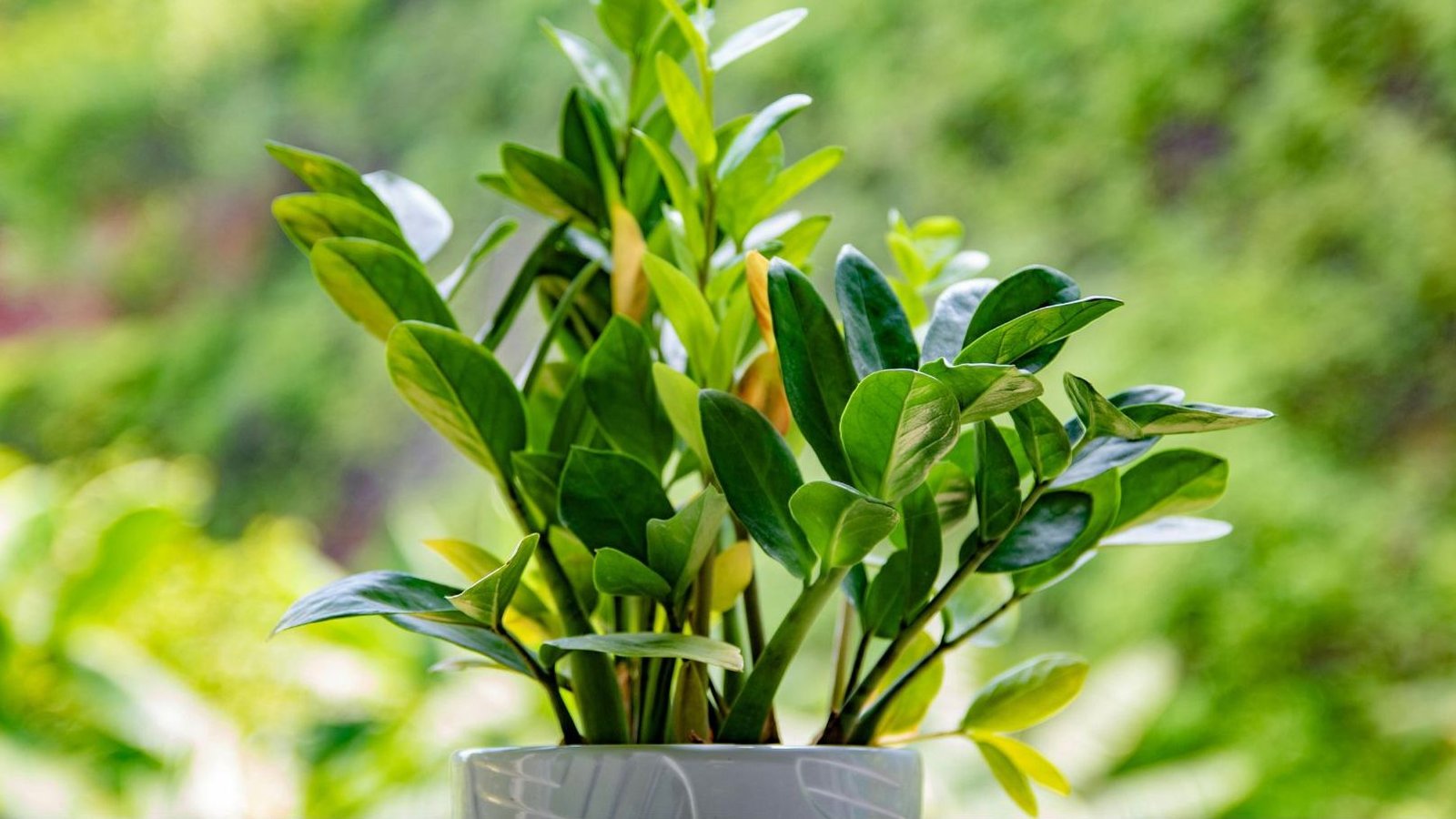
ZZ Plant: Resilient and Easy to Grow
ZZ plants are famous for their hardiness, and leaf cuttings can be used to grow them. Before planting it in a pot with a well-draining mix, let a leaf cutting dry completely. ZZ plants thrive in offices and low-upkeep gardens because they need very little care and flourish in low light.
Caring for Your New Plants: Watering and Fertilization
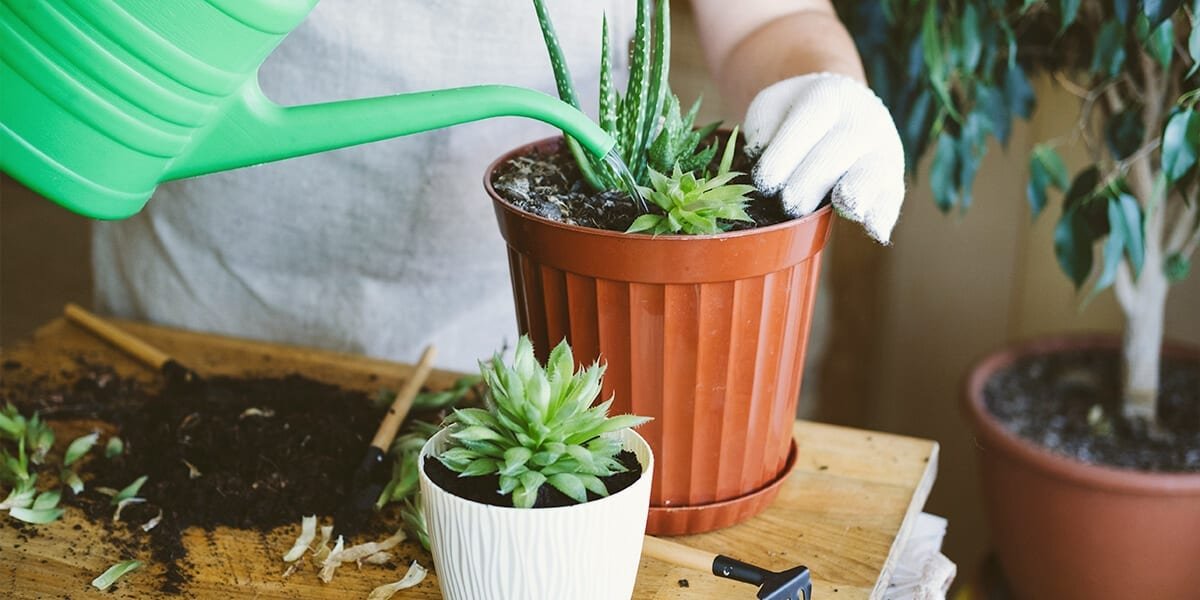
Your propagated plants must receive the right care in order to thrive. Regularly hydrate the plants, ensuring consistent dampness in the soil without waterlogging. Administer a balanced fertilizer to furnish vital nutrients for fostering robust growth. Modify watering and fertilization routines according to the distinct requirements of each plant species.
Troubleshooting Common Propagation Issues
Challenges can arise when propagating, like cuttings that don’t take root or the growth of mold. To avoid contamination during propagation usage sterile tools and containers. Maintain appropriate levels of temperature and humidity, and have patience since certain plants require more time to form roots than others. If issues persist, reassess your methods and make appropriate revisions.
Conclusion: Enjoying Your Lush Backyard
With patience and care, you can create a diverse and attractive backyard without spending a fortune on plant cuttings. You can watch your garden thrive, offering peace and beauty, if you take the time to care for your plants. Enjoy the process of caring for your plants and watching them flourish, realizing that you have built a thriving sanctuary with your labor.


