

Perennial vegetables represent an ideal for gardeners, providing a sustainable, low-effort method for producing food. Unlike annual plants, which require planting annually, perennials continue their growth and crop production over multiple years. This saves both time and energy, and it enhances the soil’s structure and the garden’s biodiversity. By planting perennials, you foster a self-sustaining ecosystem, yielding a consistent source of fresh food with only minimal care.
Benefits of Growing Perennial Vegetables
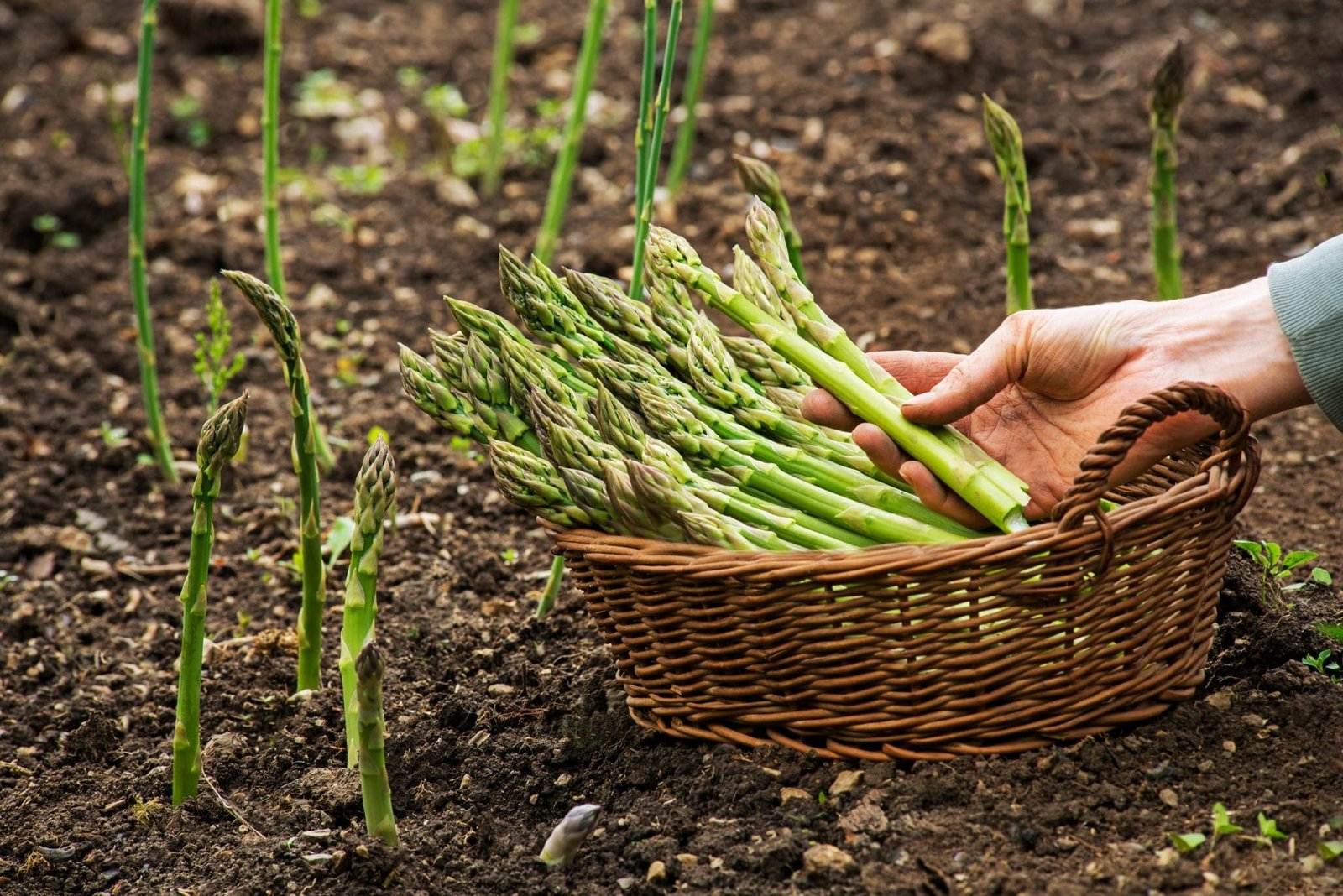
Numerous advantages accompany the cultivation of perennial vegetables. First, they decrease the necessity of disturbing the soil each year, which supports consistent soil structure and health. Perennials generally possess deeper root systems, which allows them to obtain water and nutrients more effectively, increasing their drought tolerance. Moreover, they offer a habitat for helpful insects and wildlife, promoting a healthier, more balanced garden ecosystem. In economic terms, perennials save both money and effort, given they do not need yearly replanting. From an environmental perspective, they aid in carbon sequestration, as their roots store carbon within the soil.
Asparagus: The Long-Lived Spear
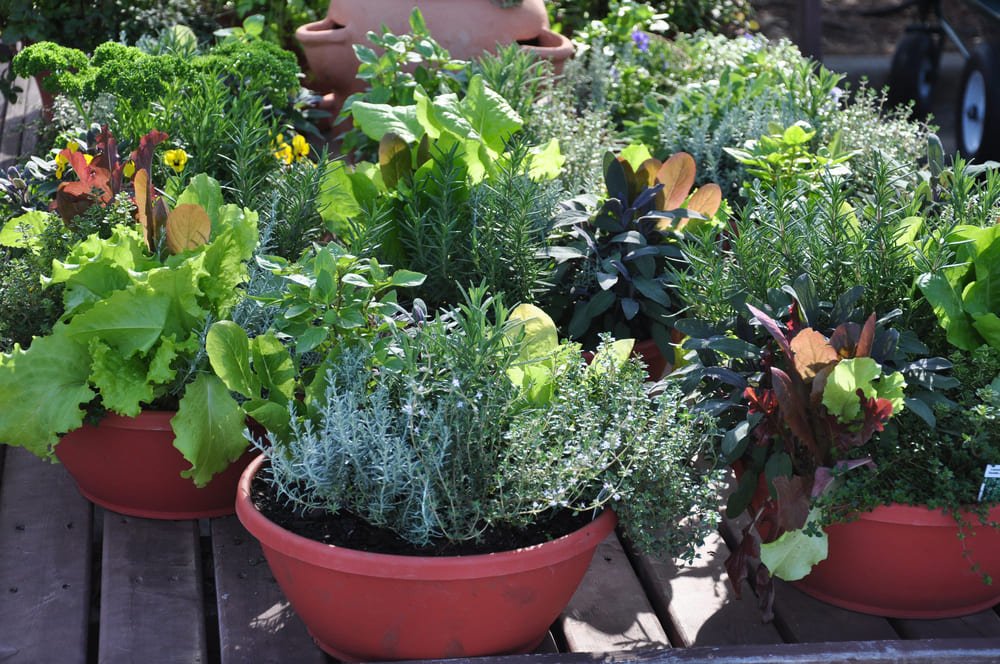
Asparagus, a well-known perennial vegetable, is prized for its tender spears. A well-established asparagus patch can remain productive for two decades or longer. It flourishes in conditions of full sunlight and well-drained soil. Though patience is required, since it takes some years to establish itself, asparagus rewards gardeners with tasty spears each spring. Regular mulching coupled with periodic fertilization will help keep the asparagus thriving.
Rhubarb: The Tart Perennial
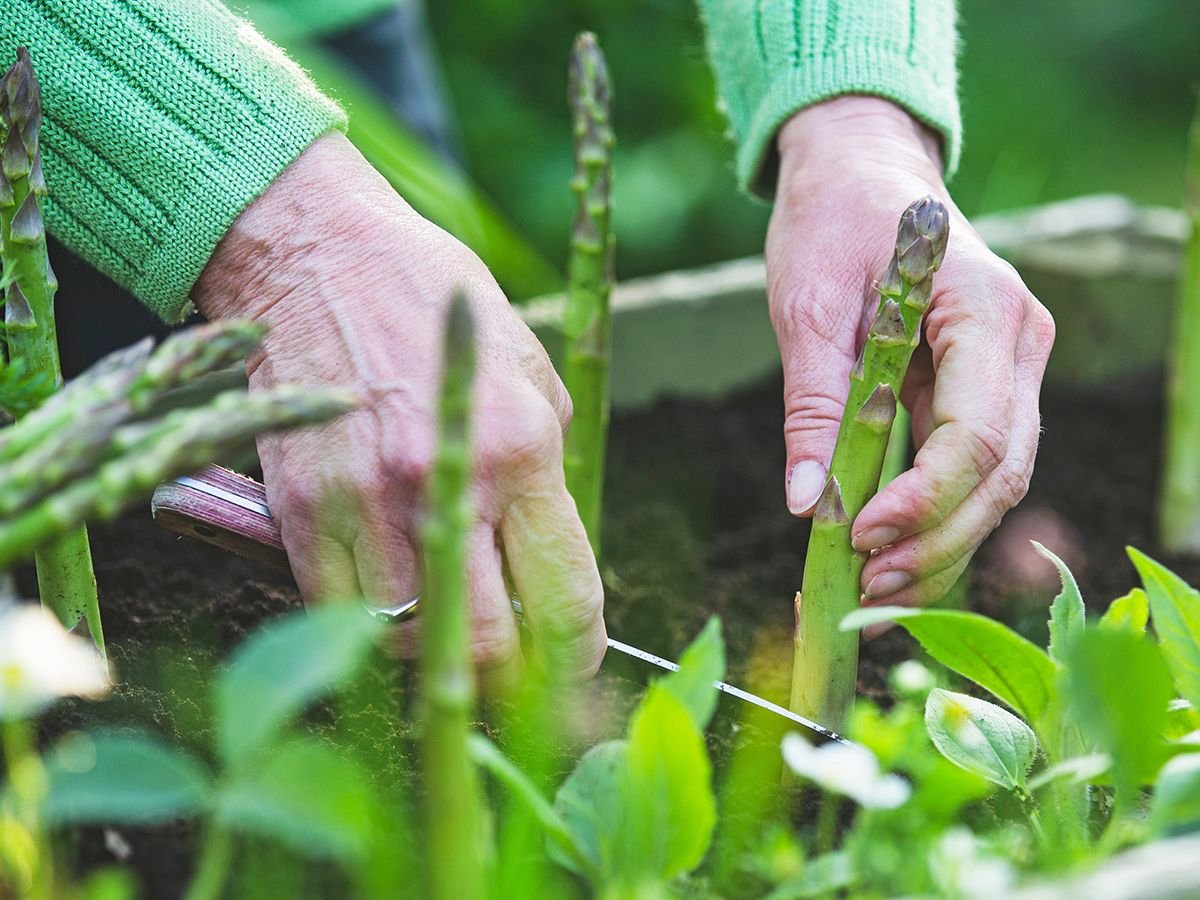
Rhubarb is a resilient perennial esteemed for its tart stalks, often used when baking pies and other desserts. It thrives ideally in cooler weather, preferring nutritious, well-draining soil. Rhubarb plants have the capacity to produce for over a decade, needing minimal maintenance, beyond regular watering and mulching. Note that only the stalks are safe to consume, as the foliage contains oxalic acid, rendering it toxic.
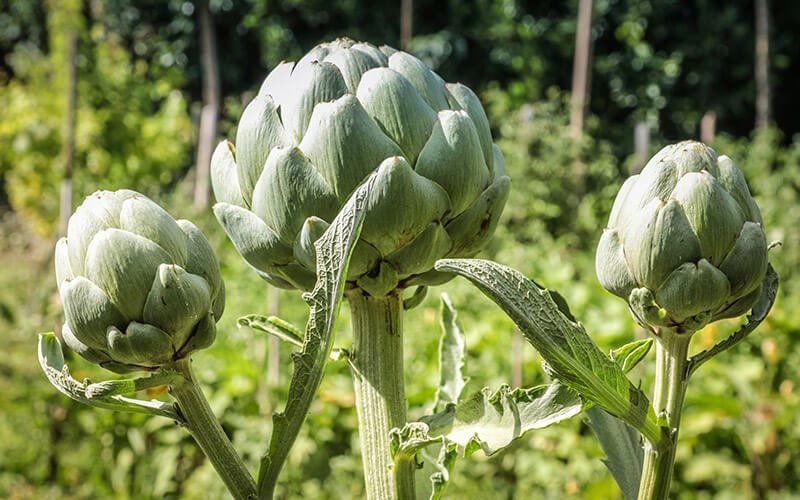
Artichoke: The Edible Flower
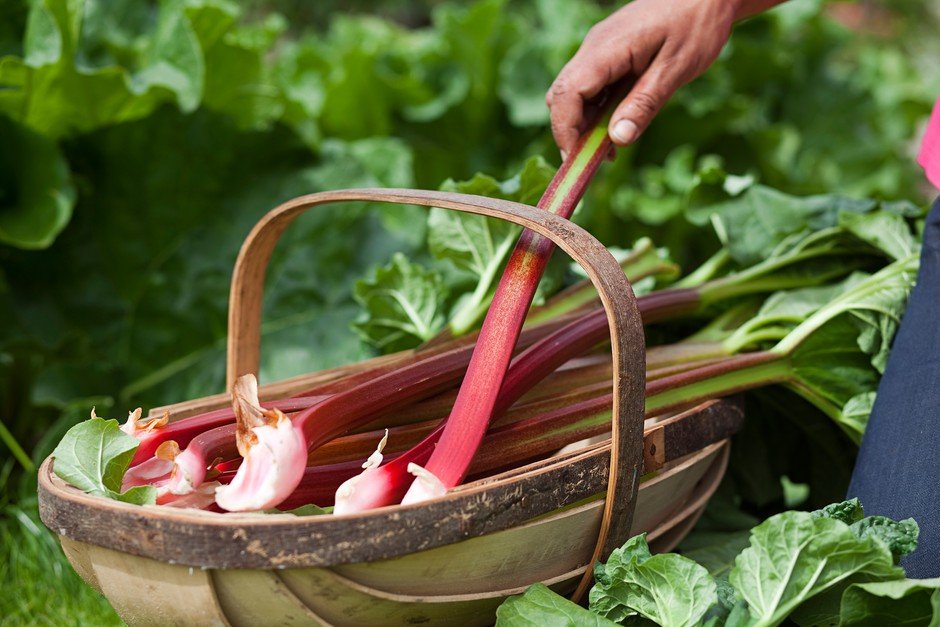
Artichokes stand out as perennials that yield large, edible flower buds. They flourish in mild climates, provided they have full sun exposure and well-draining soil. In zones 7 and warmer, artichokes can be cultivated as perennials, producing for several years continuously. Regular watering is a must, and they gain benefits from mulching as it retains moisture in the soil. Besides yielding tasty buds, artichokes bring intriguing architectural elements to the garden.
Sorrel: The Tangy Green
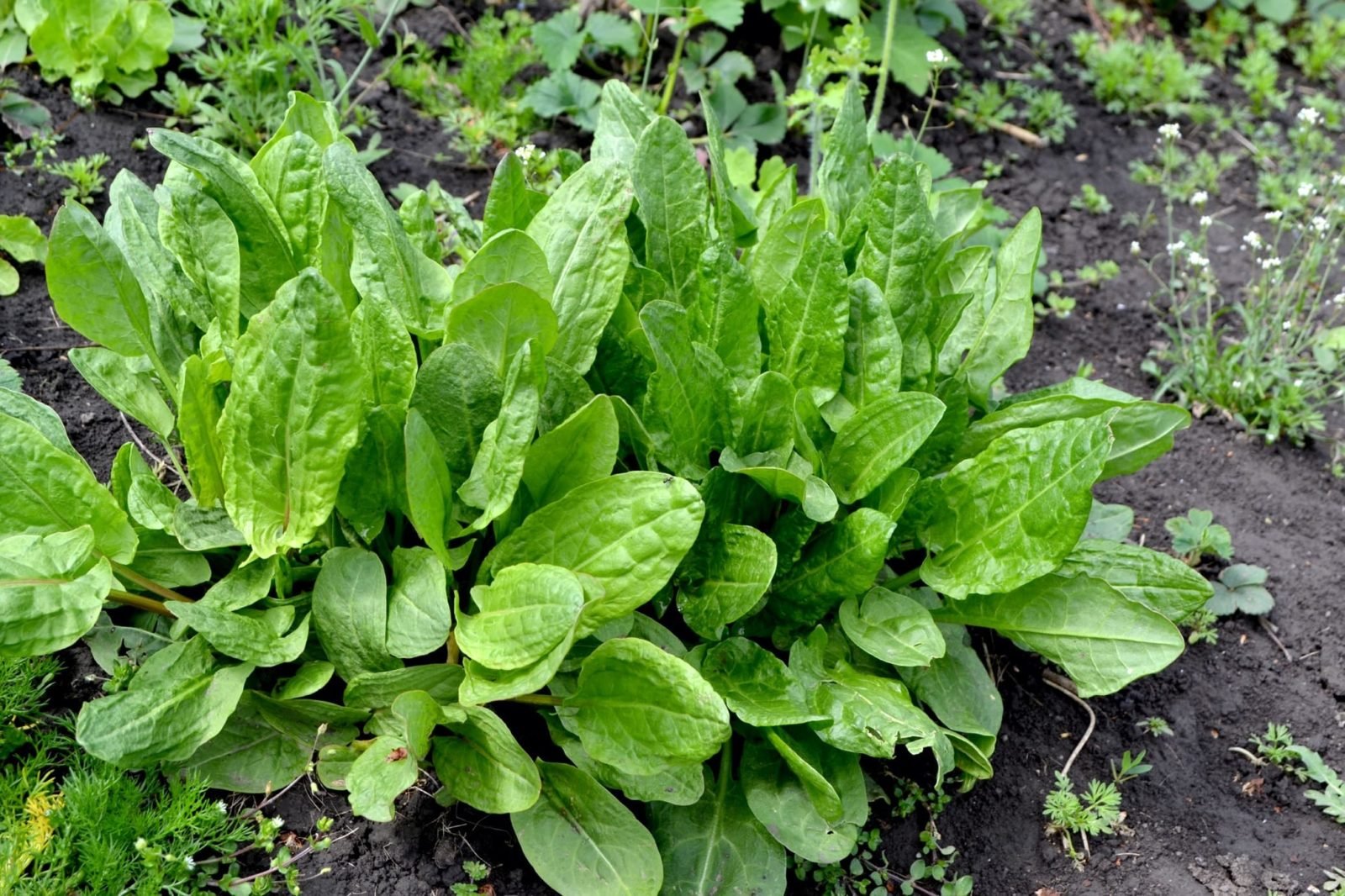
Sorrel, a perennial herb, is known for its tangy, lemony essence. As one of the first greens to sprout during springtime, it’s harvestable all growing season long. Sorrel thrives in moist, well-drained soil and tolerates partial shade. This low-maintenance plant is adaptable to diverse conditions. Rich in vitamins A and C, sorrel boosts the nutritional content of salads and soups.
Horseradish: The Spicy Root
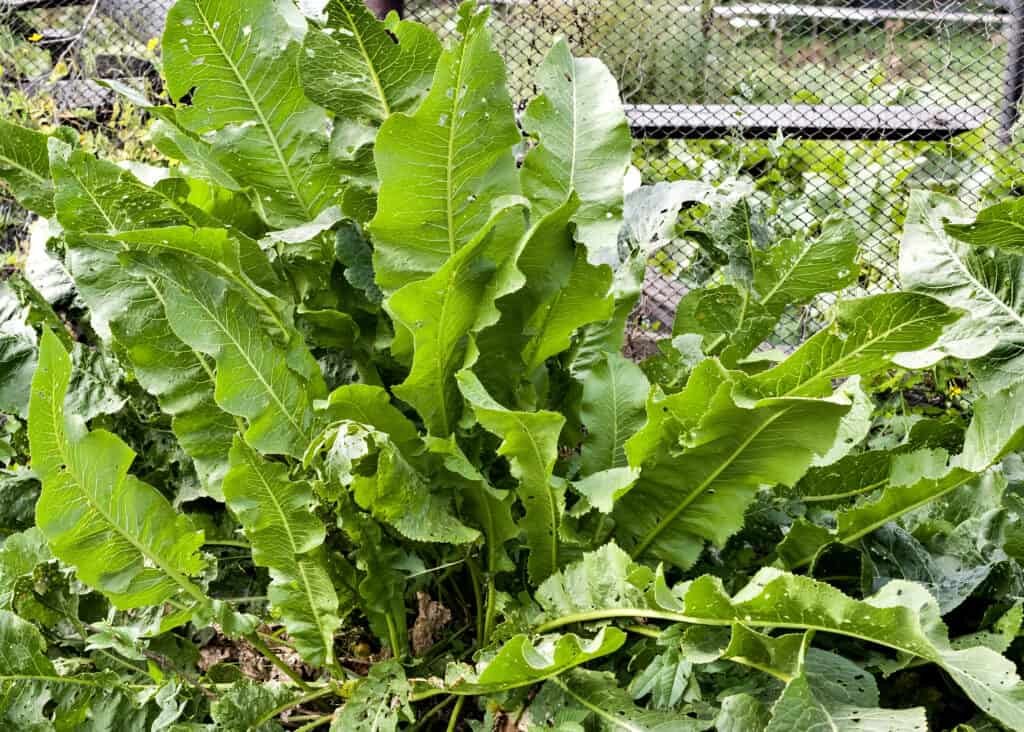
Horseradish, a remarkably hardy perennial, is grown for its pungent roots, used to create a favored condiment. Thriving in conditions of full sunlight and well-draining soil, horseradish, once planted, tends to spread vigorously; planting it within a confined location is generally a good idea. For optimal flavor, roots are harvested either in late autumn or early spring. Known for its health properties, horseradish can aid digestion and boost the immune system.
Jerusalem Artichoke: The Nutty Tuber
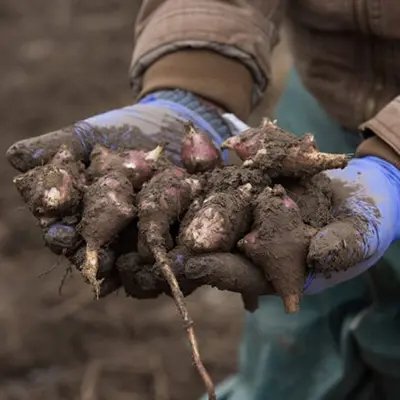
Jerusalem artichokes, alternatively termed sunchokes, are perennial tubers that feature a nutty flavor. They offer ease of cultivation and can thrive in a collection of soil types, even though they have a preference for full sunlight and well-draining soil. Given that Jerusalem artichokes tend to spread quickly, dedicating an area of the garden is recommended. These tubers can be gathered in autumn, ready for raw or cooked consumption. They have a high inulin content, a fiber type beneficial for gut health.
Sea Kale: The Coastal Delicacy
Sea kale is a perennial vegetable that originates in coastal regions. Valued for its tender shoots and leaves with a gentle, cabbage-like flavoring, sea kale thrives with full sun exposure and well-draining, sandy soil. Since it withstands drought and salt, it becomes an optimal choice for any coastal garden. For a milder flavor, Sea kale can be blanched and serves as a quality source of vitamins C and K.
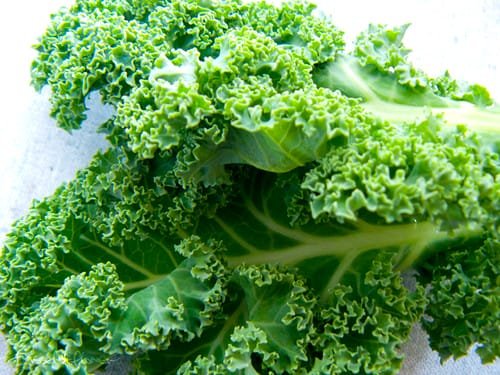
Good King Henry: The Forgotten Green
Good King Henry represents a classic perennial veggie, deserving a resurgence in popularity. It produces leaves akin to spinach and flower buds suitable for eating. Good King Henry thrives in rich, well-drained soil that receives partial shade. Relatively easy to care for, this plant provides greens from spring through fall. Its leaves have plenty of iron, and vitamins A and C, rendering them a nutritious dietary supplement.
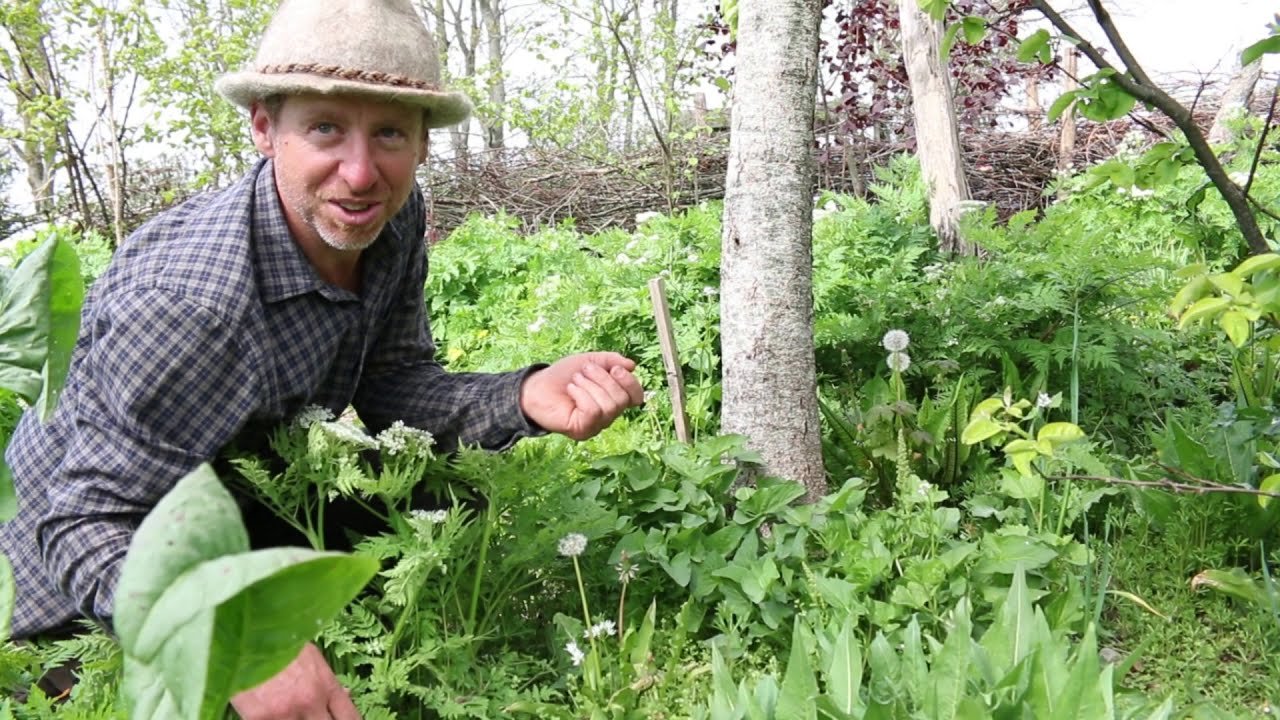
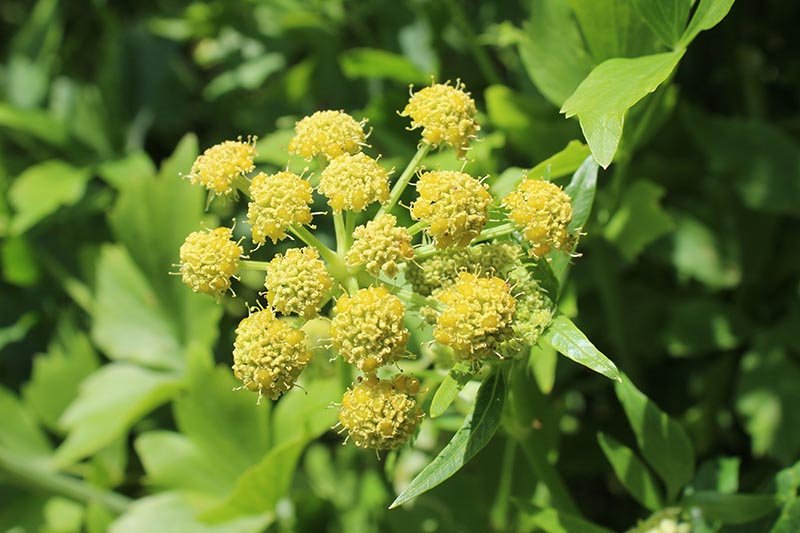
Lovage: The Celery Substitute
Lovage is a perennial herb that has a flavor profile similar to that of celery. It’s quite versatile as it is commonly added soups, stews, in addition to salads. Lovage thrives in rich, well-drained soil with exposure to either full or partial sunlight. Due to its height, many growers place it in the back of herb gardens. Lovage contains a variety of minerals and vitamins and has a history of being used for anti-inflammatory and digestive support.
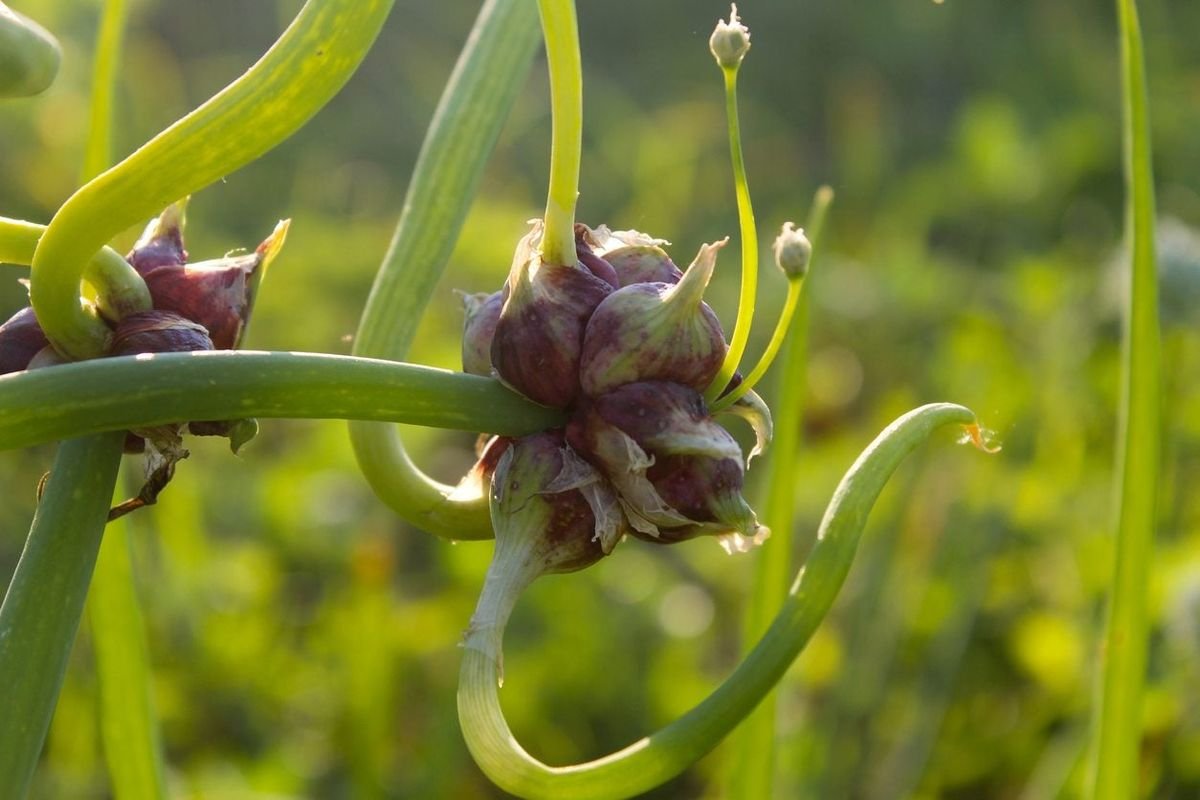
Egyptian Walking Onion: The Self-Propagating Allium
Egyptian walking onions are remarkable perennials, as they produce small bulbs found atop of their stalks. Due to their ability to propagate walking onions from these bulbs, they have earned their “walking” name. They exhibit hardiness and are able to thrive in diverse soil conditions; however, they flourish best in complete sunlight. With a mild onion flavoring, both the greens and bulbs remain suitable for eating. Egyptian walking onions require minimal care and provide a continuous stockpile of onions all through the year.
Perennial Leek: The Hardy Allium
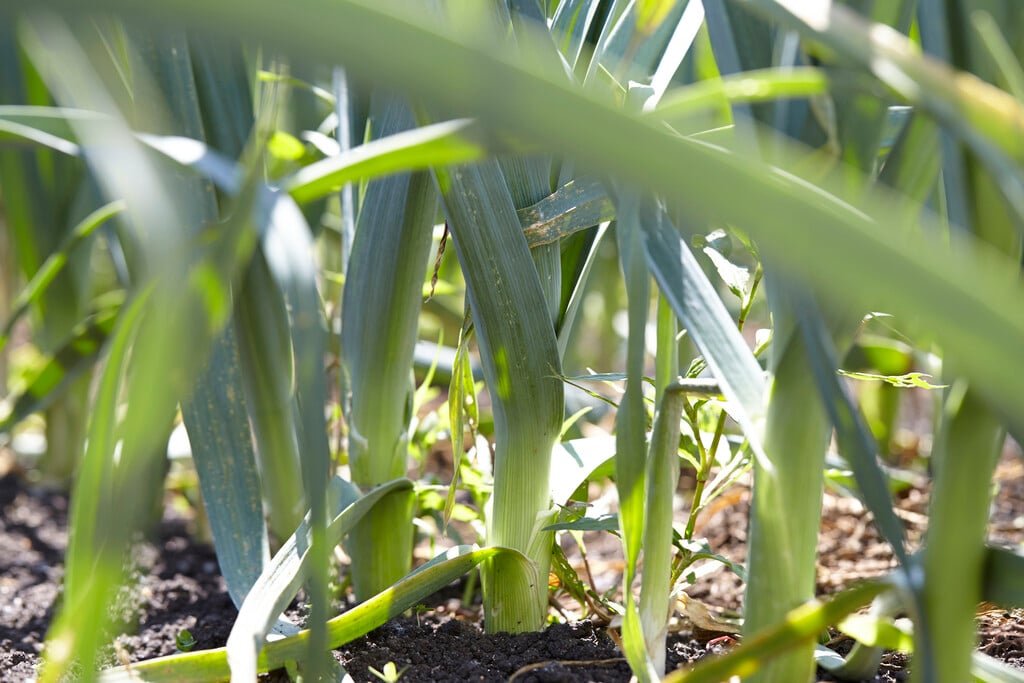
Also known as babington’s leeks, perennial leeks stand out as hardy alliums ready for perennial cultivation. They bear delicate stalks coupled with bulbs of a milder profile. For best growing results, incorporate abundant sunlight and well-draining soil. Needing limited maintenance beyond consistent water, they are harvestable during the growing season at different times. These leeks are ideal for salads, stews, and soups.
Watercress: The Aquatic Green
Watercress, a quick-growing perennial, thrives in aquatic settings. Prefers consistent cool, flowing water and is able can be grown near ponds and streams and in containers. Plenty of vitamins A, C, and K are found in watercress, and its peppery taste heightens the tastes found in sandwiches and salads. It needs very little maintenance, requiring a continuous water source.

Chinese Artichoke: The Crunchy Tubers
Chinese artichokes, commonly referred to as crosnes, are perennial tubers featuring a nutty taste and crunchy texture. They have ease of cultivation and are ideally placed in well-draining soil and receive full sunlight. Due to rapid spreading, they often warrant planting in containers. These tubers are generally harvested in autumn and can be eaten cooked or raw. They are a remarkable garden addition as well as unique addition to many tables.
Wild Garlic: The Fragrant Green
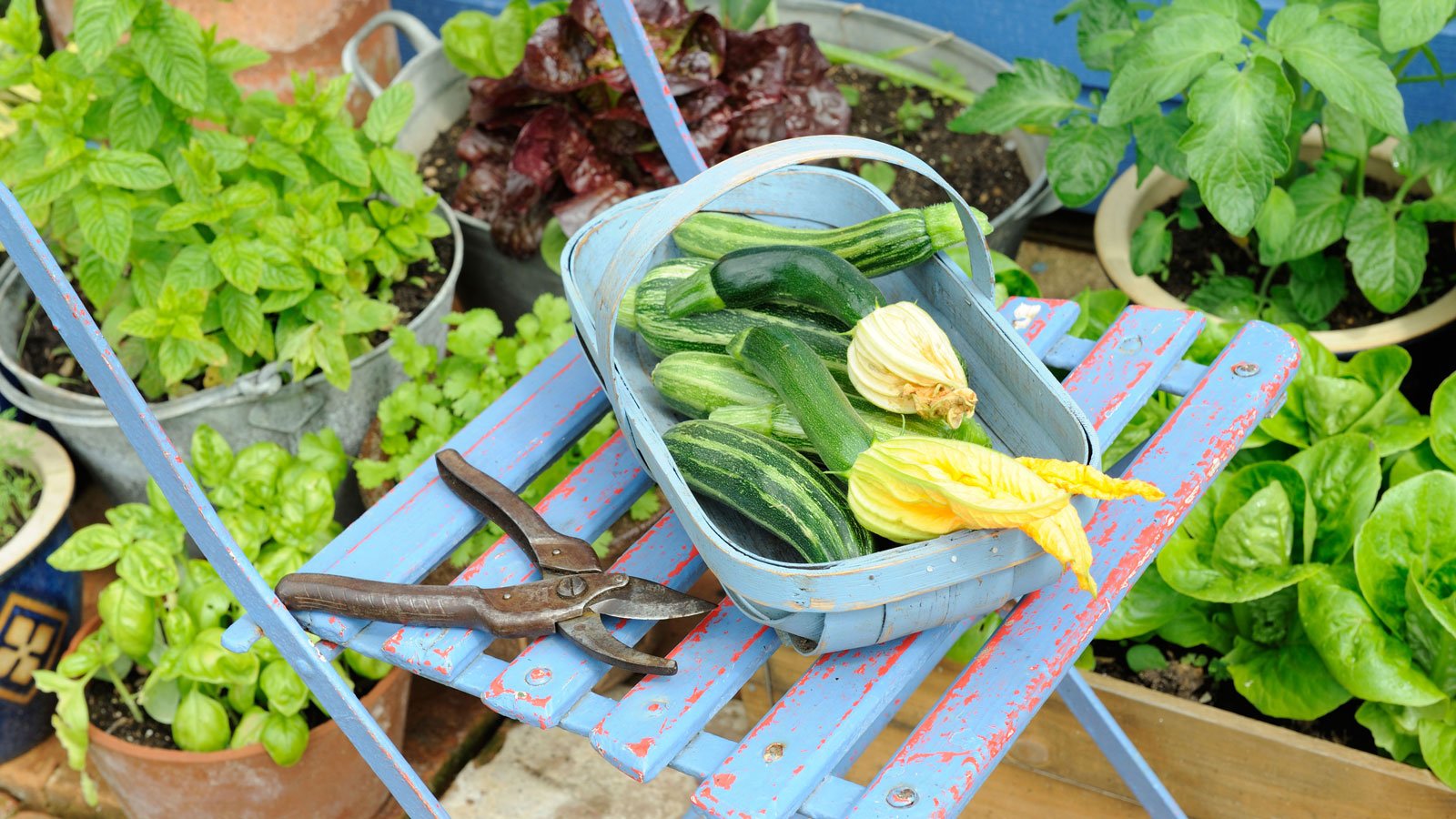
Wild garlic, or ramsons, refers to a perennial allium distinguished by a very strong garlic fragrance. It thrives ideally in shaded, wet areas and exhibits the ability to spread swiftly, producing colonies that are extremely dense. The flowers, bulbs, alongside the leaves, are commonly used for edible purposes, included in a wide array of tasty dishes. Wild garlic has substantial amounts of vitamins A and C, and it has a history of being used to support health functions such as boosting immune systems.
Tree Collards: The Leafy Giant
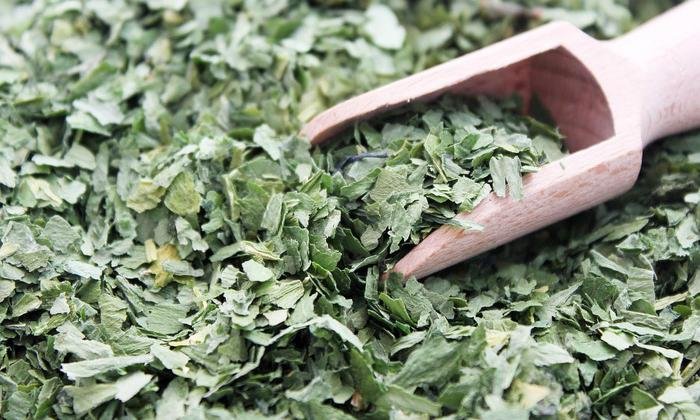
Tree collards are perennial leafy greens able to achieve a size of up to 10 feet. With mild weather, they are able flourish given they are provided well-draining soil and are put in an area abundant sunlight. Very little maintenance is involved, and they provide greens the entire year. They’re filled with vitamins A, C, and K and contain a light, cabbage-esque flavor. Tree collards greatly contribute to the productivity and nutritional components of any garden.
Conclusion: The Perennial Advantage
Perennial vegetables provide both a sustainable and fulfilling method of cultivation. Enjoy continuous source to fresh harvests with minimal effort while planting perennials which live long. Perennials do more than enrich soil; they promote biodiversity, contributing greatly toward environmental sustainability. For any gardener to invest in resilient and productive gardening, perennials are the most practical means to accomplish such. Enjoy the advantages of growing perennial crops for many successive years, given proper scheduling and attention. `


