

This method of plant cultivation proves especially useful for individuals lacking extensive outdoor areas. Container gardening provides the flexibility to grow diverse flora in pots or other receptacles, regardless of limited gardening space. Plants thrive in containers positioned on patios, balconies, or even inside homes, eliminating the necessity for conventional gardens. It goes beyond simple space efficiency, granting heightened control over soil composition, watering practices, and sunlight intake, making it an appealing choice for urban residents and dedicated garden lovers alike.
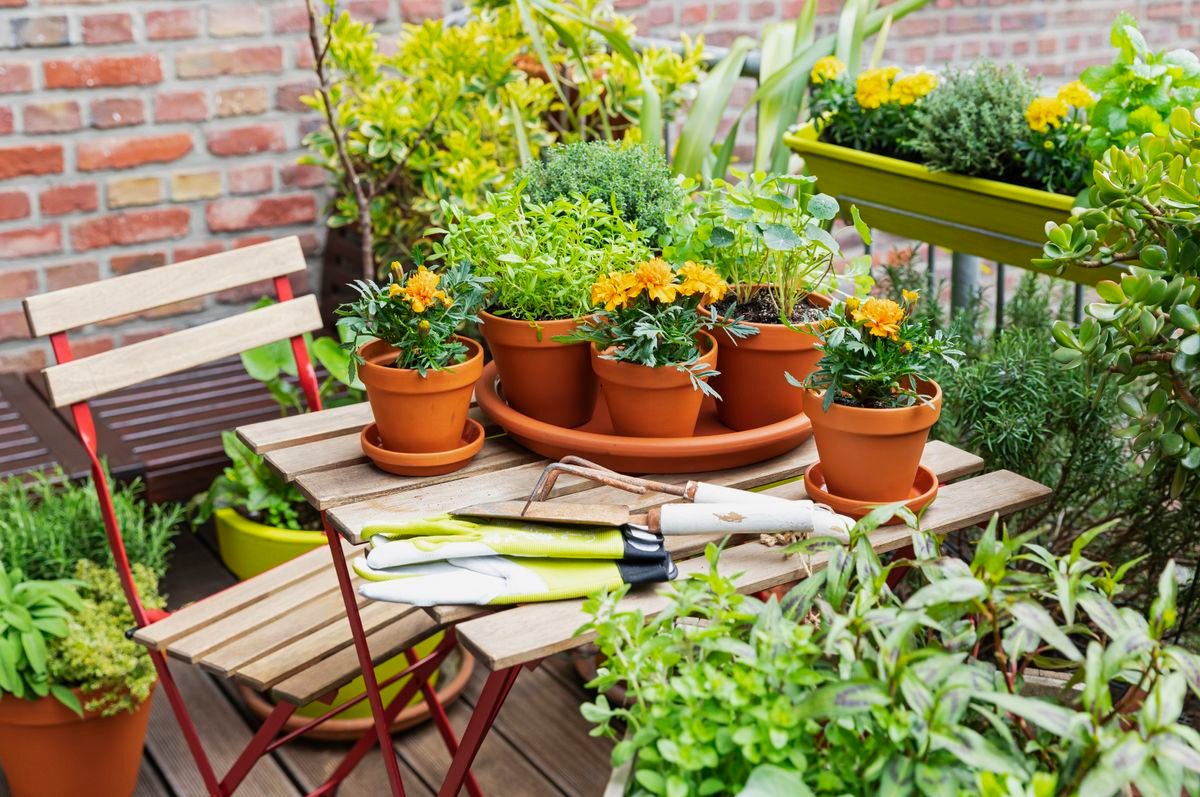
Benefits of Growing Plants in Containers
Container gardening offers a plethora of advantages, making it a desirable option for many who enjoy gardening. Specifically, the ability to manage the growing conditions stands out. You gain control over specific plant needs like soil type, pH levels, and moisture. Moving the containers becomes straightforward to optimize sunlight or shield the plants from severe weather. This adaptibility is very effective for delicate plants, or plants that may only grow in certain seasons. Reduced risk of soil-borne diseases and pests occurs as plants remain isolated beyond the immediate ground. Container gardening also nurtures imagination by offering different container forms and materials, allowing gardeners to design pleasing arrangements aesthetically..
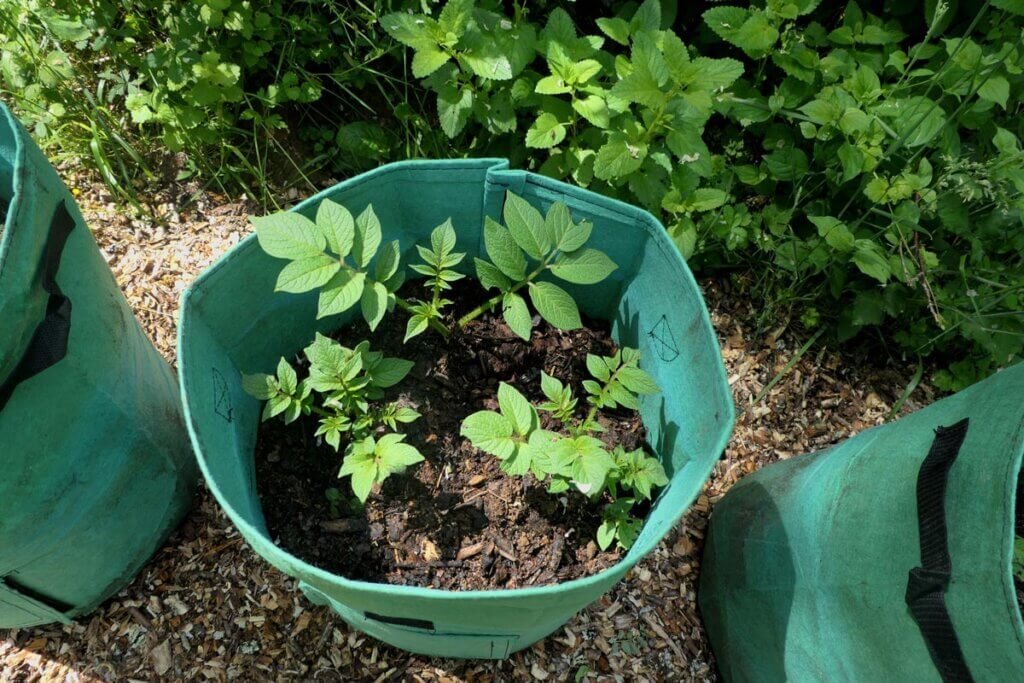
Choosing the Right Container for Your Plants
Successfully growing a container garden relies on choosing the correct container. Consider container size, drainage, and material during the selection process. Match container size to plant root systems and the anticipated size of the plant. Small herbs, for example, may grow well in small pots, while larger size vegetables need a bigger container. Water retention and temperature control depend on the container’s construction material (plastic, terracotta, ceramic). Be sure enough drainage holes exist to prevent water accumulation and potential root deterioration. Furthermore, consider the weight and visual appeal of the container, mainly if it frequently moves.
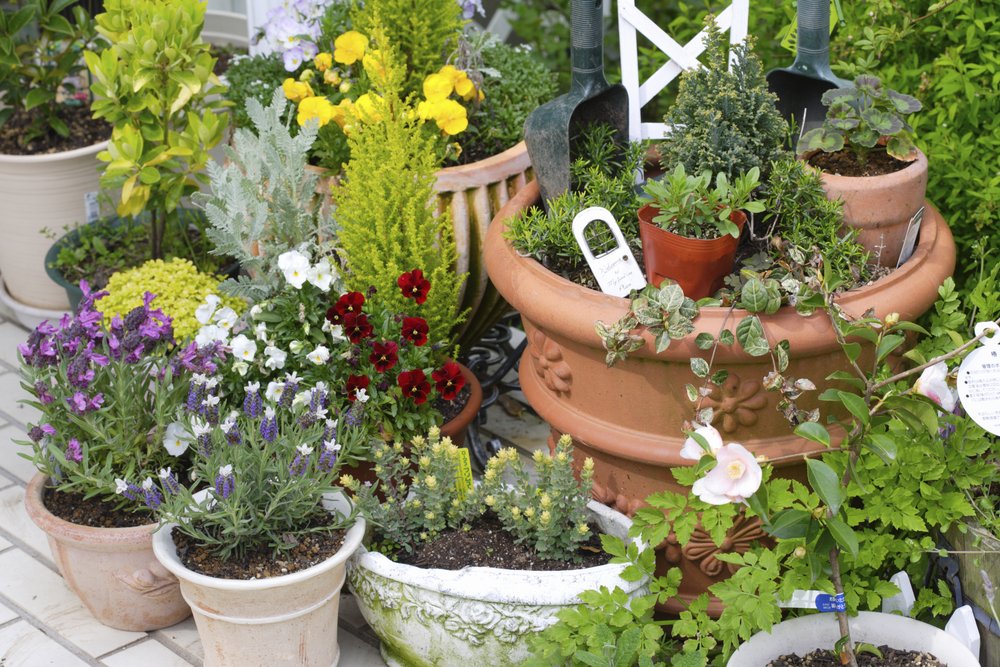
Understanding Container Sizes and Their Uses
Container sizes influence which plants thrive in those same containers. Herbs and other relatively small plants do well in smaller containers, such as 1-gallon buckets, since they do not need as much root space. Larger vegetables and even fruit trees, however, need larger containers like 15-gallon buckets. Matching plant growth to container size helps ensure strong root development. Plants can experience stunted growth and limited production from being in too small of a space, so the container size must also match the mature size and the root depth of a plant.
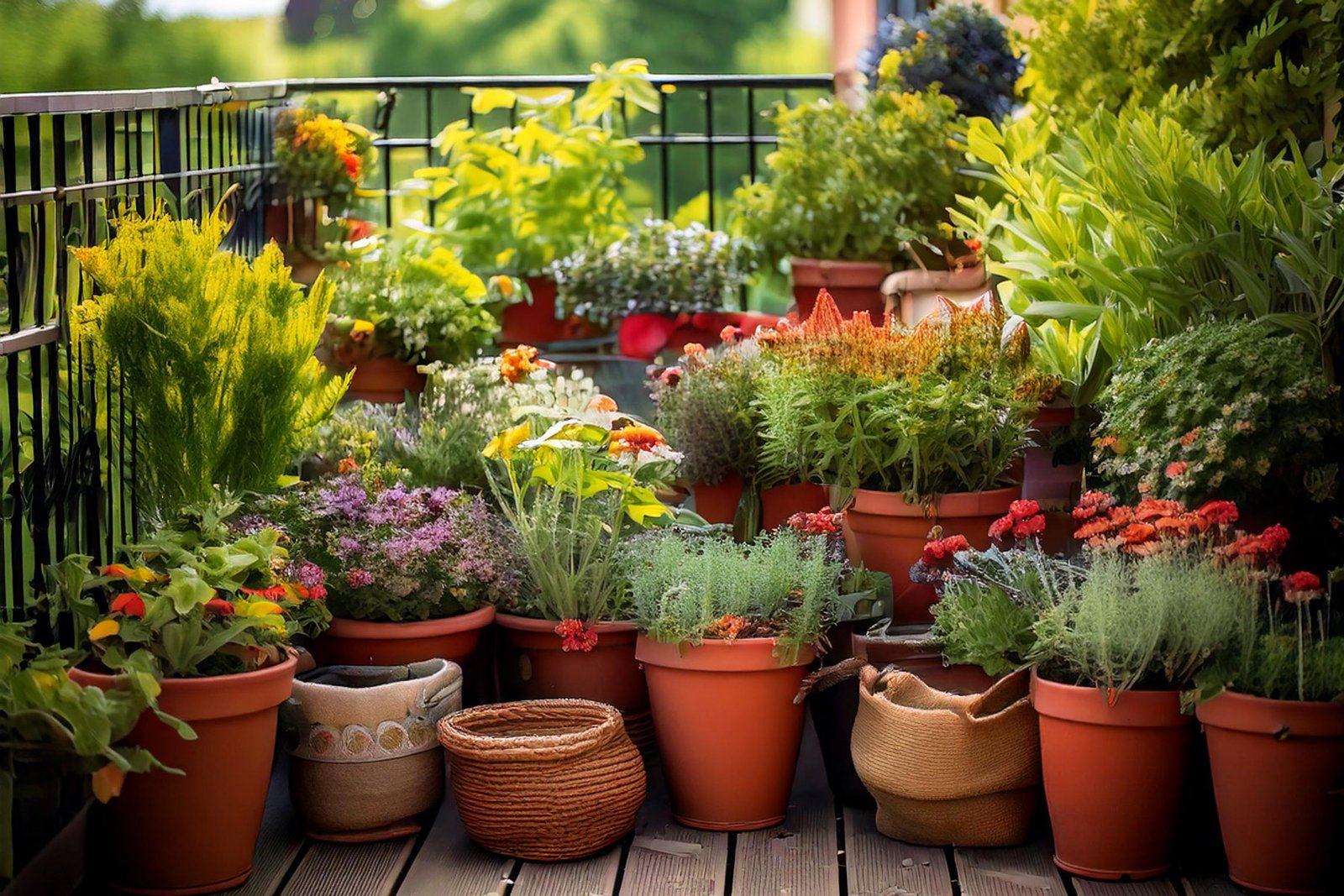
Top 10 Plants to Grow in 1-Gallon Buckets
1-gallon buckets suit herbs and similarly small plants due to limited root space, ideal for balconies, windowsills, or confined patios. Remember proper drainage holes and use lightweight, well-draining potting mixes.
Best Choices:
- Basil – Prefers warmth and sunlight; frequent pinching encourages bushiness and stops flowering.
- Cilantro – Thrives in cooler temperatures; harvest often to avoid bolting.
- Parsley – Germinates slowly but flourishes in shallow containers; offering continuous harvests.
- Chives – A hardy perennial herb; regular cutting encourages new growth.
- Mint – Very invasive in the ground; containers maintain control; favors partial sunlight.
- Thyme – Drought-tolerant after establishing; prevent overwatering.
- Oregano – Like thyme, thrives in full sun and drier soil.
- Dill – Grows tall but shallow roots work; support may become necessary.
- Marjoram – Prefers dry, warm conditions; commonly used in Mediterranean cuisines.
- Sage – Needs drained soil and sunlight; prune to maintain shape.
Tip: Use gravel as a bottom layer of the bucket to help drainage.
:max_bytes(150000):strip_icc()/GettyImages-14913084991-24873d74f5194dce93bdfcc05efdbe20.jpg)
Top 10 Plants to Grow in 3-Gallon Buckets
Offering more root space, 3-gallon buckets work best for shallow-rooted vegetables and petite fruit plants, manageable while providing increased productivity.
Best Choices:
- Lettuce – Grows quickly for recurring harvests.
- Spinach – Thrives in cool weather; continuously plant for recurring harvests.
- Radishes – Fast-growing; harvest at 30 days; thin seedlings to encourage growth.
- Green Onions – Ideal for vertical growth; dense planting offers plenty of scallions.
- Strawberries – Easily managed and compact; choose everbearing variations.
- Dwarf Tomatoes – Small varieties like Patio Princess or Tiny Tim benefit.
- Peppers – Chili and bell peppers adjust accordingly; add support for them as needed.
- Bush Beans – Needs no trellis, productive in small spaces.
- Arugula – This leafy green has a spicy taste; harvest early for maximum flavor.
- Small Succulents – Needs little watering, great for ornamental purposes.
Tip: Ensure all buckets receive a minimum daily sunlight exposure of 6 hours.
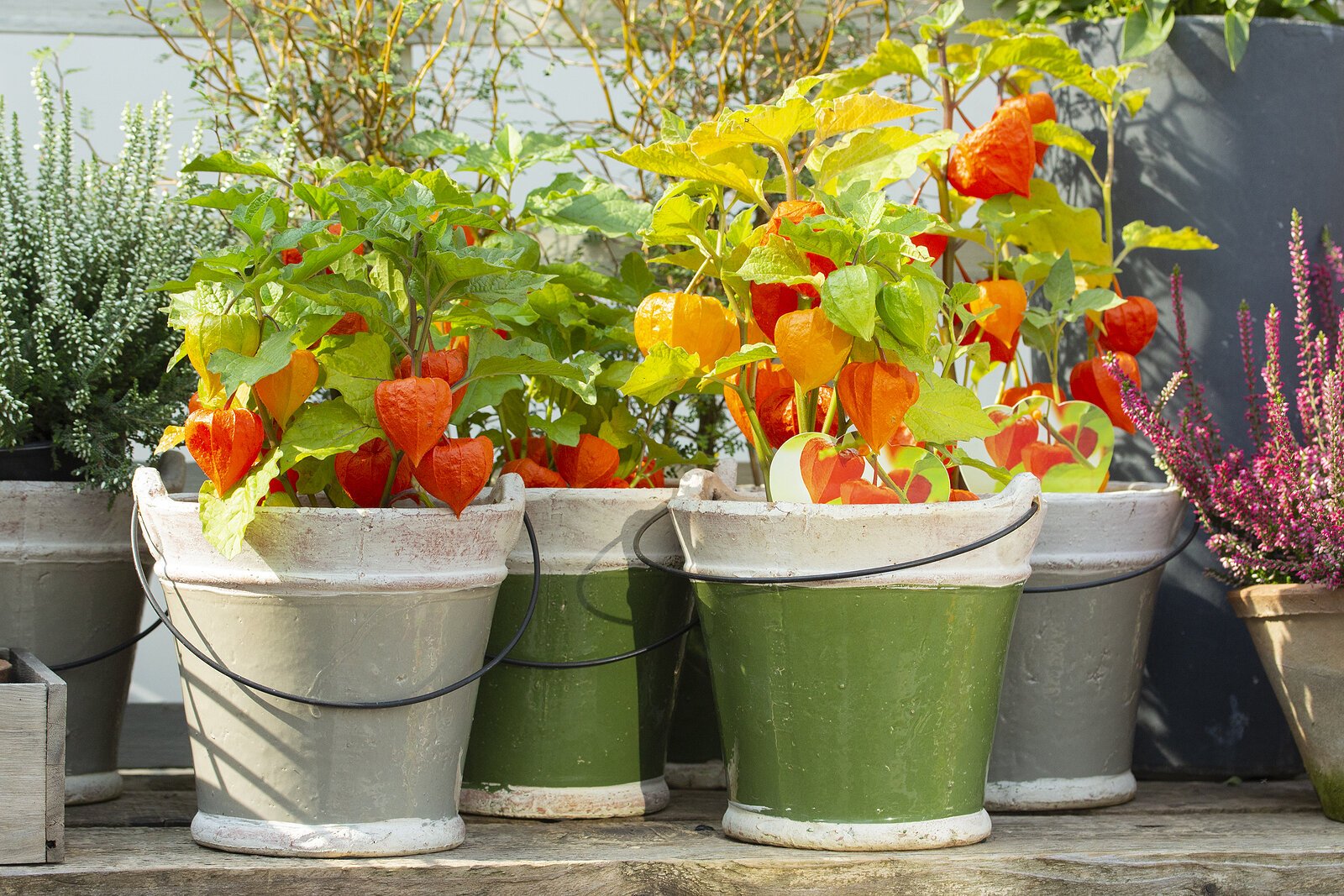
Top 10 Plants to Grow in 5-Gallon Buckets
The 5-gallon bucket serves as the ideal for many container gardeners because the width and depth supports many types of vegetables, with enough soil for the roots.
Best Choices:
- Cherry Tomatoes – Needing support, indeterminate strains offer great snacks and salads.
- Cucumbers – Offer a small trellis; bush kinds function best.
- Zucchini – Because these heavy feeders grow better one per bucket, routinely fertilize.
- Eggplants – Requiring support, thrive in warmer weather with their fruit-heavy branches.
- Carrots – Plant shorter kinds (Thumbelina or Nantes); the deep soil averts deformations.
- Beets – For consistent harvesting, continuously plant roots for vegetables and edible greens.
- Kale – Continue growth by harvesting outer leaves; partial shade is also tolerated.
- Swiss Chard – Care for similarly to kale; nutritious and colorful.
- Petunias – Great for enhancing the look of backyard environments and adding color.
- Marigolds – These act as pest deterrents for plants; beauty also is an added bonus.
Tip: Employ compost and potting soil for nutrient retention and optimal moisture.
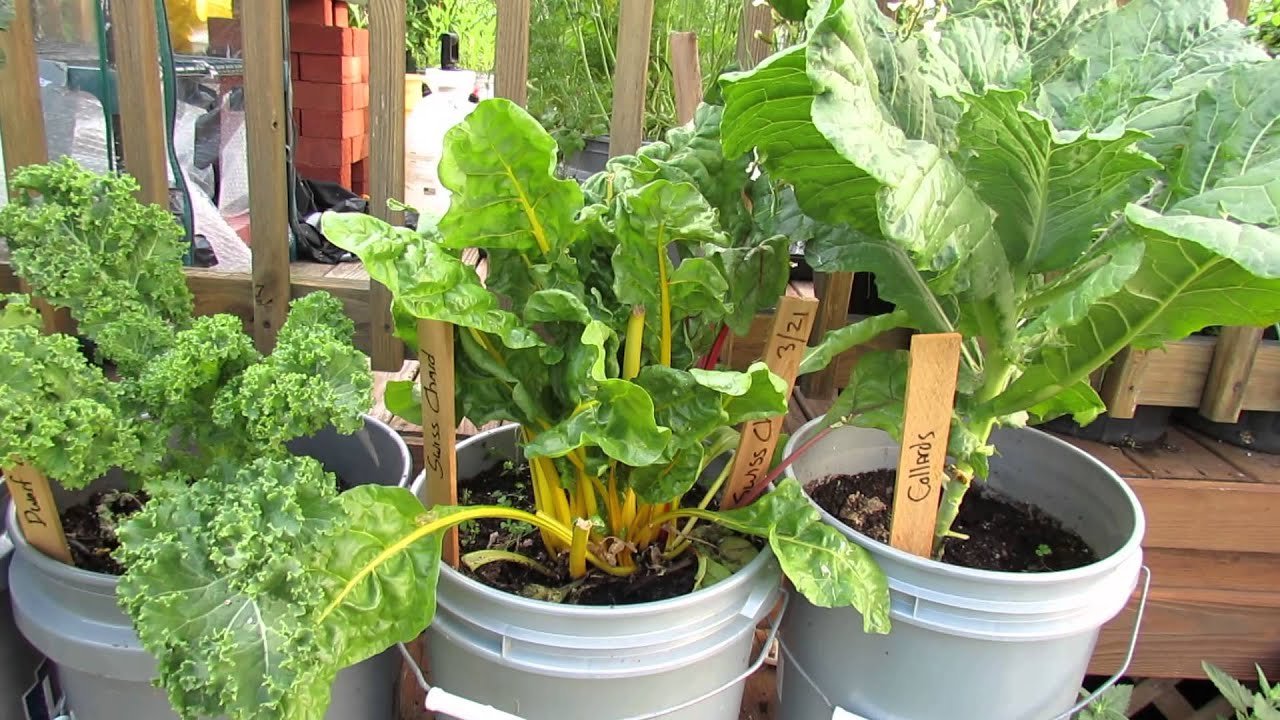
Top 10 Plants to Grow in 10-Gallon Buckets
The soil in 10-gallon buckets supports hardy herbs alongside medium-sized plants that bear fruit by keeping the water and nutrients inside for extended amounts of time
Best Choices:
- Bush Tomatoes – Cages and stakes combined with more room means great harvests.
- Bell Peppers – Consistency along with deep soil greatly improves this pant.
- Dwarf Citrus Trees – Meyer lemon and Calamondin strains succeed in pots with bigger sizes.
- Potatoes – Hill them as they grow and begin some inches in the dirt.
- Broccoli – Cut down on sprouts and primary head first; prefers cool weather.
- Cauliflower – Maintaining consistent moisture stops high heats from coming to the plant.
- Cabbage – Enrich the earth on a routine basis when eating massive parts of the soil.
- Dwarf Sunflowers – For pollinator attraction and space brightening.
- Lavender – Needs drier areas and aromas, a good fit with areas of direct sunlight.
- Rosemary – Shape the roots with frequent pruning; contains deep root systems and forest material.
Tip: Use coffee filters or mesh to keep draining water from taking the soil with it.
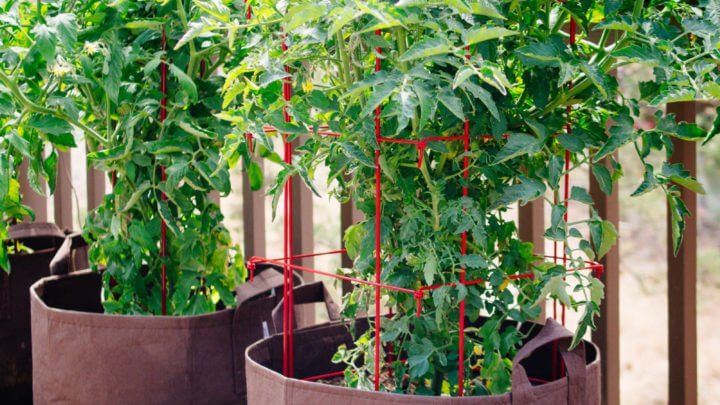
Top 10 Plants to Grow in 15-Gallon Buckets
They are suited particularly towards shrubs, huge plants, and little trees. The containers double as minuscule beds given that they have sufficient drainage and rich soil.
Best Choices:
- Dwarf Fruit Trees – Given special care and pruning, nectarines, peaches, and apples thrive.
- Blueberries – Changing acid appropriately means using pine and peat to modify PH levels.
- Raspberries – Use thornless strains to be more suitable towards containers such as the shortcake plant.
- Fig Trees – Can be made smaller by frequently cutting sizes and shapes of the shrub.
- Large Tomatoes – Requiring staking on a frequent basis is important given that the deeper soils allow beefsteak and heirloom types to flourish.
- Squash – Save space efficiently with trellises although planting one for each bucket.
- Melons – Utilizing trellis, bush categories work but specifically for mini watermelons or cantaloupes.
- Artichokes – Offering consumable nubs and distinctive rewards that extend well into the seasons with planting.
- Hibiscus – They like that space; blooms, needs very steady watering.
- Hydrangeas – Damp and fairly acidic soil makes ornamental stunning shrubs.
Tip: Consistently shift the plants for equalized lighting which are bigger.
:max_bytes(150000):strip_icc()/tomatoes2-2b359a1a1a8e4395835cb9bf4077059a.jpg "No yard? No problem! Grow these 50 plants no matter your pot size")
Tips for Successful Container Gardening
For container gardens to prosper and thrive, one should adhere to the rules. Pick the proper earth which keeps aeration and drainage in order and in strong shape. Keep providing water as ground plants can quickly dry out. To keep pests down, routinely maintain and fix damages made. Change the plants on a regular basis to prevent bending due to light. Be very mindful and conscious given all of the positions of weight particularly in increased areas or patios.
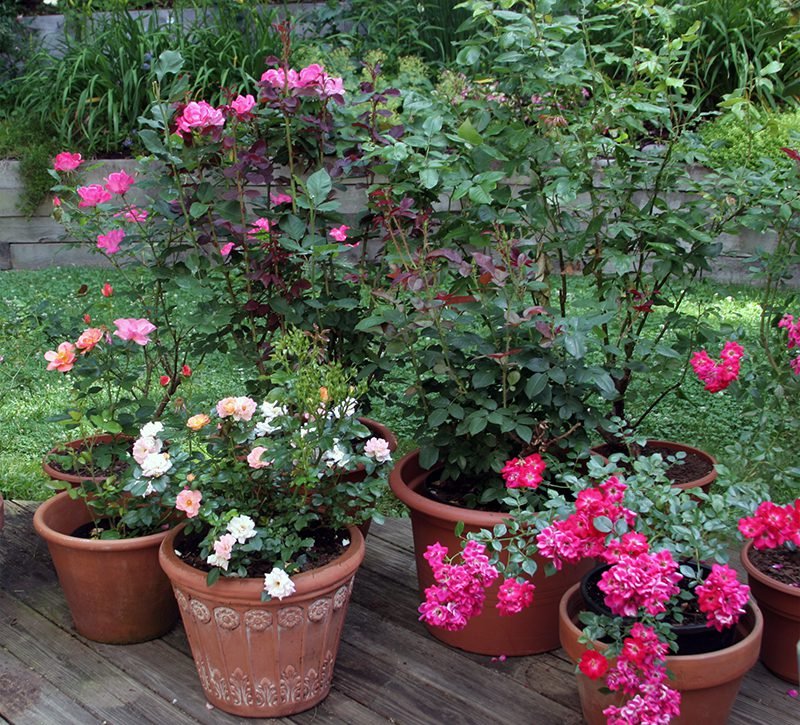
Conclusion: Embrace the Joy of Container Gardening
Container gardens give the rare occasion of growing regardless of being in small regions. By using appropriate pots and comprehending plants one grows an setting, the pleasure comes from interacting and developing within earth’s ecosystem. All are welcome, with any amount of experience, to research parks and grow. `


