

Summer evenings can be delightful, but nothing spoils a warm, breezy night quite like mosquitoes. The constant buzzing, biting, and itching make outdoor relaxation nearly impossible. While insect repellents, sprays, and mosquito traps are effective solutions, some people prefer a more natural approach. This is where certain plants come into play, with lantanas standing out as one of the most effective natural mosquito repellents. But why exactly do mosquitoes hate lantanas, and how do they work to keep these pesky insects at bay?

Lantanas: A Brief Overview
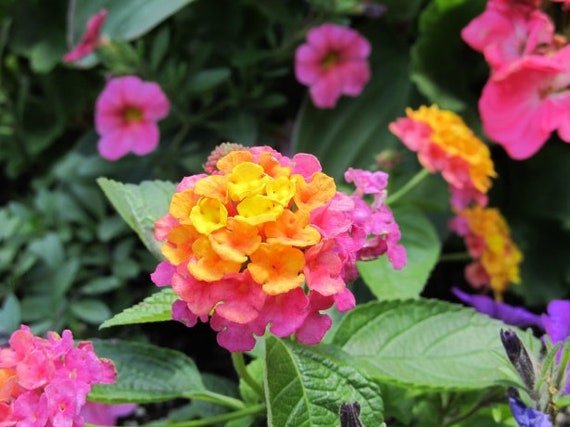
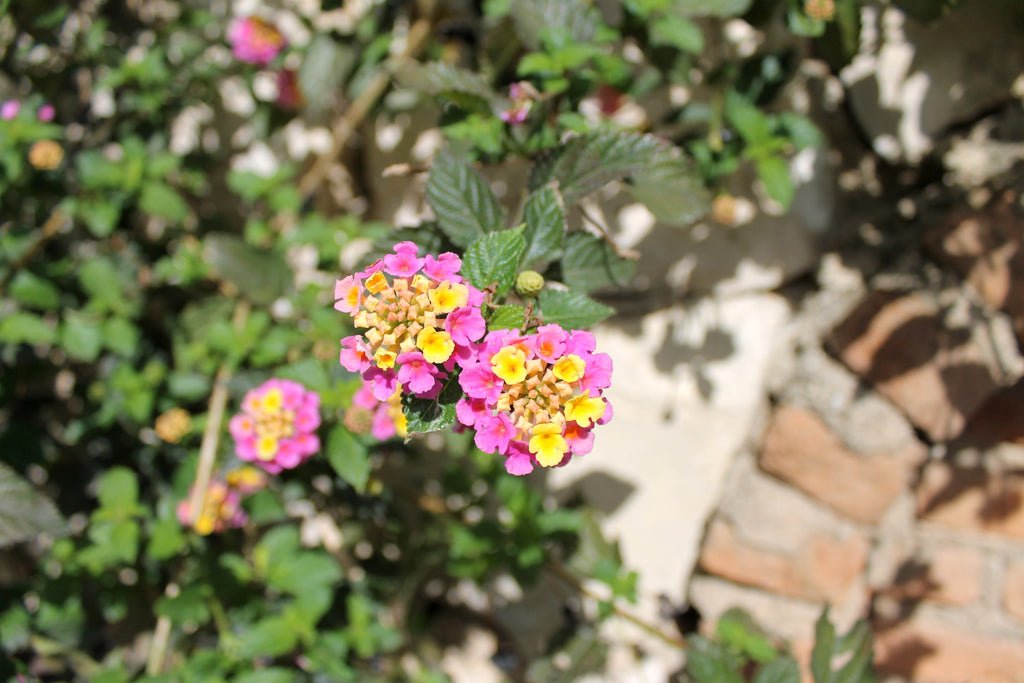
Lantanas (Lantana camara) are vibrant and fragrant flowering plants originating from the tropical areas of the Americas and Africa. Exhibiting colorful blooms in shades of yellow, red, orange, pink, and purple, lantanas are favored in gardens and landscapes for their aesthetic appeal, resilience, and their role in attracting pollinators such as butterflies and bees. However, these visually appealing plants also hide an additional benefit: they act as mosquito repellents.

Why Do Mosquitoes Hate sLantana?
Lantanas are one of several plants that act as natural mosquito deterrents due to a combination of their scent, chemical composition, and oil content.
Essential Oils and Chemical Compounds
A key reason mosquitoes avoid lantanas is the plant’s inherent production of volatile essential oils. Lantanas encompass bioactive elements such as lantadene, citral, and camphor, all known for their insect-repelling qualities.
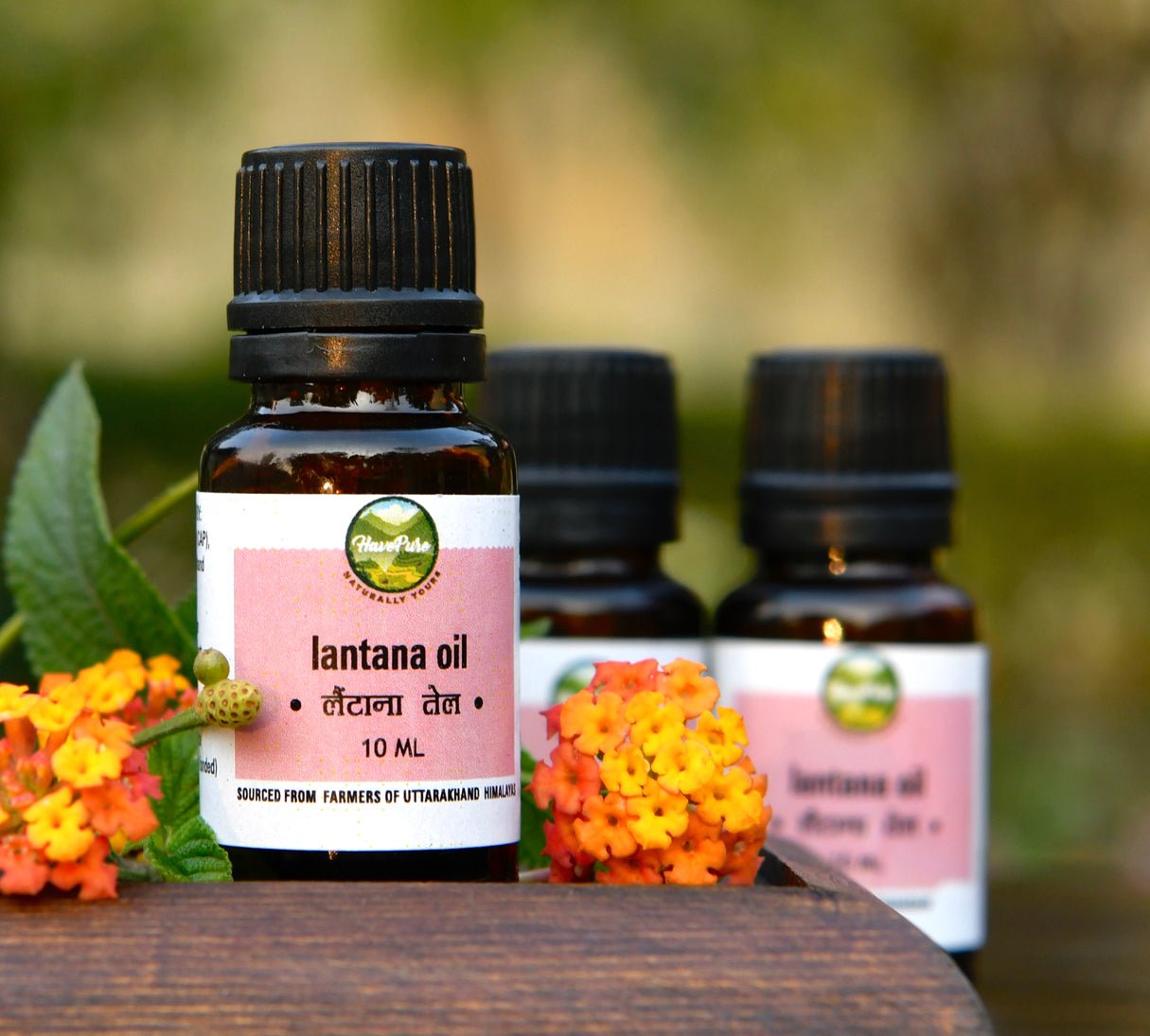
Mosquitoes heavily rely on their olfactory sense to locate hosts for feeding but certain plant-based chemicals can interfere with this sense. The robust aroma emitted by lantana’s flowers and leaves overwhelms mosquito antennae, making it challenging for them to detect prey. Specifically, citral—a compound within lantana oil—has demonstrated mosquito repellent effectiveness. As their sense of smell is disrupted, these plants reduce mosquito bites on humans and animals.
Aroma that Mosquitoes Can’t Stand
While humans and pollinators find the scent of lantana flowers pleasant, mosquitoes find it disagreeable. Lantanas emit a strong, citrus-like scent that repels mosquitoes from surrounding areas, differentiating it from floral aromas that generally attract them. Further, the crushed leaves of lantana release a more concentrated odor that mosquitoes find particularly unpleasant. This natural defense benefits both the plant and creates a mosquito-free environment.
:max_bytes(150000):strip_icc()/plants-that-repel-bugs-insects-chrysanthemums-GettyImages-2203736602-c7ed358bac4a4b28914369229f97967b.jpg)
Natural Barrier Effect
Because of their full foliage, lantana plants form a natural barrier, which can help to decrease mosquito populations in gardens and outdoor spaces. Mosquitoes usually prefer dark, moist environments, while lantanas produce a brighter, well-ventilated atmosphere. The thick foliage disrupts areas where mosquitoes prefer to rest and reproduce and discourages them from inhabiting locations where lantanas are planted.
Low Water Retention in Soil
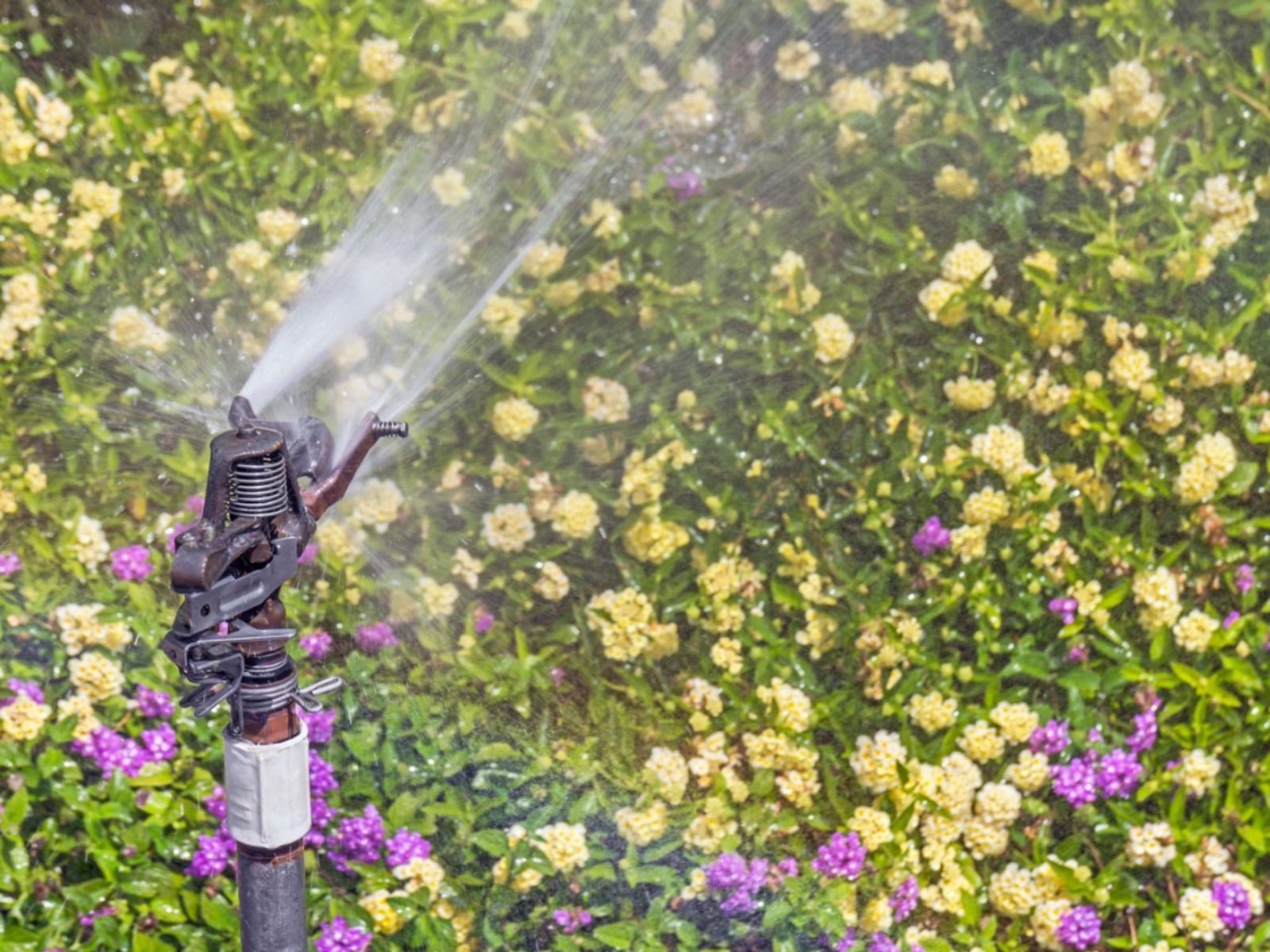
Lantanas are able to survive extended periods without water needing little moisture to flourish. Considering mosquitoes reproduce in standing water, lantanas, which thrive in drier conditions, create an unsuitable breeding area. This indirect effect helps to lower the overall number of mosquitoes where lantanas are planted.
Scientific Studies Supporting Lantanas as Mosquito Repellents
Studies have reinforced the efficiency of lantanas in repelling mosquitos. In a prominent study originating in the Journal of the American Mosquito Control Association, it was discovered that lantana camara extracts diminished mosquito biting by nearly 94% for over two hours after application. Another study, conducted in Tanzania, revealed that houses encircled by lantana plants contained fewer mosquitoes as opposed to properties without, highlighting its actual value as a natural repellent.
The deterrent qualities of lantanas were specifically effective against Aedes mosquitoes, which spread diseases like dengue fever, Zika virus, and chikungunya. The plant is particularly valuable in areas that commonly encounter these diseases, and it acts as a non-toxic, eco-conscious alternative to chemical insecticides.

How to Use Lantanas in Your Garden to Repel Mosquitoes
You can easily incorporate lantanas into your garden or outdoor space to capitalize on their mosquito-deterrent abilities. Here are a few suggestions to optimize their effectiveness:
Plant Lantanas Near Gathering Areas
Position lantanas within pots or garden around patios, seating, or dining areas where people often congregate. The proximity of the plants will aid in deterring mosquitoes from these frequently used areas.
:max_bytes(150000):strip_icc()/Lantana-11-653dc4810c3e4555bf75493ff937ba8e.jpg "Mosquitoes hate these plants. Here's why")
Create a Border of Lantanas
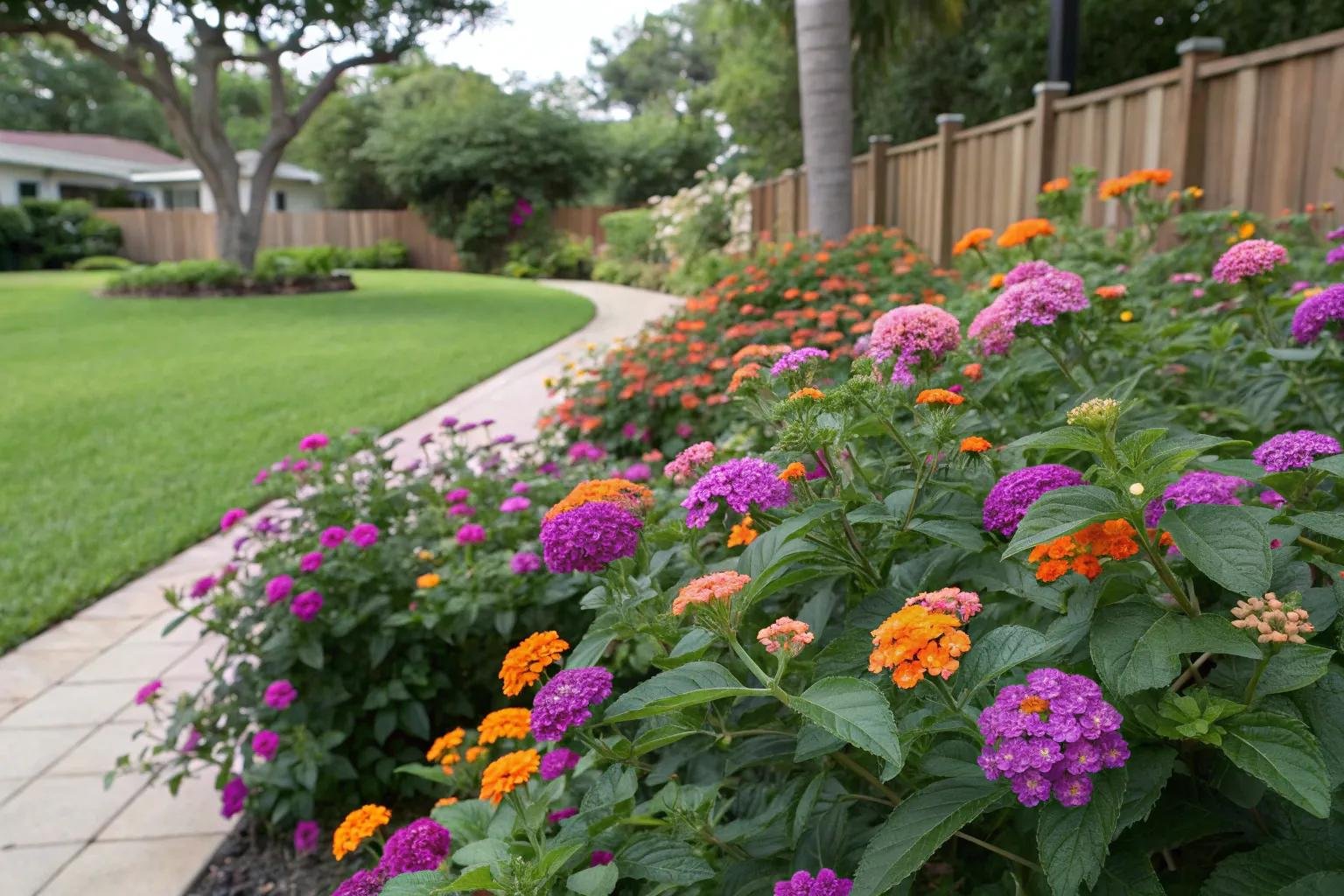
Grow lantanas along the perimeter of a yard or garden to naturally stop mosquitoes. The plant’s dense growth will aid in keeping mosquitoes off of properties.
Combine with Other Mosquito-Repelling Plants
Lantanas work well alongside other mosquito-repelling plants such as lavender, citronella, marigolds, and basil. Uniting the plants forms a remarkable mosquito-free zone and contributes extra perks to your garden such as attracting pollinators and improving its overall look.
Prune and Crush Leaves for Maximum Effect
Prune lantana or crush leaves for the best repellent effect. The plant emits a strong odor when pruning or crushing leaves.

A Note on Lantana Toxicity
While lantanas are extremely effective in repelling mosquitoes and are beautiful additions to a garden, one must understand the plant can be poisonous to humans and pets if consumed. Lantana leaves and unripe berries possess toxic components that may trigger gastrointestinal problems if consumed in large amounts. If you have children or pets, it is best to keep lantanas out of their reach.
Conclusion
Lantanas act as a remarkably effective, earth-friendly, and aesthetically pleasing way to deter mosquitoes from an outdoor space. With its remarkable mosquito-repelling fragrance, oils, and thick foliage, lantanas act as a natural barrier against insects. Not only do they promote a better outdoor environment, but also contribute color to the garden. By strategically planting and properly caring for the plant, enjoy a pleasant summer with fewer bugs. `


