

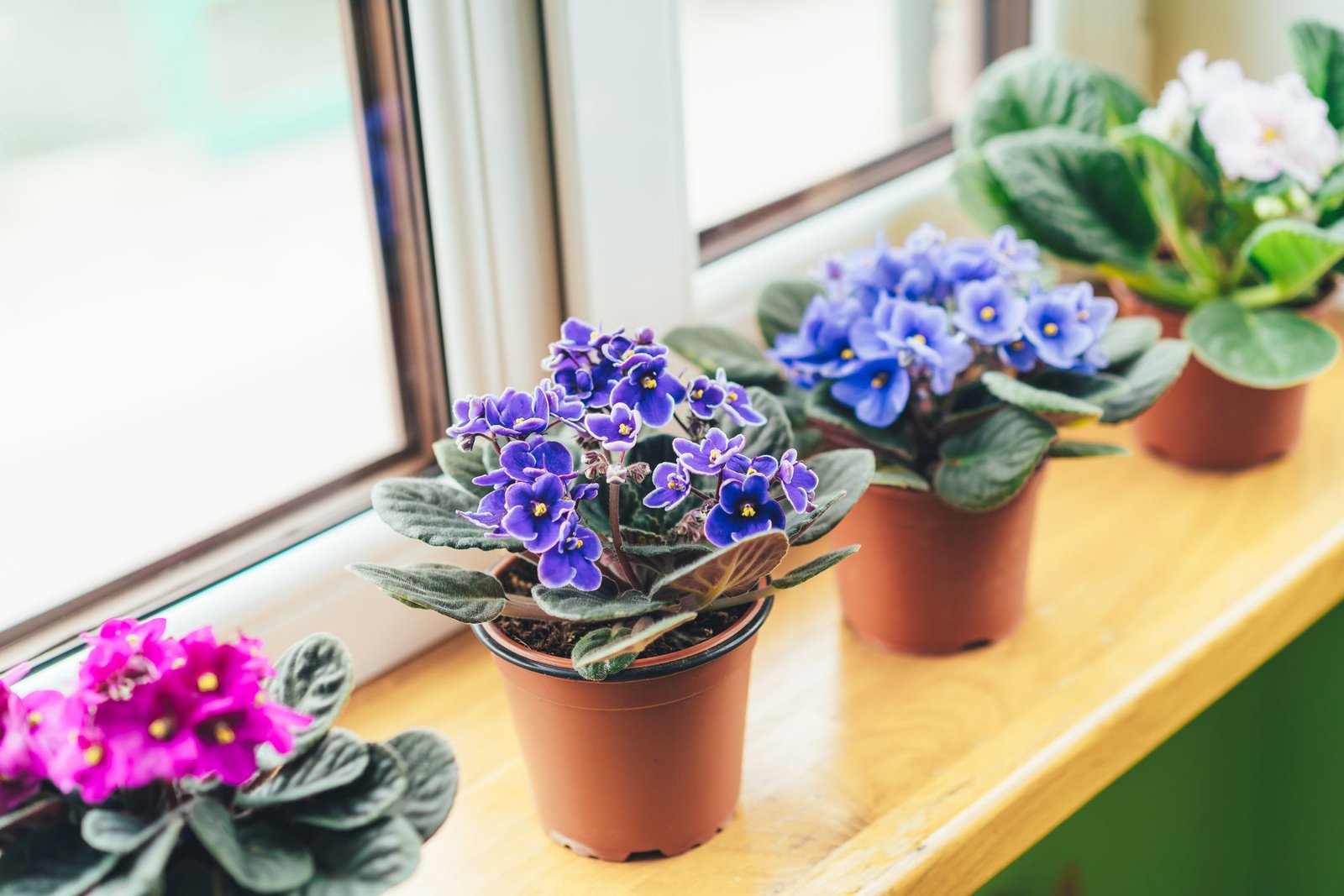
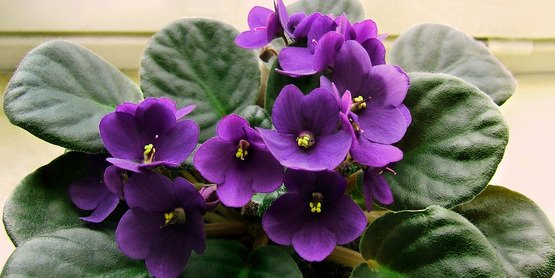
Scientifically known as Saintpaulia, African violets are popular houseplants admired for their vibrant flowers and rich foliage. Originating from the tropical areas of East Africa, these plants have become common in homes globally due to their ability to bloom throughout the year when given the correct environment.
Proper African violet care requires maintaining a good balance of light, water, and nutrients. They flourish in bright, indirect light and benefit from a regular watering schedule that keeps the soil damp but not saturated. Achieving consistent flowering involves understanding and meeting their specific needs, replicating their natural habitat as closely as possible.
The Secret Ingredient: Epsom Salts
My grandmother’s trick for maintaining continuous blooms on her African violets involves using an item readily found in most homes: Epsom salts. Magnesium sulfate, known as Epsom salts, has been used as a gardening aid for many years to boost plant development. While many gardeners prioritize basic elements like light and water, my grandmother found that incorporating Epsom salts into her regimen resulted in a noticeable improvement in the health and flowering of her African violets. This affordable and easily accessible ingredient is her preferred method for promoting abundant blooms.
How Epsom Salts Benefit African Violets
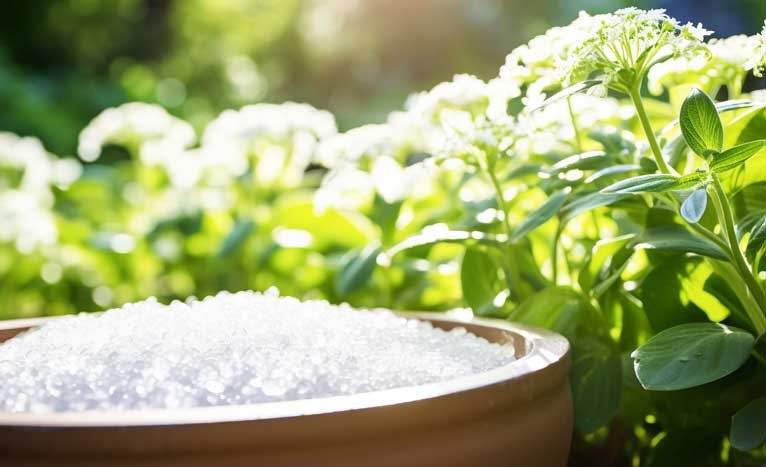
African violets benefit from Epsom salts because they provide important nutrients that are often lacking in typical potting soil. Magnesium, an essential part of Epsom salts, plays a vital role in photosynthesis as the core atom of chlorophyll. This improves the plant’s capacity to transform light into energy, promoting stronger growth and more regular flowering. Sulfur, another element in Epsom salts, contributes to the creation of enzymes and proteins, further reinforcing healthy plants. Supplementing African violets with Epsom salts ensures they receive these critical nutrients, leading to richer and continuous blooms.
Step-by-Step Guide to Using Epsom Salts for Continuous Blooming
For effectively applying Epsom salts to your African violets, follow these directions:
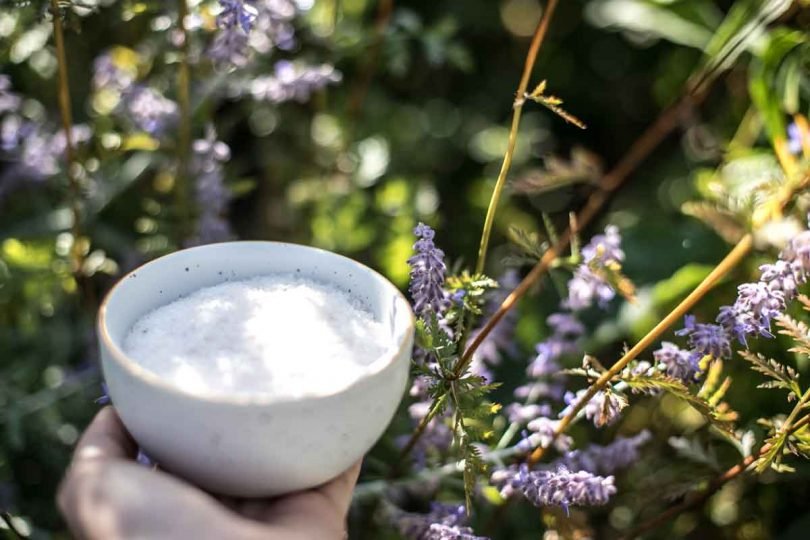
- Mix 1 tablespoon of Epsom salts into one gallon of water until dissolved.
- Use this mixture to water your African violets once a month, replacing your usual watering procedure.
- Always ensure the soil remains evenly moist but not excessively wet, as African violets dislike sitting in standing water.
- Observe your plants in the following weeks for indications of better condition and increased flower production.
By adding this practice to your maintenance approach, you can support your African violets to flourish and bloom more regularly.
Common Mistakes When Using Epsom Salts
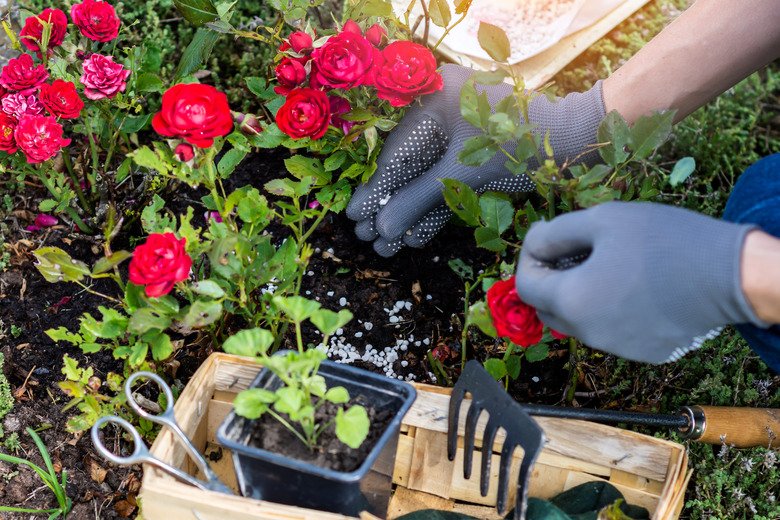
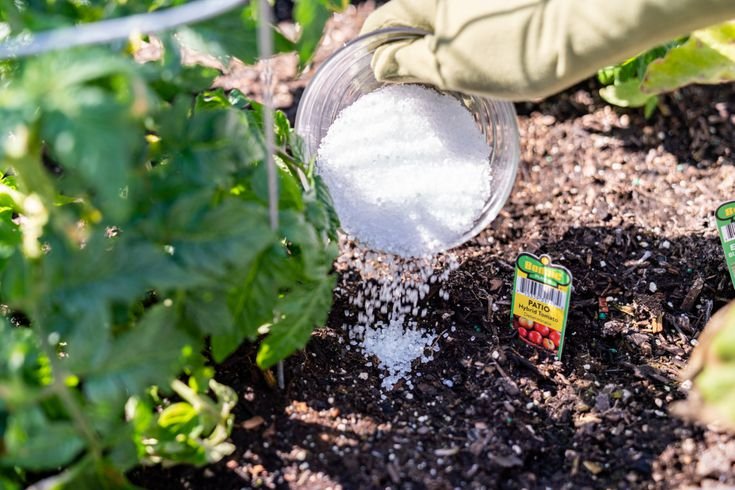
Though Epsom salts are beneficial, it is essential to avoid mistakes that could damage your plants. Overusing Epsom salts may lead to a nutrient imbalance, which can be more detrimental. Always adhere to the suggested dose and frequency to prevent fertilizer burn. Make sure the Epsom salt mix is properly mixed to prevent uneven dispersion, resulting in inconsistent results. Keep in mind that Epsom salts function as a supplement, not a substitute for a comprehensive fertilizer routine.
What to Avoid for Healthy African Violets
To maintain your African violets in good condition, avoid:
- Exposing them to direct sunlight, which could burn their leaves.
- Overwatering, as overly wet soil can cause root decay.
- Using cold water for watering, as this could distress the plants; instead, use water at room temperature.
- Moving your plants too often to ensure stability.
By avoiding these typical inaccuracies, you can promote an ideal habitat for your African violets to grow.
Conclusion: Achieving Beautiful Blooms with Epsom Salts
Adding Epsom salts to your African violet care can dramatically improve their blooms’ consistency and vibrancy. By providing key nutrients that aid photosynthesis and enzyme production, Epsom salts enable your plants to realize their full potential. Remember to apply Epsom salts sparingly and as part of an encompassing care regimen that integrates suitable lighting, watering, and fertilization. With these guidelines and my grandmother’s proven method, you can enjoy the beauty of blooming African violets throughout the year. `


