

In the vast natural world, some plants are notable not just for their beauty, but for their fascinating stories and contributions. Among these is the Stone Breaker plant, scientifically known as Phyllanthus niruri. This unassuming plant, typically found in tropical areas, has drawn attention from botanists, herbalists, and nature lovers. Its resilience, adaptability, and various uses make it a wonder of nature. This article explores the amazing story of the Stone Breaker plant and its importance in both nature and human culture.
The Fascinating World of the Stone Breaker Plant
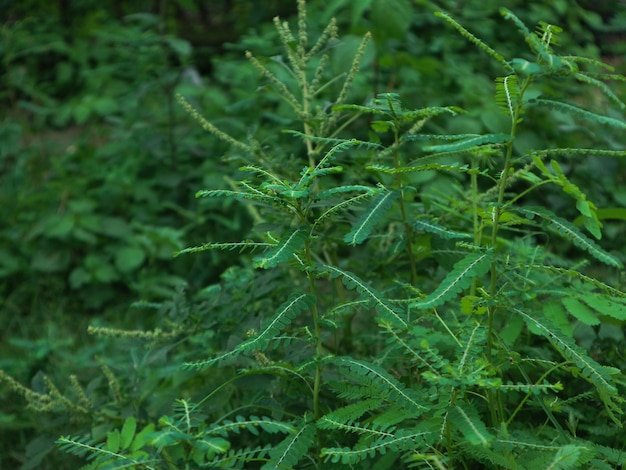
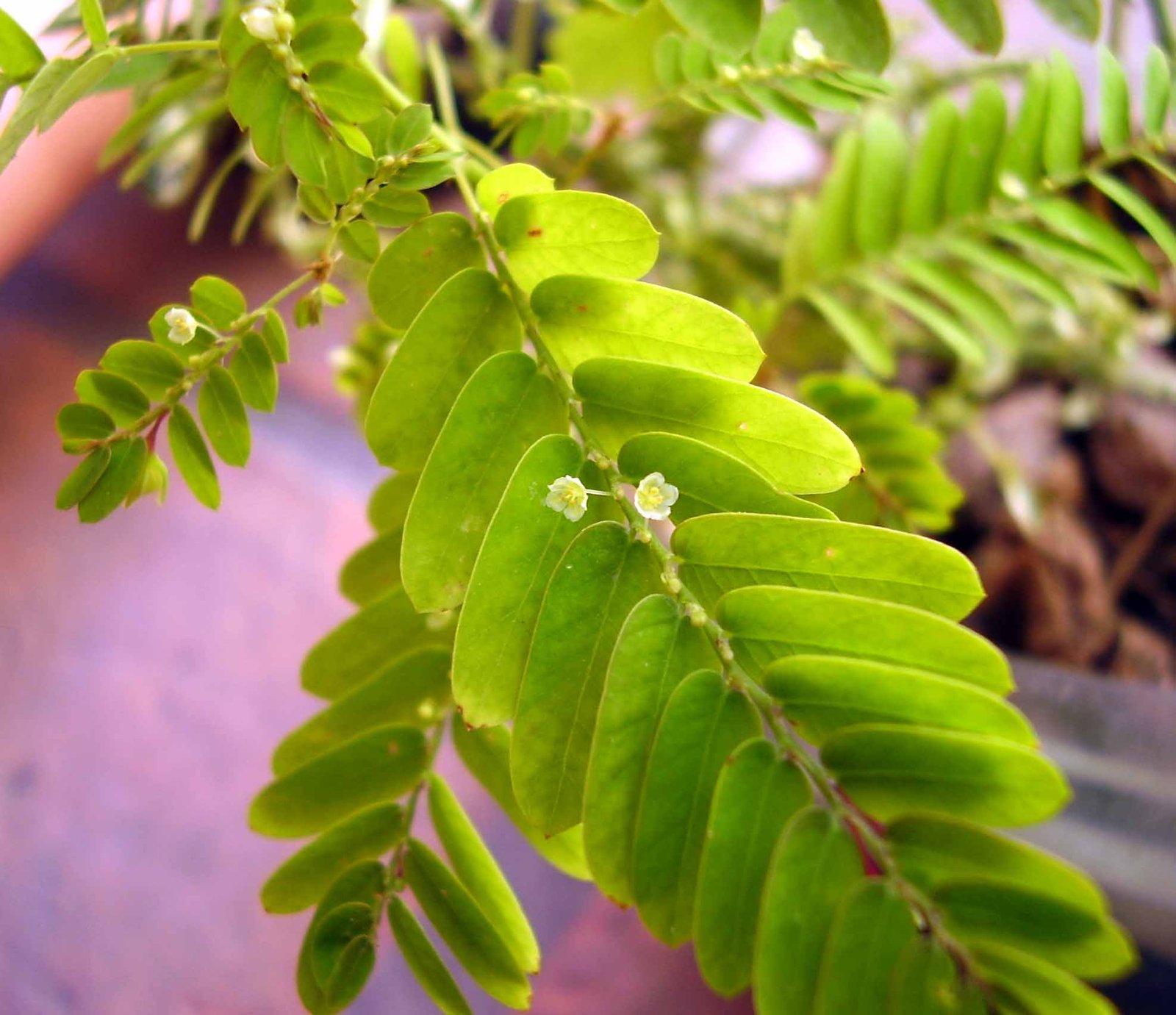
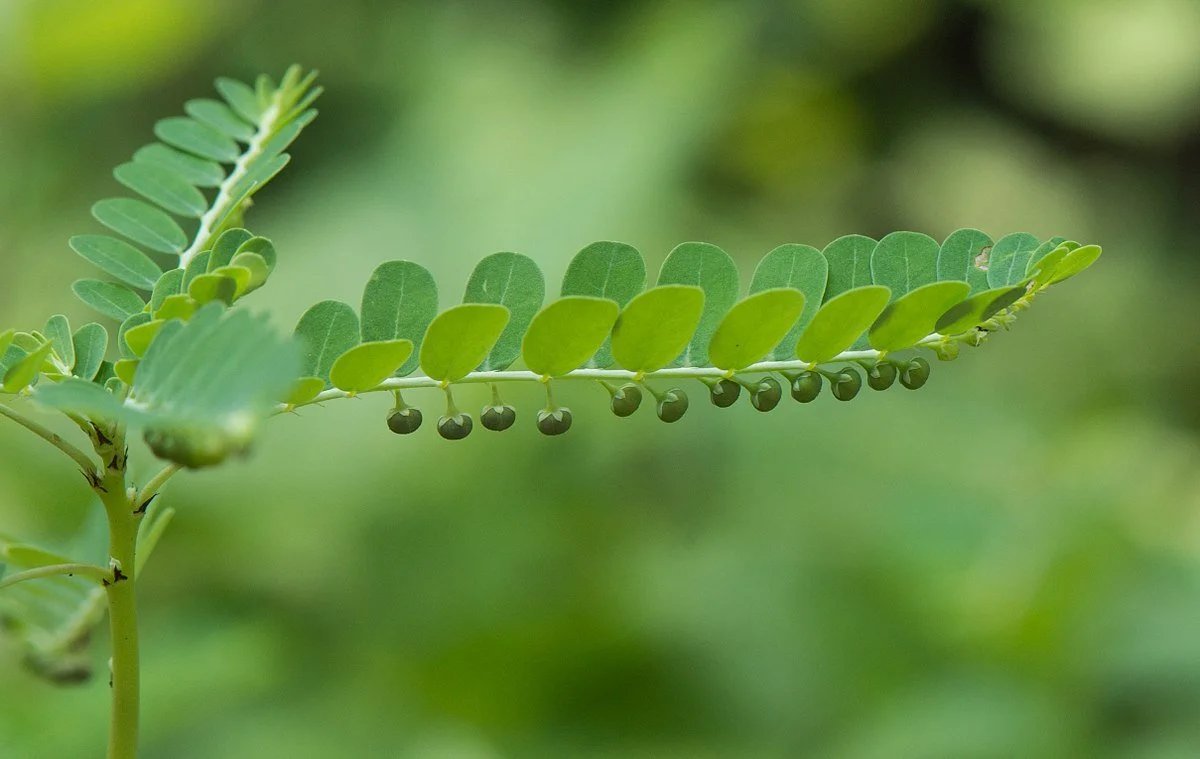
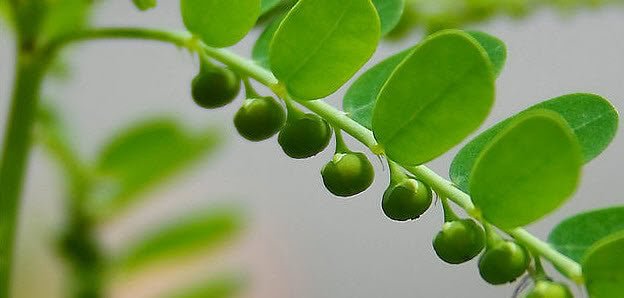
The Stone Breaker plant, often called ‘Chanca Piedra’ in Spanish, is a small herb that commonly grows in the wild, thriving in sunny, tropical climates. It is known for its small, green leaves and tiny fruits located on the underside of its branches. Despite its humble appearance, this plant has an interesting life cycle and growth pattern, allowing it to thrive in different environments. Researchers studying plant resilience and adaptability find its adaptability particularly interesting.
Historical Significance and Cultural Impact
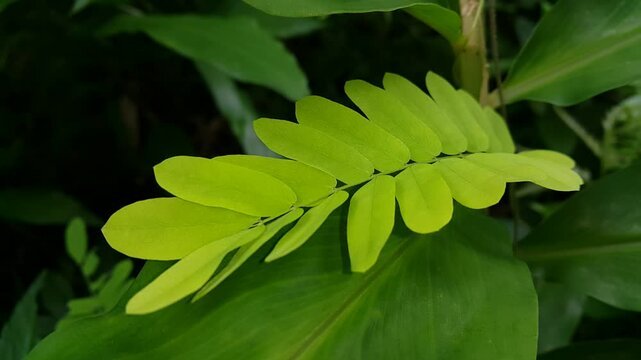
Throughout history, the Stone Breaker plant has been valued in numerous cultures for its health benefits. For centuries, native communities in the Amazon rainforest and other tropical areas have used it as a natural treatment for various conditions. The plant’s name, ‘Chanca Piedra,’ which means ‘stone breaker,’ shows its traditional use in treating kidney and gallstones. Its cultural significance goes beyond its medicinal uses, appearing in folklore and traditional practices as a symbol of healing and resilience.
Unique Characteristics of the Stone Breaker Leaves
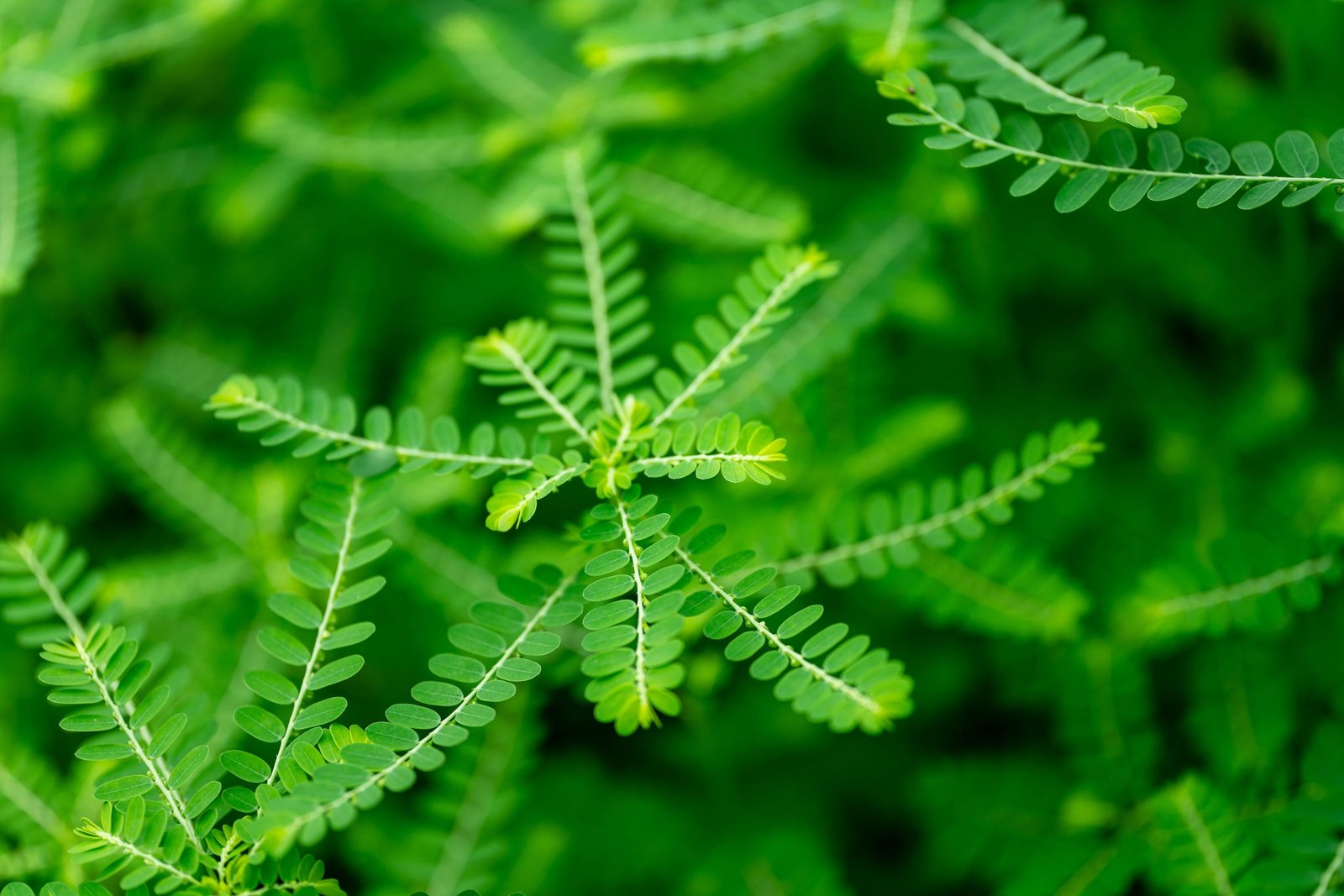
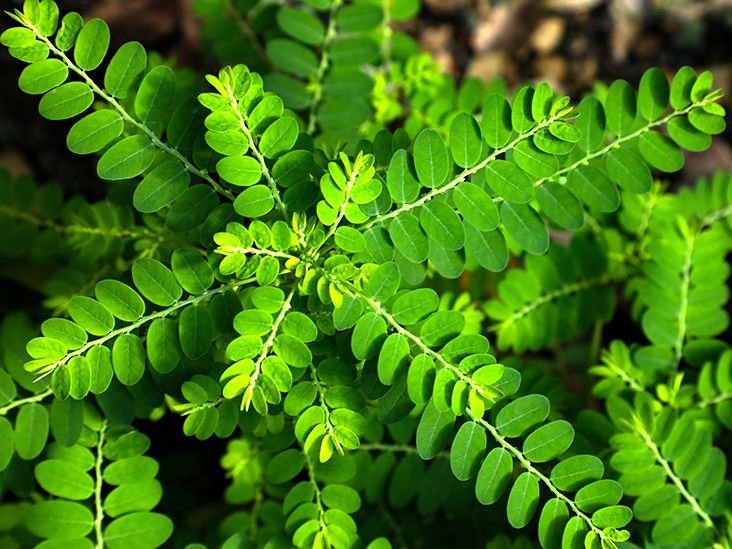
The Stone Breaker plant’s leaves are small, elliptical, and arranged alternately along the stem. A unique characteristic is their ability to efficiently capture and use sunlight, even in shaded areas. This efficient photosynthesis enables the plant to prosper in various conditions. Furthermore, the leaves contain multiple phytochemicals that contribute to the plant’s medicinal value, making them a key focus for scientists researching natural remedies.
Medicinal Properties and Health Benefits
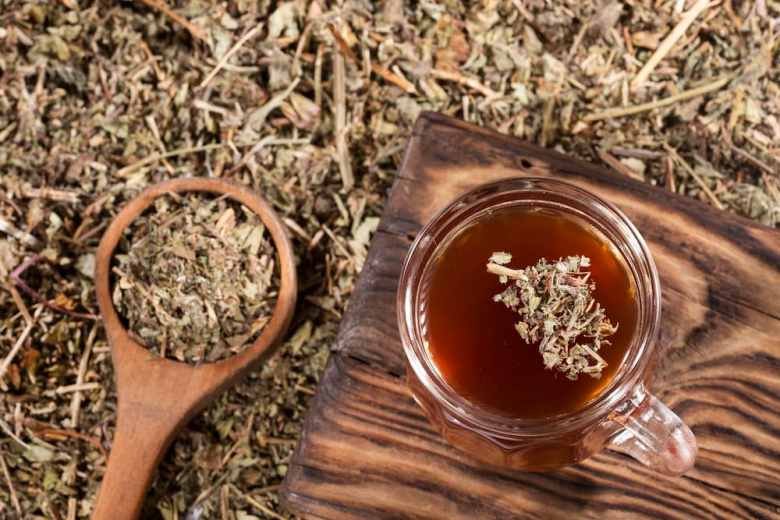
The Stone Breaker plant is well-known for its wide range of medicinal properties. It is traditionally used to help liver health, improve digestion, and support kidney function. Modern research has found several bioactive compounds in the plant, including lignans, flavonoids, and alkaloids, which contribute to its therapeutic effects. Studies have shown that these compounds may help lower inflammation, protect against oxidative stress, and prevent kidney stone formation, supporting its traditional uses and highlighting its potential as a natural health treatment.
Ecological Role and Environmental Importance
Besides its medicinal applications, the Stone Breaker plant has a vital ecological function in its native environments. It functions as a ground cover, preventing soil erosion and maintaining soil fertility. This plant also provides habitat and food for various insects and small animals, enhancing the biodiversity of the ecosystems where it is found. Its presence in the wild indicates a healthy, balanced environment, emphasizing its role in maintaining ecological stability.
Cultivation and Conservation Efforts
Due to its increasing popularity and demand, there have been efforts to cultivate the Stone Breaker plant outside of its native regions. Cultivation methods focus on sustainability to protect the plant’s natural habitats from depletion. Conservation initiatives are also in place to shield wild populations from overharvesting and habitat destruction. These efforts aim to maintain the plant’s genetic diversity and ensure its availability for future generations.
Challenges and Threats to the Stone Breaker Plant
Despite its resilience, the Stone Breaker plant is facing numerous challenges and threats. Habitat loss because of deforestation and agricultural expansion is a major risk to its wild populations. Overharvesting, driven by its medicinal demands, can also deplete natural resources. Climate change poses a threat, as modified weather patterns can affect its growth and distribution. Overcoming these challenges requires coordinated conservation efforts and sustainable harvesting methods.
Conclusion: The Incredible Story of the Stone Breaker
The Stone Breaker plant showcases nature’s ingenuity and resilience. Its extraordinary story, defined by its adaptability, medicinal benefits, and ecological value, emphasizes the complex relationships between plants and their environments. As we continue to study this remarkable plant, it reminds us of nature’s wonders and the need to protect our natural world. The Stone Breaker plant’s journey from traditional medicine to current scientific interest underscores its lasting importance and the potential it holds for future discoveries. `


