

For those with limited space or unfavorable soil conditions, growing lavender in pots presents a fantastic solution. Lavender planted in pots thrives on patios, balconies, or any sun-soaked area, enhancing your home with its beauty and tranquil aroma. This guide will provide you with all the necessary information for cultivating a spectacular potted lavender, covering topics from variety selection to its harvest and diverse applications.

Selecting the Right Lavender Variety for Pots
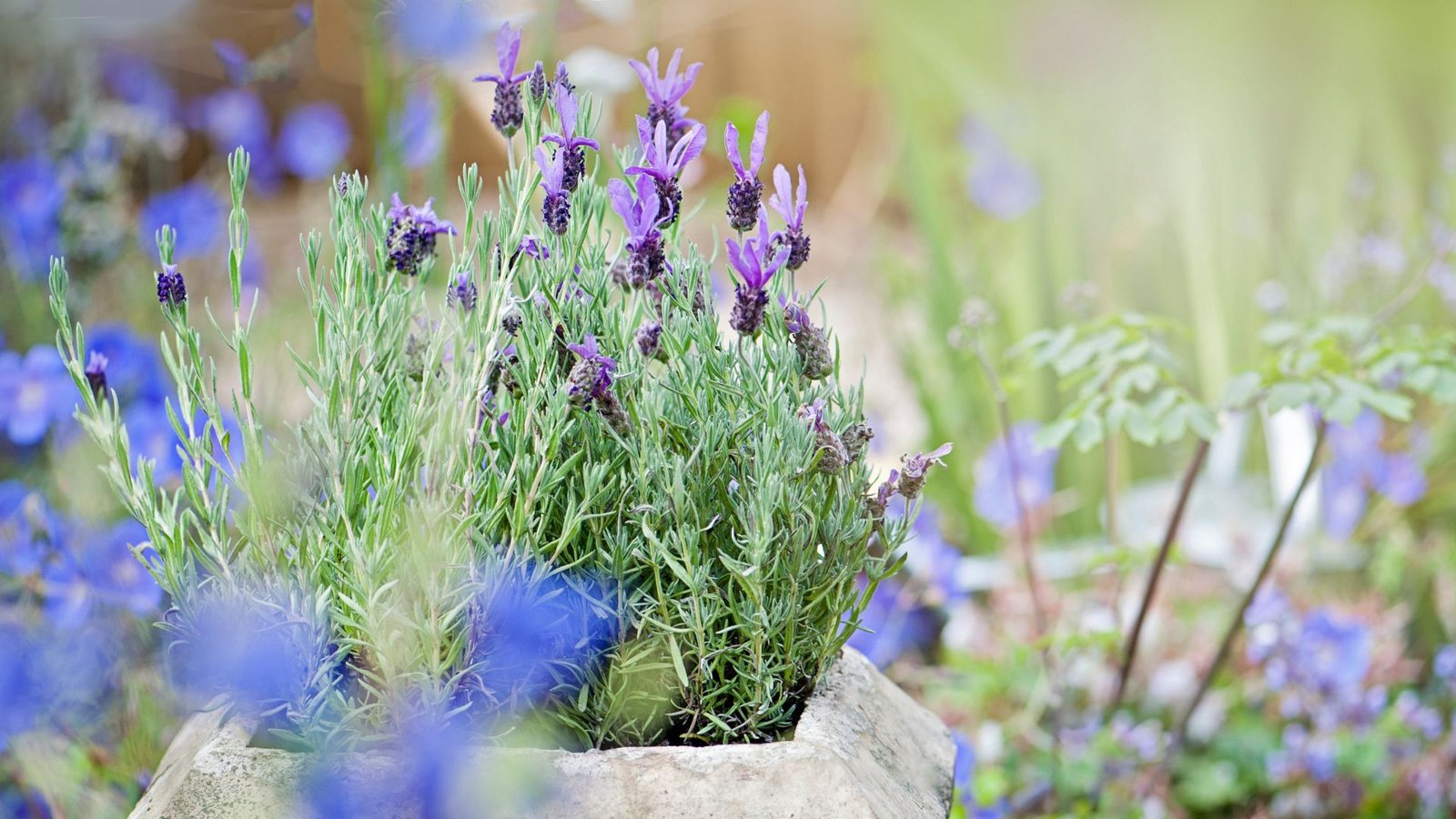
Not all lavender types are suitable for growing in containers. If potting lavender, opt for smaller species like ‘Hidcote’, ‘Munstead’, or ‘Little Lottie’. These are well-known for their compact dimensions and robust growth within the confines of a pot. For container planting, English lavender (Lavandula angustifolia) is highly recommended for its hardiness and wonderfully scented blooms. As some lavender species tolerate heat or cold better than others, take into account your local climate and environmental conditions during variety selection.
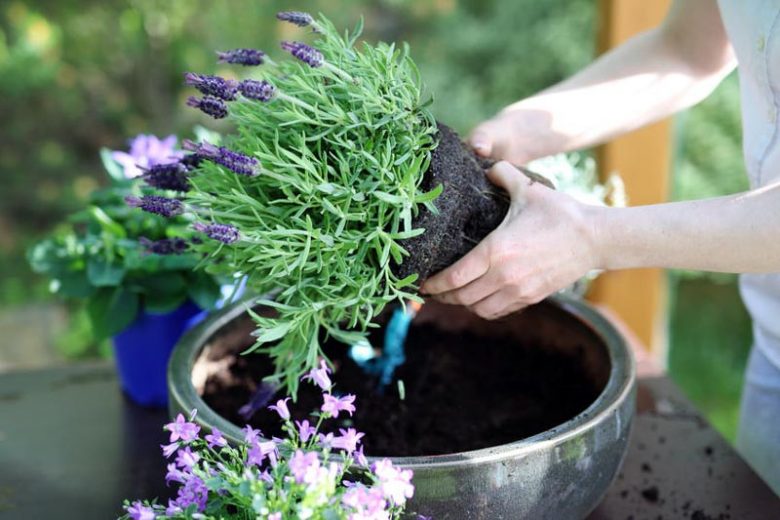
Choosing the Perfect Pot for Your Lavender Bush
The overall health of your lavender depends largely on selecting the correct pot. Ensure it’s at least 12 inches wide and incorporates multiple drainage holes to hinder water buildup. Terracotta pots are great because of their porous nature, which facilitates the evaporation of excess moisture and supports lavender’s need for drier conditions. The pot also needs to be sturdy enough to safely contain the plant as it matures; a water-catching saucer is another useful addition.
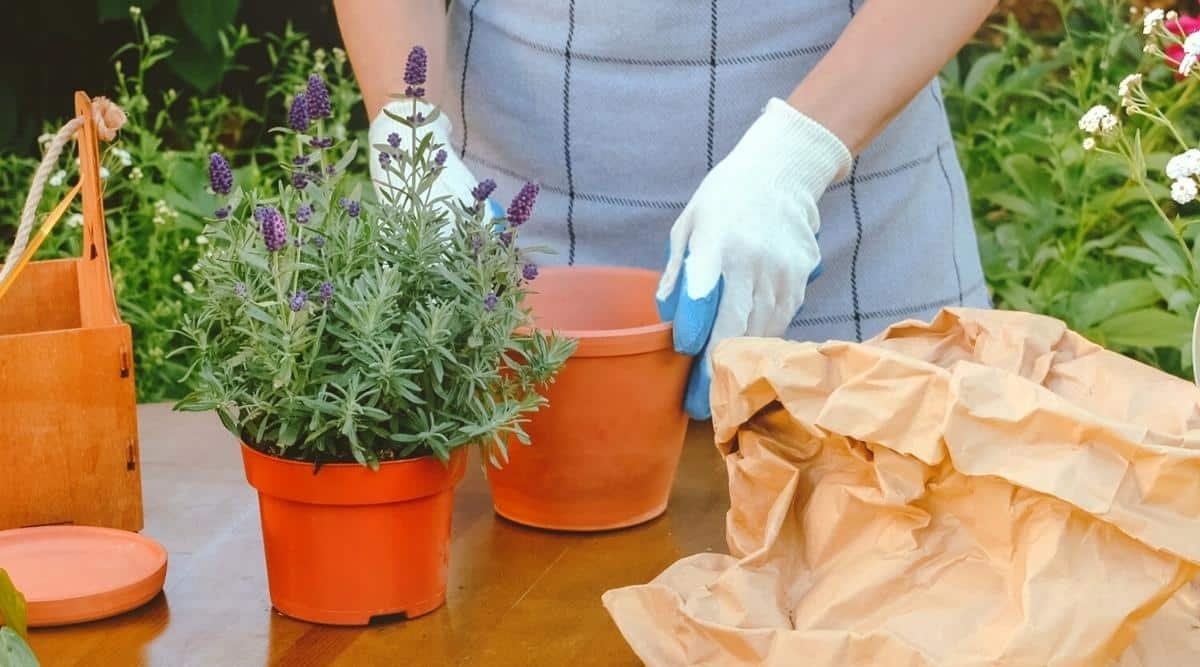
Preparing the Ideal Soil Mix for Lavender
Lavender flourishes in sandy, well-draining soil with slightly alkaline pH. You can formulate an appropriate potting mixture by blending two portions of first-rate potting soil with a single portion of sand or perlite to boost drainage. You can maintain the alkalinity lavender favors by adding some lime to the mixture. Refrain from the use of heavy garden soil, as it holds too much moisture and can induce root rot.
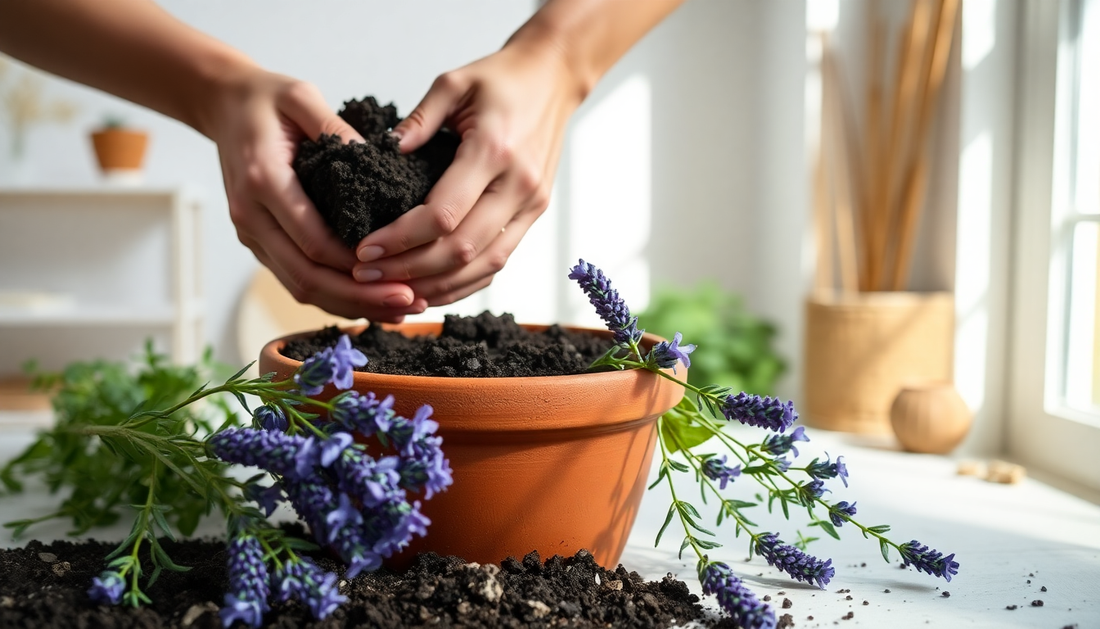
Planting Lavender in a Pot: Step-by-Step Instructions
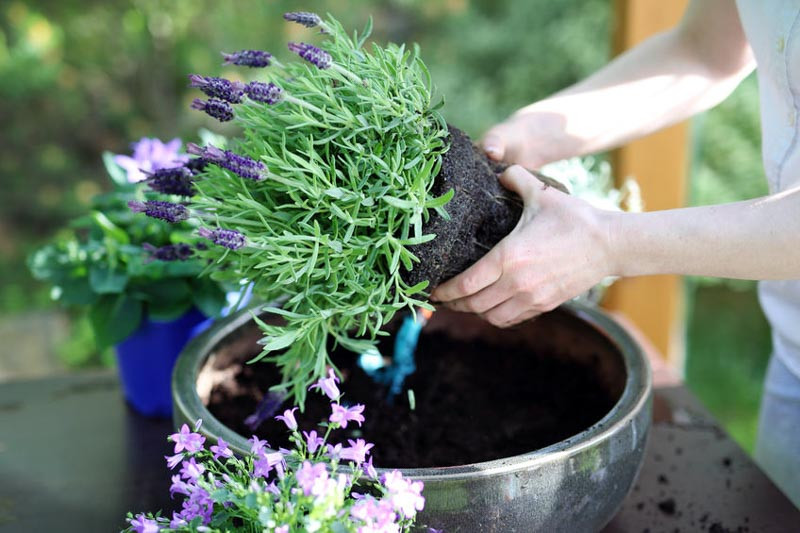
When you’re ready to plant lavender in a pot, begin by filling it with the soil mixture you have prepared, leaving about an inch of space at the top. Be careful as you remove the lavender from its original container, seeing to avoid damaging the roots. Position the plant in the container’s center and then surround it with more of the prepared soil, pressing lightly to get rid of any air pockets. Once planted, irrigate thoroughly to assist in settling.
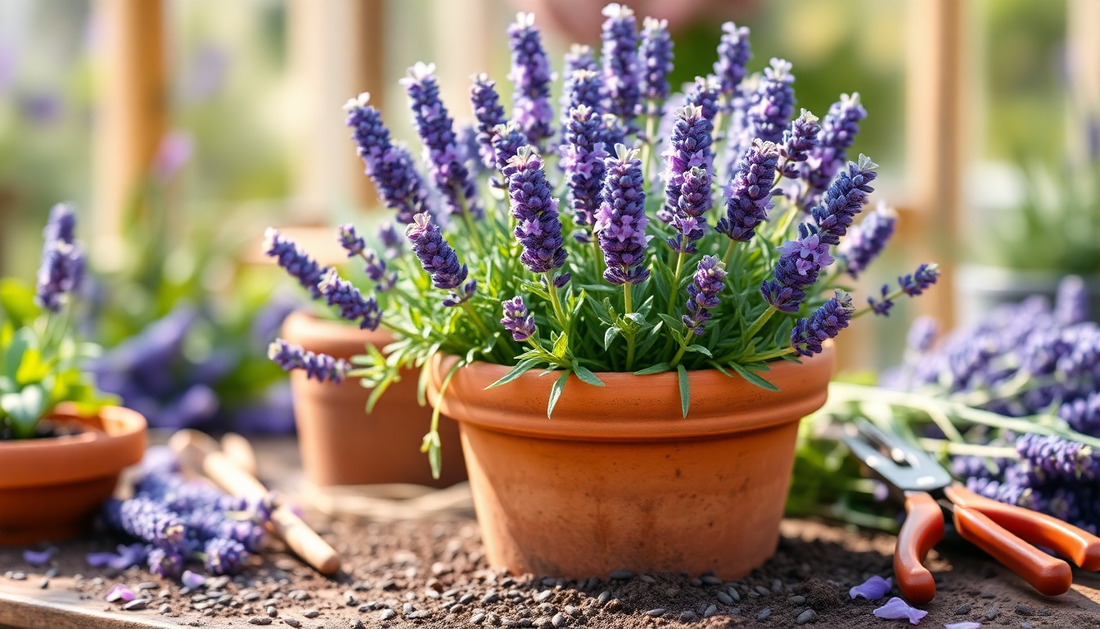
Watering and Drainage: Ensuring Optimal Growth
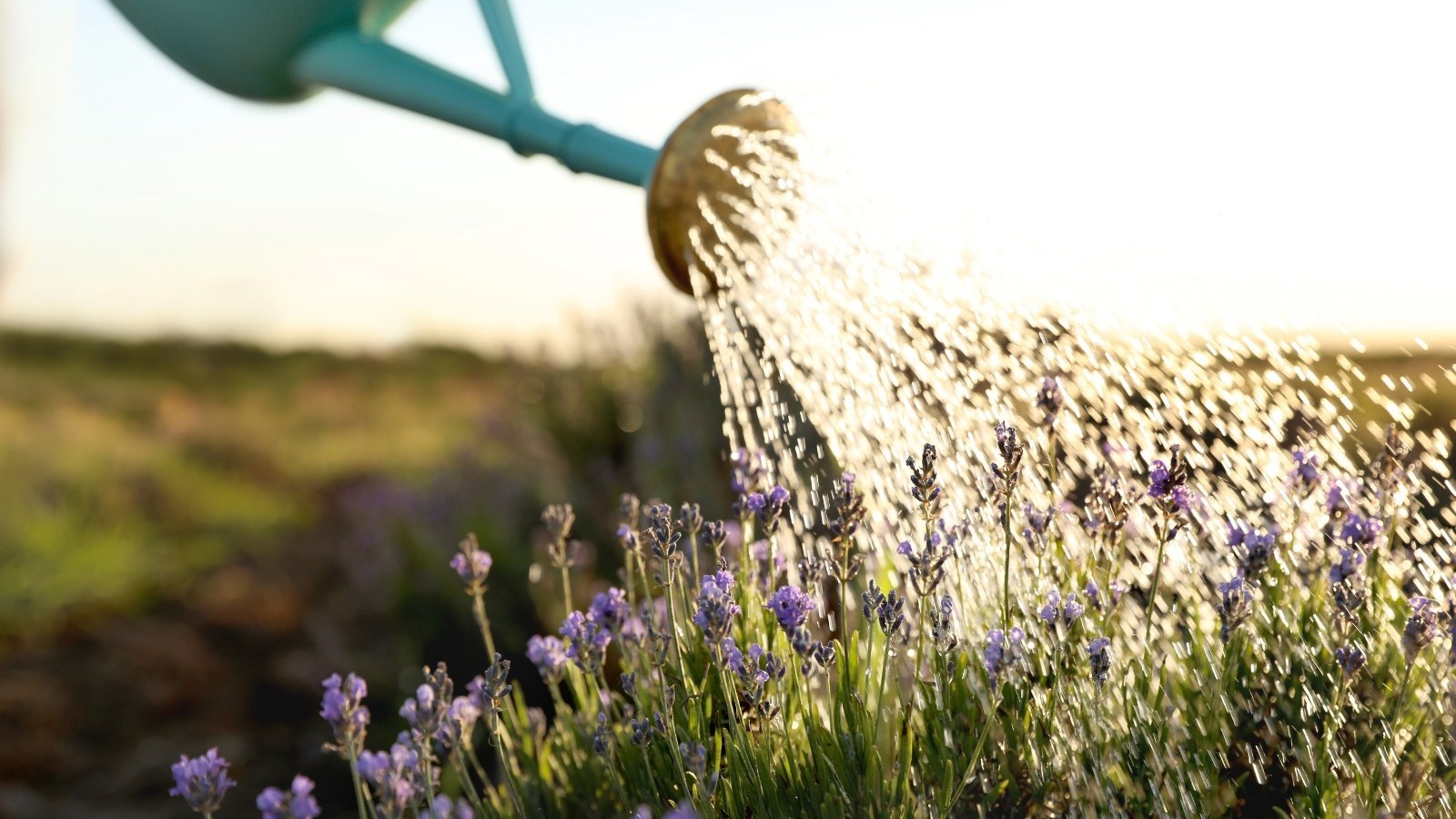
Given that lavender enjoys drier conditions, it is vital to steer clear of overwatering. Allow the soil’s top inch to become arid between waterings. Water the lavender once or twice weekly during the growing season, but decrease frequency in winter. To prevent root rot, ensure your pot permits proper drainage, so water does not collect in the base.
Providing Adequate Sunlight and Temperature Conditions
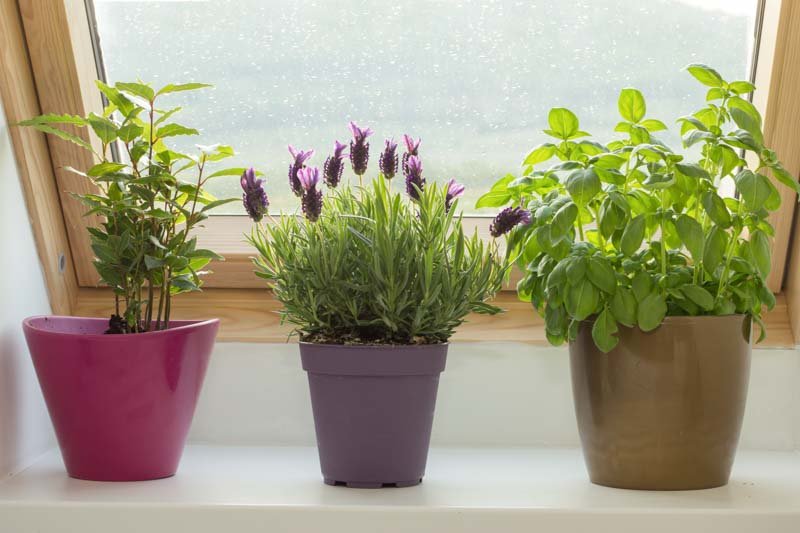
For optimal growth, lavender needs full direct sunlight, thus placing your pot in an area where it can receive at least 6-8 hours of sun each day is essential. While lavender possesses significant heat tolerance, it might benefit from some protection from harsh afternoon sun in warmer areas. In cooler climates, protect your plant from frost and cold winds.
Fertilizing Lavender for Healthy Growth
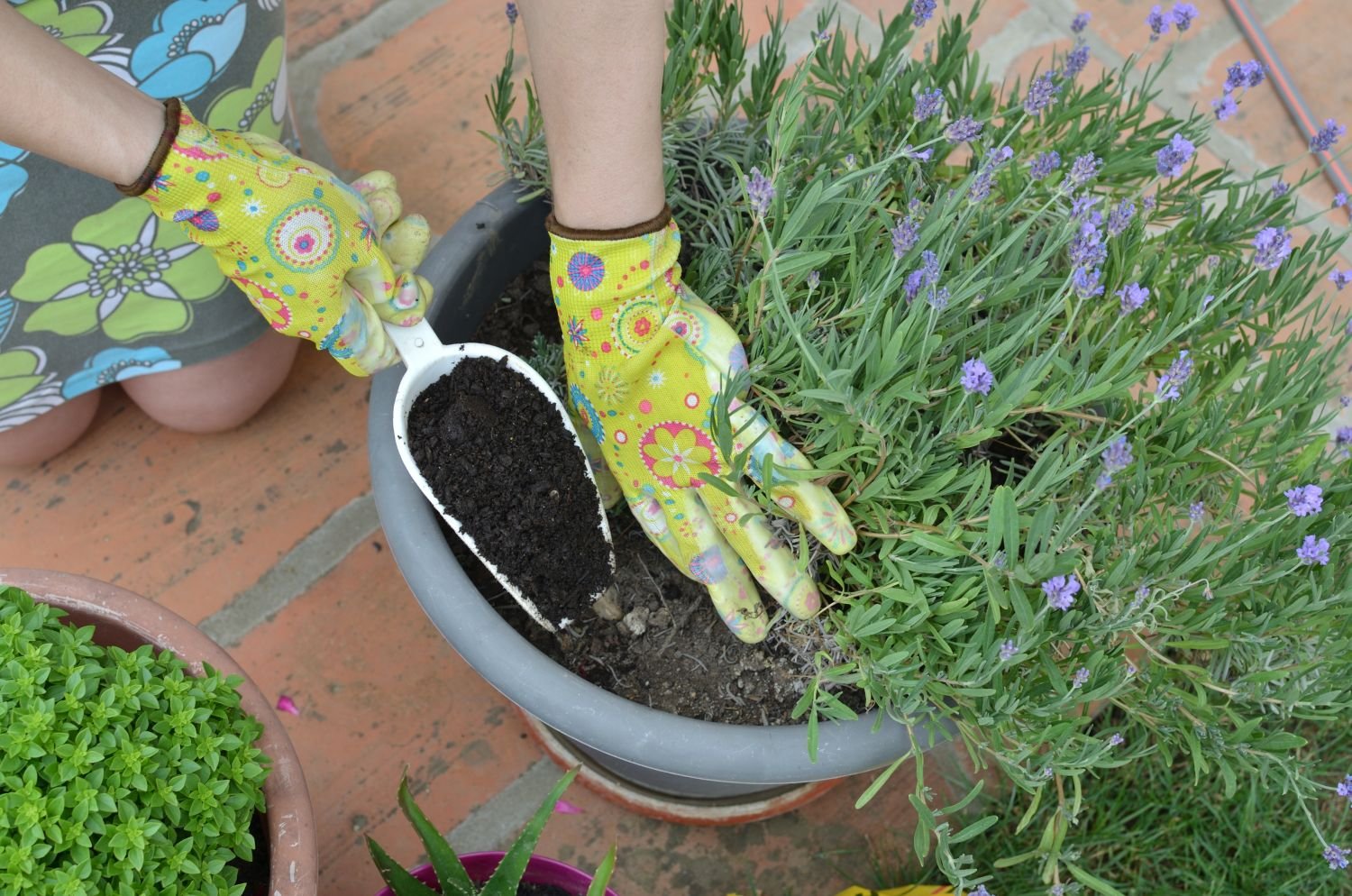
Lavender doesn’t need a lot of feeding; in fact, too much fertilizer can cause the foliage to grow too much, while the flower yield suffers. When new growth starts in the spring, apply a slow-release, balanced fertilizer. Alternately, implement a diluted liquid fertilizer every four to six weeks during the growing season. Avoid fertilizers containing high nitrogen levels, as they encourage leaf production over flowering.
Pruning and Maintenance Tips for Potted Lavender
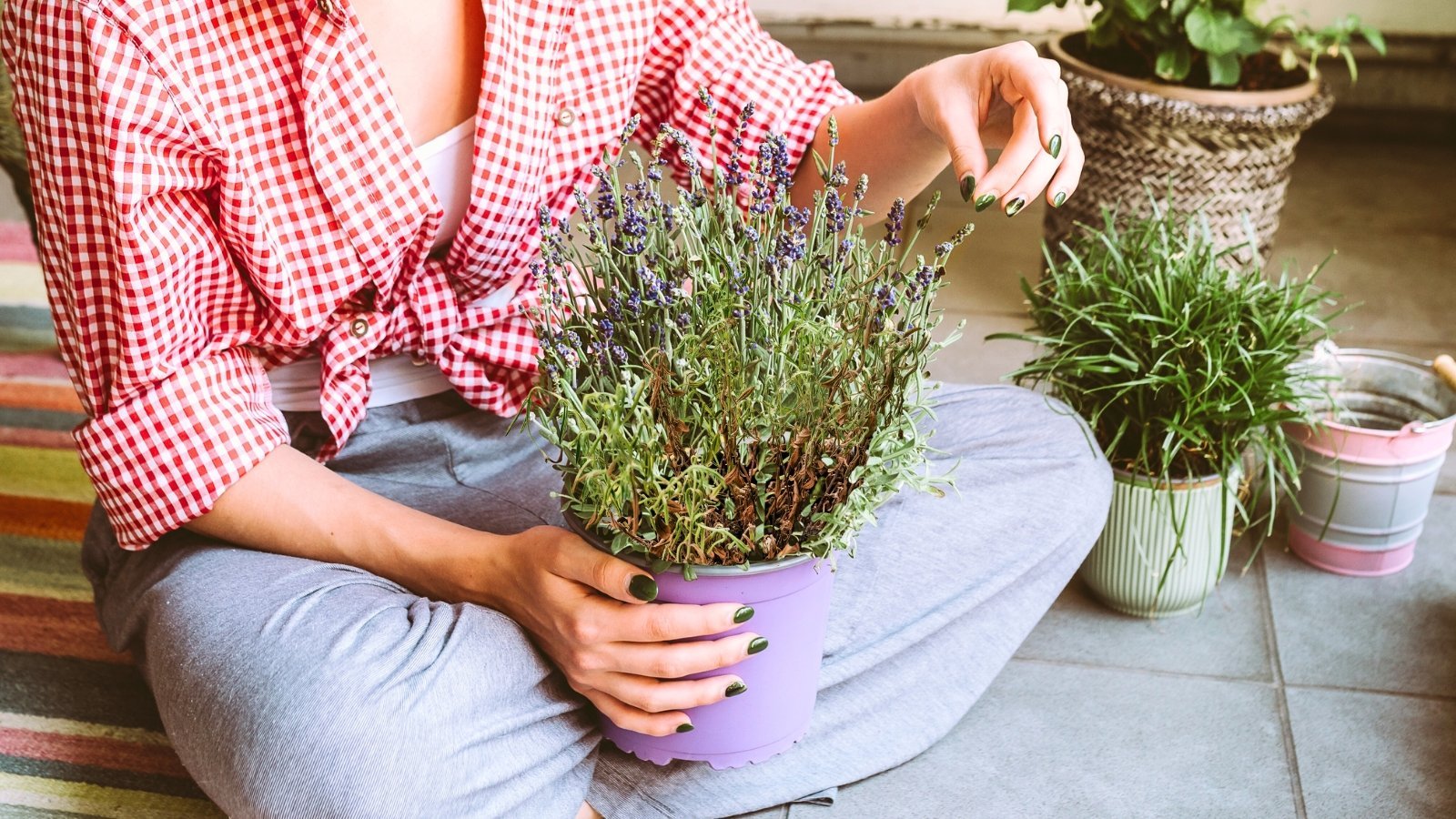
Consistent pruning supports the plant’s health, as well as its proper shape. Cut away any woody or dead stems in the spring to spur new growth. Once the first bloom of flowers has ended, lightly trim the plant to remove any finished blooms and encourage more flowering. Avoid cutting into old wood, since lavender doesn’t regenerate well from these kinds of stems.
:max_bytes(150000):strip_icc()/how-to-prune-lavender-3269538-hero-1dc83fc3da874e3e82f2d49b2dad4b1b.jpg)
Managing Pests and Diseases in Potted Lavender
While lavender is commonly resistant to pests, spider mites or aphids can sometimes impact it. Routinely inspect your plants, and utilize a strong spray of water to remove unwanted pests, or apply insecticidal soap whenever necessary. If the plant lacks air circulation or suffers from overwatering, fungal diseases can take hold, so ensuring the lavender lives in a well-draining environment with good airflow is key.
Overwintering Lavender: Protecting Your Plant in Cold Weather
Lavender in pots may need protection over the winter, especially in colder climates. Think about moving it into a sheltered area, like an unheated greenhouse or garage, where it will be safe from frost. Another option is to insulate the roots by swathing its pot in burlap or bubble wrap. Since the plant will be dormant during winter, cut back on watering as it won’t need as much moisture.
Harvesting Lavender: When and How to Do It
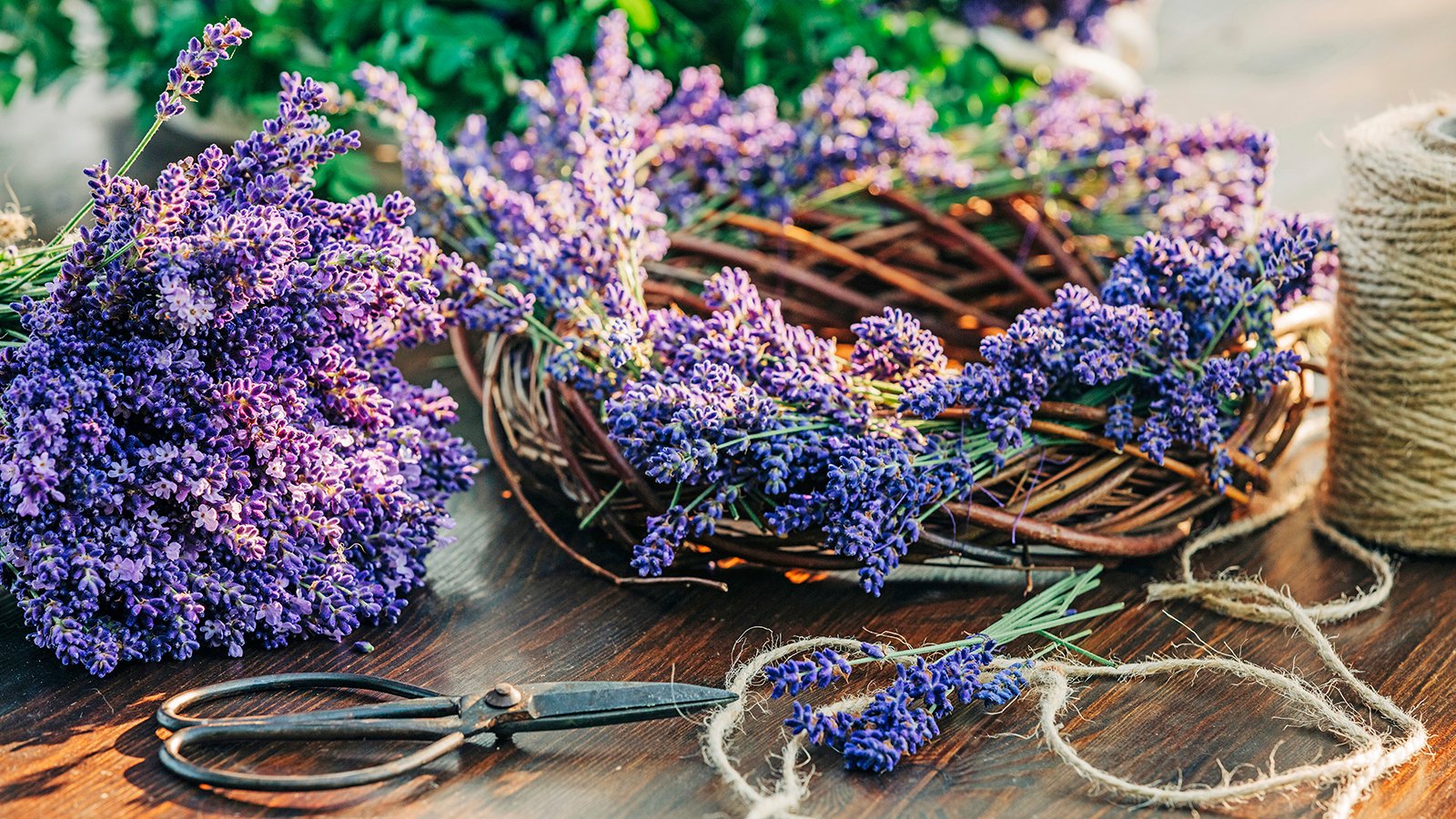
Harvesting lavender is best done as flowers are starting to bloom, as this moment is when they’re at their most fragrant. Using clippers or sharp scissors, cut your lavender stems about an inch or so above the foliage. To preserve the essential oils, try to harvest in the morning after the dew evaporates. Put the lavender stems upside down in a cool, dark location so the stems can dry.
:max_bytes(150000):strip_icc()/close-up-of-hands-cutting-lavender-flowers-with-scissors--1325104768-8f6f2c391c1e40d7a027286d49fa1a7d.jpg)
Creative Uses for Your Homegrown Lavender
There are multiple uses for lavender within your home. The dried flowers work perfectly for making sachets, potpourri, or even handmade soaps. Lavender is additionally viable in cooking, adding a special flavor to baked desserts and other treats. Extracted lavender essential oil from the blooms is favored in aromatherapy because it can promote relaxation.
Troubleshooting Common Problems with Potted Lavender
When your lavender isn’t prospering, consider common culprits like inadequate sunlight, poor drainage, or overwatering. Yellowing foliage is a potential sign of excessive moisture, while leggy growth signifies inadequate light exposure. Change your routines accordingly, and provide proper space so the plant can have enough airflow to cut down on the potential for disease.
Conclusion: Enjoying Your Beautiful Lavender Bush
With the necessary care and attention, a potted lavender bush serves as a gorgeous addition to the home. During the active growing season, its lovely blossoms and soothing aroma stand out. By adhering to the guidelines here, you’ll be well-prepared to grow a vibrant and healthy lavender plant that creates serenity and joy for your spaces. `


