

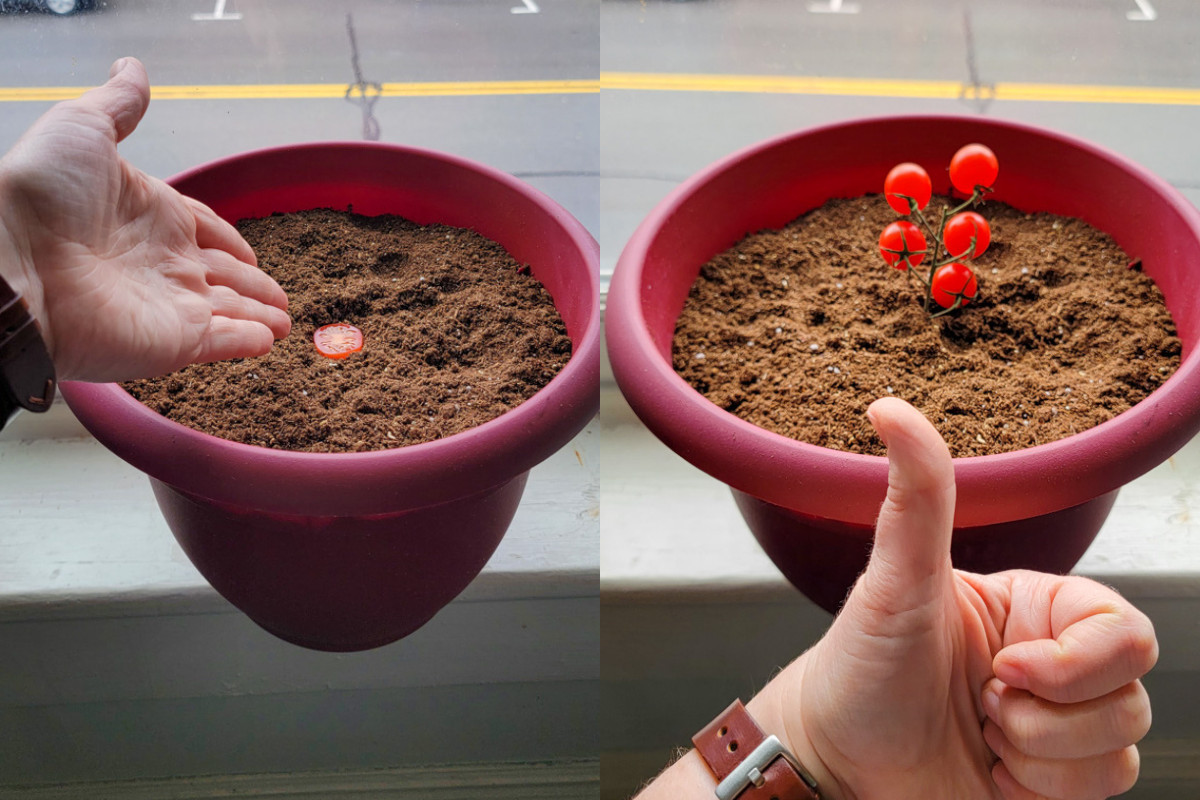
Growing tomatoes from slices presents an innovative and economical way to grow your own tomato plants. It’s a fantastic technique for gardeners seeking to cultivate plants from scratch without spending money on seeds.
Utilizing sections from a fully ripened tomato, generating new plants becomes straightforward, making it a practical option for gardeners of all skill levels.
Understanding the Benefits of This Method
Several advantages come with growing tomatoes this way. It’s a cost-effective way to begin a garden, as seed purchases are unnecessary. Moreover, it provides a purpose for leftover tomatoes that might otherwise be thrown away. It’s also an enjoyable and educational activity for families and children, offering a hands-on lesson on plant development and reproduction.
Selecting the Right Tomato for Slicing
The choice of tomato is vital for successful cultivation. Select a ripe and healthy tomato, free of blemishes and disease. Heirloom and organic tomatoes are frequently preferred because the seeds are more likely to be viable. Avoid hybrid types, as their offspring might not match the parent plant type.
Preparing the Tomato Slices for Planting
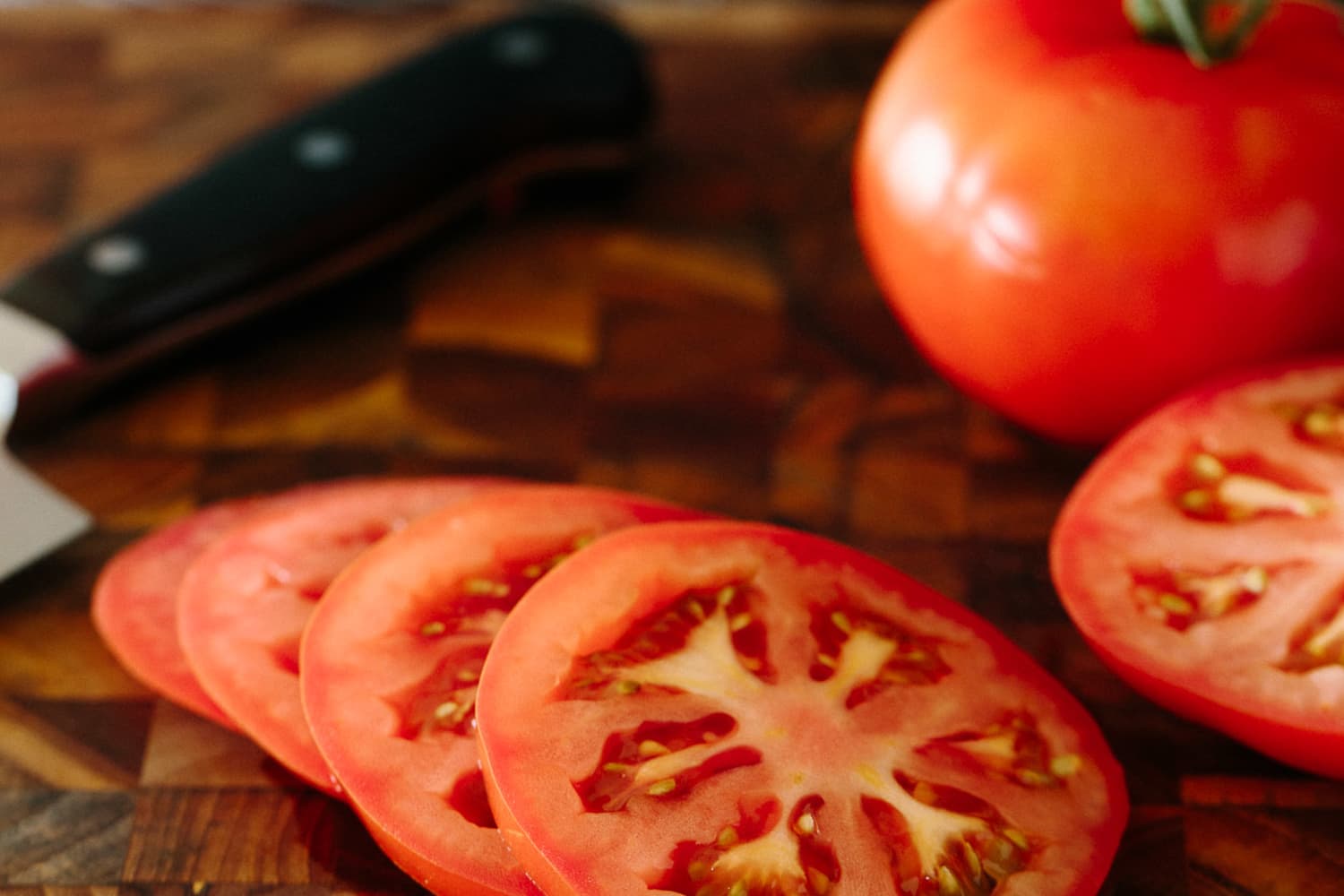
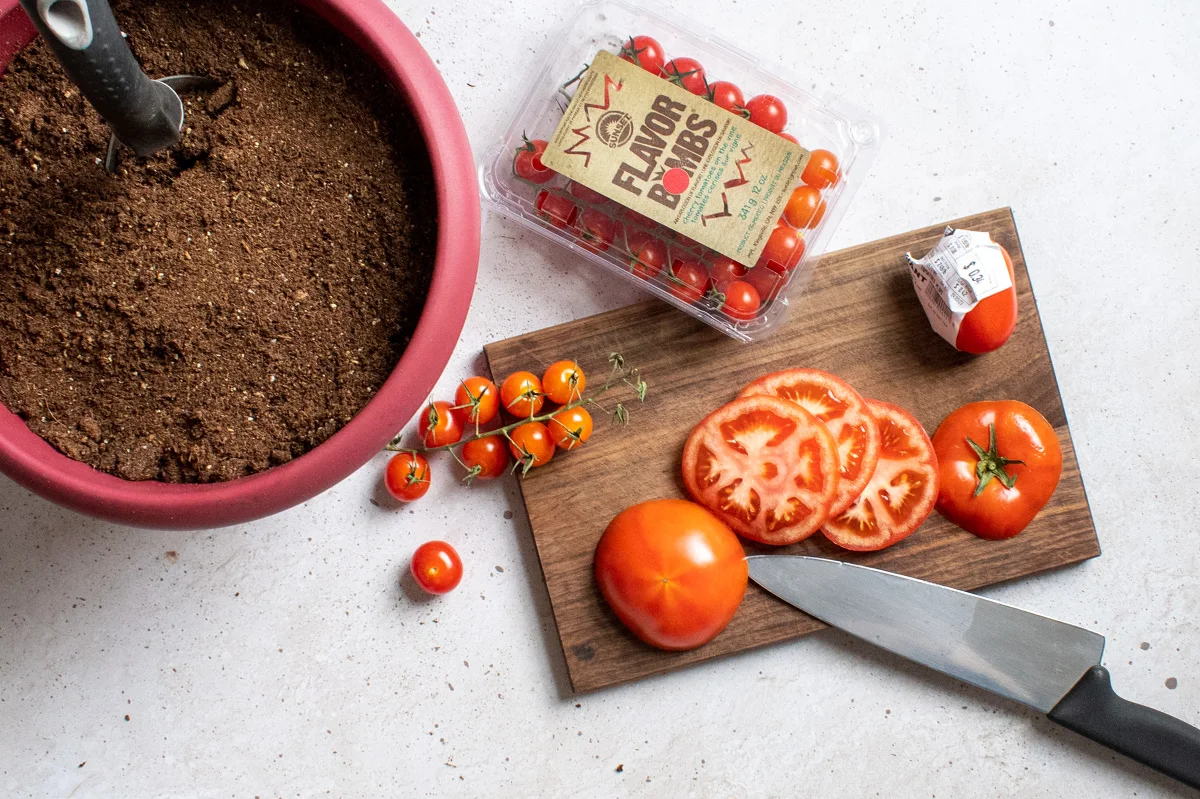
Begin by cutting the tomato into slices that are a quarter of an inch thick. Make sure each slice includes some seeds. Arrange the slices on a paper towel and allow them to dry for one to two days; this will prevent mold from growing after planting. This drying stage is critical for ensuring the seeds are ready to sprout.
Choosing the Ideal Planting Medium
Opt for a well-draining potting soil that’s also rich in organic components. Using a mix specifically designed for starting seeds is best, as it offers a good ratio of aeration and nutrients. Avoid using garden soil, which could introduce pathogens and unwanted pests that could be harmful to seedlings.

Planting the Tomato Slices
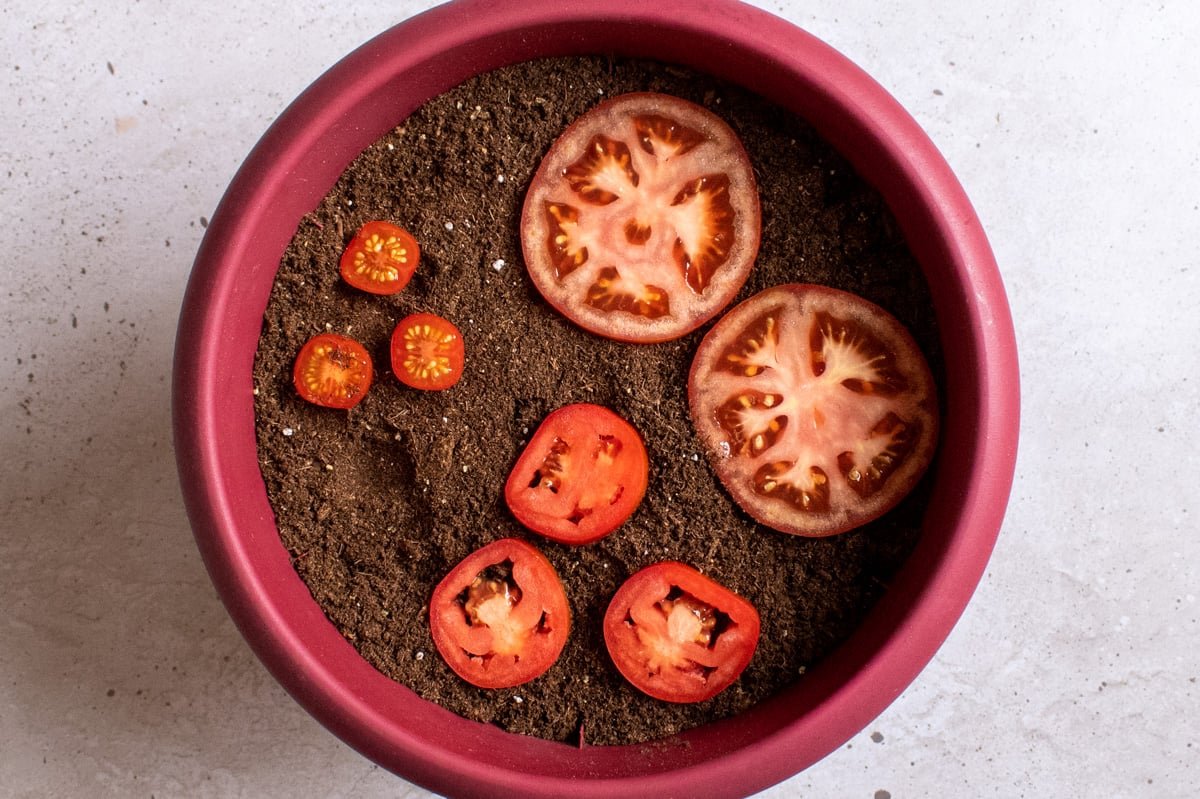
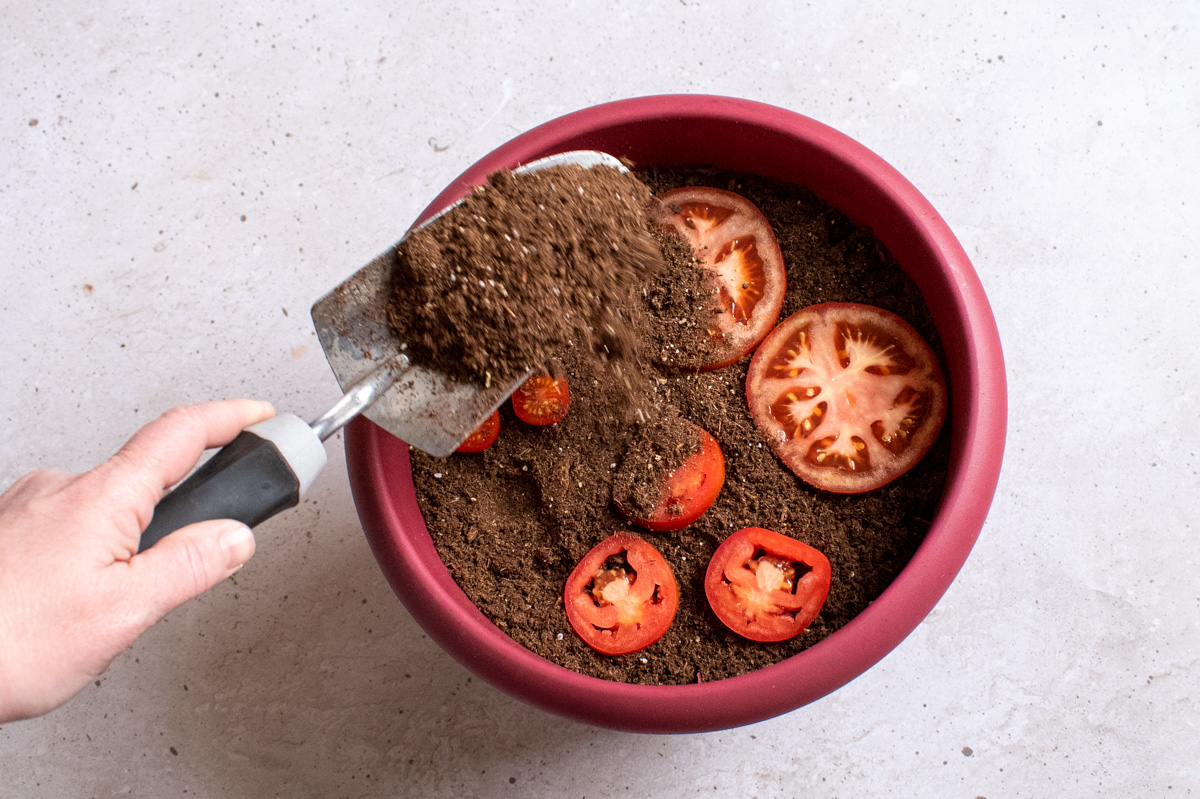
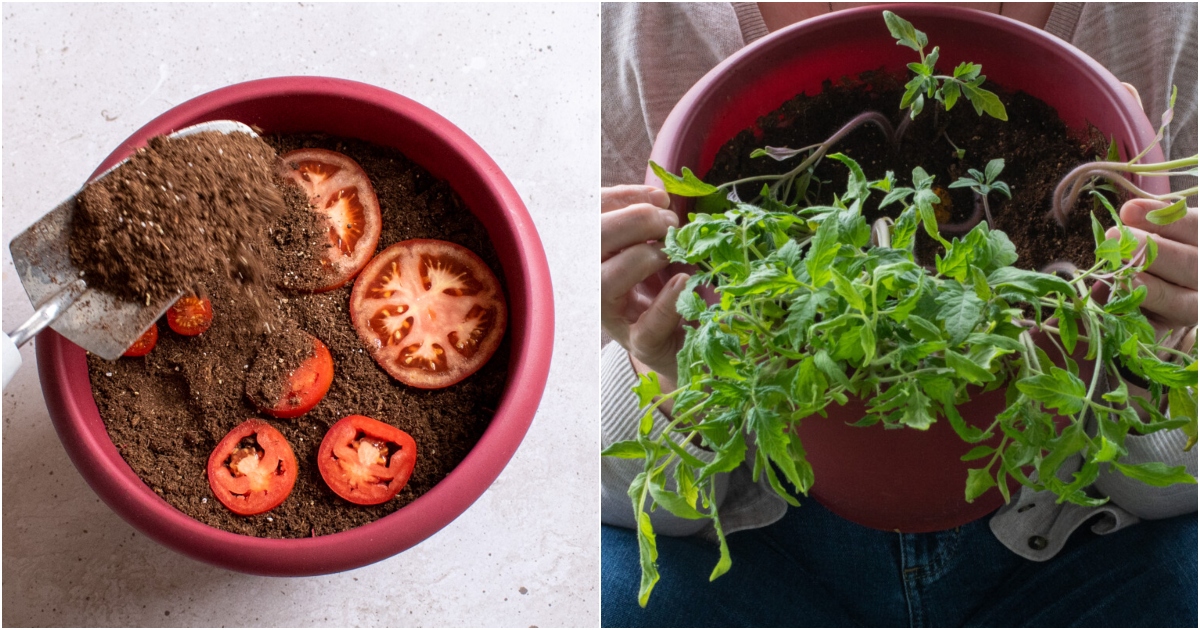
Fill seed trays or a few small pots using the prepared potting mix. Position the tomato slices on the soil surface, with roughly one inch of space between them. Cover the slices with a thin layer of the potting mix, around a quarter of an inch in depth, making sure the seeds are touching the soil.
Providing Optimal Growing Conditions
For tomato seeds to sprout, warmth and moisture are necessary. Keep the planted slices in a warm location where they’re exposed to indirect sunlight. Try to maintain a steady temperature of about 70-75°F (21-24°C). Keep the soil damp, but prevent it from becoming oversaturated by routinely misting it with water.
Caring for the Seedlings
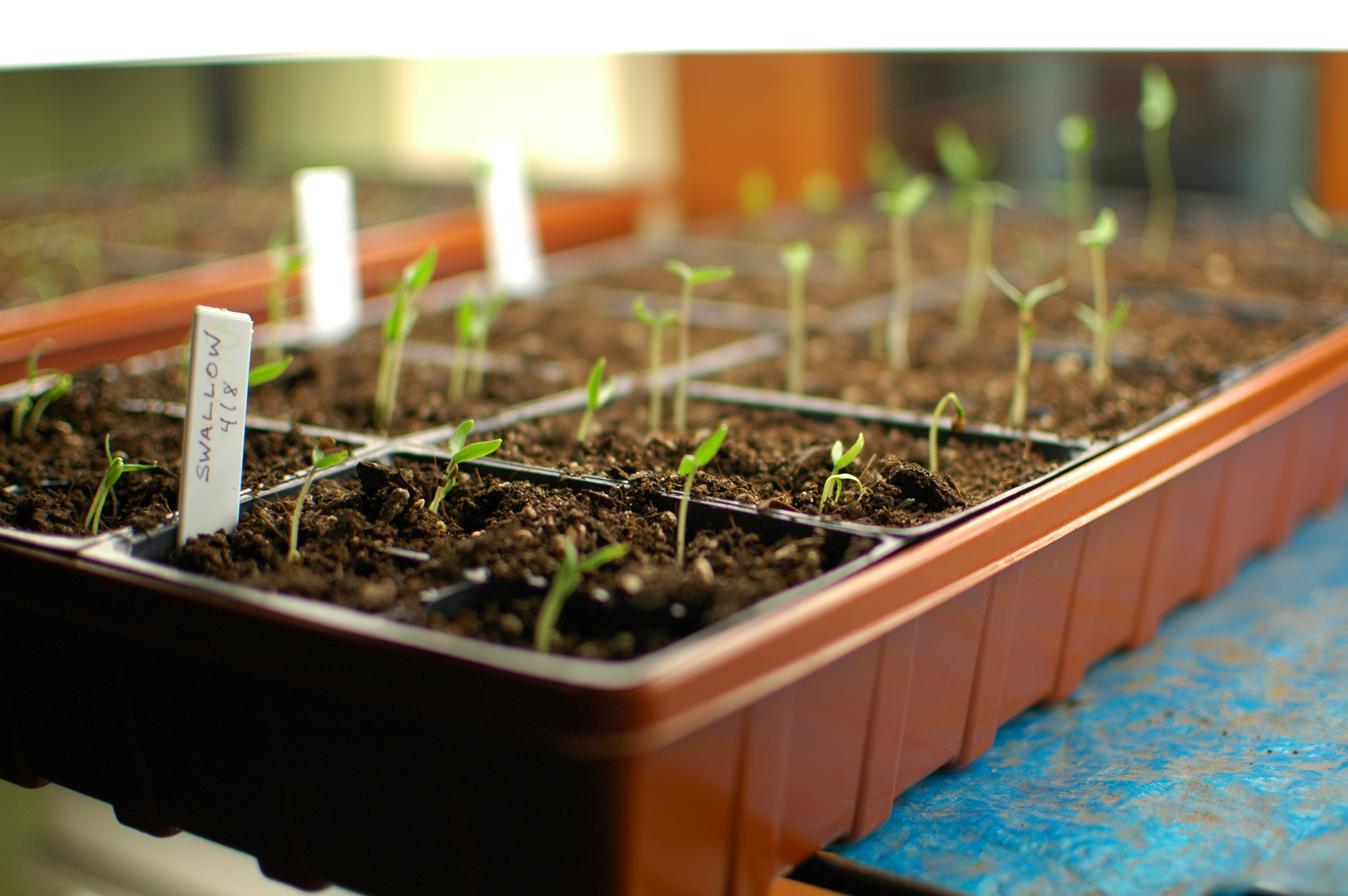
After the seeds sprout and seedlings start to appear, make sure they have access to sufficient light. Placing them on a sunny windowsill or using grow lights can help provide them with 12-16 hours of light each day. Thin out the weaker seedlings to prevent them from overgrowing each other and encourage stronger development of the remaining ones.

Transplanting the Seedlings to a Larger Space
Once the seedlings have grown their first set of true leaves, they can be moved. Carefully transfer them to bigger pots or directly to the garden. Make sure to space them far enough apart to allow for enough growth, which is usually approximately 18-24 inches apart when planting in a garden bed.
Managing Pests and Diseases
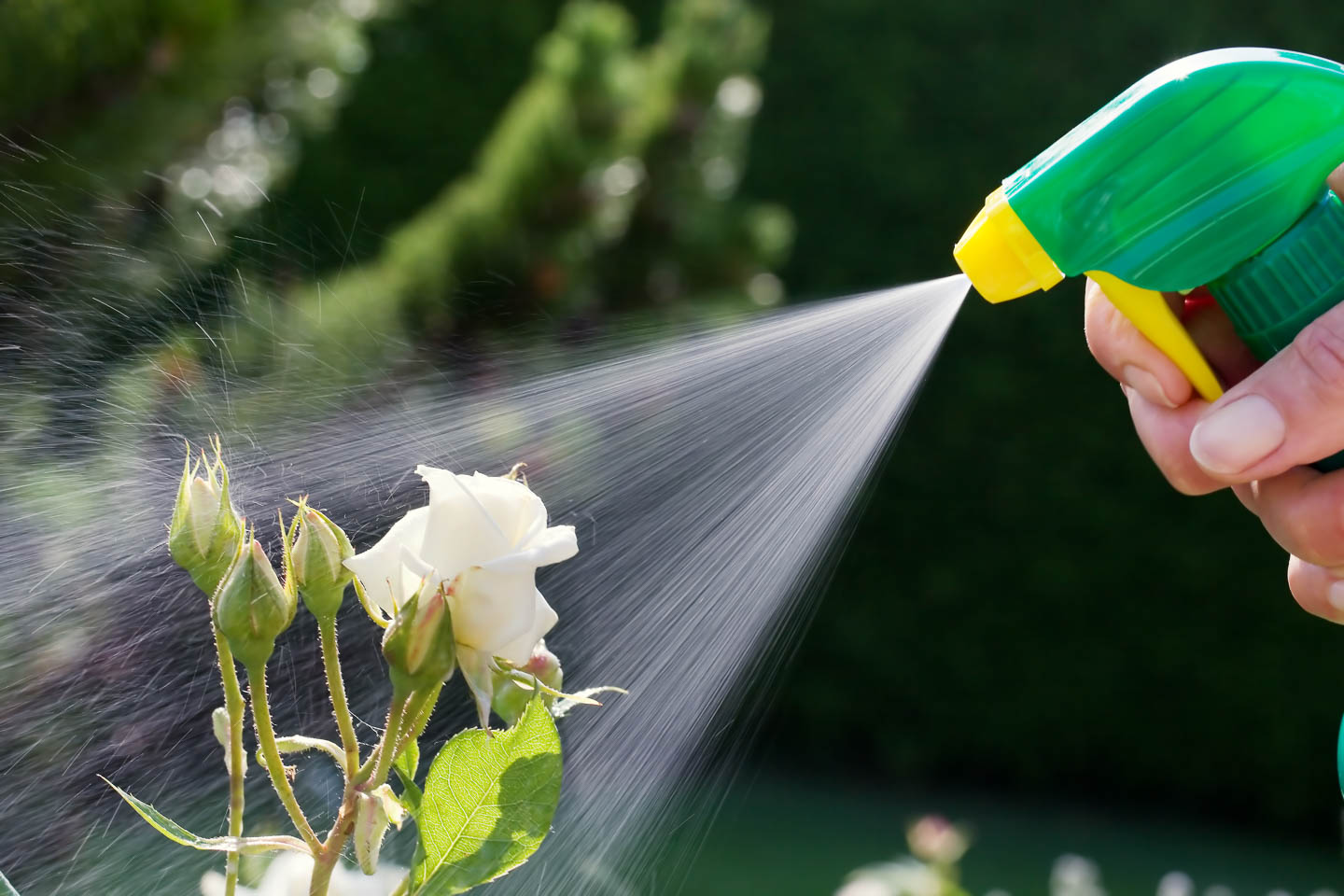
Keep a close watch on your tomato plants for any indicators of pests or disease. Common problems include aphids, blight, and fungal infections. Use eco-friendly pest control techniques such as insecticidal soap or neem oil. Also, practice crop rotation and always ensure you use proper cleaning methods to mitigate the potential for disease.
Harvesting Your Homegrown Tomatoes
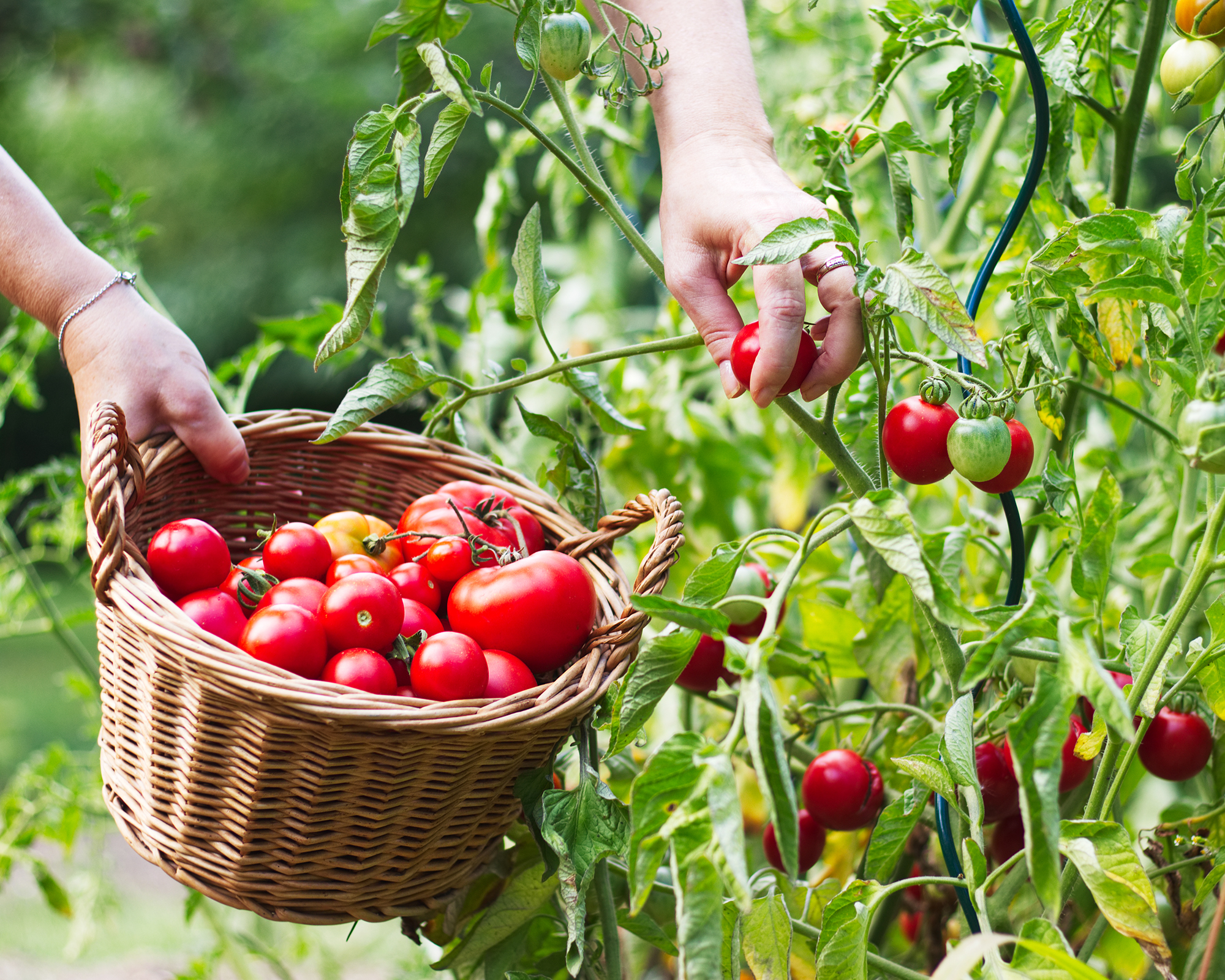
Tomatoes will be ready when they have developed their full color and are slightly soft to the touch. Gently twist or snip the fruit from the vine to prevent any damage to the plant. Enjoy your garden-fresh tomatoes raw, or incorporate them into your favorite dishes.
Troubleshooting Common Issues
If your seedlings aren’t thriving, think about things like light, temperature, and your watering habits. Leggy seedlings may indicate insufficient light, and leaves that turn yellow could mean you’re giving them too much water. Modifying these factors can help improve the state of your plants.

Conclusion
Cultivating tomatoes from slices makes gardening a fulfilling and sustainable endeavor. You can reap a large harvest of fresh tomatoes by giving them the correct amount of care and attention. Remember to have patience as gardening is a process that needs time and commitment. Happy planting!


