

Grubs are a frequent problem for both lawn lovers and gardeners. These destructive beetle larvae can severely damage your lawn, resulting in dead grass patches and attracting unwanted critters like raccoons and skunks.
I’ve experimented with various grub control methods over the years, but nothing has matched the effectiveness and simplicity of my father’s technique. It’s a quick 2-minute fix, requires very little work, and, most importantly, delivers results.
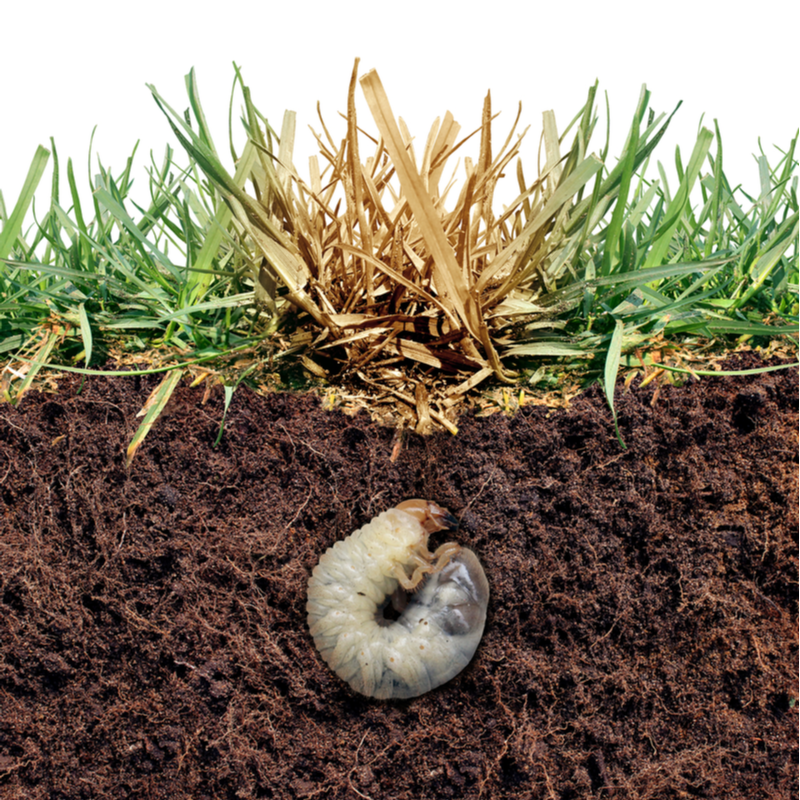
Understanding the Problem: What Are Grubs?
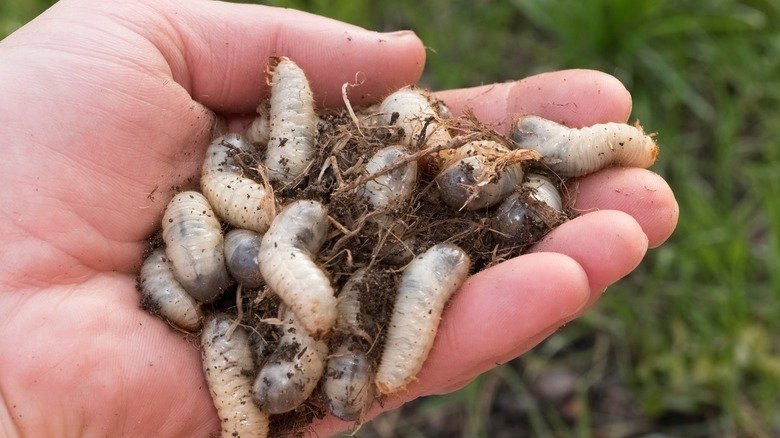
Understanding what grubs are and the threat they pose to your lawn is essential before we discuss the solution. Grubs are beetle larvae, including Japanese beetles, June beetles, and European chafers. These C-shaped, white pests reside in the soil and consume grass roots, leading to browning and thinning.
The grub life cycle typically begins in late summer when beetles deposit their eggs in the ground. The eggs then hatch into grubs. These grubs start consuming grassroots before digging deeper into the soil for the winter. As spring arrives, the grubs resurface to continue feeding until they mature into adult beetles, and the cycle repeats.
The Trick: A Simple Solution to a Common Problem
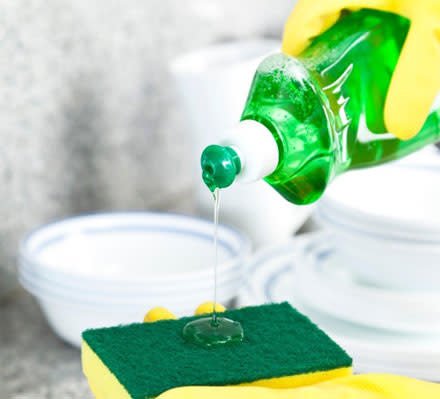
Here is the straightforward solution my dad passed on to me. It is so simple that you might not believe it works. It requires using a common household product: dish soap.
Step-by-Step Guide
Gather Your Supplies:
- A bucket or a large watering can.
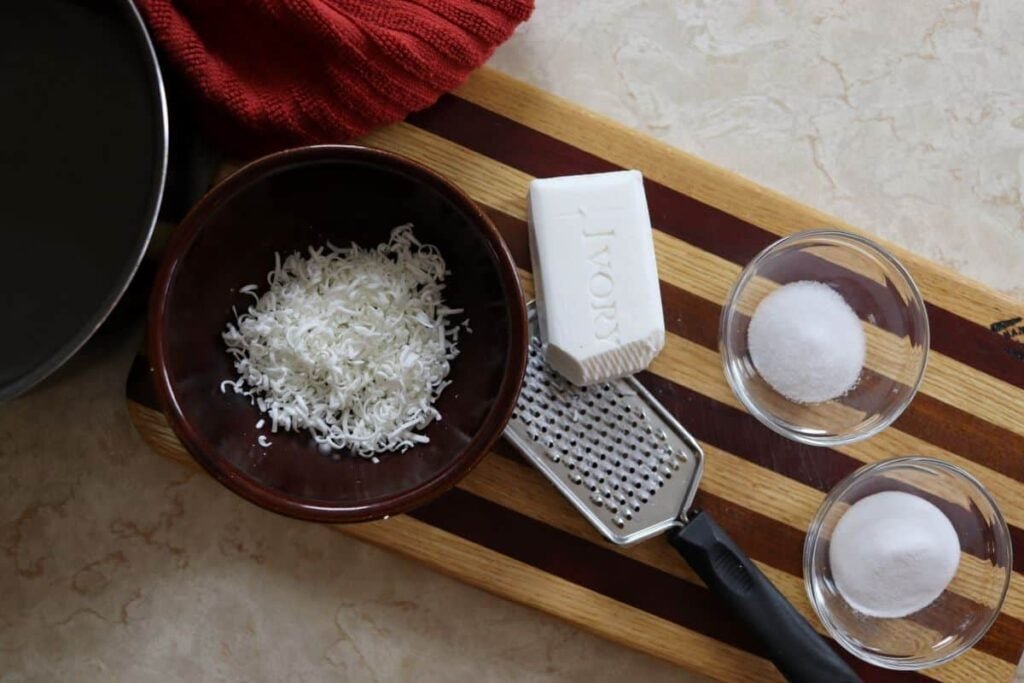
- Dish soap (any brand can be used, however, a biodegradable and eco-friendly one is better).
- Water.
- A watering nozzle or hose, if you have one.
Mix the Solution:
- Fill the bucket or watering can with around a gallon of water.
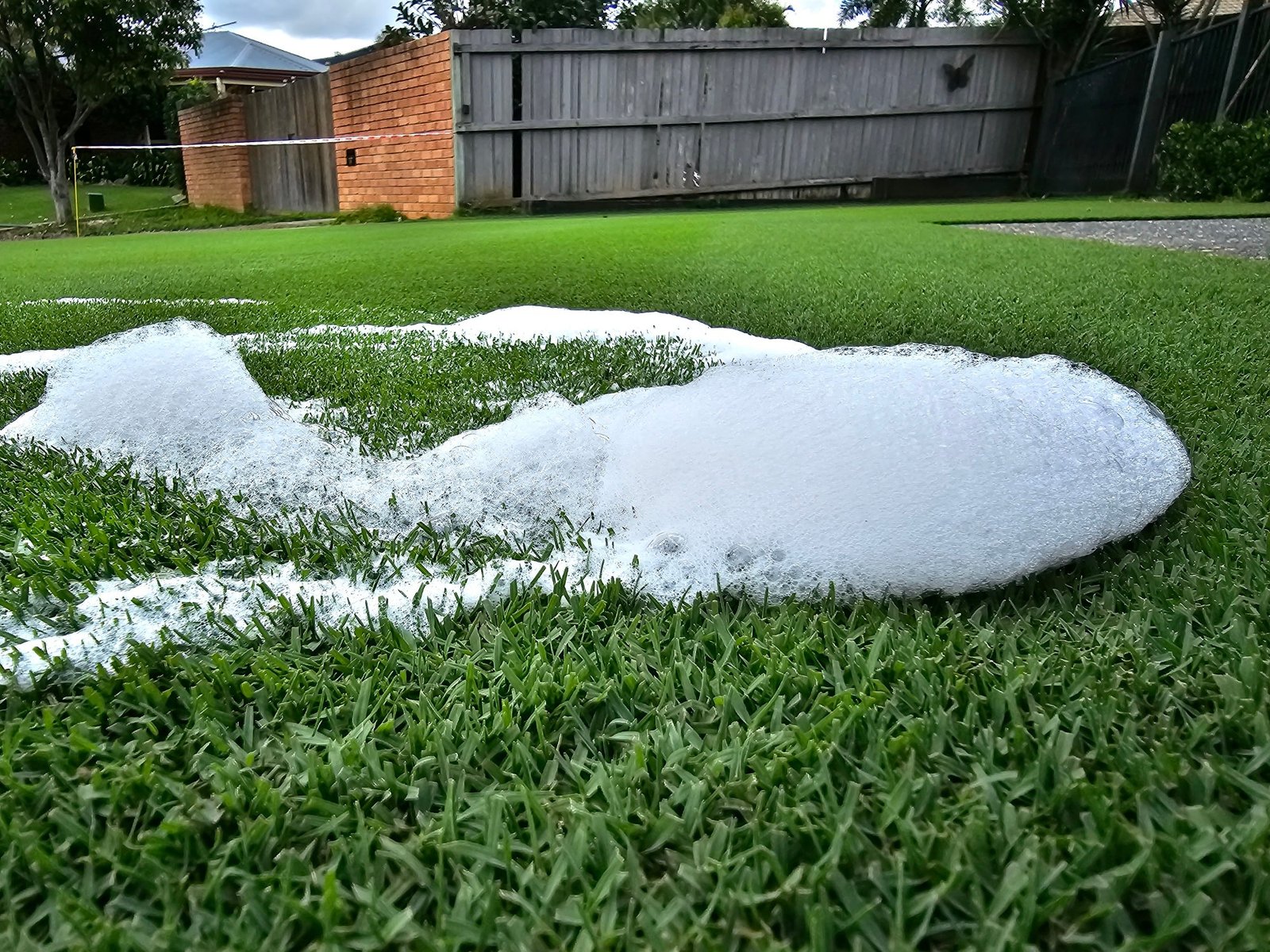
- Add a few tablespoons of dish soap to the water. While the exact amount isn’t critical, approximately 2-4 tablespoons should be enough.
Apply to the Affected Area:
- Locate areas of your lawn that you suspect are infested with grubs. These will generally be areas where the grass is thinning, yellowing, or dying.
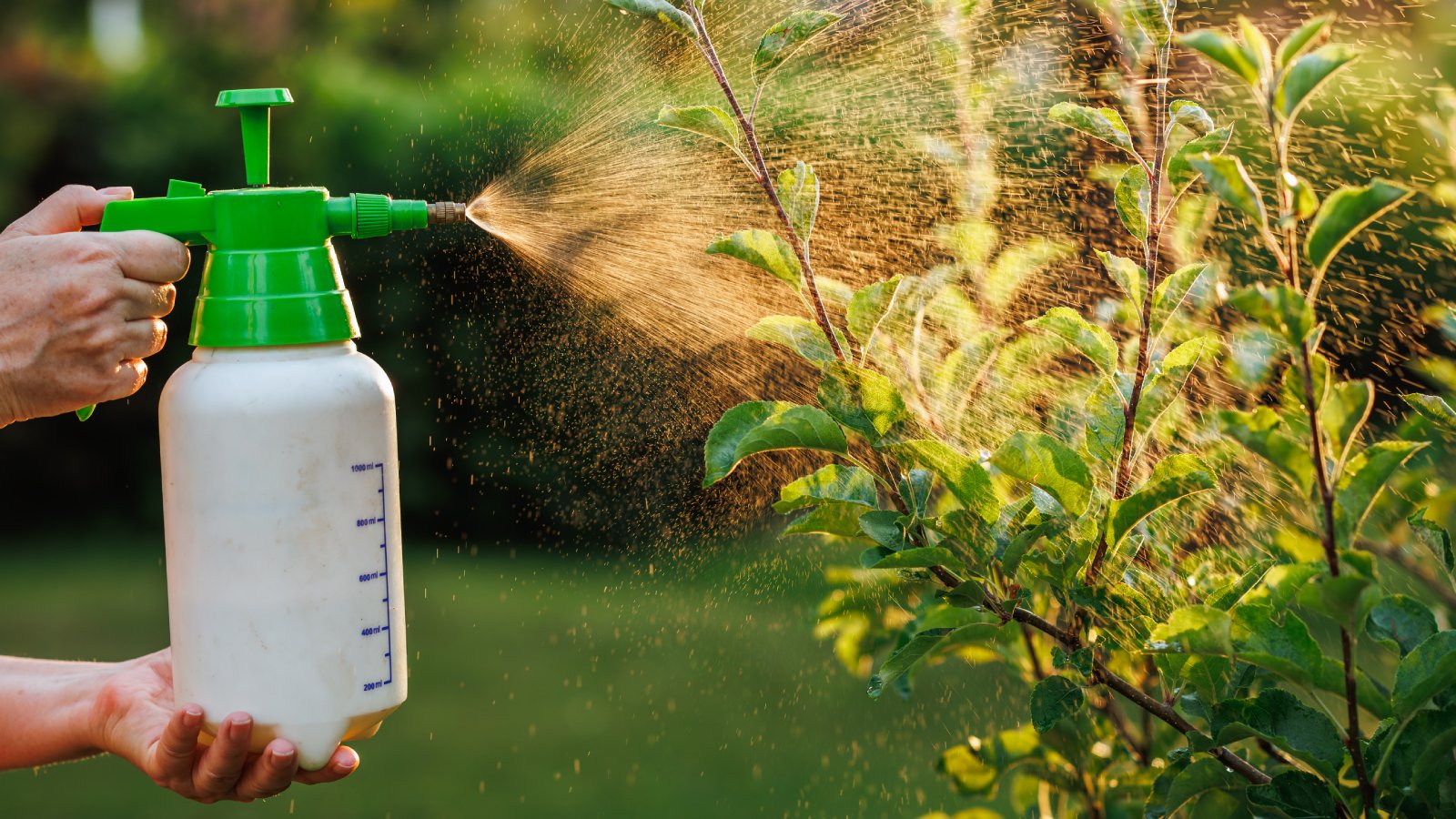
- Pour the soapy water mixture evenly across these areas. If you have a large area to cover, think about attaching a hose-end sprayer to your garden hose.
Wait and Watch:
- After applying the solution, simply wait a few minutes. The soap will irritate the grubs, which will force them to emerge from the soil.
Dispose of the Grubs:
- Once the grubs surface, you can gather and get rid of them without a problem. Birds are eager to eat grubs, so leaving them out for a bit can permit nature to help you with the cleanup.
How It Works: The Science Behind the Trick
Dish soap works effectively on grubs by lowering the water’s surface tension, enabling better penetration into the soil. This soapy water irritates the grubs’ skin, making them come to the surface in an attempt to escape their discomfort. Also, the soap can obstruct their spiracles (small openings insects use to breathe), further convincing them to exit your lawn.
The method does not eliminate grubs completely. However, it makes them easier extract manually. For a lasting solution, you might have to repeat the process a couple of times or combine it with other methods of grub control, like milky spore treatments or nematodes.
Benefits of This Method
- Eco-Friendly: Dish soap tends to be safe for use around your family, pets, and the environment when contrasted with chemical pesticides.
- Cost-Effective: There’s no need to purchase expensive pest control items. All that is needed is a little dish soap and water.
- Quick and Easy: It only takes a few minutes to complete the whole process, which calls for very little work.
- Immediate Results: You are able to see the grubs surfacing within minutes, making it a more gratifying remedy immediately.
Additional Tips for Grub Prevention
While this method is beneficial to handle a grub infestation, prevention will always be better than a cure. Below are some tips to help keep your lawn free of grubs:
- Healthy Lawn Maintenance: Promote strong root growth by aerating the soil, mowing at the proper height, and watering regularly and deeply.
- Nematodes: Think about using beneficial nematodes, microscopic worms that target and eliminate grubs normally without causing harm to the lawn.
- Milky Spore: As a naturally occurring bacterium, milky spore can be applied to your lawn to particularly target Japanese beetle grubs. After it establishes, it can offer long-term control.
Grubs can certainly be a nuisance for homeowners. However, you can deal with the issue quickly and easily with this basic trick from my dad. Grab some dish soap, mix it with water, and observe the pests rising to the surface the next time you detect indications of grub damage on your lawn. You can maintain a lush, green lawn all season long with a little consistency and a few preventative steps.
Conclusion
In summary, dealing with grubs in your lawn doesn’t have to be an overwhelming task. By understanding what these pests are and how they impact your grass’s health, you can effectively employ a simple, cost-effective method using dish soap and water to draw them to the surface for easy removal. This eco-friendly technique not only keeps your lawn safe from harsh chemicals but also allows you to witness immediate results, making it both satisfying and efficient. Coupled with preventive measures like proper lawn maintenance and the use of nematodes or milky spore, you can ensure a vibrant, healthy lawn throughout the growing season. Remember, with a few quick actions and regular care, a lush green space is achievable for every homeowner.


