

Sure, while organic food is better for you than the pesticide-laden or genetically altered varieties, the cost can be prohibitive. Because of higher production costs and limited supply, organic produce like bananas can be 20-100% more expensive!
Thankfully, there are at least 20 vegetables and herbs that you can easily regrow indoors from kitchen scraps. This will save you considerable money on your next shopping trip.
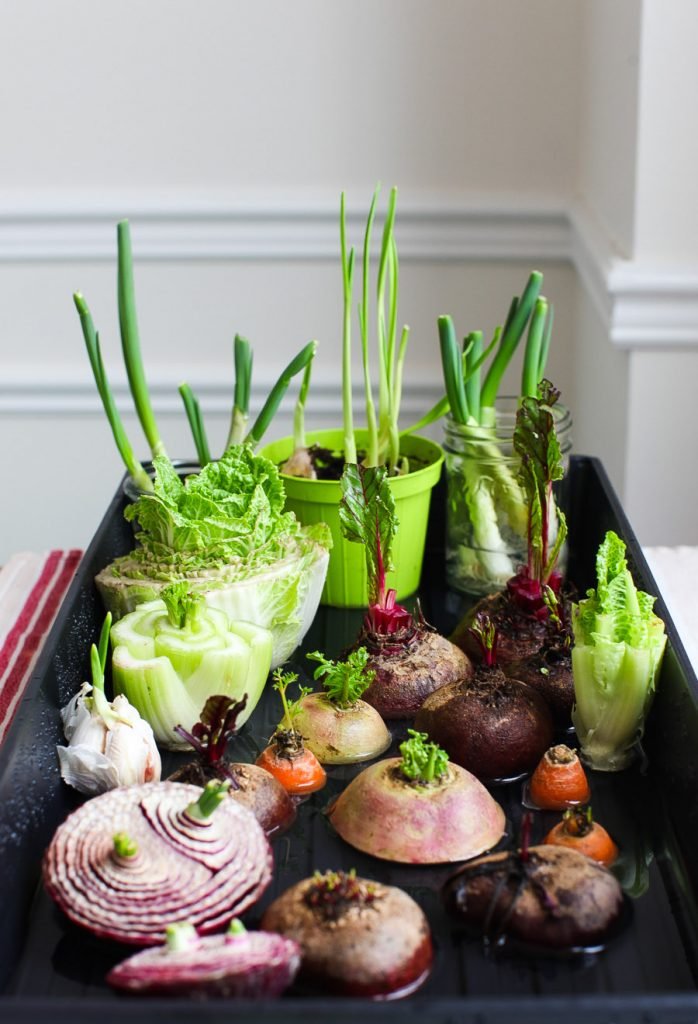
Romaine Lettuce
Just like with celery, put the bottom part of romaine lettuce in a bowl containing about ½ inch of warm water. Put it in direct sunlight. After a week or two, new lettuce leaves will grow from the stem, perfect for salads. Move it to soil for continued growth. Expect full growth in three to four weeks. This also works for Bok Choy.
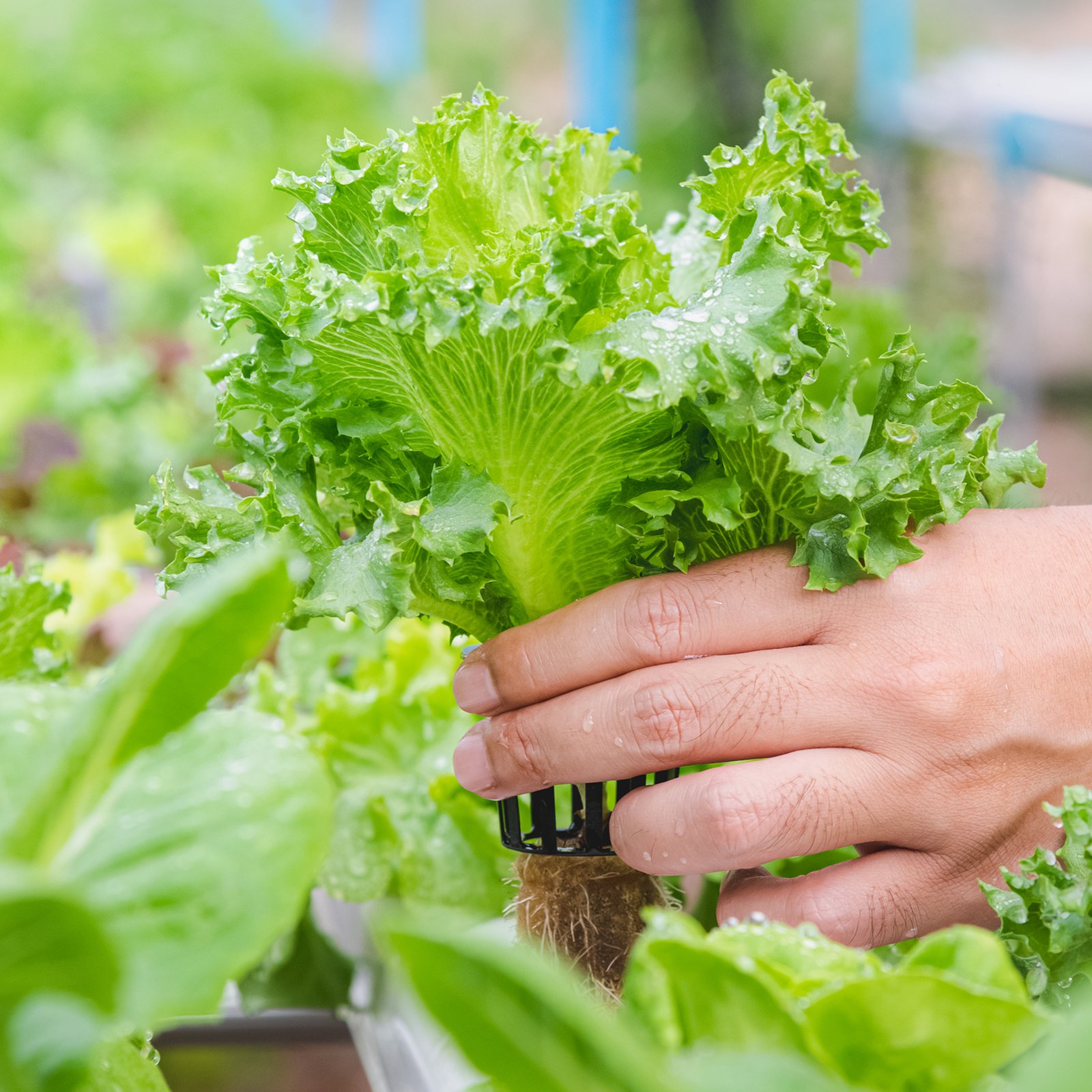
Garlic Sprouts
Those green tendrils growing out of your garlic are actually shoots. Place these shoots in water, making sure that they get plenty of sunlight, and garlic sprouts will develop. Their taste is milder compared to garlic cloves, making them great for salads, pasta, and garnishes.
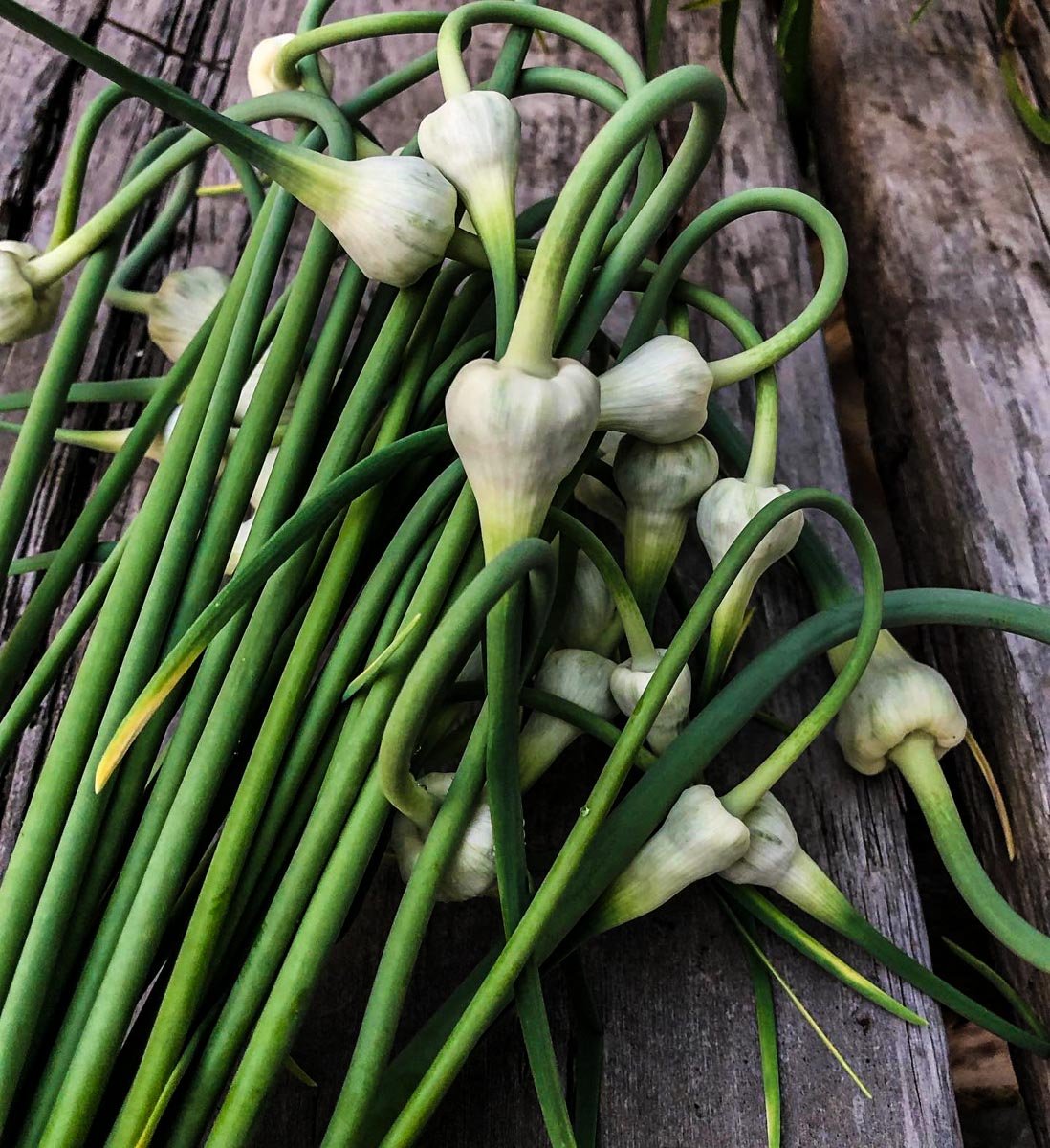
Carrots
Put carrot tops in a container with a small amount of water. The tops will soon sprout delicious greens that enhance meals. For root growth, use a deeper container with more water, suspending the carrots halfway using toothpicks. After roots appear, move them to your garden for a continuous supply!
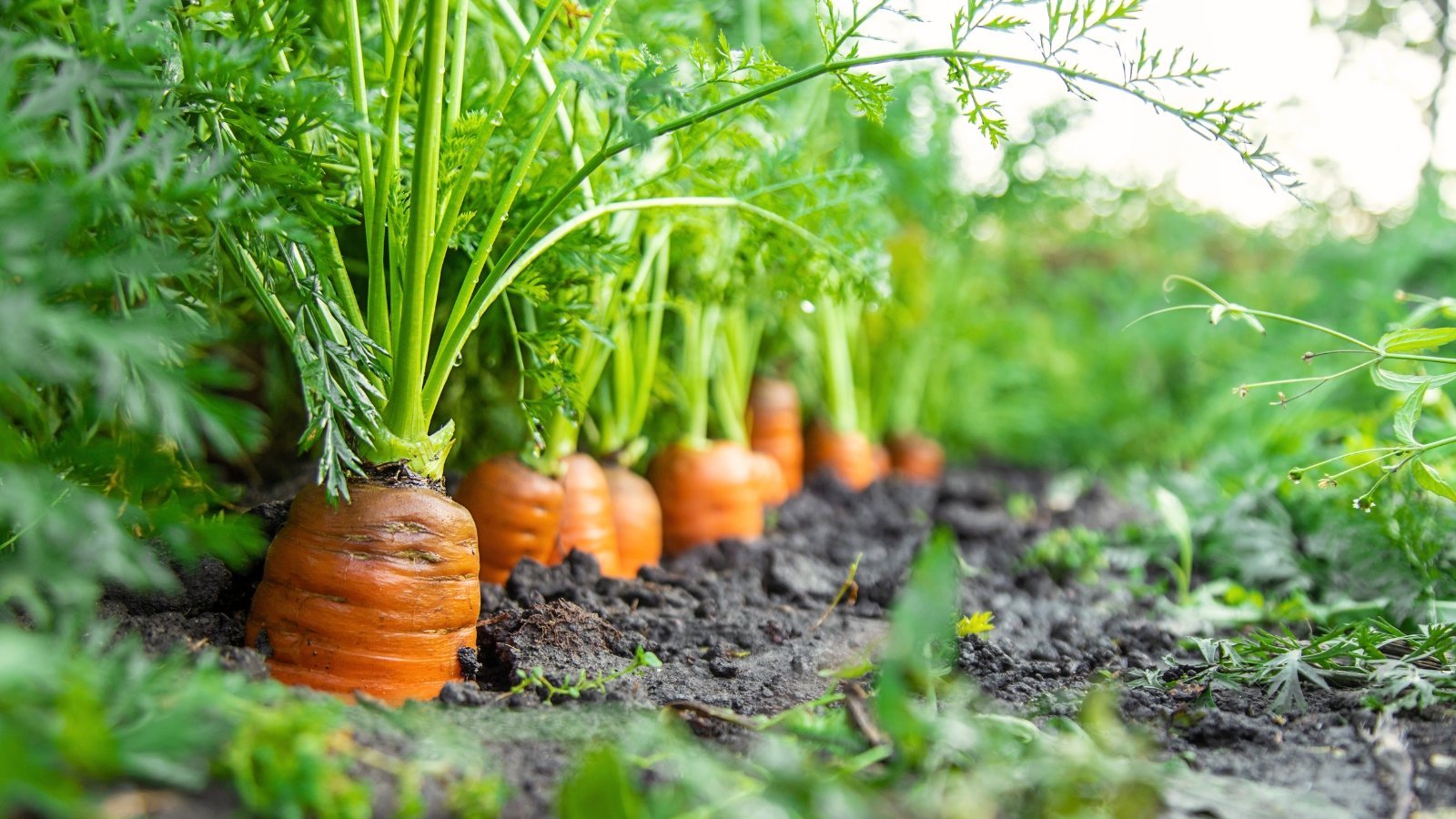
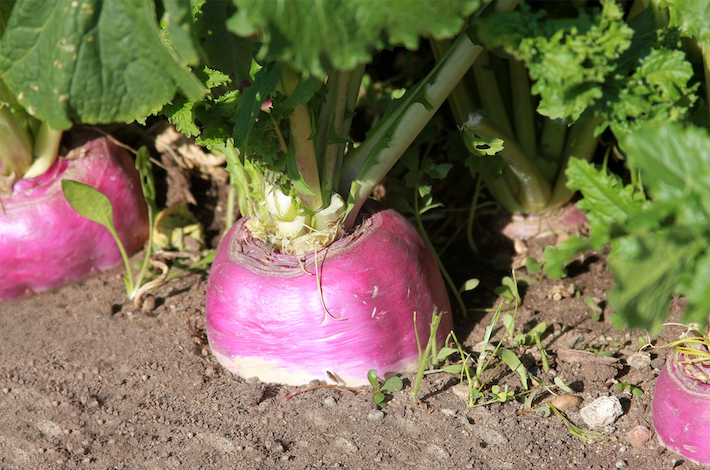
Turnip
Just like carrots, cut the tops off turnips and place them in a shallow dish with some water until roots begin to grow. This might take several weeks. When roots have grown you can plant them outside using the same procedure as you use for carrots!
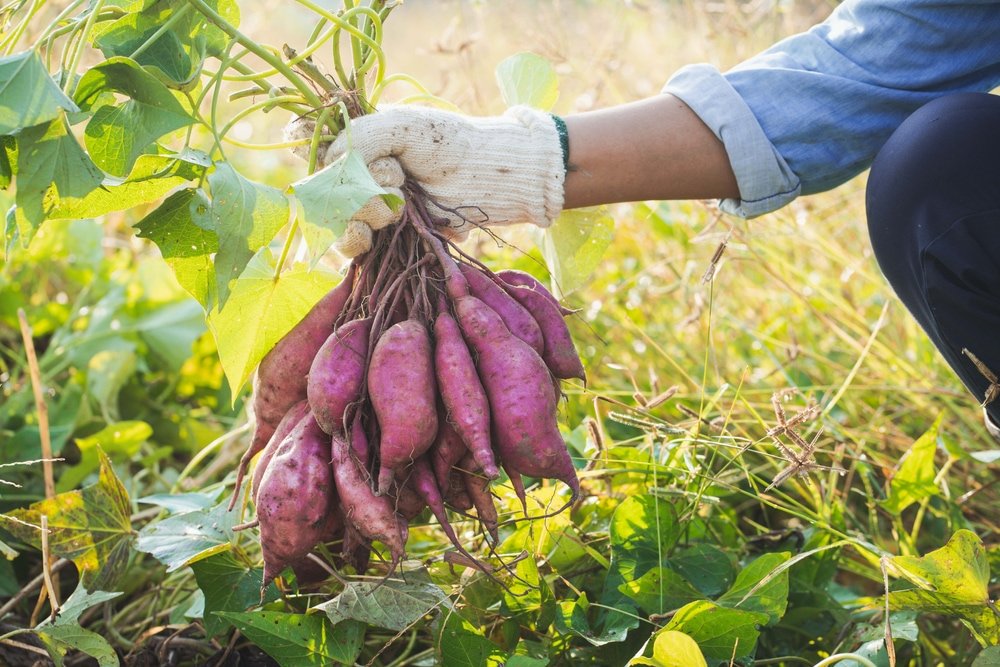
Sweet potato
Sweet potatoes grow from what are known as slips (or shoots) rather than from seed. First halve a sweet potato, ensuring it is clean. Then, suspend it half in/half out of a jar filled with water using toothpicks. In a few days, it will begin to produce slips. Remove them and put them in water individually to grow roots. Expect rooted slips within a week. Then plant those slips in well-drained soil, watering every day for the first week, then every other day (or when needed) in following weeks.
Ginger
When using ginger, select pieces that are sprouting slightly. Cut off parts that look like they’re about to start what’s called a “rhizome”, since they are vital for growing new ginger. Though easy to grow, ginger requires specific conditions, like a warm and humid environment (kitchens are ideal). Place the ginger piece 3-5 inches deep in soil, with the rhizome pointing up. Water regularly. While it can take up to ten months to harvest a significant amount of ginger, the health benefits make the effort worth it.

Pineapple
Though it takes a few years to grow, it is worth the effort if you live in a warm climate. Remove the leafy “crown” of a pineapple, cutting about an inch below the leaves. Trim the bottom to reveal small brownish bumps (these are the root buds). Before planting, dehydrate the crown to prevent rotting. Put the prepared pineapple crown in a shallow dish of warm water. Once roots begin to grow, plant it in a container with soil and water weekly. If you can, put it in a bright, warm spot with lots of direct sunlight.
:max_bytes(150000):strip_icc()/BabyPina-JennParker-e8b74fda6de046f1bea9a708dc9d7f53.jpg "20 Vegetables You Can Re-Grow From Scraps")
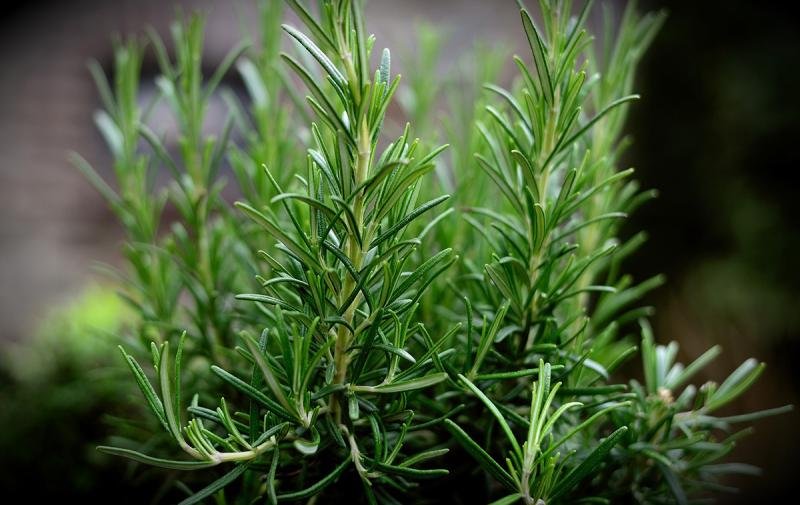
Rosemary
Just like with other herbs, rosemary can be regrown from 5-6 inch cuttings. Put the cuttings in water: rooted cuttings can be expected within a few weeks while others may rot. In a 4″ pot with damp potting soil, create a 3″ hole with a pen or pencil and carefully put the rosemary cutting inside. Rosemary is delicate, so water only when the soil begins to feel dry. It requires direct sunlight 6-8 hours a day to flourish. If the soil is not dry, you can mist the plant.
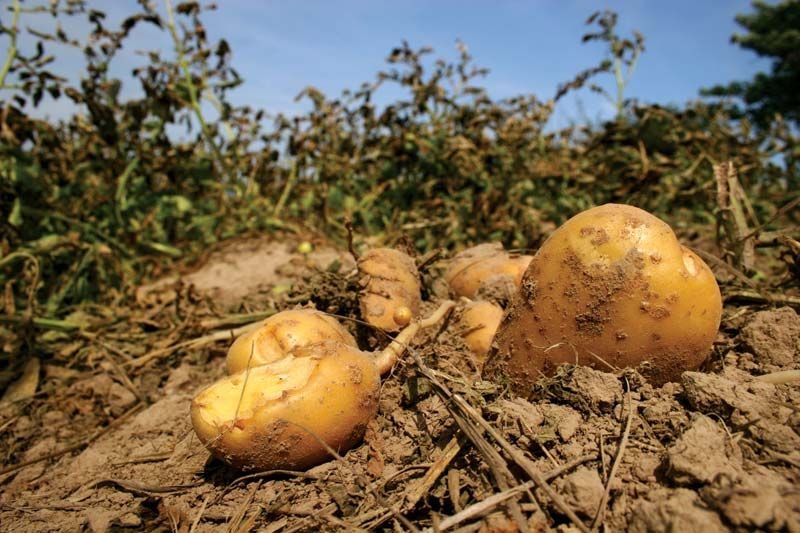
Potatoes
To grow potatoes, you need potatoes that have ‘eyes’ (or slips). Selecting potatoes with multiple eyes, cut them into 2 inch squares, making sure each piece contains at least a couple of eyes. Leave the cut squares at room temperature for a few days to dry out properly which prevents rotting. Place the squares 8″ deep in a deep pot with the eyes facing up, cover with another 4″ of soil. As roots start to grow, continuously add more soil and keep the plant modestly watered. Expect your potatoes to be ready in as little as 70 days!
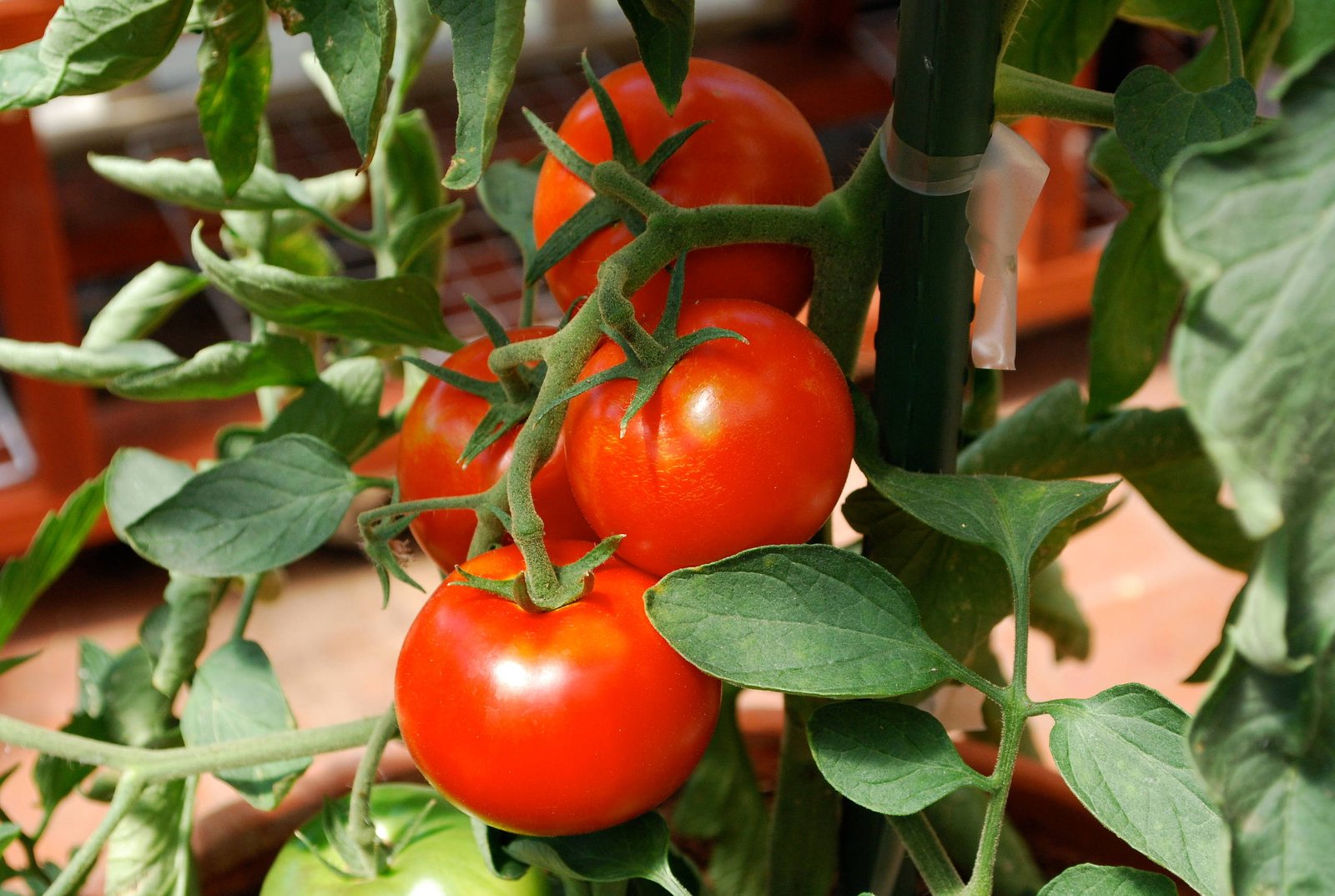
Tomatoes
You can regrow tomato plants that can reach as tall as 8 feet. Gently remove the tomato plant from its pot, cut off the lower leaves, then place in a hole, filling it with soil without compressing much.
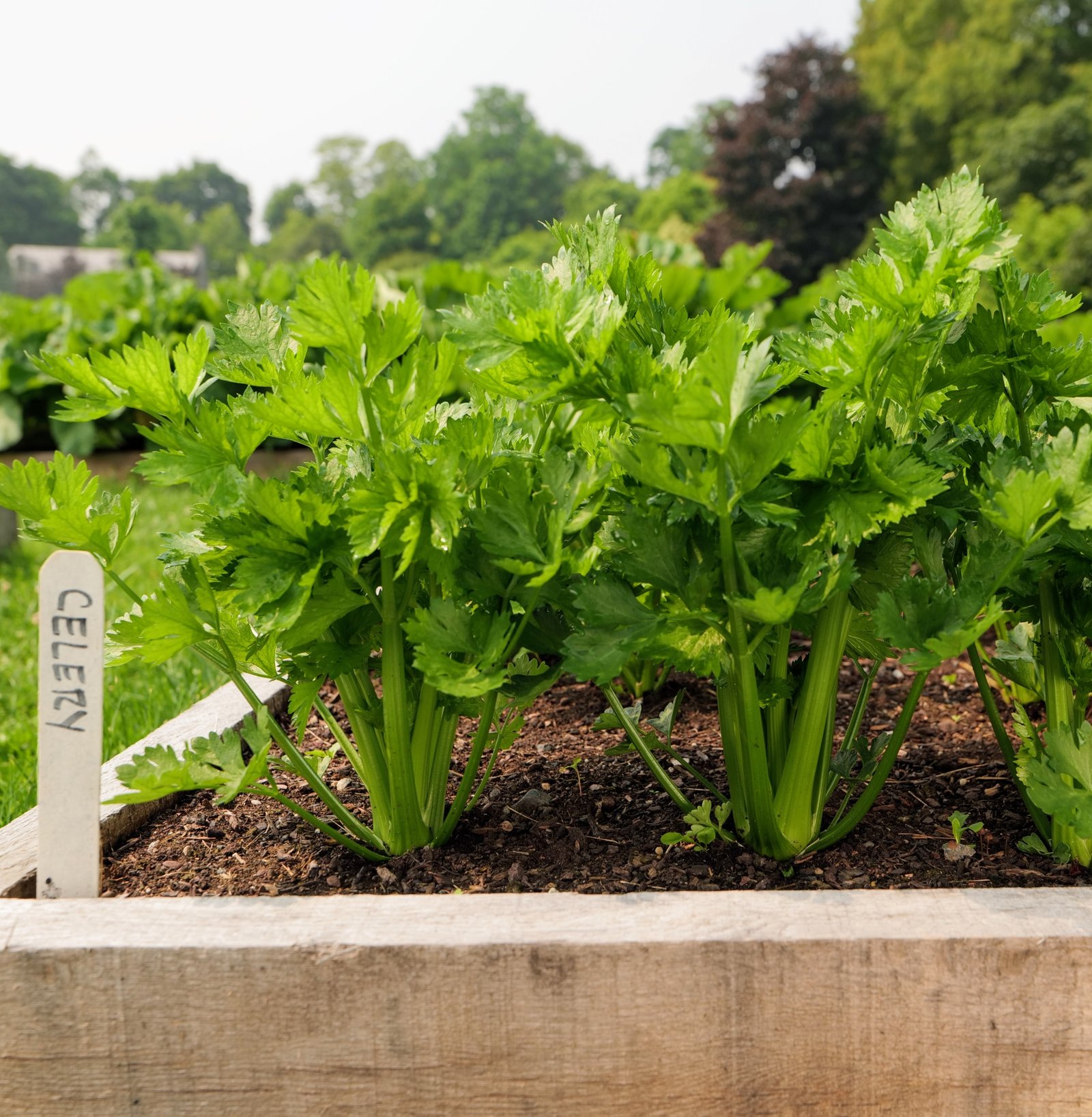
Celery
To regrow this snack, cut off the base and put it in a bowl with a small amount of warm water. Put the bowl where it will receive direct sunlight, and within a week, the celery base will grow leaves. Next, transplant the celery to soil and observe it grow!
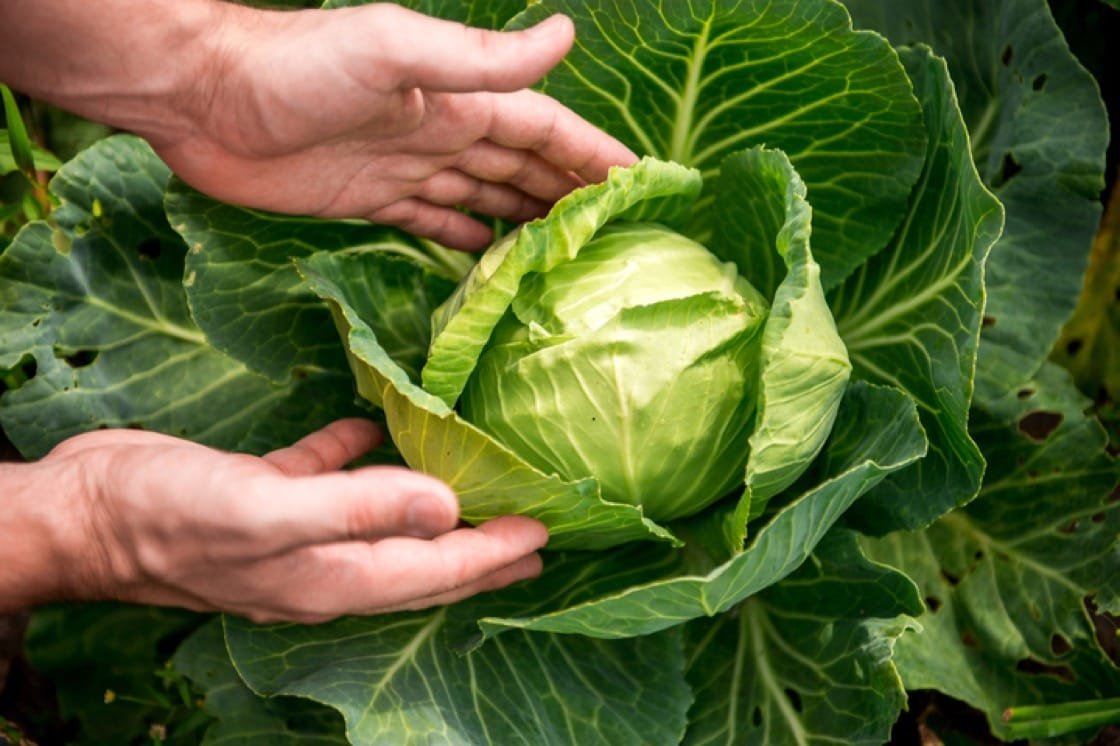
Cabbage
Instead of throwing away, keep the end of your cabbage head. Similar to celery, put it in a container with an inch or two of water in a well-lit area, and wait. It will regrow over time on its own.
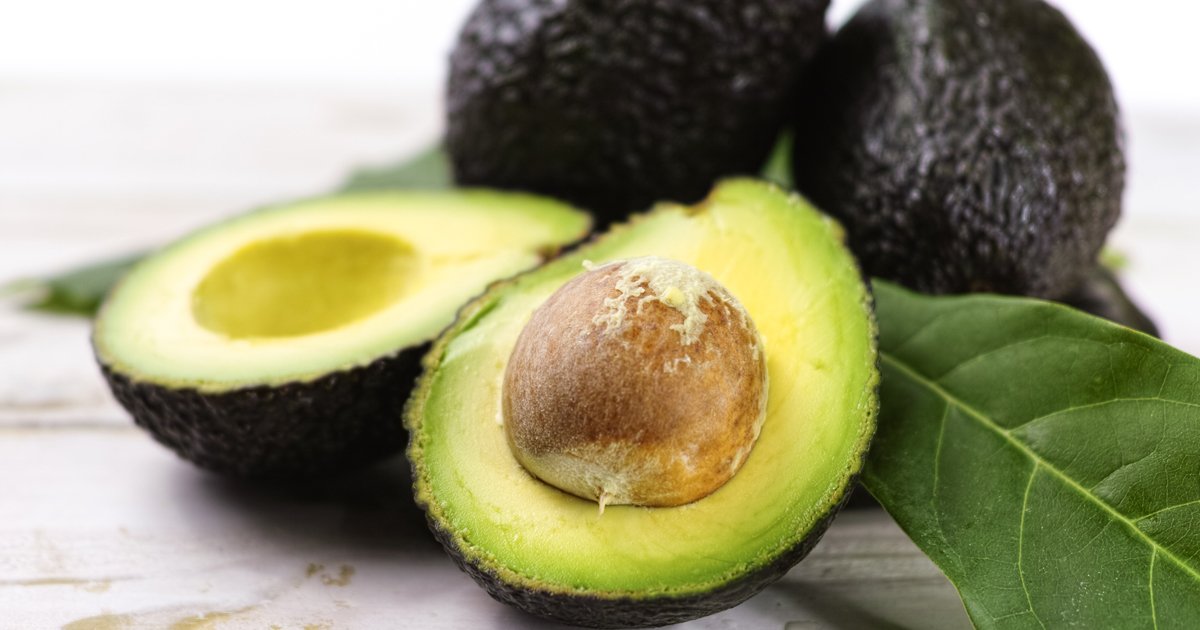
Avocado
It is possible grow an avocado tree from an avocado pit.
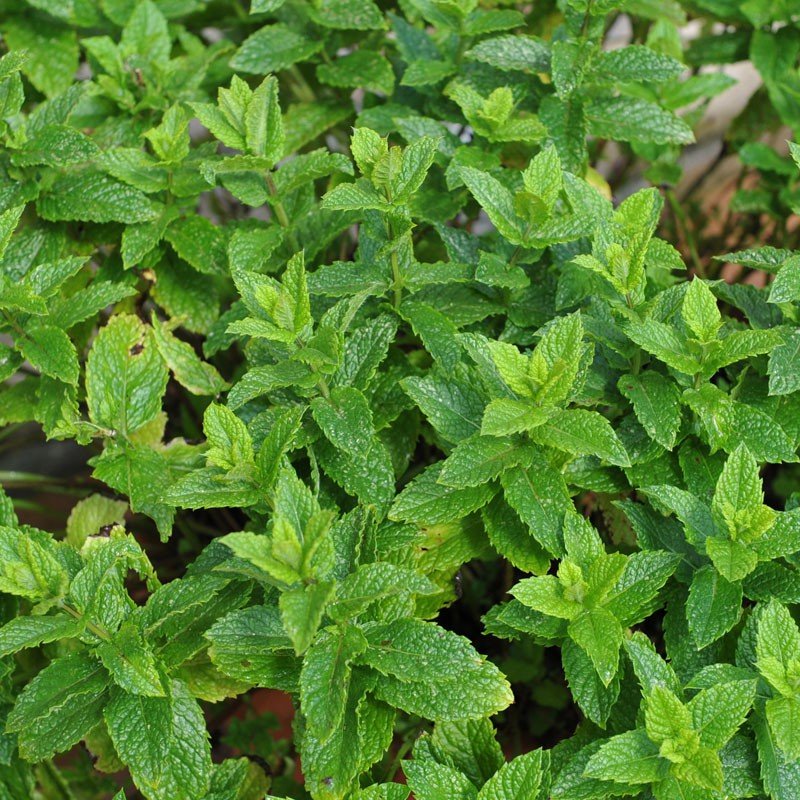
Mint
To grow mint, take a clipping and plant it 3″ deep in a damp soil. Use a pot of 5-8″. Position in the pot in a slightly humid room with direct sun exposure (the kitchen works perfectly here). Rotate the pot every few days to ensure even growth. In a few weeks, your mint plant will be flourishing and ready to be harvested for delicious meals and drinks.
Lemon
To grow a lemon tree, you need the following: an organic lemon with non-germinating seeds, nutrient-rich potting soil, a planting pot that’s 6″ wide and 6″ deep, a seedling pot that’s 24″ wide and 12″ deep, and a sunny growing location (a grow lamp is a possible aid).

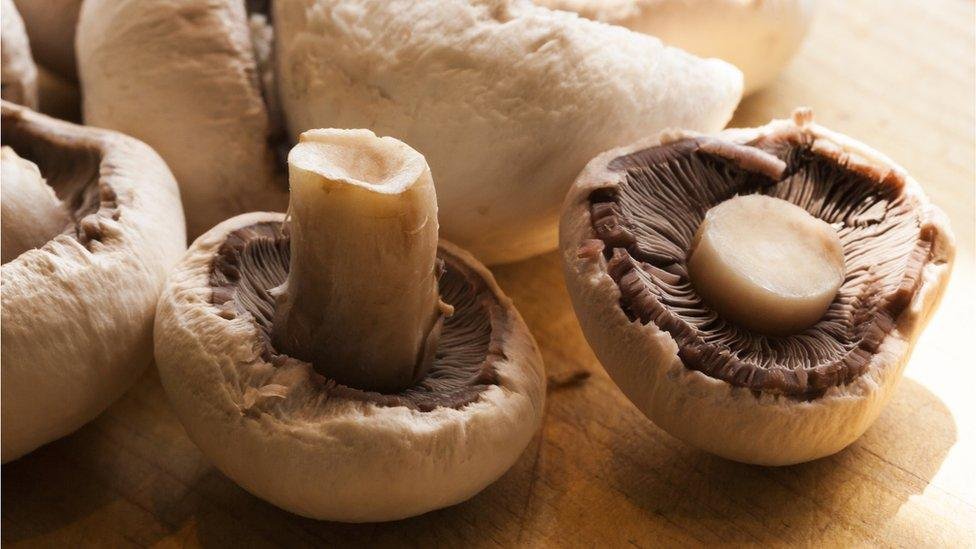
Mushrooms
Mushrooms have the ability to be cultivated once again in the comfort of your own house by using the spores.
Peppers
Using leftover seeds, you can grow many different kinds of hot peppers. You just need to gather seeds from peppers, such as habaneros or jalapenos. Plant in potting soil. If it is not warm outside, keep them in direct sunlight. If it is warm, you can just plant them in your garden. Peppers are fast growing and don’t need much attention. Once you get a new crop, just save some of the seeds for replanting again.
:strip_icc()/ace-hybrid-pepper-65bdebda-b2844fa9d46a443286bd5d1b2a4ec5e5.jpg "20 Vegetables You Can Re-Grow From Scraps")
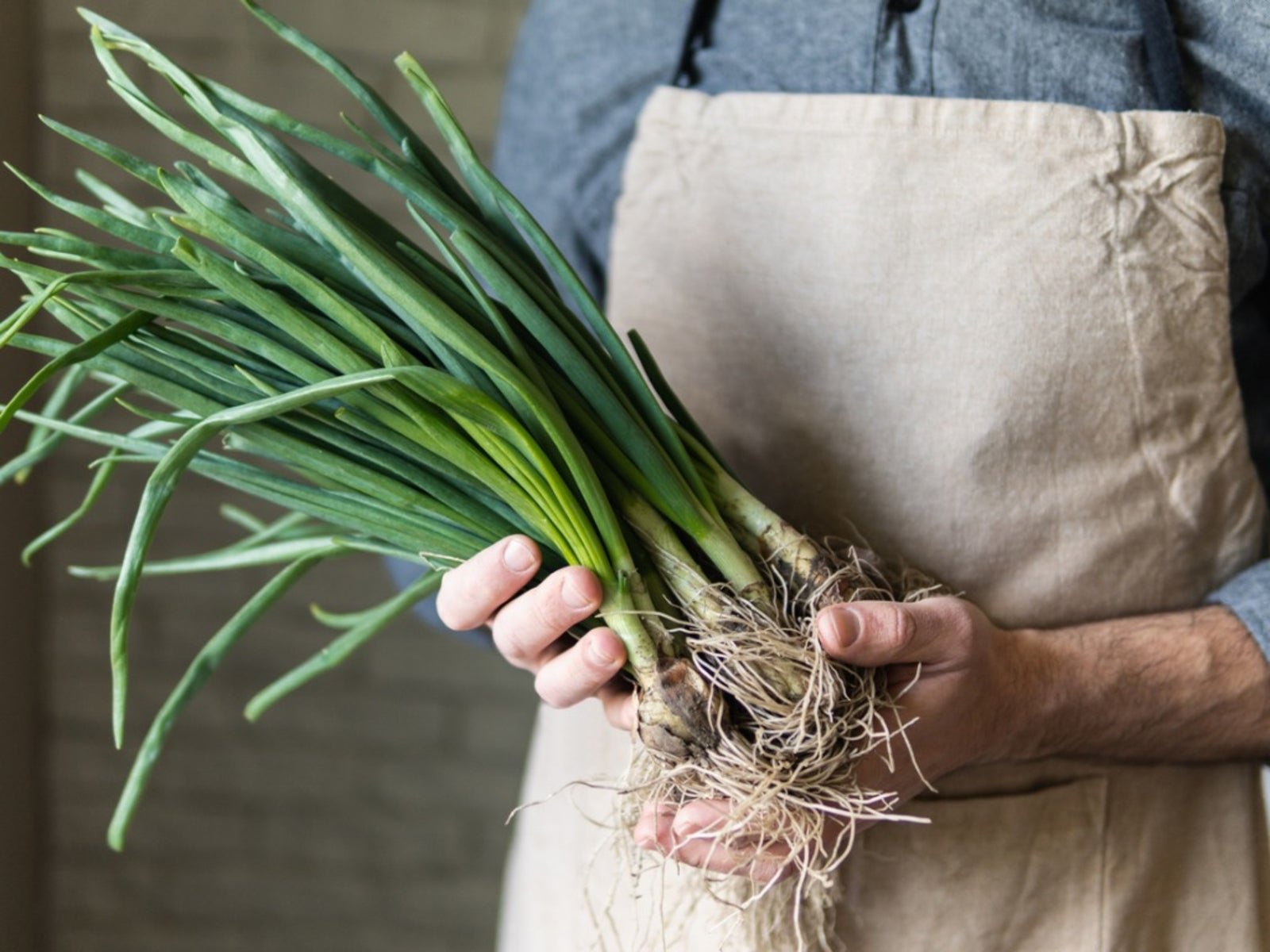
Scallion
In just five days, you can regrow scallions, (green onions.) Keep at least an inch of the scallion attached to the roots, put them in a small glass of water, and regularly replenish the water if it evaporates. Soon, your scallions will flourish in this environment.
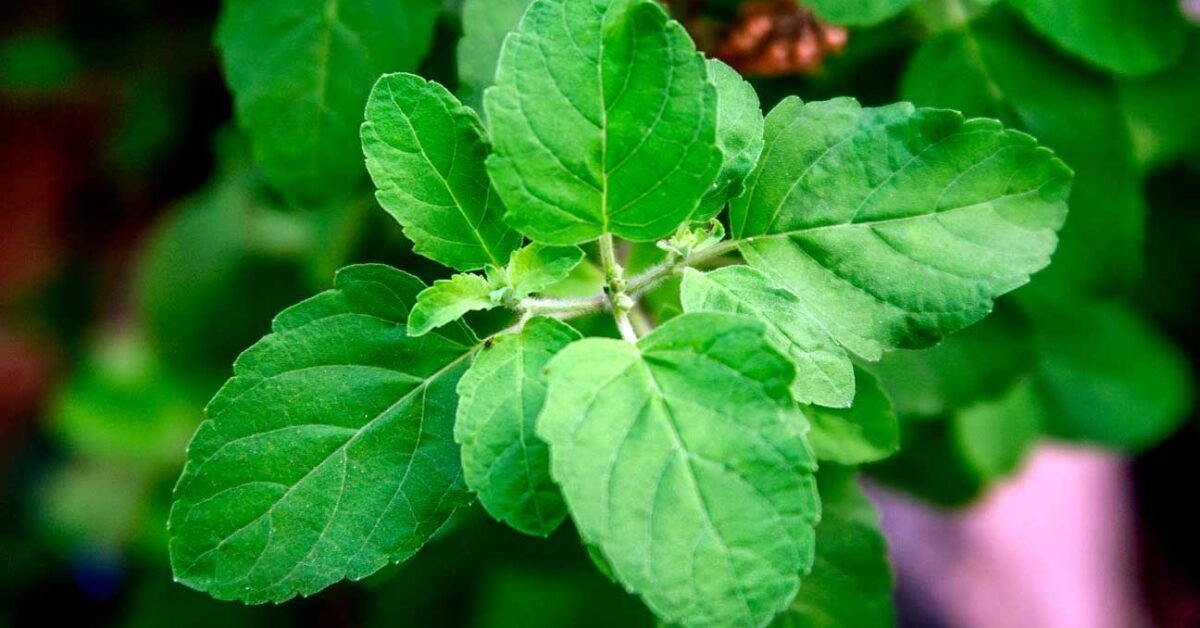
Basil
Do you have basil clippings? Collect the clippings if they have at least four-inch stems, and place them in a glass of water under direct sunlight. Once the stems have grown two inches long, you can plant them in a pot with soil to grow your own basil plant. You will never need to buy basil again!
Onions
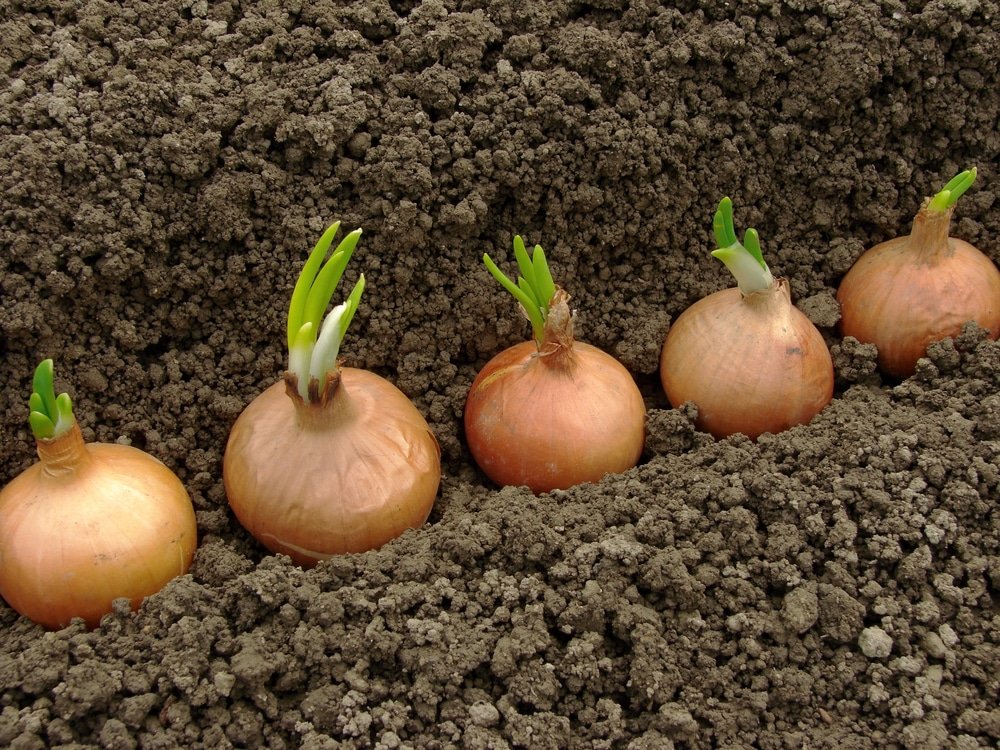
Unlike the other items, onions must be planted directly in the soil. Take the bottom end of an onion and plant it in a pot or outside. If it is potted, be sure to water the plant as necessary. The more of the bottom that you leave on the onion, the better. By week three, the onion will begin to form roots. By week four, leaves will begin to sprout.
As you can see, most of these methods involve similar steps: exposing the vegetables to direct sunlight in a container of water. These easy-to-follow processes can save you money and guarantee that you are consuming fresh, organic produce.
Conclusion
In conclusion, regrowing vegetables and herbs from scraps or seeds is a rewarding and environmentally friendly practice. This method not only helps you save money on groceries but also ensures you enjoy fresh and organic produce right from your home. The techniques outlined above provide clear, easy steps for cultivating a variety of plants, including pineapples, herbs like rosemary and mint, and traditional vegetables like potatoes, tomatoes, and onions. With minimal resources and a little patience, anyone can transform kitchen scraps into vibrant new plants. So, why not give it a try? Start your home garden today and relish the joy of growing your food!


