

Pruning roses can appear daunting initially; however, with appropriate methods and timing, it transforms into a vital and fulfilling aspect of rose maintenance.
Roses are treasured for their delightful scent, visual appeal, and their ability to enhance the beauty of any garden.
To maintain the well-being and robustness of rose bushes, and simultaneously promote ample flowering, correct pruning is indispensable.
Within this detailed guide, the craft of rose pruning will be examined, detailing when and how to prune for the best possible outcomes.

Timing is Key
The overall health and the amount of blooms of roses largely depend on pruning them at the correct time.
Although the precise timing will differ depending on the rose variety and the local climate, the general advice is to prune when the rose bushes are in their inactive phase, typically in late winter or early spring before the start of fresh growth.
If you live in a warmer region, where roses might not fully enter dormancy, try to prune during the cooler months when the plants are not growing as fast.
Tools of the Trade
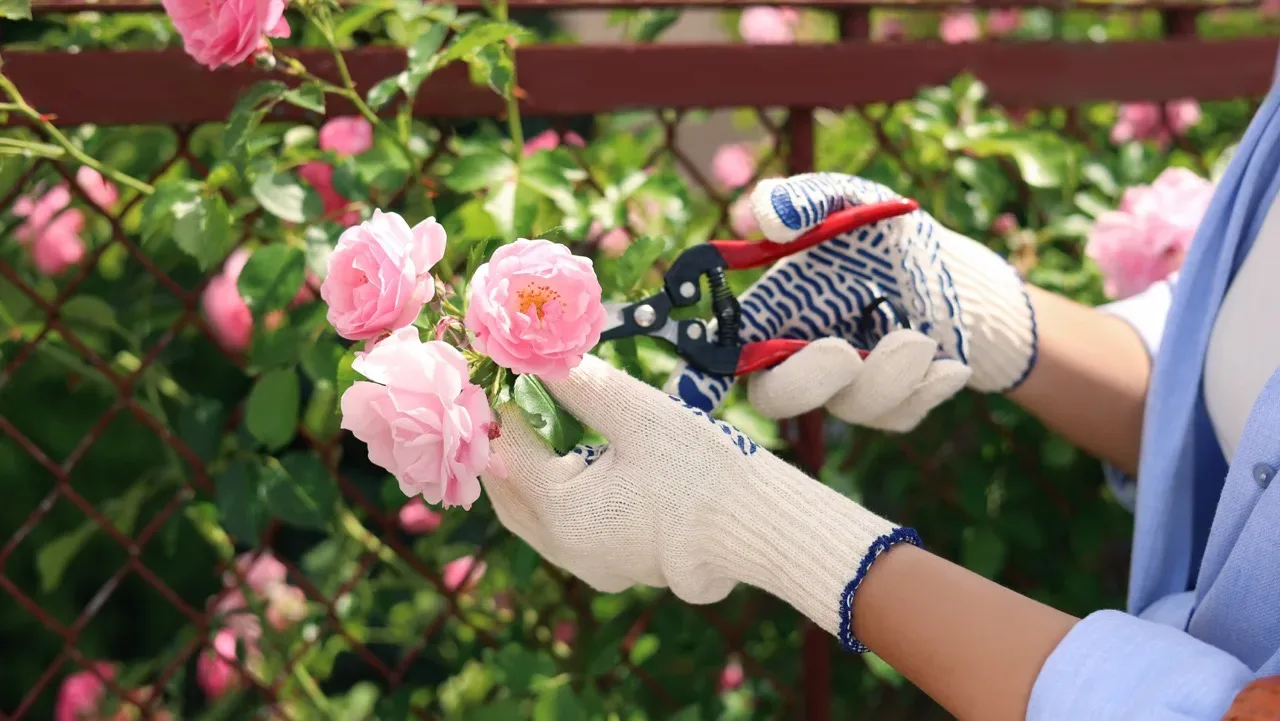
Before starting the pruning process, make sure you have all the necessary tools to make precise cuts and reduce the risk of injury to your roses.
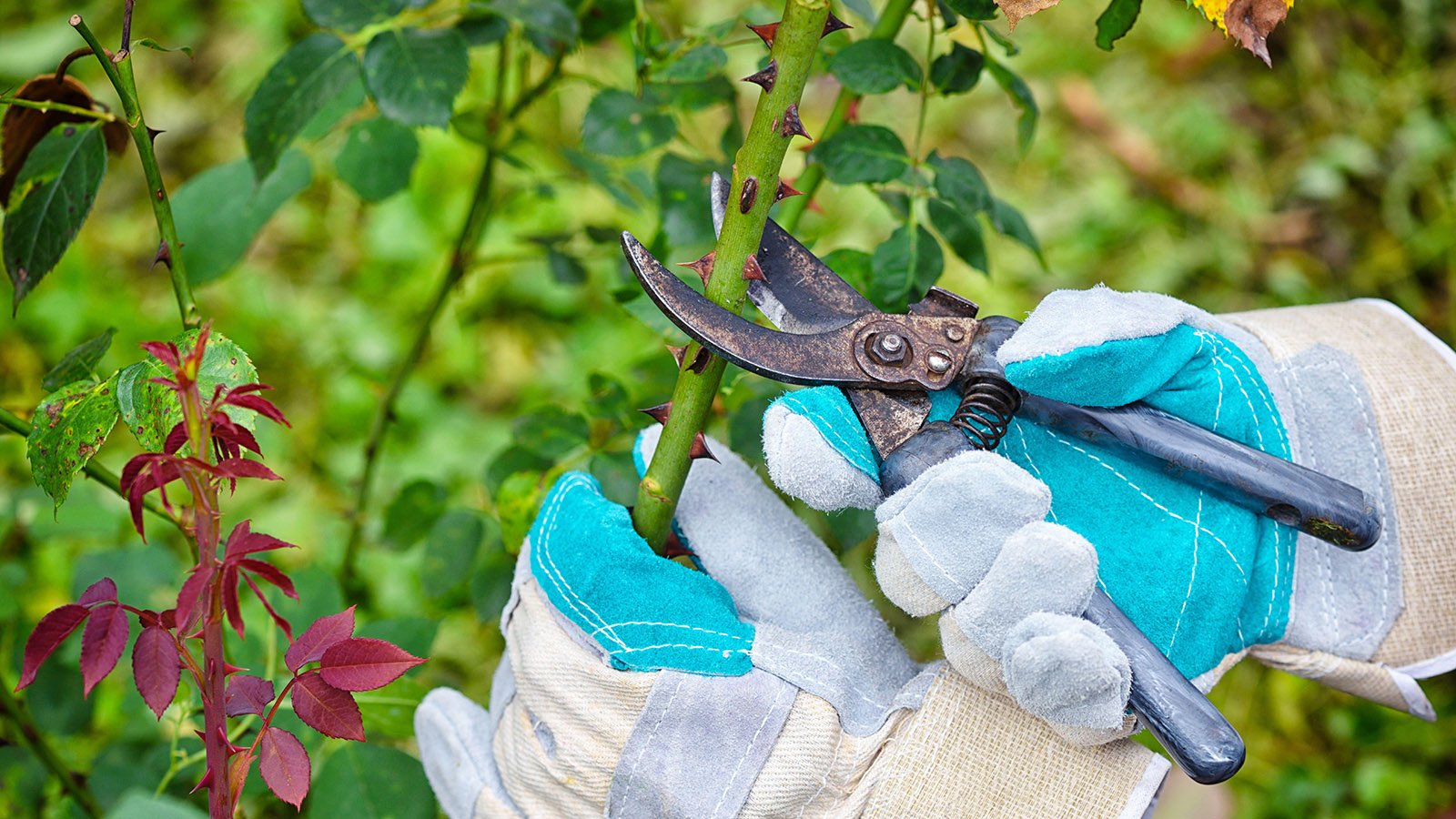
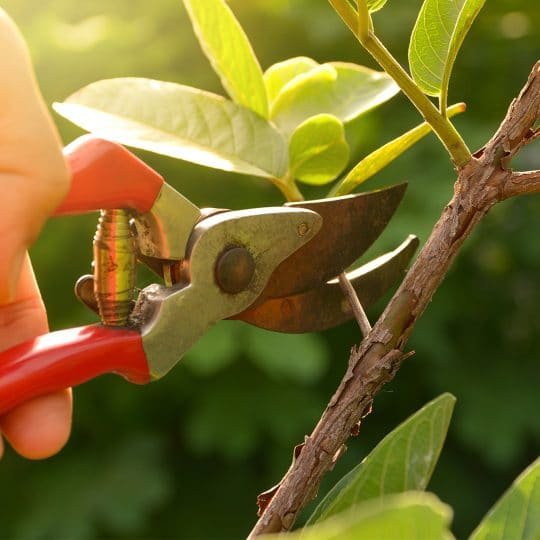
Among the key tools needed for effective rose pruning are sharp bypass pruners for cutting through stems, long-handled loppers for thicker stems, and durable gloves to safeguard your hands from thorns.
Pruning Techniques
When you prune roses, your main focus should be on cutting off dead, unhealthy, or damaged sections, as well as any branches that are overly crowded or cross.
Here are general pruning practices for various rose types:
- Hybrid Tea and Grandiflora Roses: These kinds of roses yield big, individual flowers on tall stems. Prune by removing any dead or weak stems, along with any branches that are heading in toward the middle of the rose bush. Encourage growth and airflow by cutting stems back to buds that face outward.
- Floribunda Roses: Floribundas develop bunches of more petite flowers on shorter stems. Prune in a manner similar to that of hybrid tea roses, but allow more stems to remain in order to preserve the bushy form and richness of flowering.
- Shrub Roses: Shrub roses possess a more organic, sprawling pattern of growth. Prune sparingly to eliminate any dead or intersected branches, with a focus on keeping the plant’s general shape and structural integrity.
- Climbing Roses: Climbing roses feature extended, curving canes necessitating distinct pruning strategies. After the blooming phase, prune by getting rid of any dead or weak wood and trimming back lateral extensions to foster renewed growth.
Step-by-Step Pruning Process
To make sure your pruning goes well, do these steps:
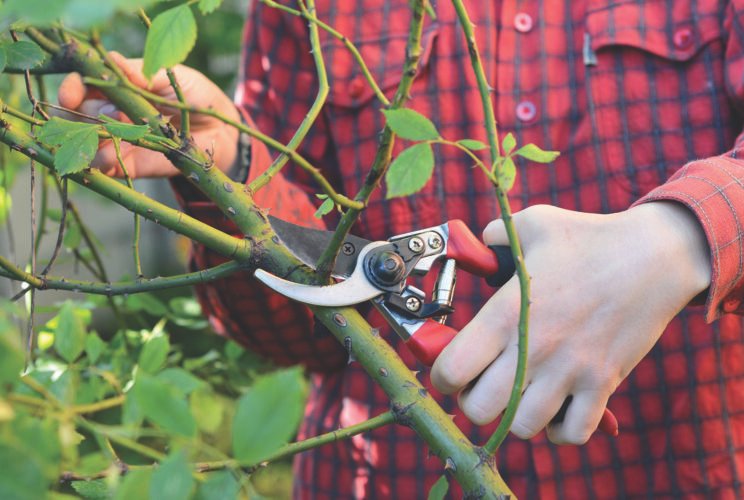
- Start by removing not only dead wood but also wood that shows signs of disease, cutting all the way back to healthy tissue.
- Identify any branches that are crossing or rubbing against each other, and then remove them to keep wounds from forming that could lead to disease.
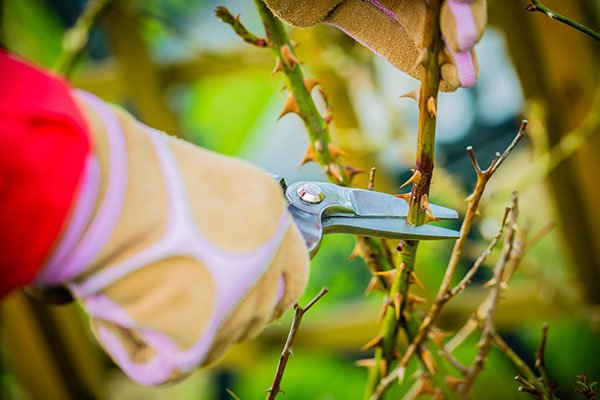
- Cut stems at a 45-degree angle, positioning the cut about ¼ inch above an outward-facing bud.
- Create a more open space in the middle of the rose bush to let air and sunlight get through freely, which will help to lower the chance of fungal diseases.
- Remove any suckers or basal shoots that come up from under the point where the plant was grafted, because they can take energy away from the main plant.
Post-Pruning Care
After you’ve pruned, clear away any discarded material from the base of the rose bushes to decrease the probability of disease.
Add a layer of mulch in order to help keep the soil moist, stop weeds from growing, and manage the temperature of the soil. Give the plants a good amount of water so they can recover after being pruned.
Repeat as Needed
To maintain the health and performance of rose bushes, annual pruning is an ongoing requirement.
Regular pruning encourages vigorous growth, abundant blooms, and helps maintain the size and the general appearance of the plants.
Pruning roses may seem intimidating at first, but with the right timing and techniques, it becomes a rewarding and essential part of rose care.
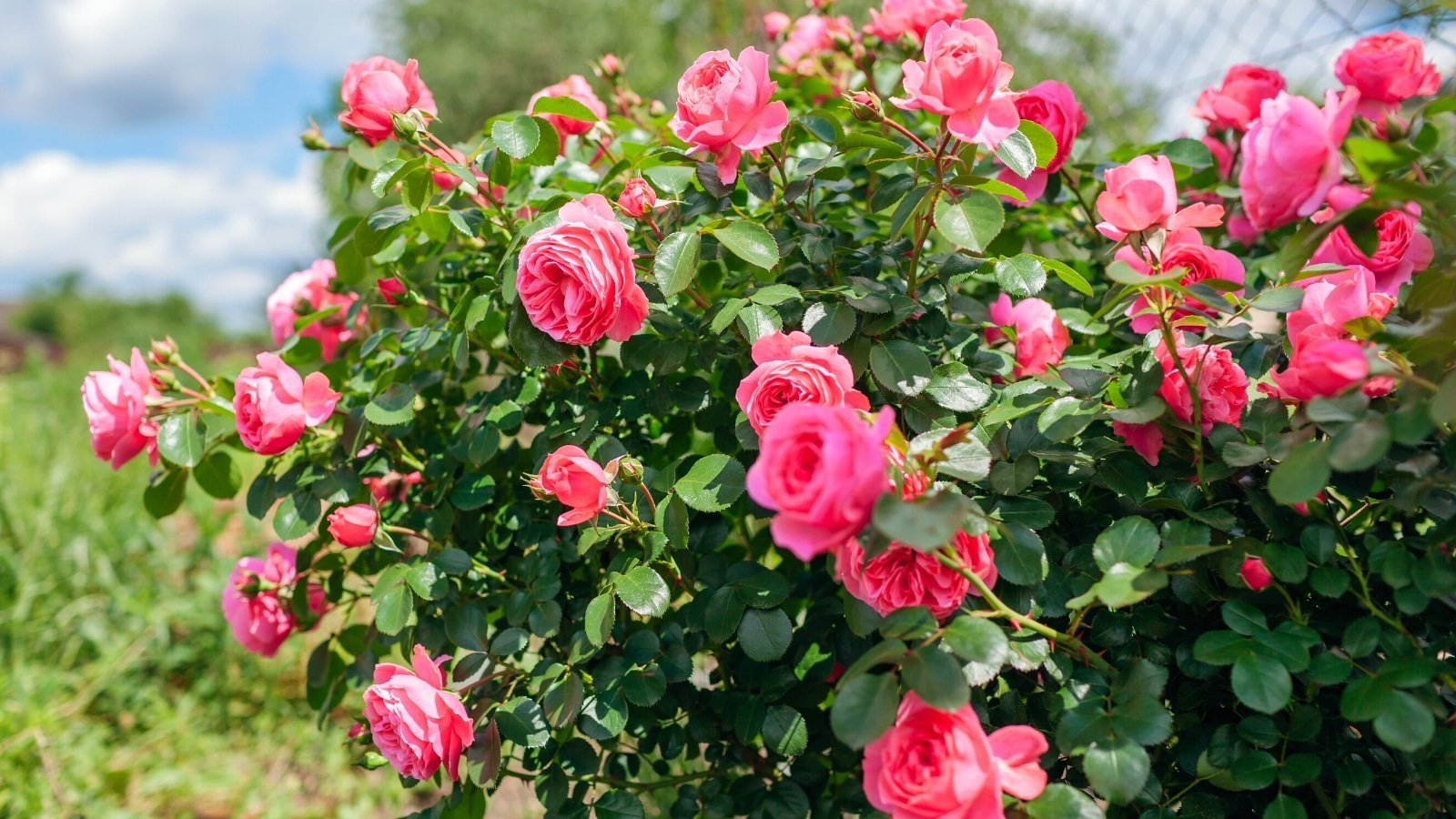
By adhering to the instructions presented in this guide, and by properly executing pruning, you can ensure that your rose bushes remain healthy and lively, filling your garden with an abundance of blooms year after year.
Conclusion
In conclusion, pruning roses is an essential practice that, when performed correctly, can yield stunning results and foster a healthy growing environment for your plants. By timing your pruning appropriately, utilizing the right tools, and employing proper techniques, you will ensure that your rose bushes thrive.
Remember, the goal of pruning is not only to maintain the aesthetic appeal of your roses but also to promote their overall health and productivity. With regular maintenance through annual pruning and post-pruning care, your roses will flourish, providing you with delightful blooms and prosperity in your garden for many seasons to come. Embrace the joy of watching your rose bushes thrive and enjoy the beauty they bring to your outdoor space!


