

Most people simply plant their gardens, not paying attention to plant compatibility. However, the secret to a great garden is companion planting!
Companion planting considers not just nutrient uptake, but also crop defense, pest control, and positive hosting (i.e., boosting populations of beneficial insects to manage harmful pests).
What is Companion Planting?
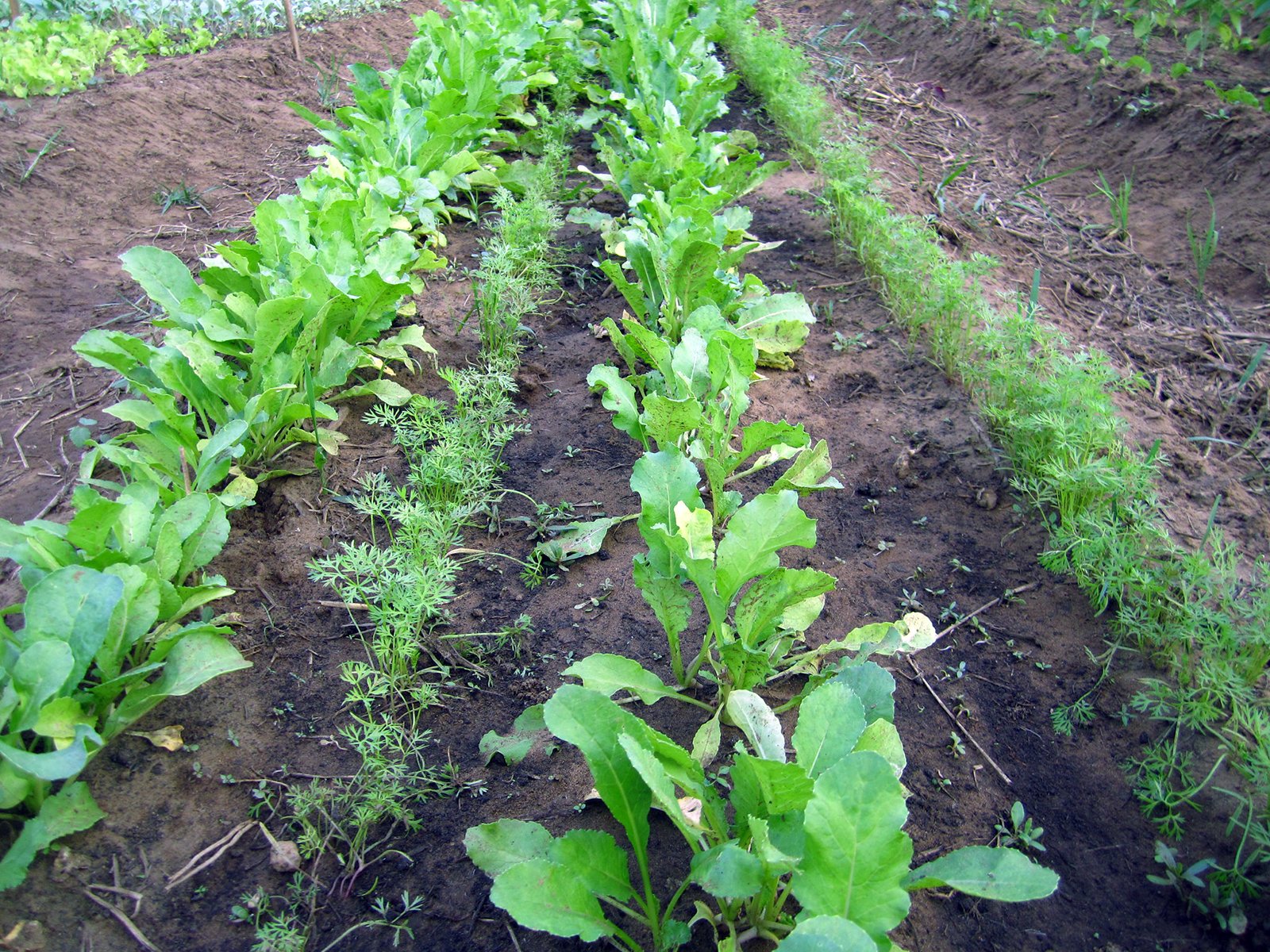
Companion planting involves planting two or more plants in close proximity for their mutual advantages. A great example is growing certain plants together to help fulfill nutrient needs, influence growth habits, or provide pest-repelling properties for each other.
The “Three Sisters” – maize, climbing beans, and winter squash – commonly planted together by indigenous North American communities, is a prime illustration of companion planting.
Benefits of Companion Planting
Besides making nutrients available to other plants, thereby improving their taste, companion planting provides these advantages:
Minimizes Risk
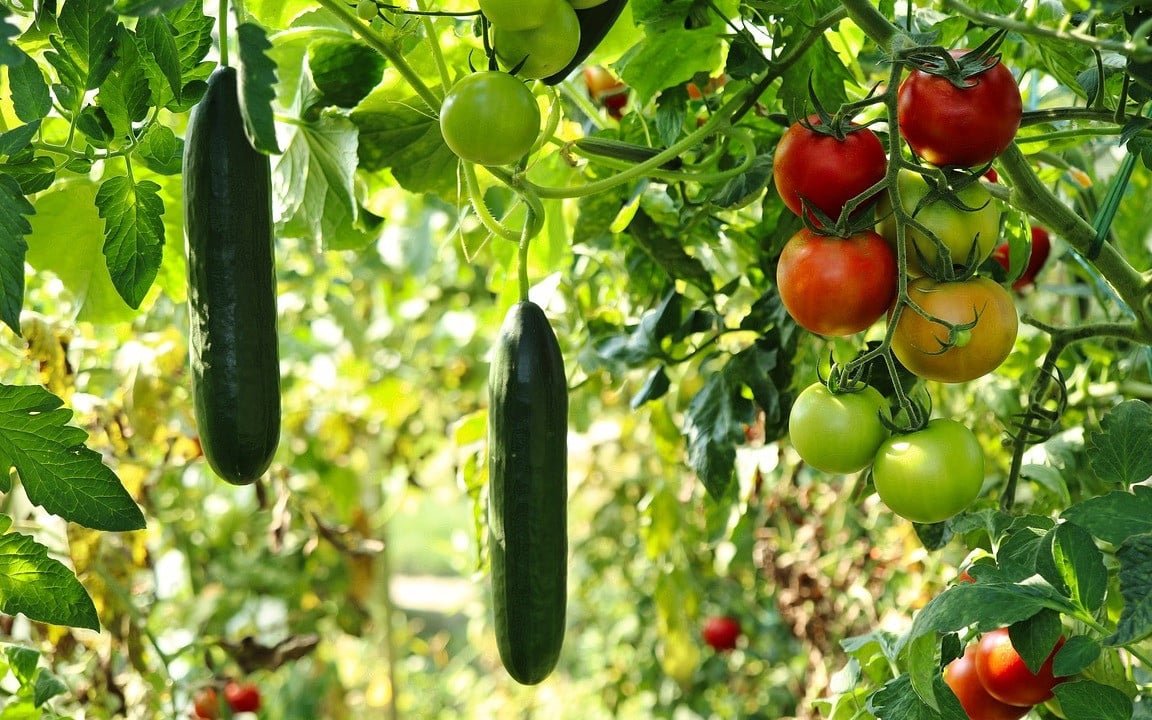
If a crop is impacted by disease, pests, or harsh weather, the total yield can be enhanced by limiting the spreading. To reduce risk, concentrate on fostering optimal natural growth patterns and diversity. Instead of large monocultures (like a massive tomato patch), aim for polycultures that mimic natural plant growth.
Crop Protection
More delicate plants can gain shelter from harsh conditions (sun or wind) through companion planting. Planting sensitive species next to more robust ones with the necessary foliage and strength ensures the success of the more vulnerable plants.
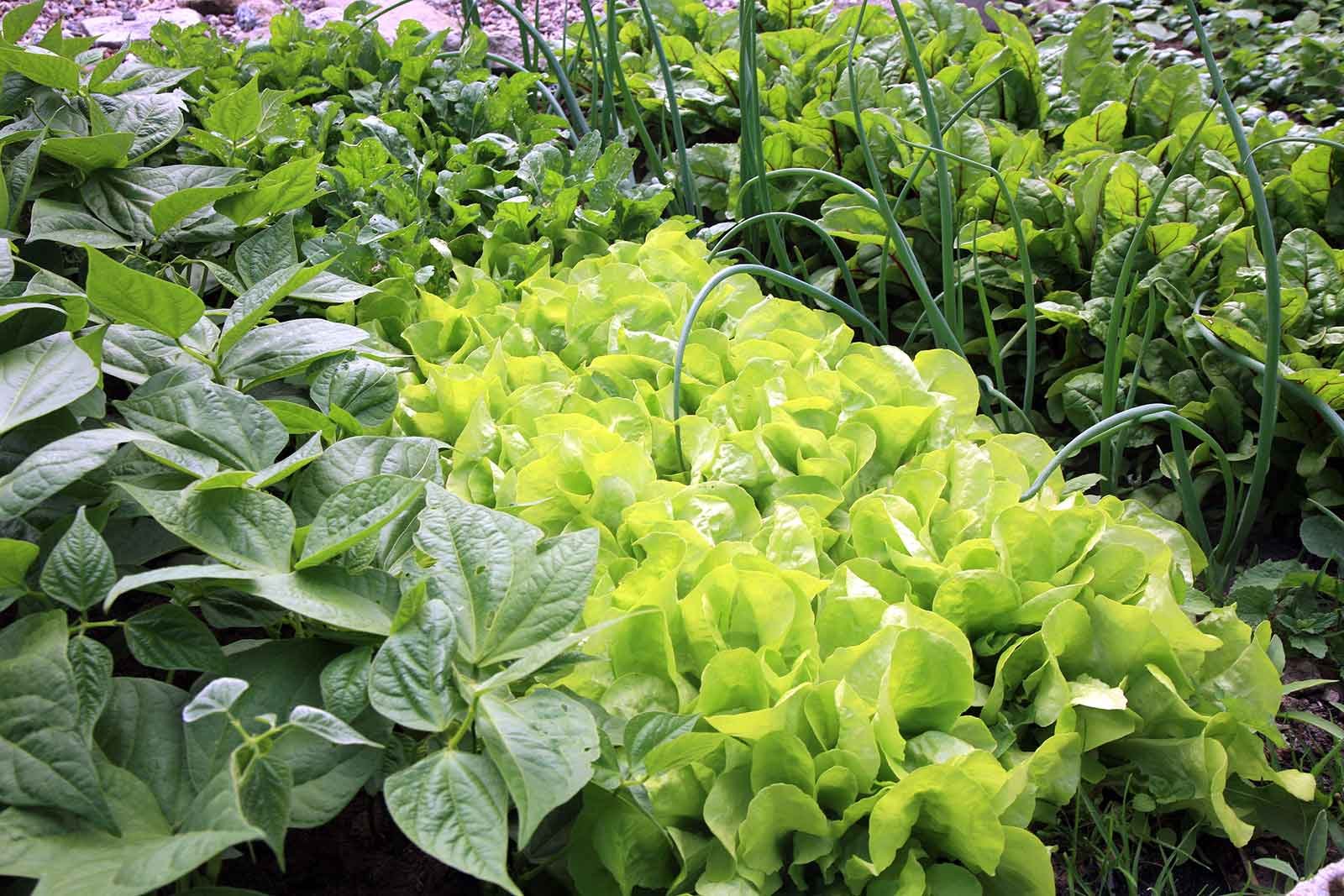
Trap Cropping
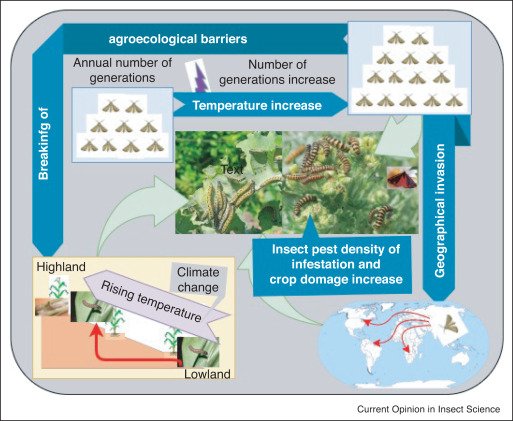
Companion planting further enables superior organic pest management. For crops highly susceptible to pests, try pairing them with plants the pests dislike. This will aid in safeguarding the more vulnerable crops.
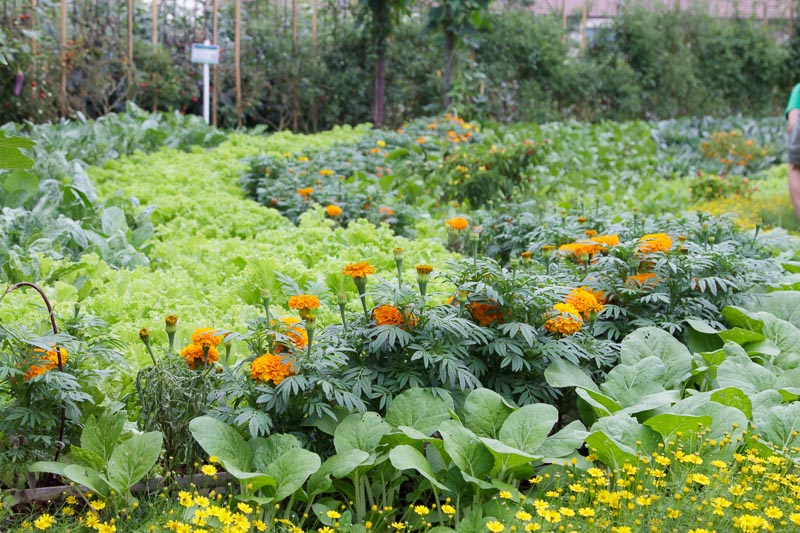
Positive Hosting
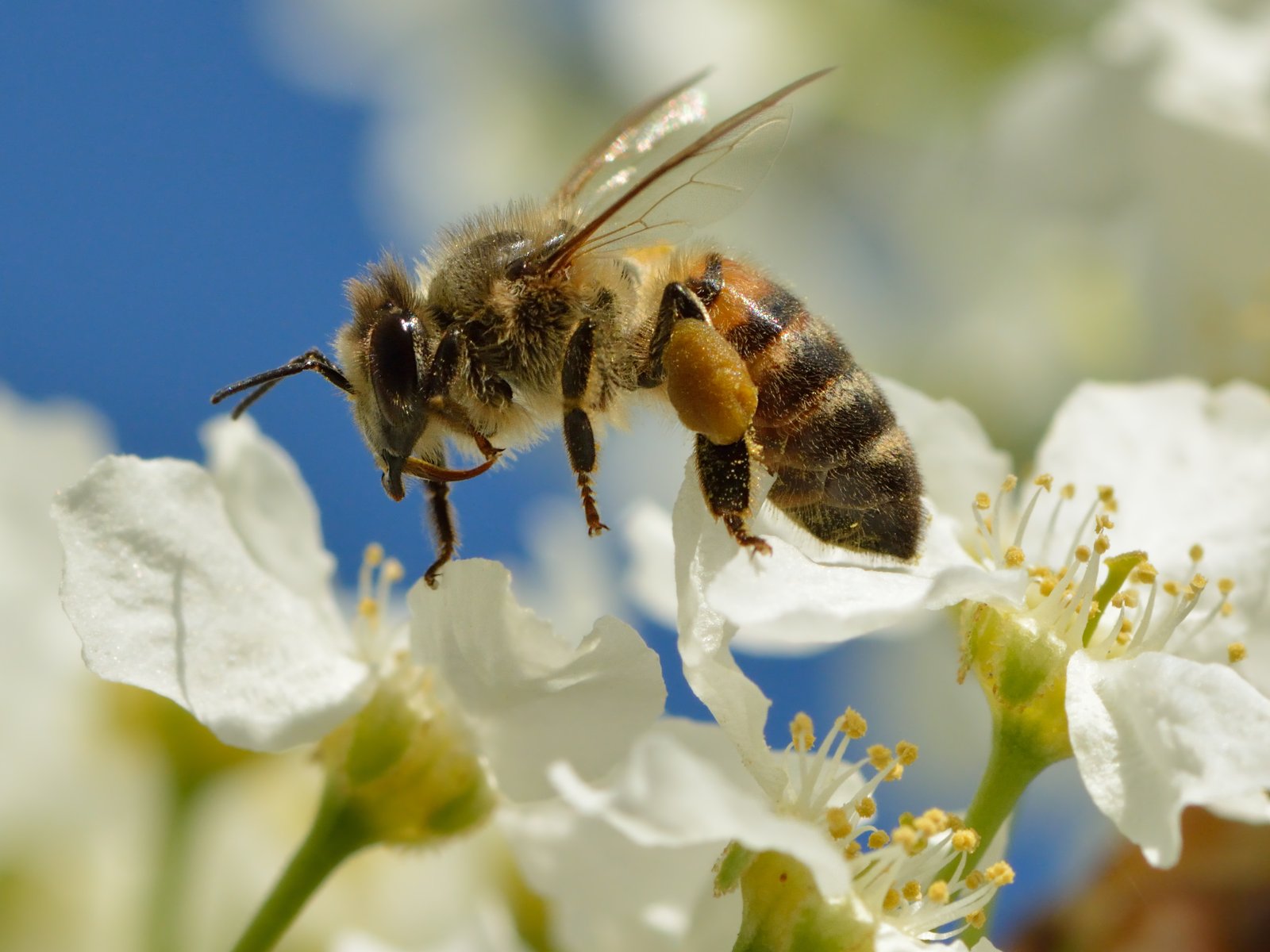
Planting nectar- and pollen-rich plants (like specific flowers) near fruits and vegetables helps increase the population of beneficial insects while naturally managing harmful pests.
Companion Planting Chart
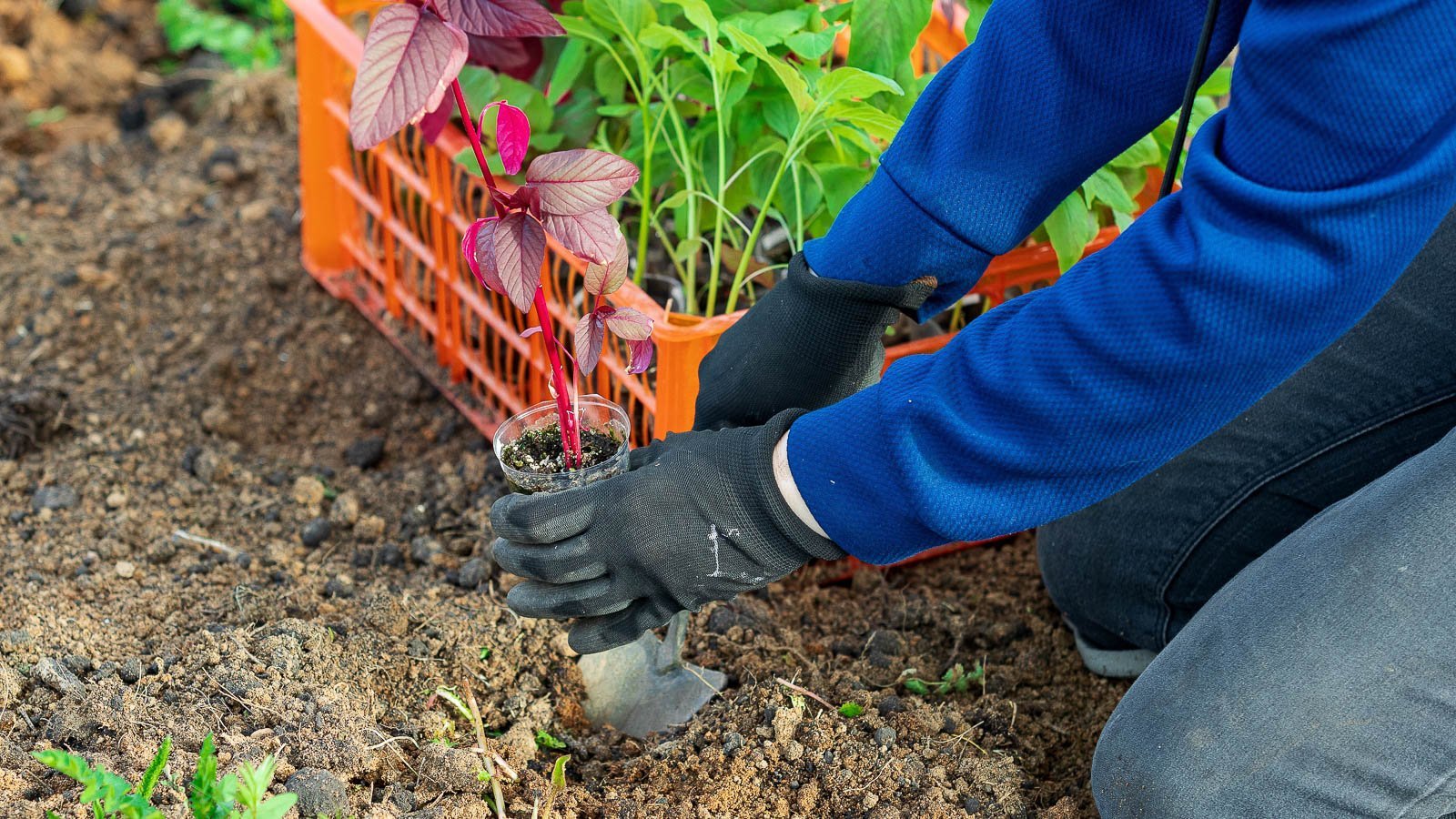
Utilize the following chart as a guide when designing your garden to achieve better results through companion planting!
Amaranth benefits corn by shading the soil, conserving moisture, and attracting predatory ground beetles.
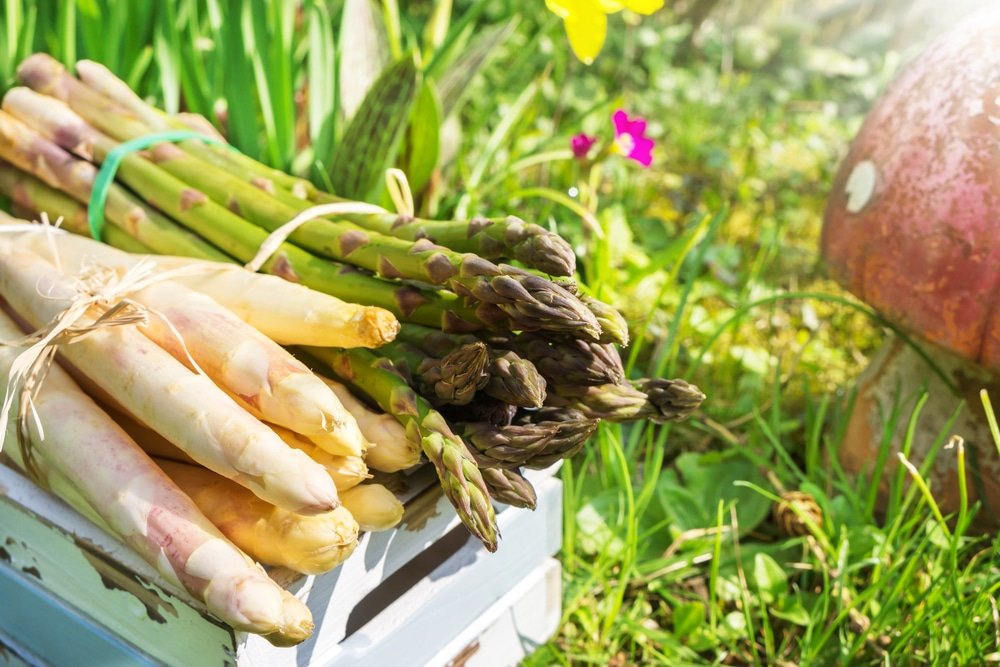
Asparagus thrives alongside basil, cilantro, dill, marigolds, nasturtiums, oregano, parsley, peppers, sage, thyme, and tomatoes. Asparagus repels nematodes that target tomato plants, while tomatoes repel asparagus beetles.
Apples and Apricots surprisingly benefit from garlic, which deters pests like fruit tree borers, aphids, and mites. Additionally, tree roots absorb sulfur from the garlic, enhancing resistance to mold, fungus, and black spot. Marigolds are beneficial to fruit trees because they promote pollination by attracting pollinators (which pollinate the fruit tree flowers). These flowers also inhibit nematodes, which is beneficial for the trees.
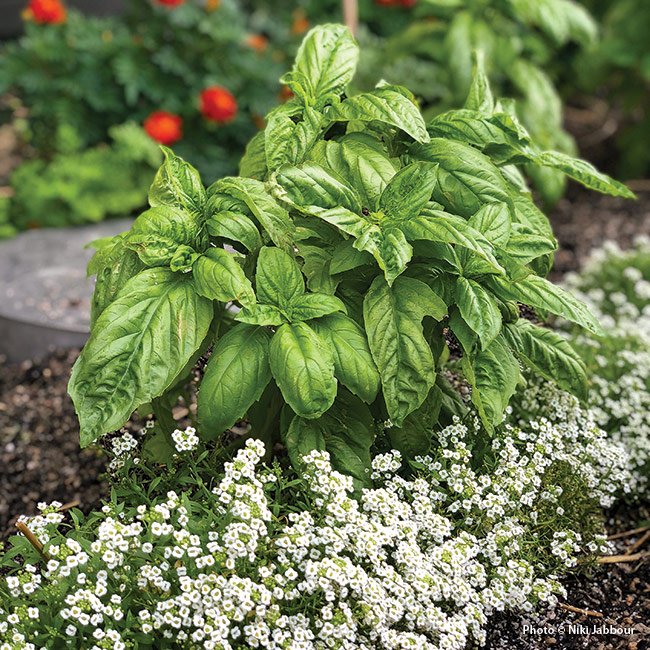
Basil planted with tomatoes enhances flavor and repels aphids, asparagus beetles, flies, mites, mosquitoes, and tomato hornworms. This makes it a good companion for asparagus as well. Additionally, basil pairs well with oregano and peppers.
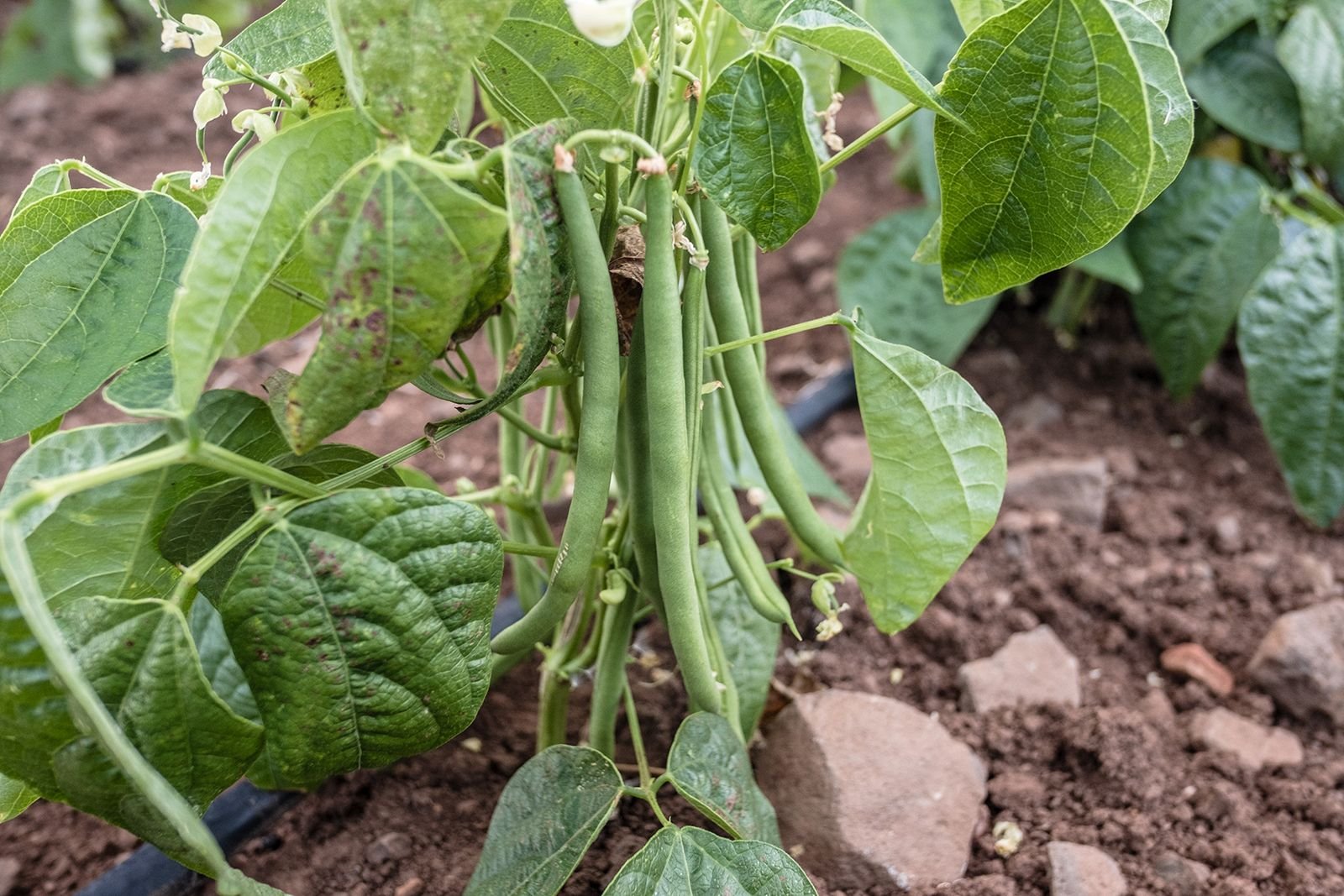
Beans, due to their nitrogen-fixing properties, are advantageous when planted with Brassicas, carrots, celery, chard, corn, cucumber, eggplant, peas, potatoes, radish, and strawberries. Avoid pairing with chives, garlic, leeks, and onions. Beans and beets should also be kept apart to avoid stunted growth.
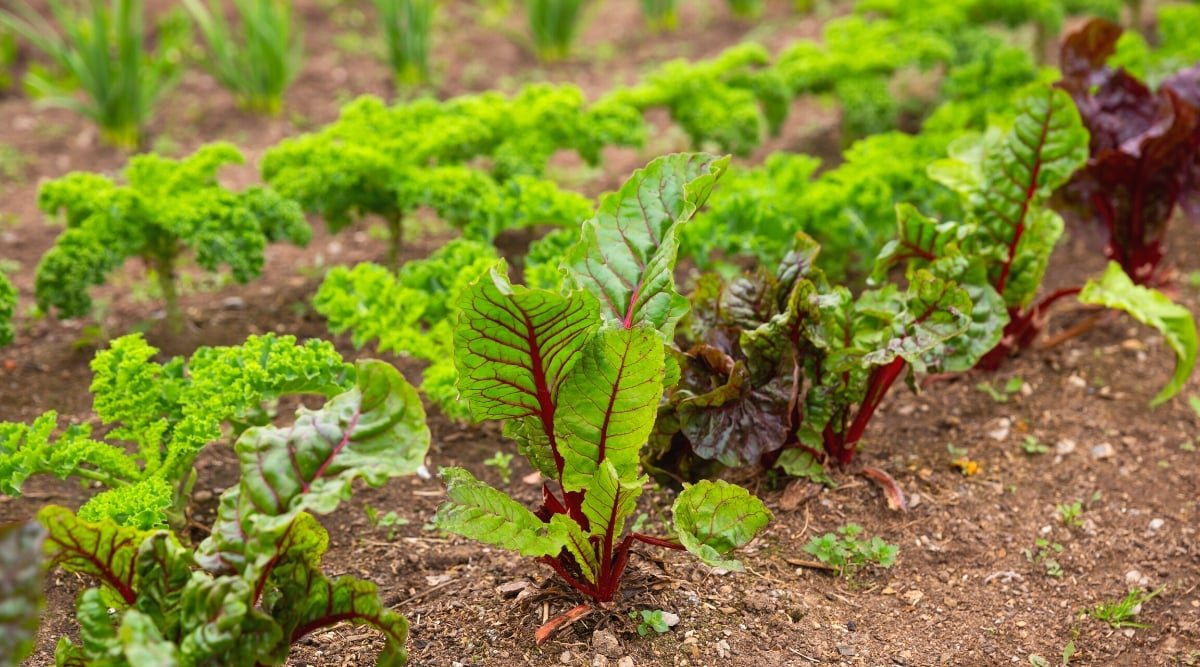
Beets benefit from being planted next to bush beans, Brassicas, corn, garlic, kohlrabi, leeks, lettuce, mint, and potatoes. Avoid planting next to pole beans.
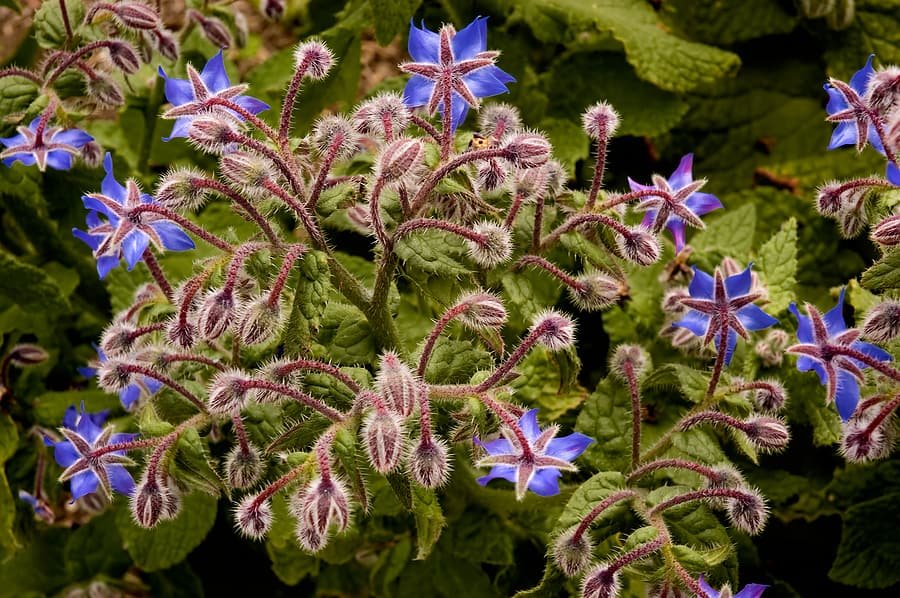
Borage is a helpful companion flower for numerous plants. By deterring tomato hornworms and cabbage moth caterpillars, borage benefits cabbages and tomatoes. It also draws pollinators, making it ideal for squash, melons, and cucumbers, which rely on pollination. Borage benefits both soil and compost, as well.
Carrots are compatible with beans, Brassicas, chives, leeks, lettuce, onions, peppers, pole beans, radish, rosemary, sage, and tomatoes—a very versatile companion! However, avoid planting them with dill, parsnips, and potatoes. Tomatoes will bring out the flavor in carrots, but your carrots might be smaller as tomatoes and carrots compete for soil nutrients.

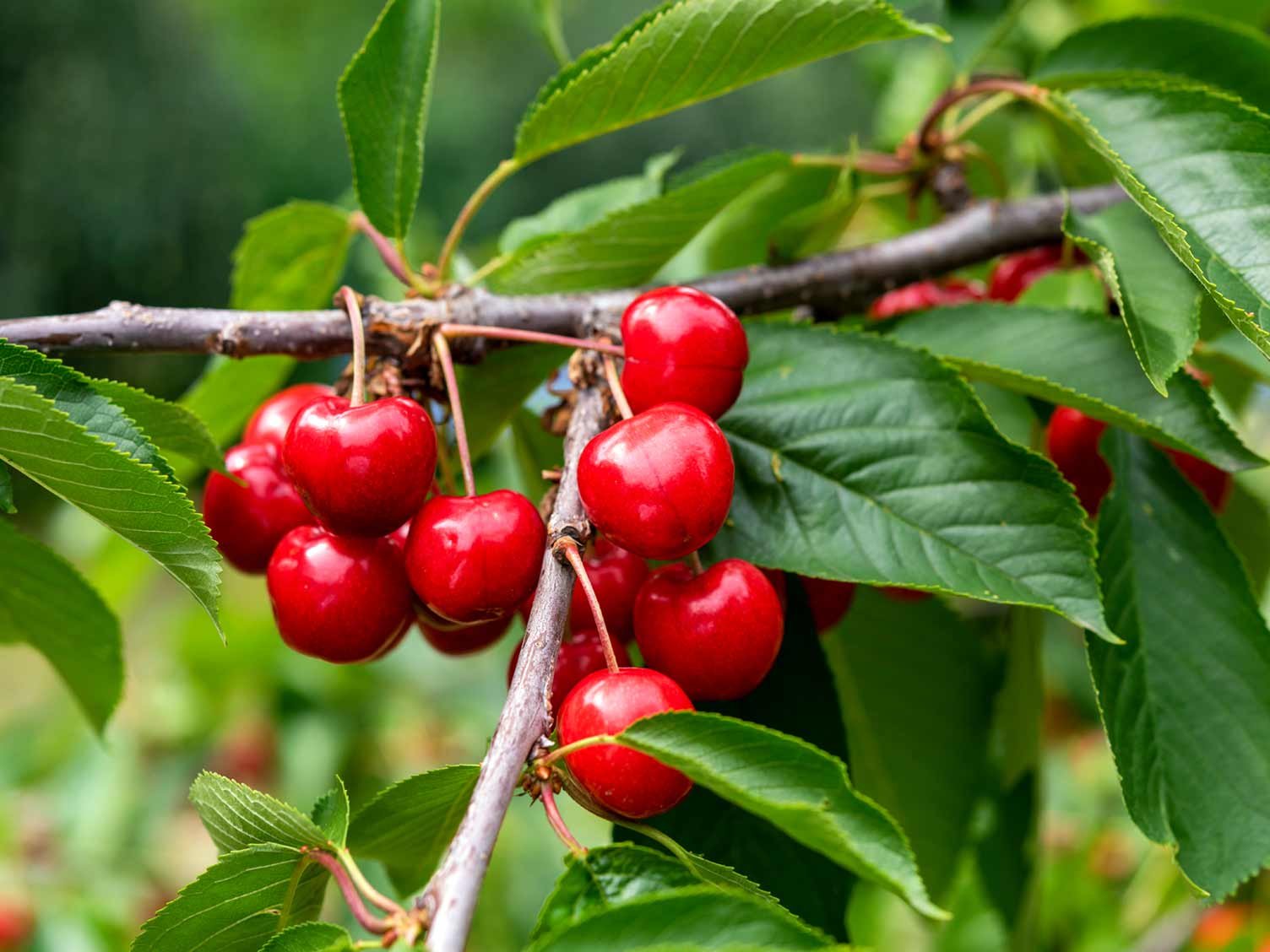
Cherries, like apples and apricots, benefit from garlic, which repels pests (fruit tree borers, aphids, mites); root absorption of the sulfur from garlic reduces disease susceptibility. Similarly to apples and apricots, marigolds can attract pollinators to cherries.
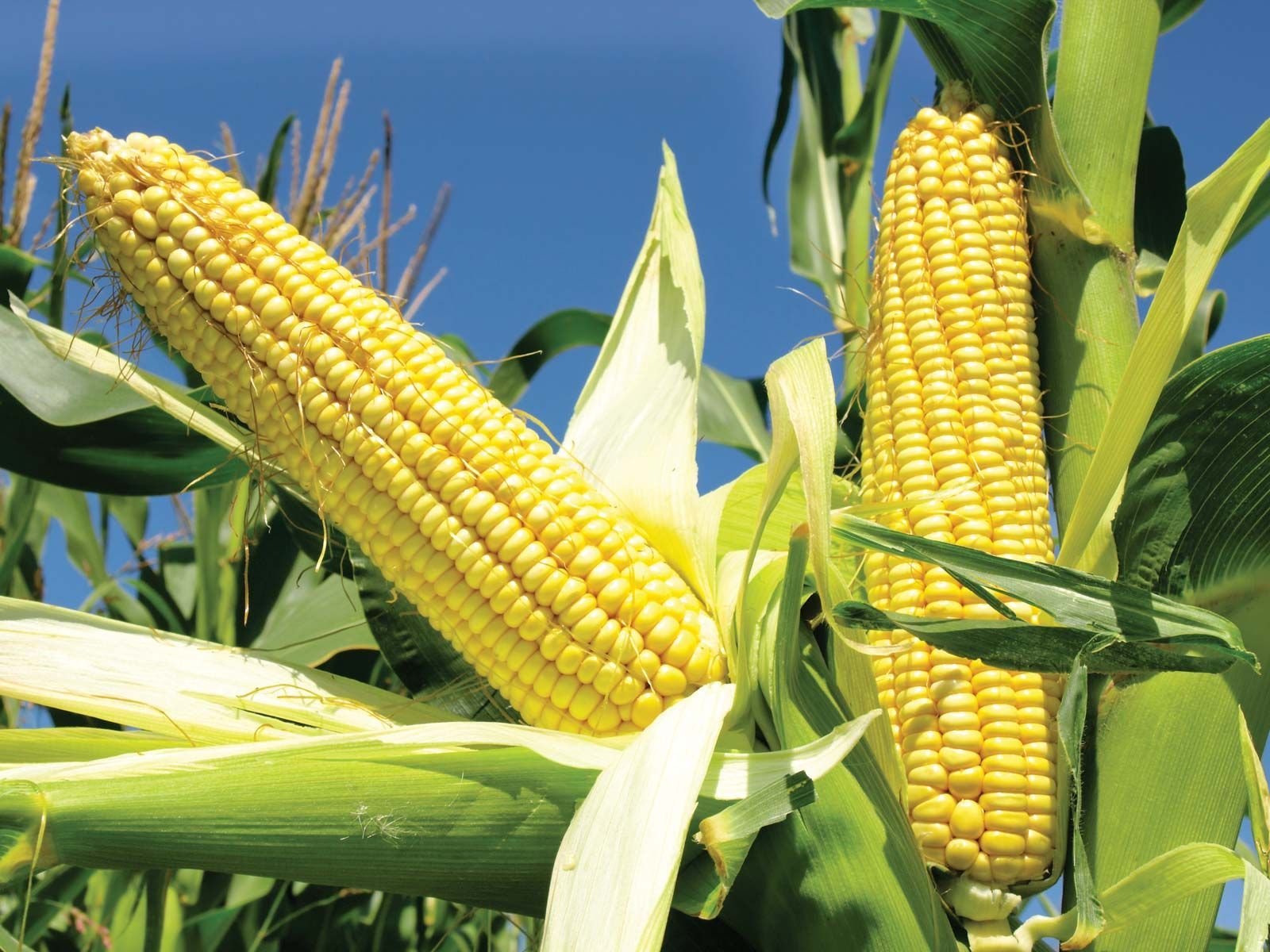
Corn companions well with beans, beets, cucumber, dill, melons, parsley, peas, potato, squash, and sunflower. However, avoid pairing with celery or tomatoes. Consider interplanting amaranth in corn rows to enhance mulching (for moisture retention) and control weeds.
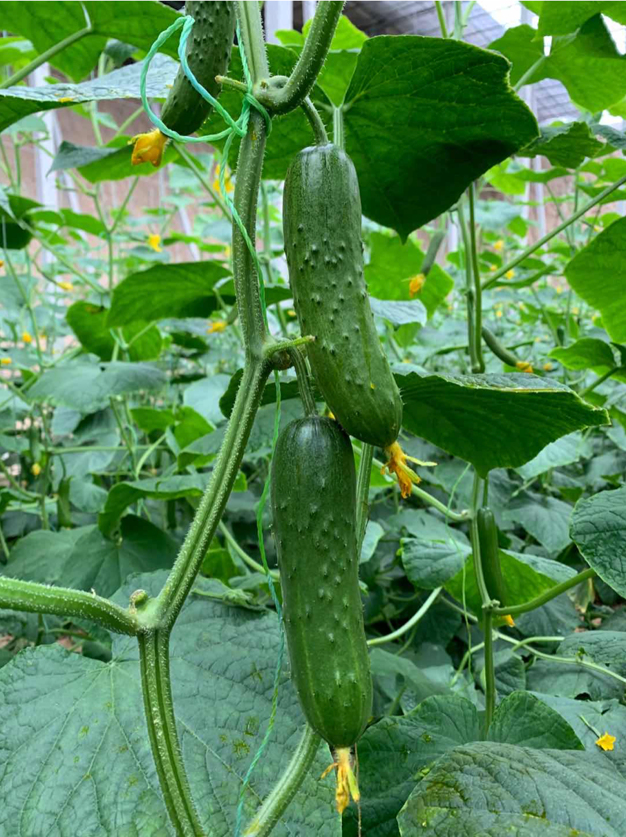
Cucumber thrives in proximity to asparagus, beans, Brassicas, celery, corn, dill, kohlrabi, lettuce, onion, peas, and radishes. Avoid pairing with potatoes or sage. Corn and sunflowers serve as natural trellises for cucumber vines to climb. Dill attracts beneficial predatory insects and Nasturtiums improve the flavor and growth of cucumbers.
Dill benefits cabbages, kale, cauliflower and other Brassicas. It also pairs well with corn, cucumbers, lettuce, and onions. Avoid planting next to carrots or tomatoes. Dill attracts beneficial insects, parasitoid wasps, hoverflies, bees, and garden spiders.
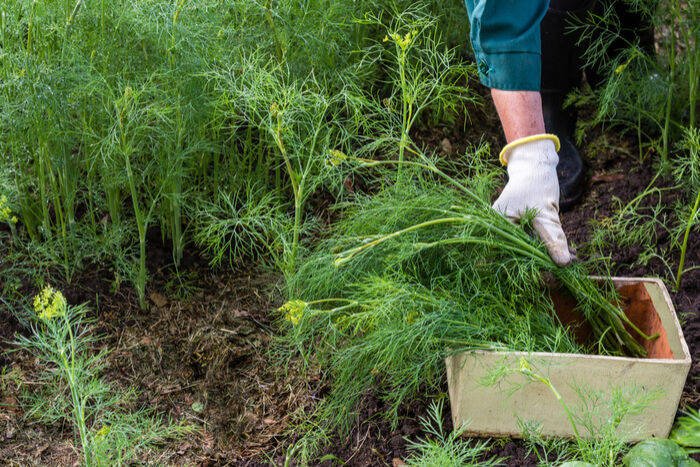
Eggplant is a good companion for amaranth, beans, marigolds, peas, peppers, spinach, and thyme. Avoid planting next to fennel!
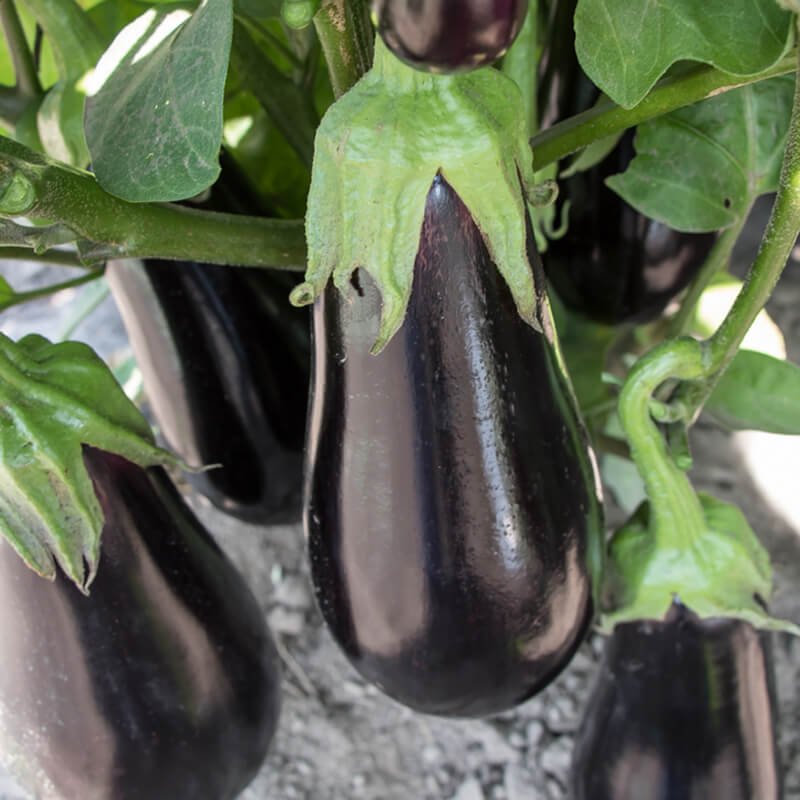
Garlic makes a great companion for roses by repelling aphids. It is high in sulfur, which helps repel whiteflies, Japanese beetles, root maggots, carrot rust fly, and other non-beneficial insects. It is a great companion for beets, Brassicas, celery, fruit trees (like apricots, apples and cherries), lettuce, potatoes, strawberries, and tomatoes. Do not plant next to peas.
Lettuce (arugula, radicchio, green leaf, romaine, and others) are happy next to beets, Brassicas, carrots, celery, chervil, cucumbers, dill, garlic, onions, radish, spinach, squash, and strawberries.
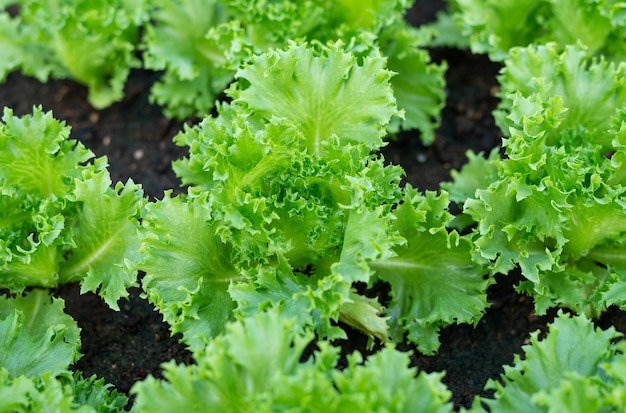
Marigolds produce chemicals which act as a repellant for root knot nematodes, root lesion nematodes, whiteflies and Mexican bean beetles. They are useful plants around fruit trees, but should not be planted near beans.
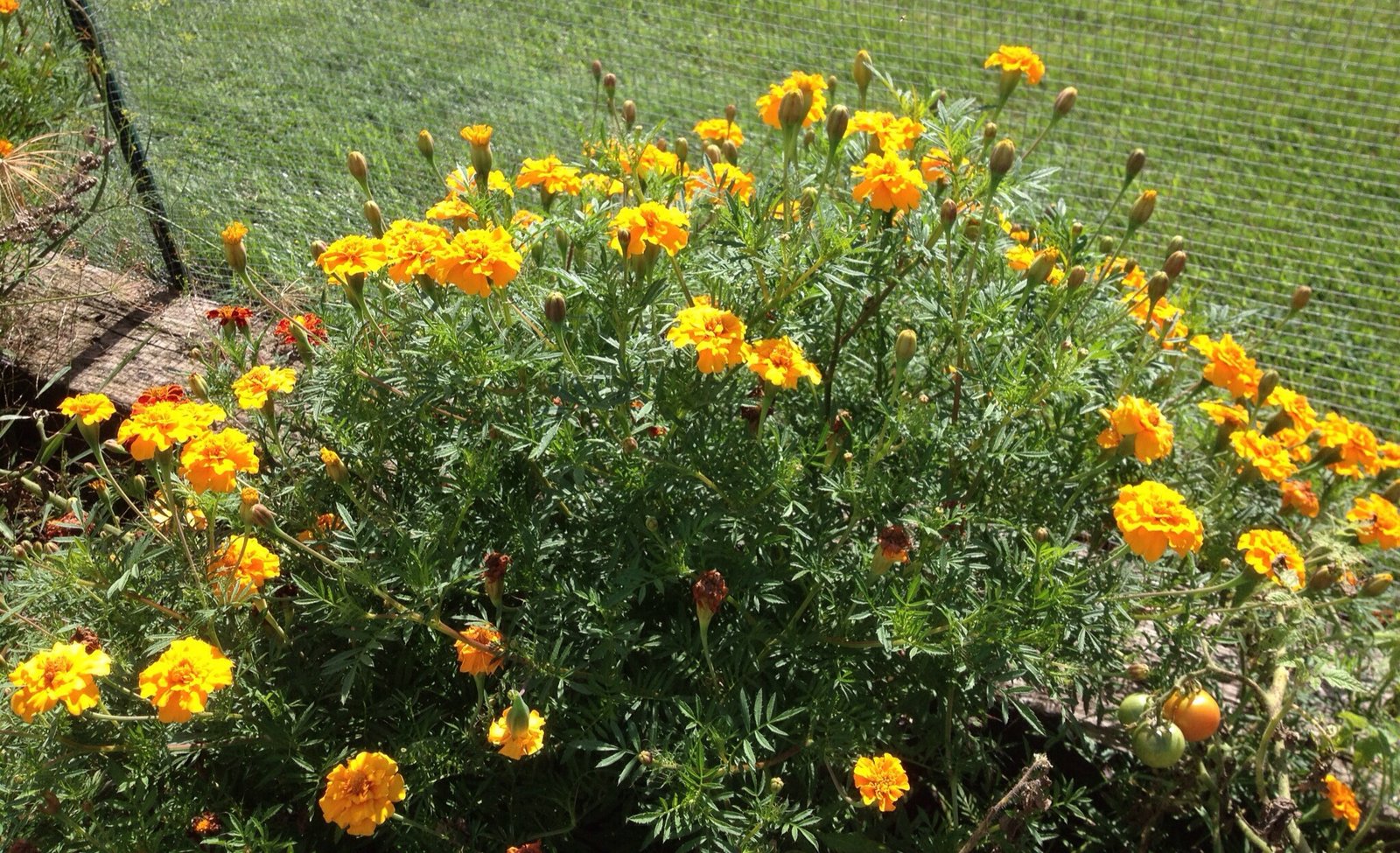
Marjoram grows well alongside all plants, and is thought to promote the growth of surrounding plants. Asparagus particularly loves it. It is very attractive to bees and other pollinators; therefore it is great to plant next to plants that need pollinating such as cucumbers and squash.
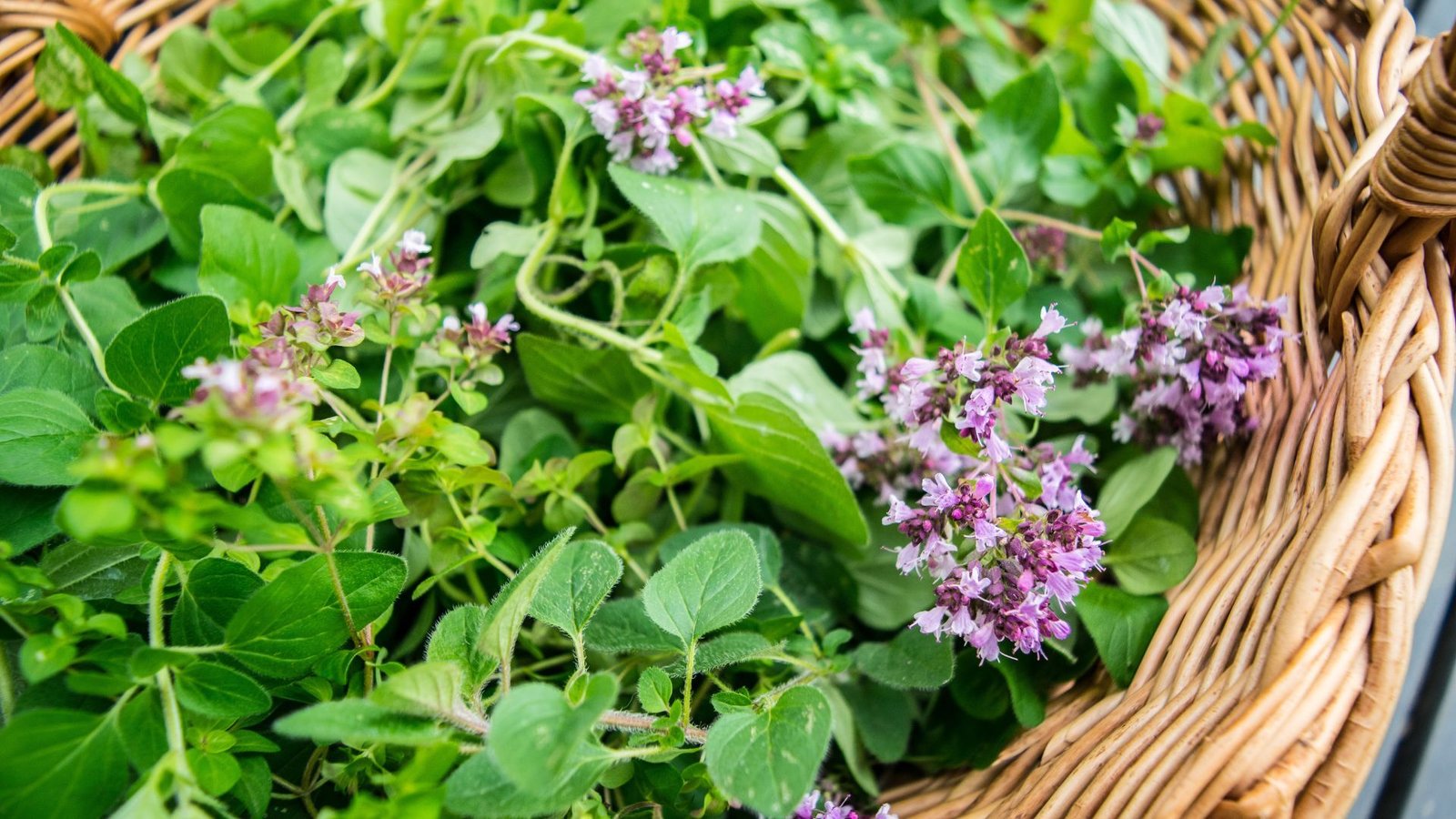
Mint helps attract earthworms, hoverflies, and predatory wasps. It also deters cabbage moths, aphids, and flea beetles. Because mint can be invasive, it is usually best planted separately in containers throughout the garden. Do not plant near parsley.

Nasturtiums serve as a trap crop for aphids and also help in getting rid of whiteflies, squash beetles, cucumber beetles, Colorado potato beetles and Mexican bean beetles. They are companion flowers for Brassicas, cucumbers, melons, radishes and tomatoes. Nasturtiums attract a multitude of pollinators like bees and butterflies and give good cover for ground beetles and spiders.
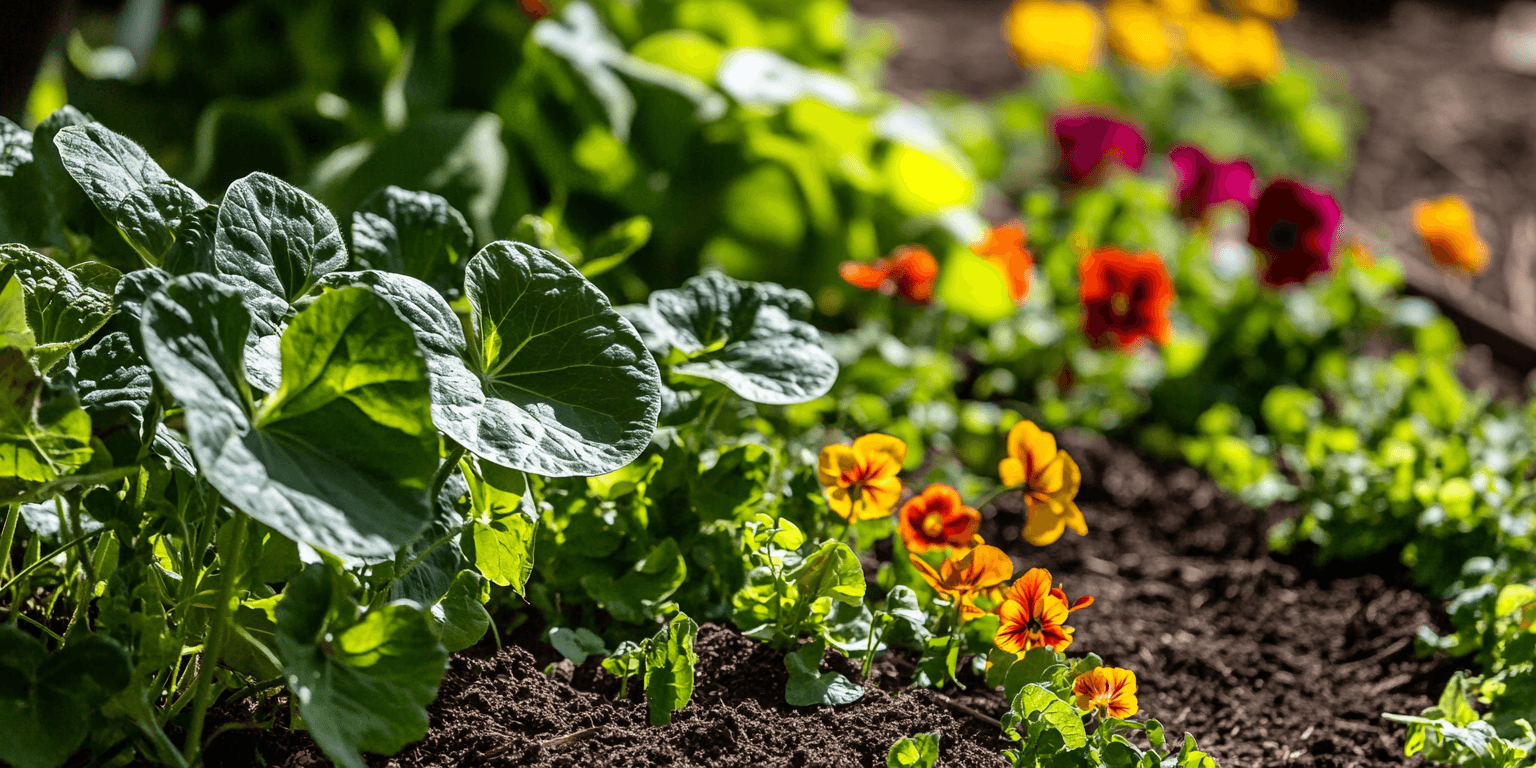
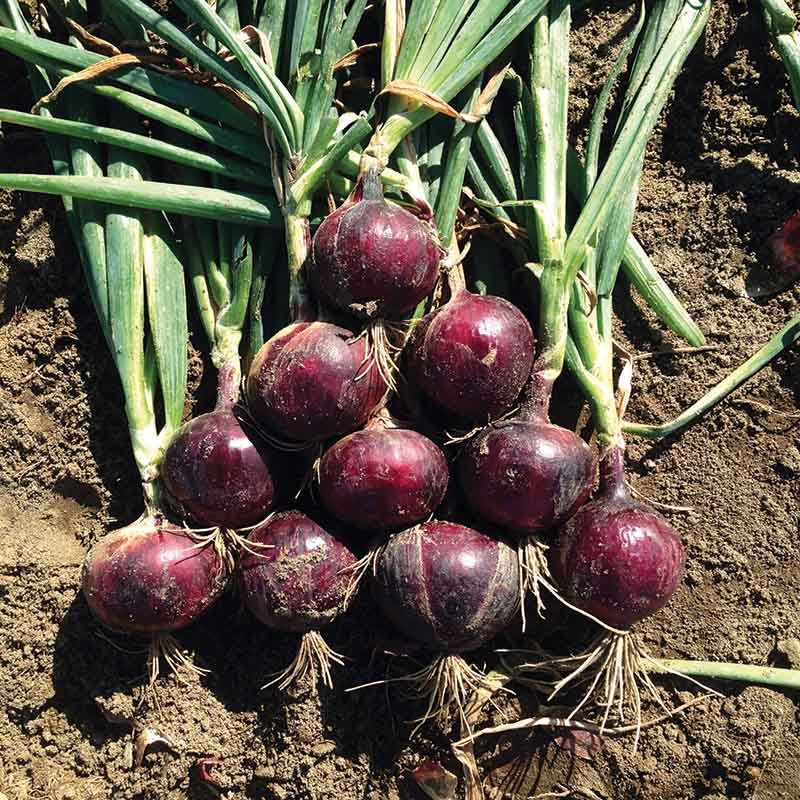
Onions benefit from chamomile and summer savory to improve their flavor. They also work well with beets, Brassicas, carrots, dill, kohlrabi, leeks, lettuce, strawberries, and tomatoes. Avoid planting next to asparagus or peas. Onions repel the carrot rust fly, which is why they should be planted next to carrots.
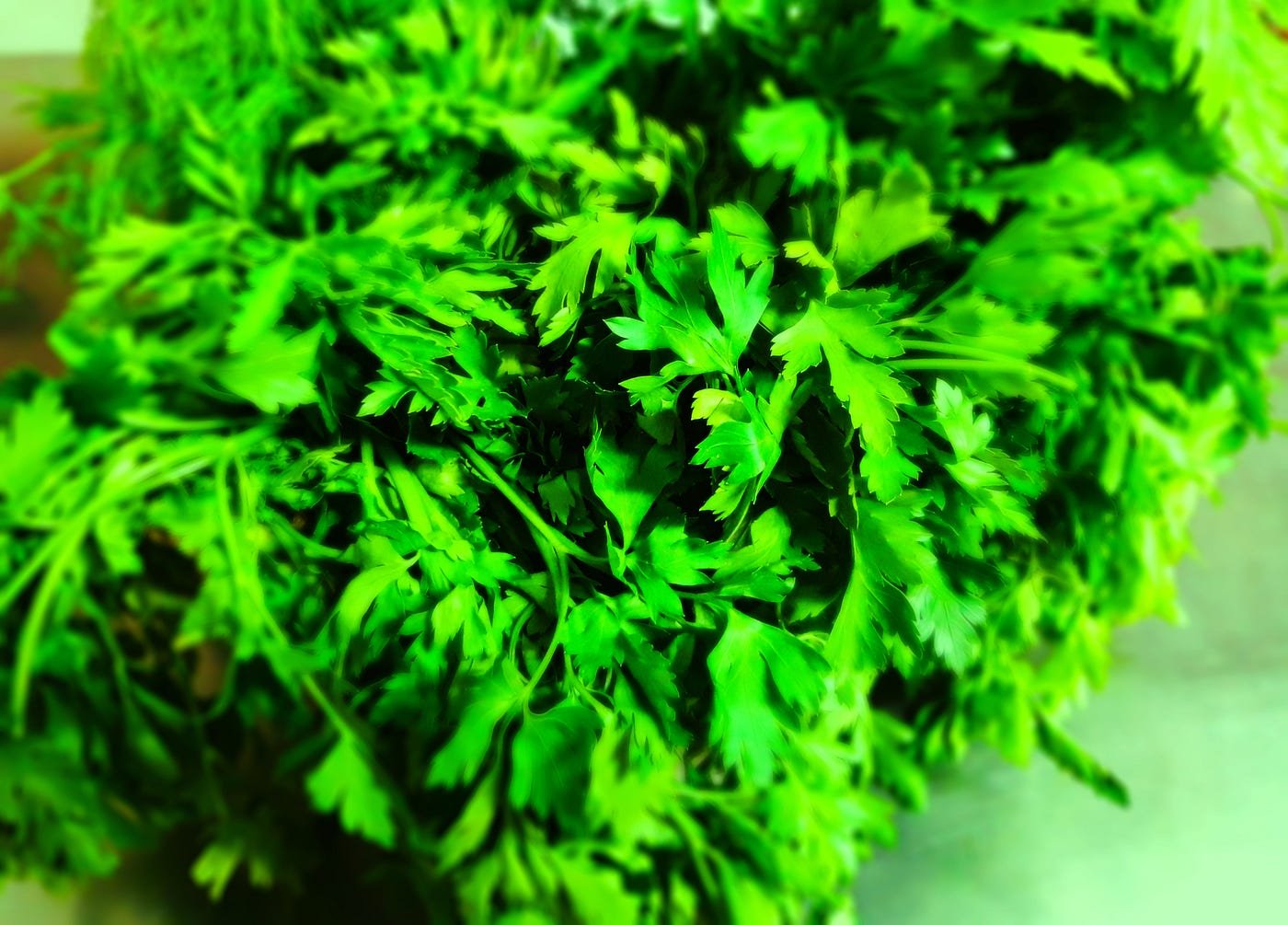
Parsley is a good partner plant near asparagus, carrots, chives, corn, lettuce, onions and tomatoes. Let a portion of parsley bloom in order to attract hoverflies and predatory wasps.
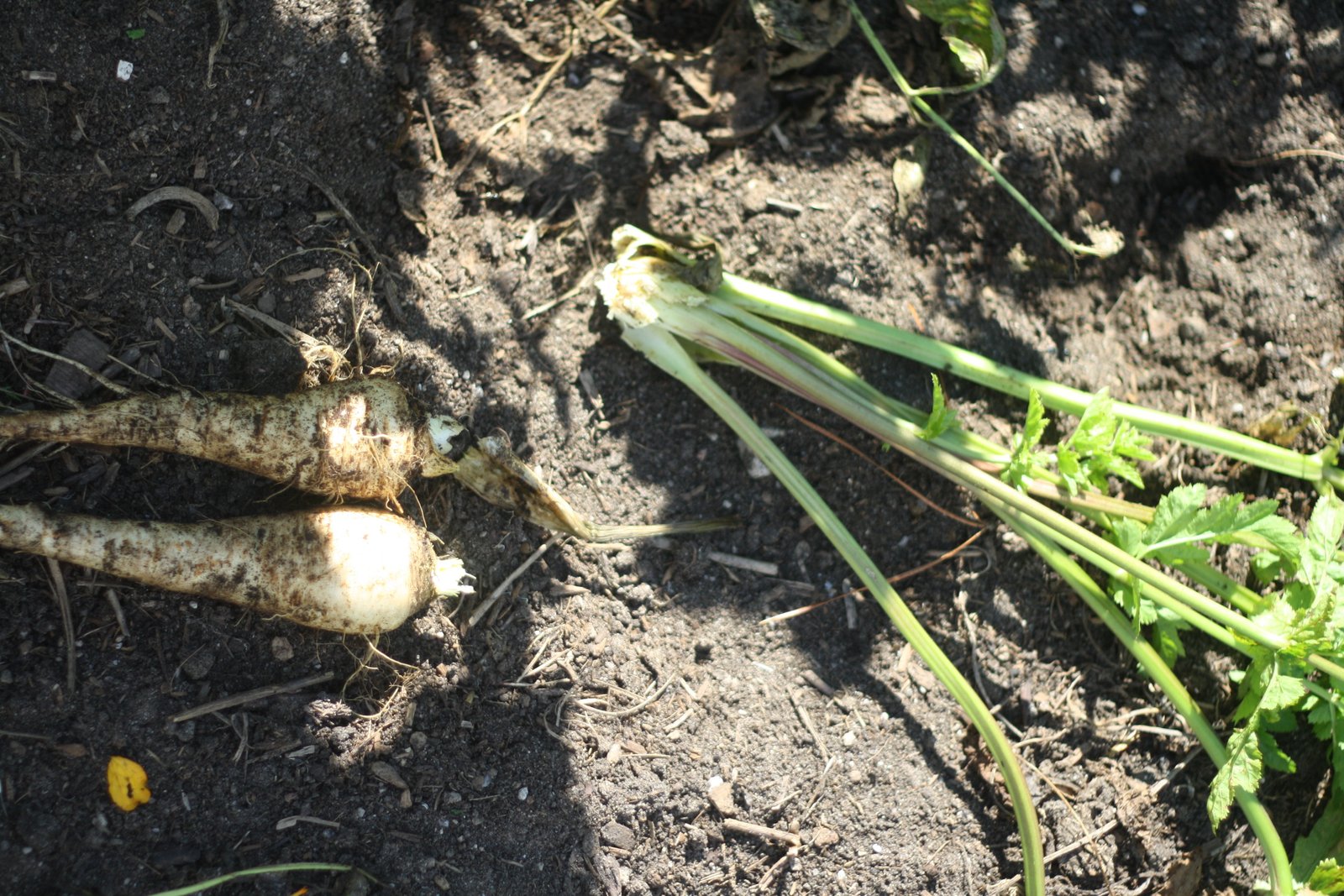
Parsnips are great when grown with green peas, bush beans, peppers, tomatoes, lettuce, rosemary and sage. However, certain vegetables and herbs do not like parsnip, namely carrots, celery, dill and fennel.
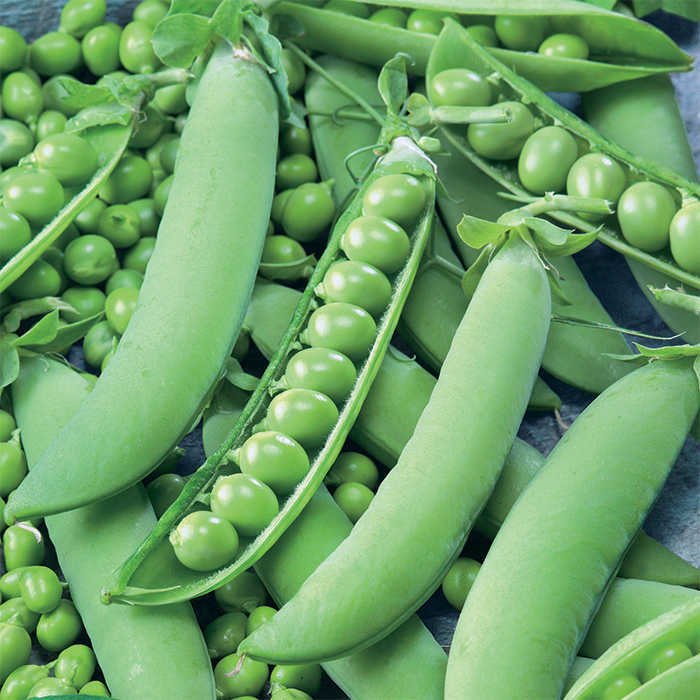
Peas are beneficial companion plants for beans, carrots, celery, corn, cucumber, eggplant, parsley, parsnip, peppers, potatoes, radish, spinach, strawberries and tulips. You should avoid planting peas and onions together.
Peppers perform well with asparagus, basil, carrots, cucumbers, eggplant, endive, oregano, parsley, rosemary, squash, Swiss chard and tomatoes. Do not plant next to beans, Brassicas or fennel.

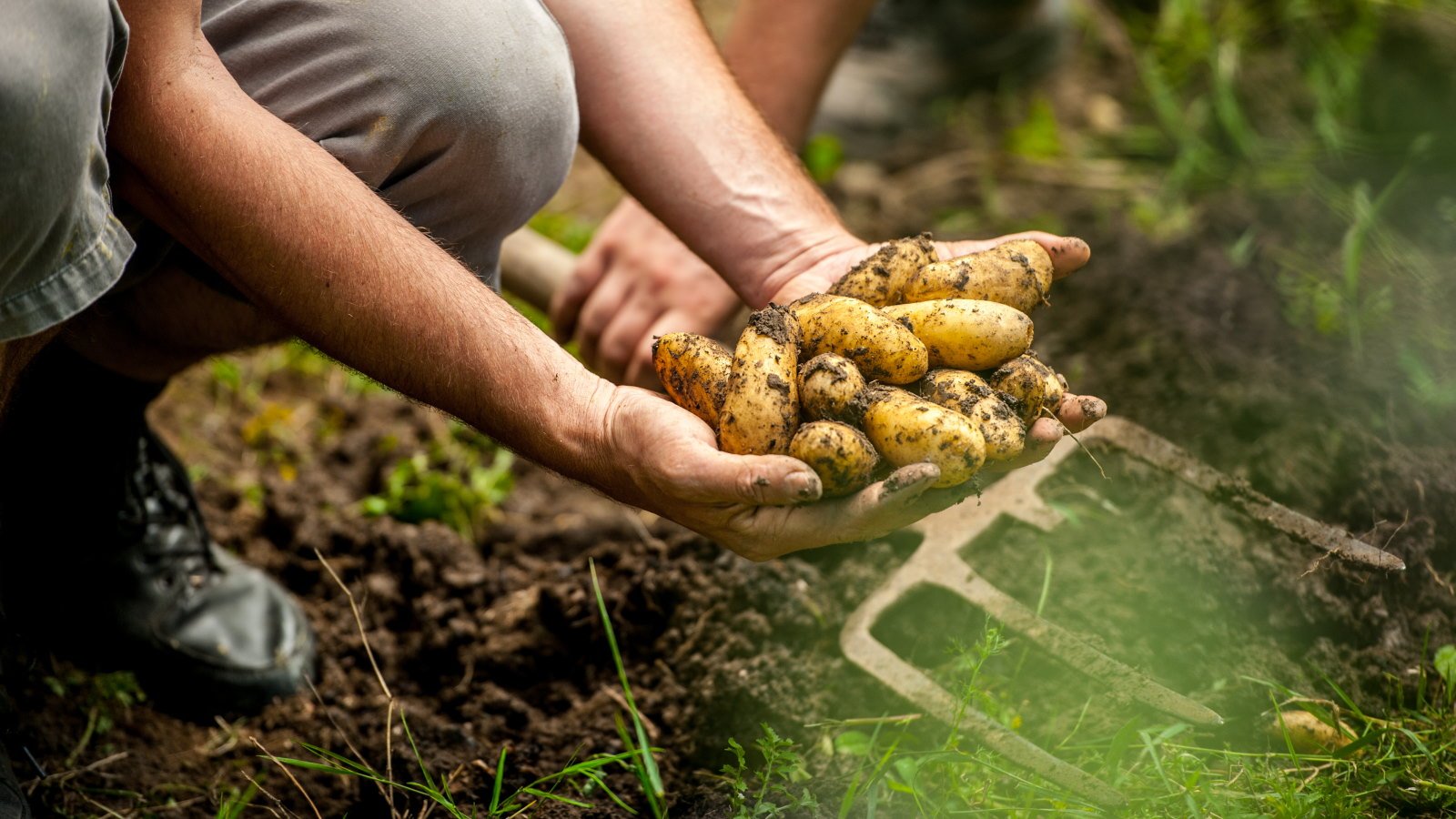
Potatoes enjoy being planted with beets, bush beans, celery, corn, garlic, marigolds, onions, and peas. Avoid planting next to asparagus, cucumber, Kohlrabi, melons, parsnips, rutabaga, squash, sunflower and turnips.
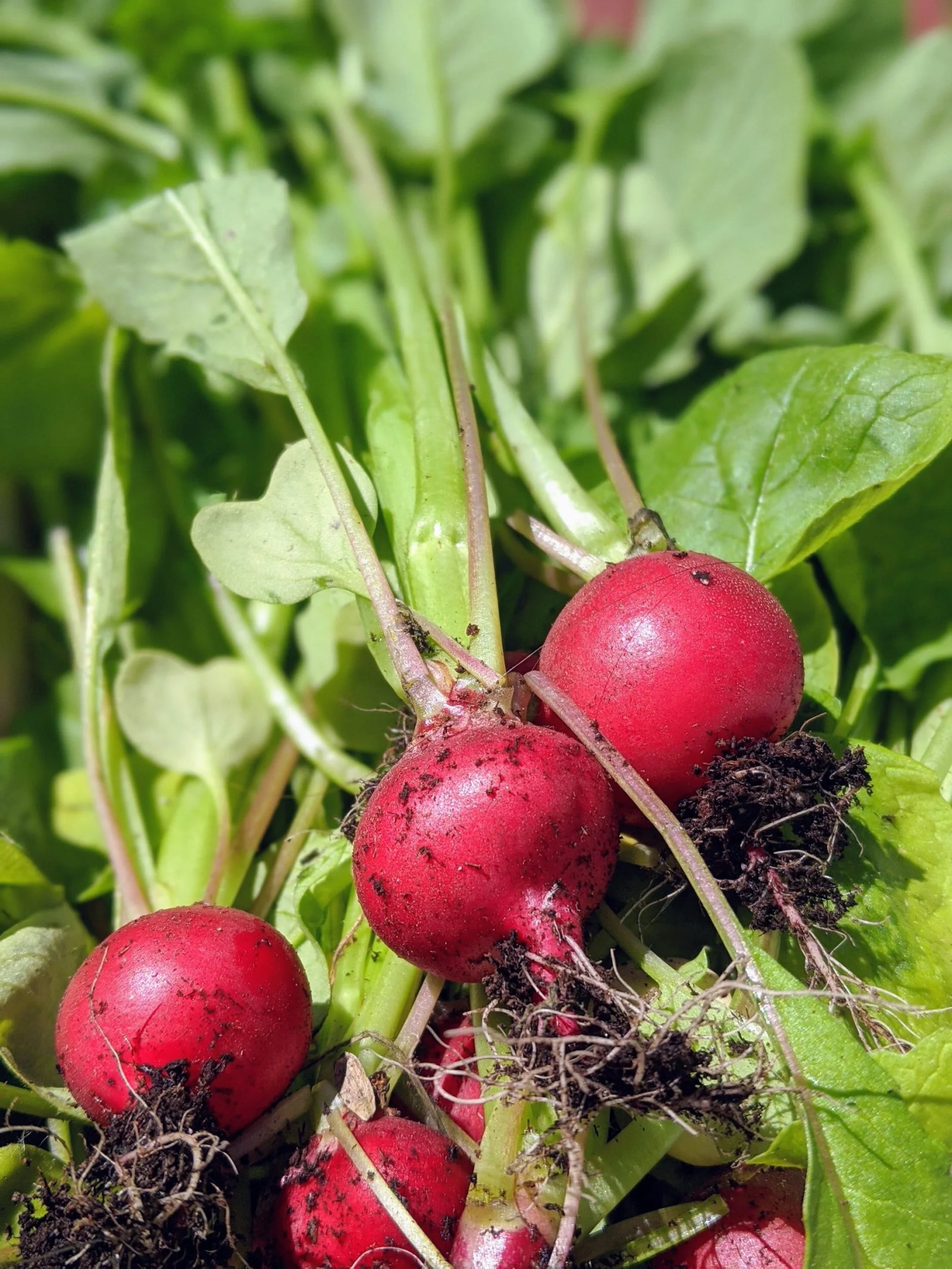
Radishes benefit from being planted near beans, beets, carrots, celeriac, chervil, cucumber, lettuce, mint, parsnip, peas, spinach, squash, and tomatoes. Avoid planting them right next to potatoes. Radishes stimulate growth, blooming and pest prevention in squash and cucumbers, because of the close planting.
Spinach is a supportive garden partner for Brassicas, eggplants, leeks, lettuce, peas, radishes and, especially, strawberries. Refrain from planting spinach near potatoes.

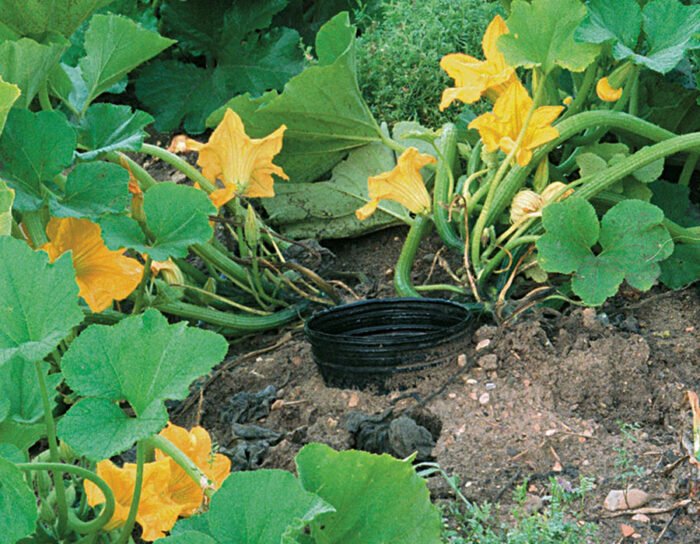
Squash fares well with corn, lettuce, melons, peas and radish. Avoid planting squash near Brassicas or potatoes. Borage may enhance the growth and taste of squash. Marigold and nasturtium help keep away numerous pests from squash.
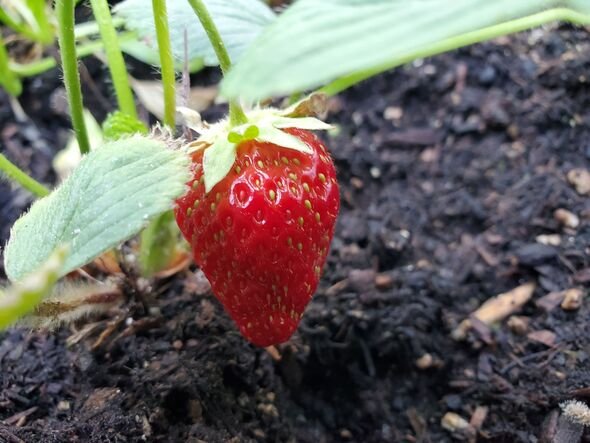
Strawberries benefit from being coupled with beans, borage, garlic, lettuce, onions, peas, spinach and thyme. Avoid planting strawberries near Brassicas, fennel and kohlrabi.
Sunflowers can boost corn yields when planted near corn rows. Employ sunflowers to draw pollinators to other crops, specifically pumpkins, squash and other crops that pollinating insects are needed by.

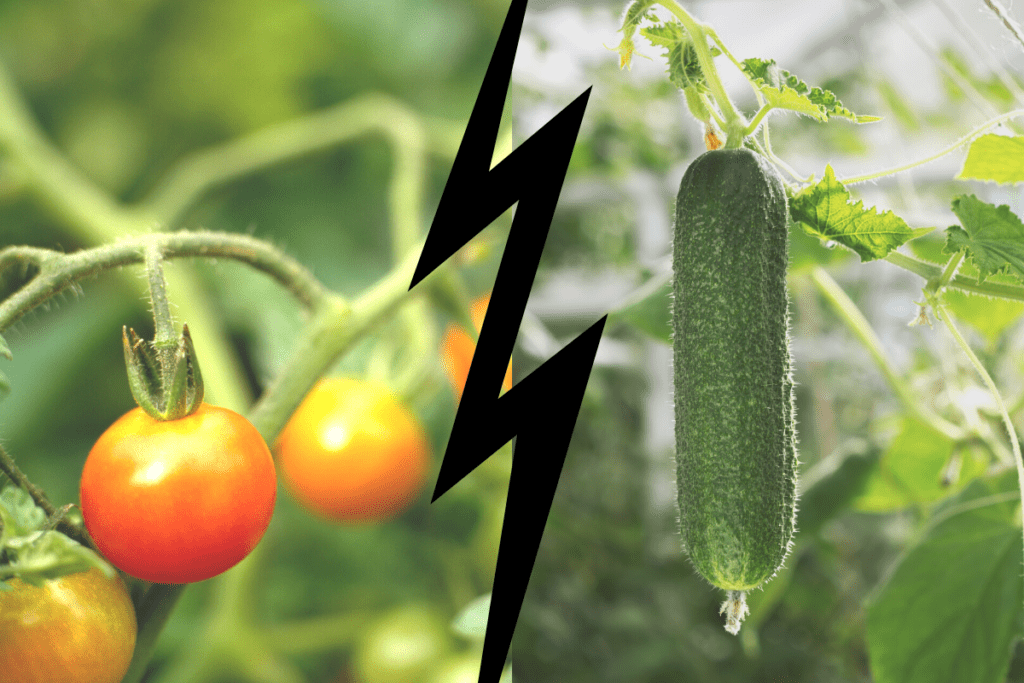
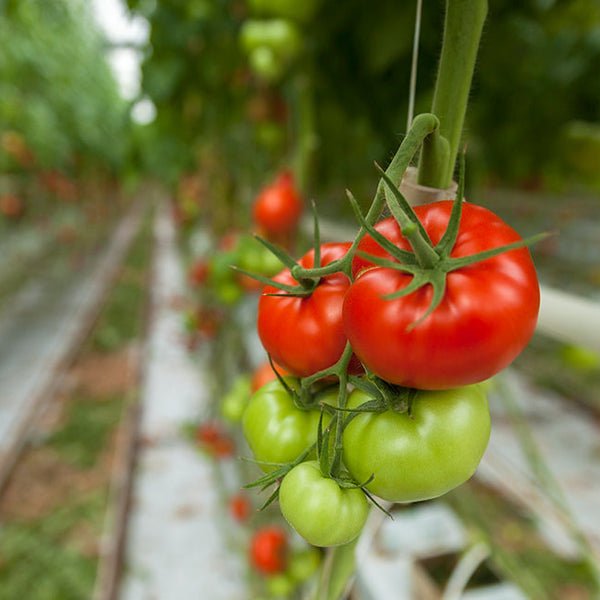
Tomatoes, known to be sensitive to companion planting, largely benefit from asparagus, basil, beans, borage, carrots, celery, chives, collards, garlic, lettuce, marigold, mint, nasturtium, onion, parsley, and peppers. Refrain from planting tomatoes dill, Brassicas, corn or kohlrabi. Given that potatoes may spread blight to tomatoes, keep the two apart. Tomatoes and cucumbers are not the best companions either, as they need lots of the same resources. Do your research, as some people report they thrive together; however, you can avoid planting them together just to be safe.
Conclusion
Understanding the companion planting relationships among vegetables, herbs, and flowers not only provides better yields but also supports a healthier garden ecosystem. By carefully selecting compatible plants, you can reduce pests, enhance growth, and increase the overall productivity of your garden. With this knowledge, you can cultivate a vibrant and fruitful garden. Happy planting!


