

Check out the perfect companions for your Wandering Jew Plant! These neighbors share similar growing needs and create a stunning display.
Are you searching for the ideal plants to accompany your Wandering Dude (Tradescantia)? We’ve curated a list of the best plants to cultivate alongside it for an exciting and visually appealing arrangement. Plus, learn why these combinations are effective!

What Grows Best with a Wandering Dude?
The key is to find plants that share similar preferences with your Wandering Jew. If you’re already a Tradescantia owner, you likely know it prospers in bright, indirect light and prefers moderate humidity and warmth.
Combine it with plants that have matching needs to create a flourishing display without demanding extra care. Additionally, the correct pairing enhances its charm and creates an attractive showcase.
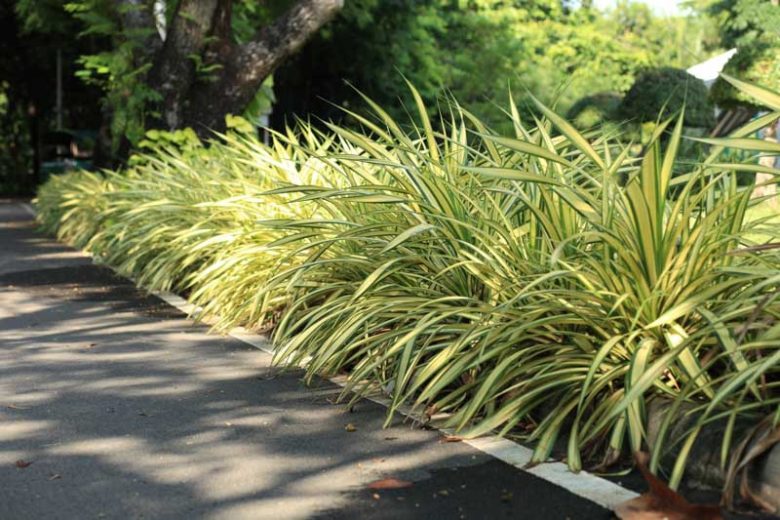
Spider Plant
Botanical Name: Chlorophytum comosum
One of the easiest companion plants for a Tradescantia is undoubtedly the Spider Plant. It flourishes under bright, indirect light and benefits from consistent watering. The spider plant’s arching, variegated leaves offer a pleasing contrast to Tradescantia’s striking purple tones.
Renowned for its air-purification qualities, pairing these plants improves air quality while enhancing aesthetics. The spider plant is also fairly low-maintenance making it a simple neighbor for your Tradescantia.
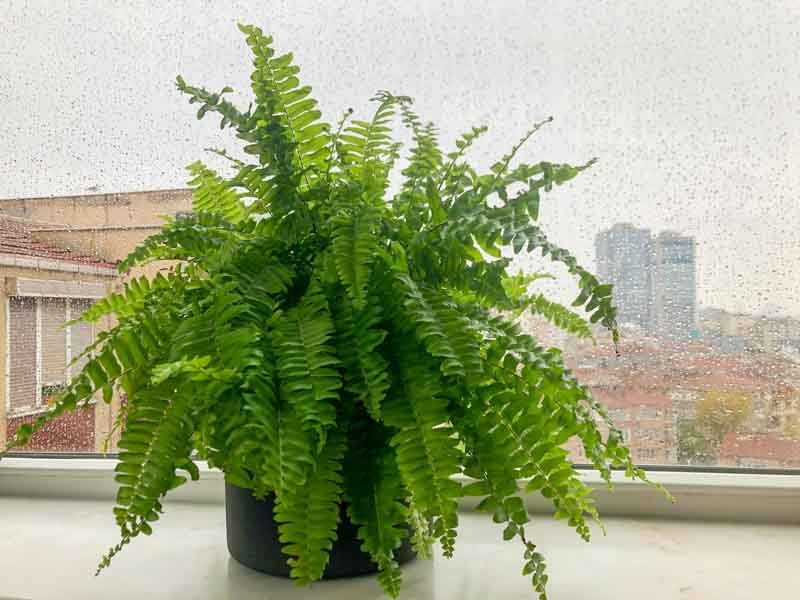
Boston Fern
Botanical Name: Nephrolepis exaltata
Boston Fern and Tradescantia together are akin to a treasure trove of botanical jewels! One offers robust, patterned and cascading purple-silver foliage, while the other boasts fresh, green, feathery fronds creating a magical ambiance.
Because both plants thrive in humid conditions, grouping them forms a mini-microclimate that supports their healthy growth. Remember to maintain moist (not soggy) soil when growing a Boston Fern and periodically mist both plants to sustain humidity.
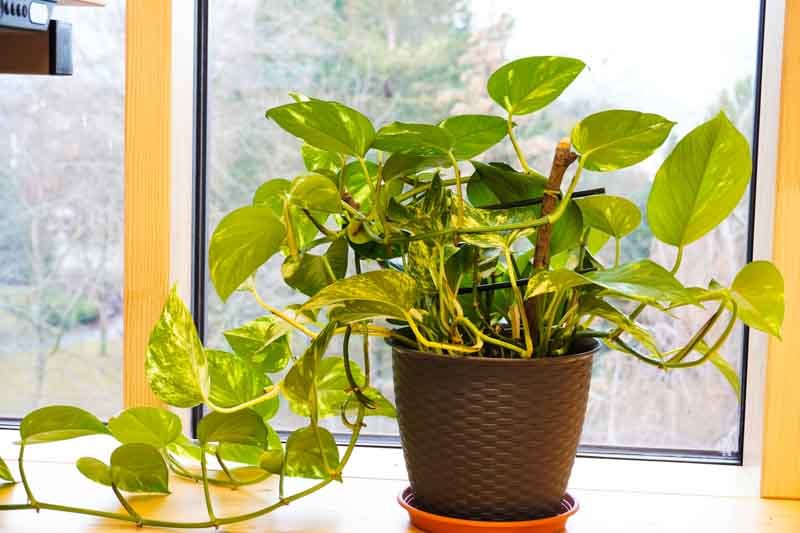
Pothos
Botanical Name: Epipremnum aureum
If the Tradescantia plant is easy to maintain, other companion plants should be too! Which leads us to the resilient Pothos. Showcasing heart-shaped leaves in diverse green and variegated patterns, Pothos even flourishes in shade and handles occasional dryness.
When grouped together, this low-maintenance duo generates a cascading jungle effect. Enhance the look of your interiors with them displayed on a bright windowsill or an indoor plant shelf.
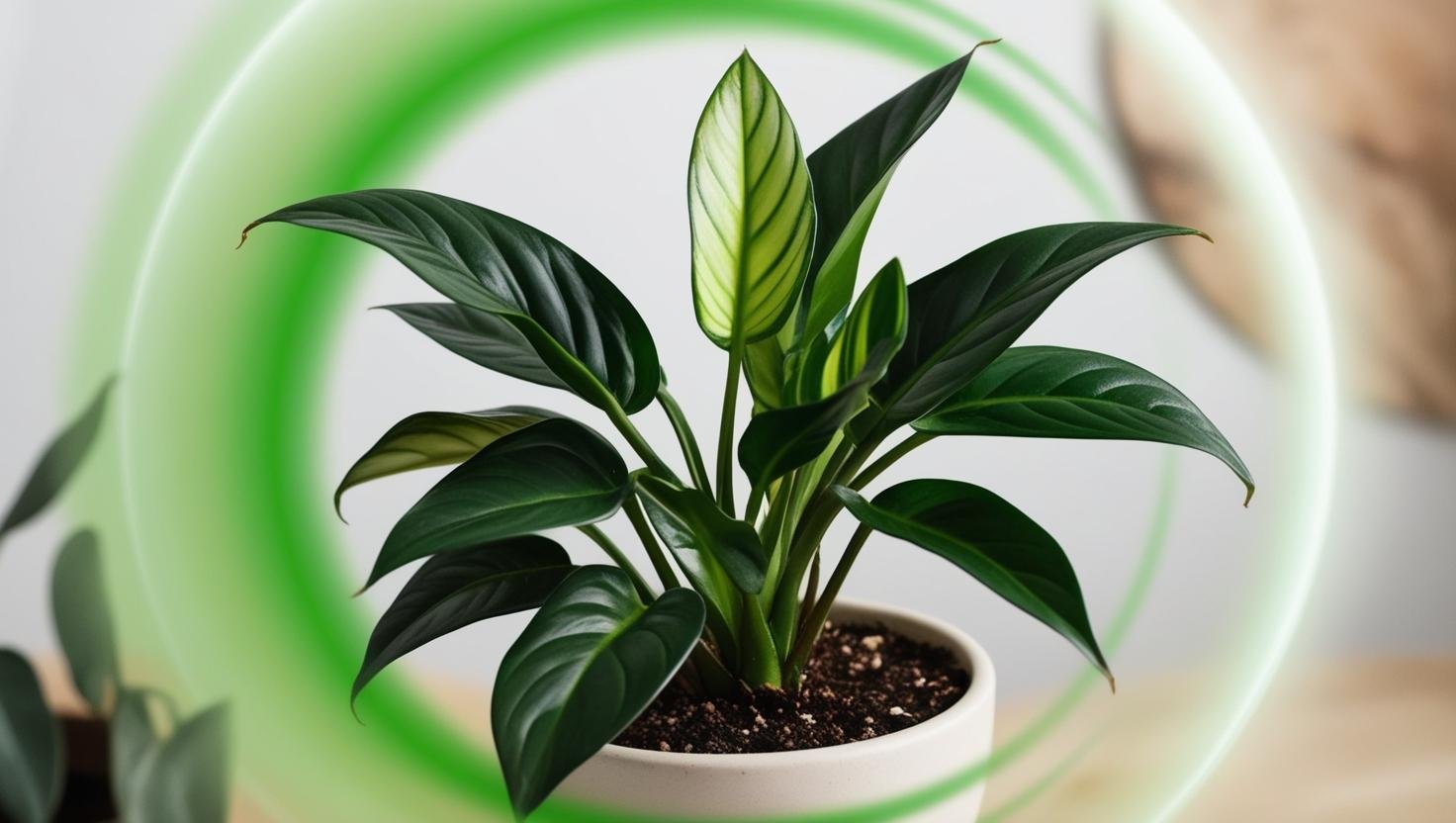
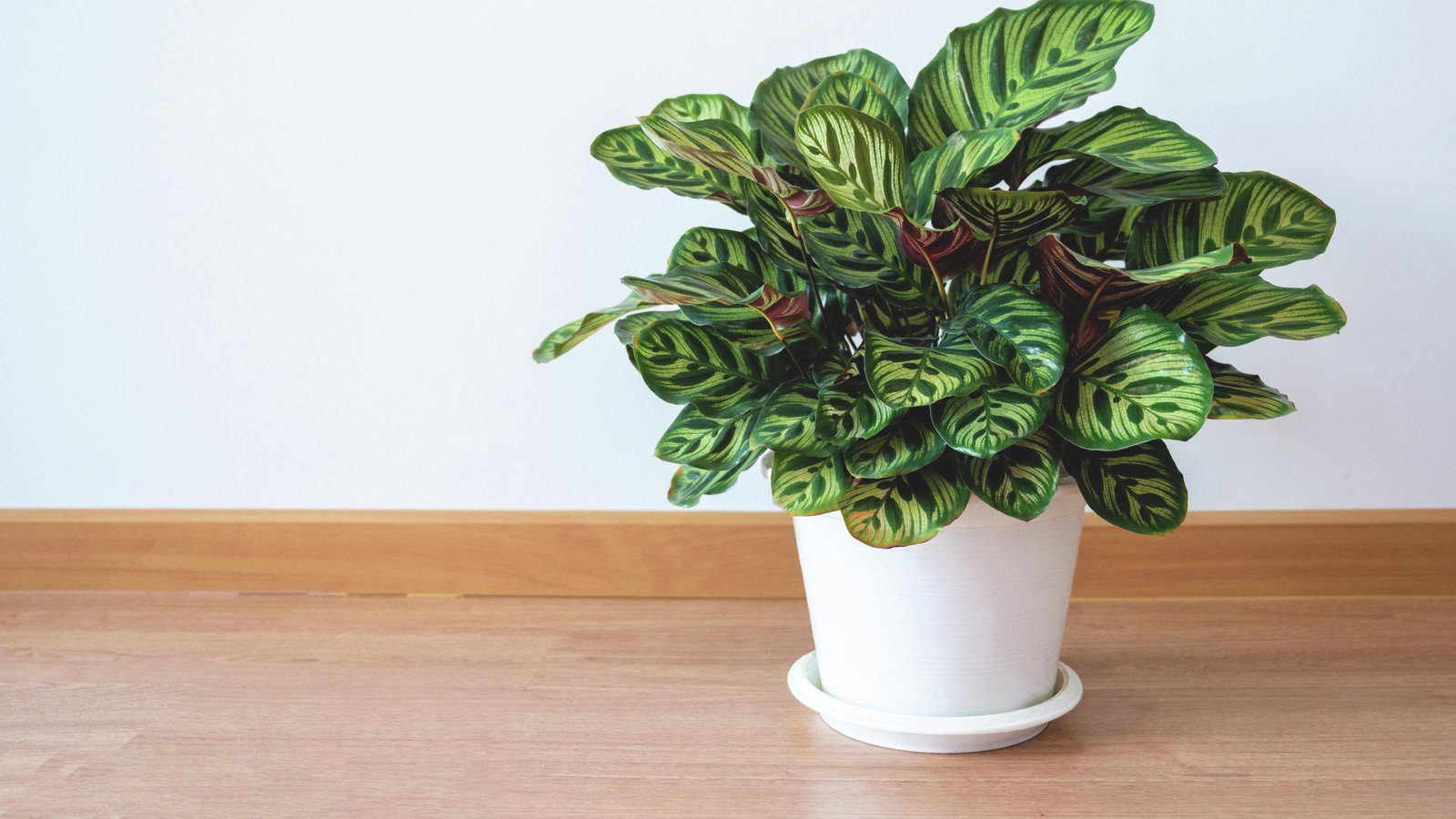
Calathea
Botanical Name: Calathea spp.
If you appreciate bold foliage, the Calathea makes an excellent companion for your Wandering Jew. Its unique leaf patterns and purple undersides amplify the beauty of the striking Tradescantia.
Given that Calatheas are sensitive to water quality, use filtered or distilled water, which benefits both plants.
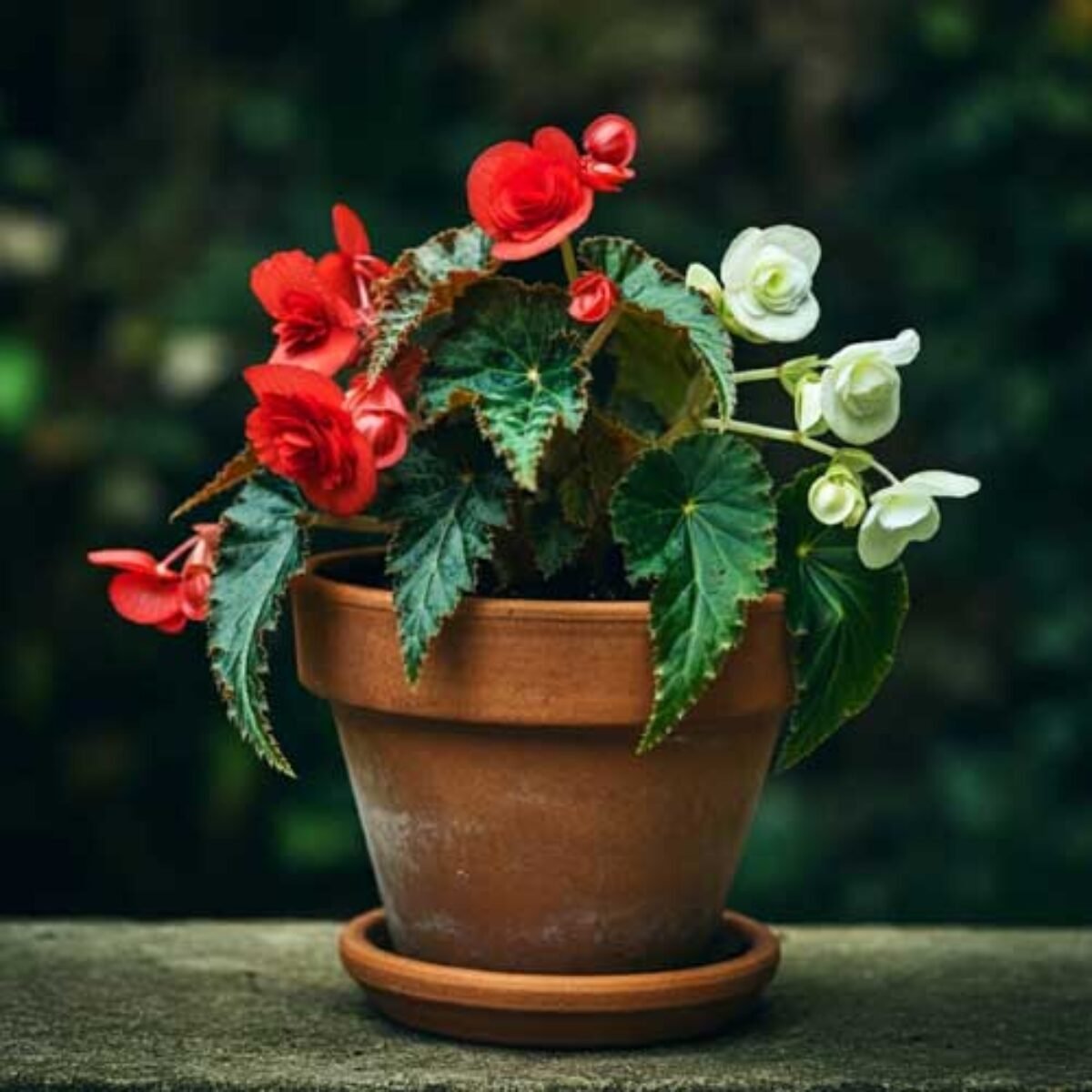
Begonias
Botanical Name: Begonia spp.
Begonias, particularly the Rex variety, serve as good partners to the Wandering Jew. The Begonia’s vibrant, patterned, and variegated leaves create a gorgeous backdrop for the Tradescantia’s weaving foliage.
Both plants like bright, indirect light and regular water, but adequate air circulation is essential while pairing them. Overabundant humidity may trigger mold and fungal issues for your Wandering Dude.
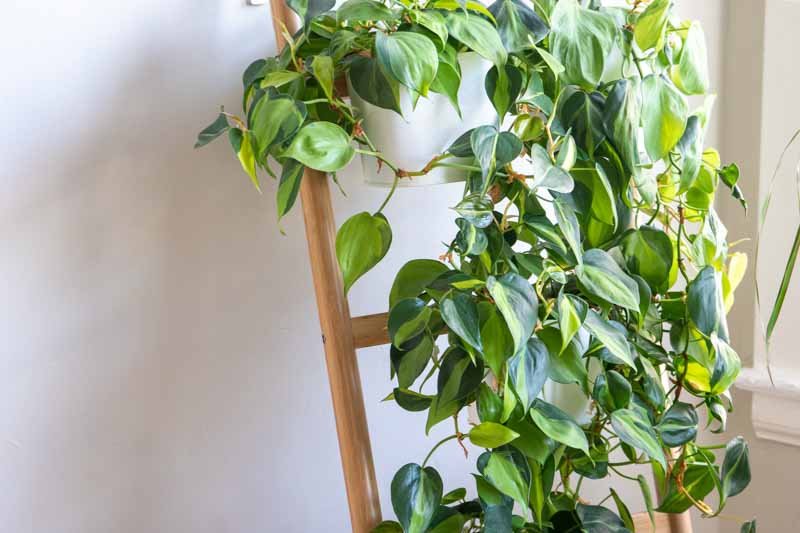
Philodendron
Botanical Name: Philodendron hederaceum
Another trailing plant on this list is the Philodendron, which coordinates exquisitely with our featured plant. Its cascading vines create beautiful contrast alongside the pointed leaves of Tradescantia providing visual harmony.
Both benefit from indirect light, appreciate slightly damp soil, and exhibit similar growth speeds, swiftly filling their area with dense foliage. This synchronized growth rate prevents competition, which is important while growing these plants together.
Peperomia
Botanical Name: Peperomia spp.
The Peperomia’s small, rounded leaves both complement and contrast the Tradescantia’s trailing vines. You can further enhance the aesthetic appeal of your home by growing diverse Peperomia varieties and choosing from shades like green, silver, or even red.
Requiring moderate watering and comparable light conditions, the Peperomia makes for a compatible and simple pairing. Its compact growth pattern is ideal for your Tradescantia to wander around; its thick, succulent-like leaves also aid in moisture retention and promote humidity for both species.
:strip_icc()/how-to-grow-and-plant-peperomia-variegated-baby-rubber-plant-01-2f2d79952f6a4522b929e16551507e1f.jpg)
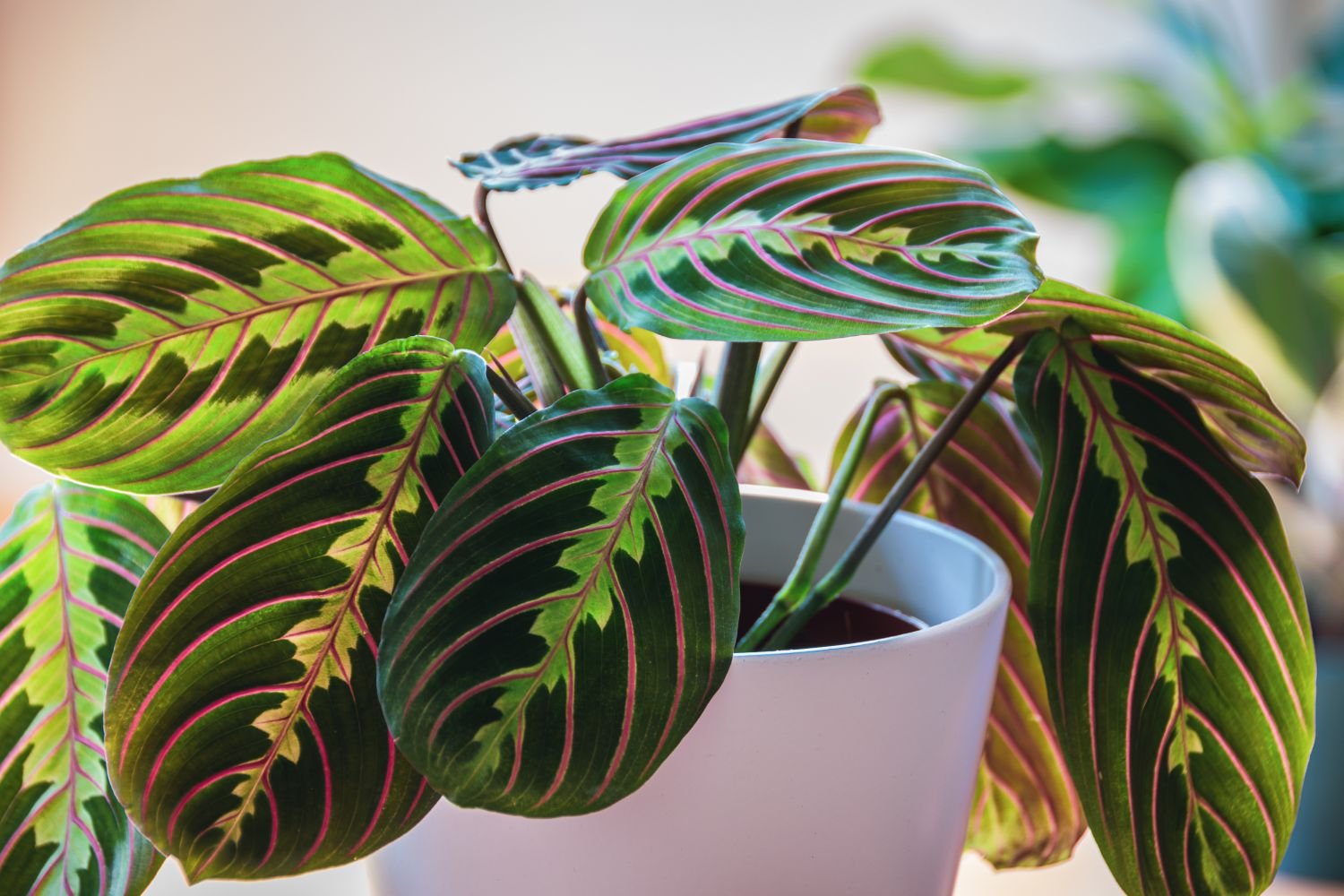
Prayer Plant
Botanical Name: Maranta leuconeura
Are you looking for a plant that moves together with your Wandering Jew? Then the Prayer Plant is a perfect fit. Its tendency to fold its leaves at night brings an engaging component to your plant collection.
With amazing vein-like foliage patterns and an affinity for humidity, Maranta prospers and appears beautiful beside Tradescantia, especially if placed on stands of varying heights. This allows the Tradescantia to cascade while the Maranta’s striking foliage is highlighted.
Conclusion
In conclusion, selecting suitable companion plants for your Wandering Jew transforms your indoor space into a vibrant green oasis. By pairing it with plants like the Spider Plant, Boston Fern, or Pothos, you create aesthetically pleasing arrangements that flourish under similar environmental conditions, providing an attractive display without increased upkeep. Moreover, companions such as Calathea, Begonias, Philodendron, Peperomia, and Prayer Plant not only enhance the beauty of your Tradescantia with their diverse foliage but also promote a harmonious growing environment. Choosing the right neighbors for your Wandering Dude fosters healthy growth while adding layers of natural beauty to your home decor.


