

Gardening, a blend of art and science, demands patience, knowledge, and creativity. Whether experienced or new to gardening, hacks can simplify tasks, improve plant vitality, and boost yields. These smart tips often repurpose common household items, making them both accessible and economical. Integrate these hacks to enhance your garden’s productivity and beauty effortlessly.

The Benefits of Using Garden Hacks
Garden hacks provide numerous advantages such as saving money, promoting environmental sustainability, and enhancing plant health. By reusing household materials such as coffee grounds or eggshells, you lessen waste and enrich the soil naturally. Hacks utilizing homemade pest solutions or natural fertilizers negate the requirement for chemical products, thereby fostering a healthier ecosystem. Furthermore, these gardening shortcuts typically require little effort and resources, which makes gardening more enjoyable and accessible for all.
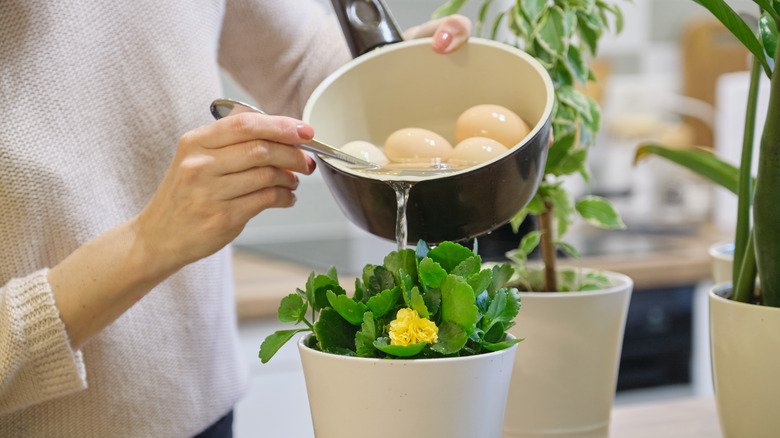
Boost Plant Growth with Boiled Egg Water
Don’t throw away the water after boiling eggs. This liquid, rich in nutrients, includes calcium and other valuable minerals for plants. After it cools, use it to water plants, giving essential nutrients that encourage healthy growth and robust cell walls.
Enhance Soil Quality with Used Coffee Grounds
Used coffee grounds are a wonderful addition for garden soil. They enhance drainage, water retention capabilities, and soil aeration. In addition, coffee grounds feature high levels of nitrogen, which is a crucial plant nutrient. Simply spread them around plants or incorporate them directly into the soil.
:max_bytes(150000):strip_icc()/using-coffee-grounds-in-your-garden-3-7df4de95ff1c4b74b19b8bd1afb129c4.jpg "20 top garden hacks")
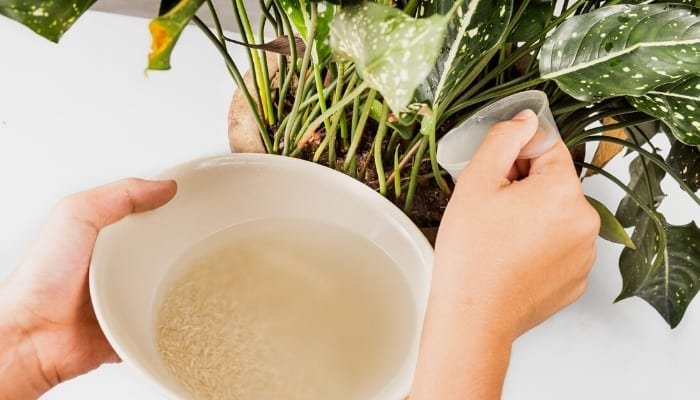
Strengthen Roots with Rice Water
Rice water, the starchy liquid remaining after rinsing rice, serves as a natural fertilizer to strengthen plant roots. It contains vitamins and minerals which foster both root development and overall plant health. For optimal results, use it regularly to water plants.
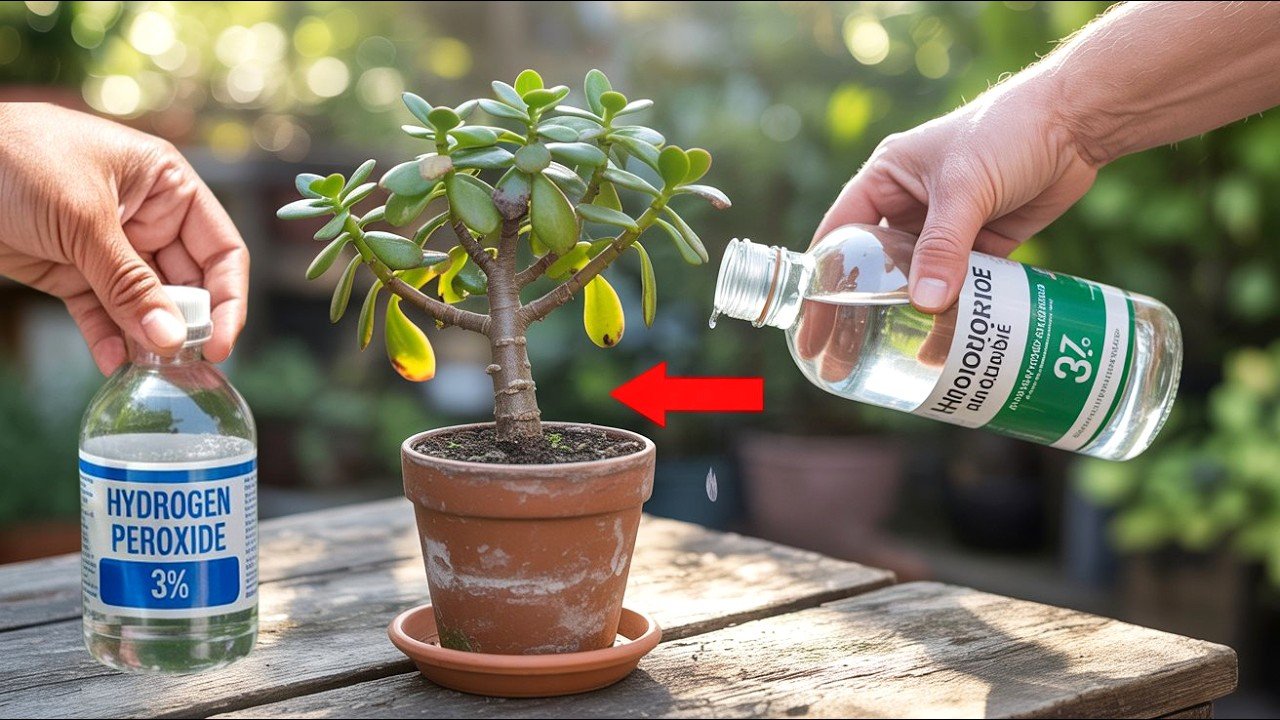
Revive Plants with Hydrogen Peroxide
Hydrogen peroxide can save struggling plants. Its oxygenating qualities assist in aerating the soil and combating root rot. Combine one part hydrogen peroxide with ten parts water and use it to hydrate plants, improving their health and stimulating growth.
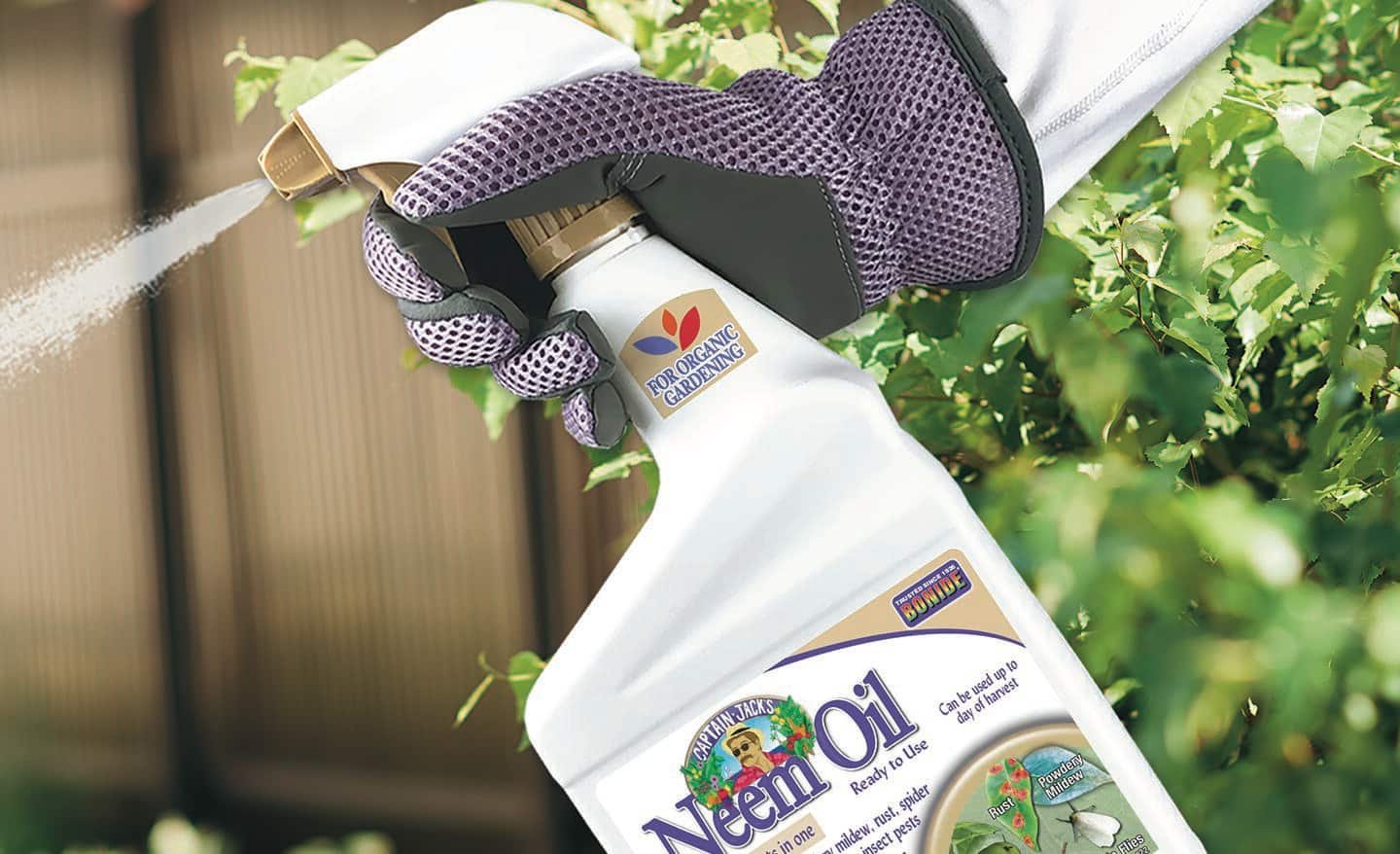
Natural Pest Control with Neem Oil
Neem oil functions as a potent natural pesticide and disrupts the life cycle of pests without causing harm to beneficial insects. Dilute the neem oil with water along with a few drops of dish soap before spraying it directly onto any plants affected to manage common pests such as aphids and spider mites.
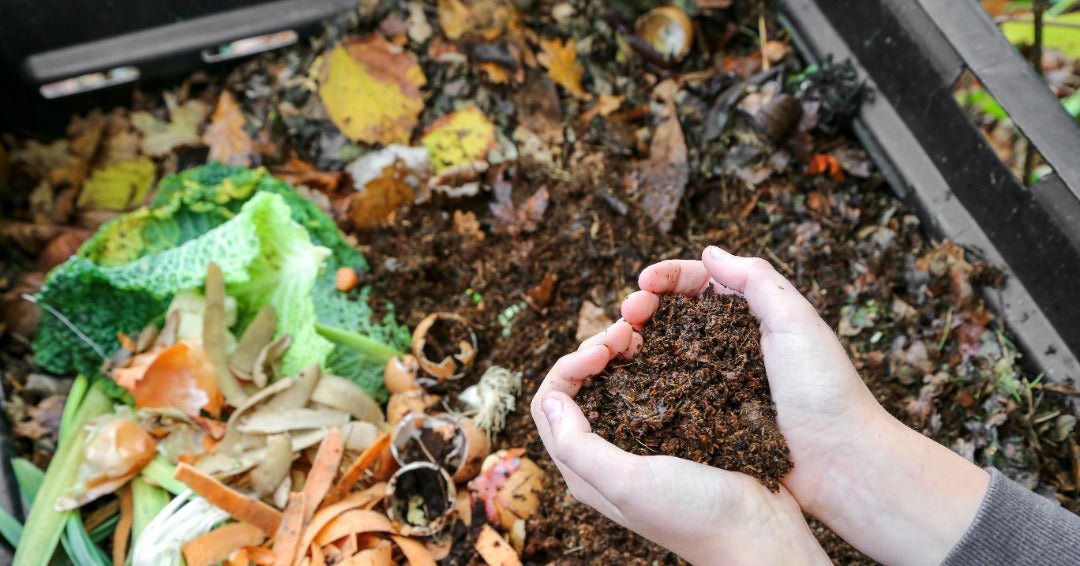
Composting for Richer Soil
Composting represents an effective way of recycling kitchen and garden waste into a nutrient-rich soil amendment. By composting organic materials like fruit peels, vegetable leftovers, and even grass clippings, you are creating a natural fertilizer that enriches your garden soil ensuring healthy plant growth.
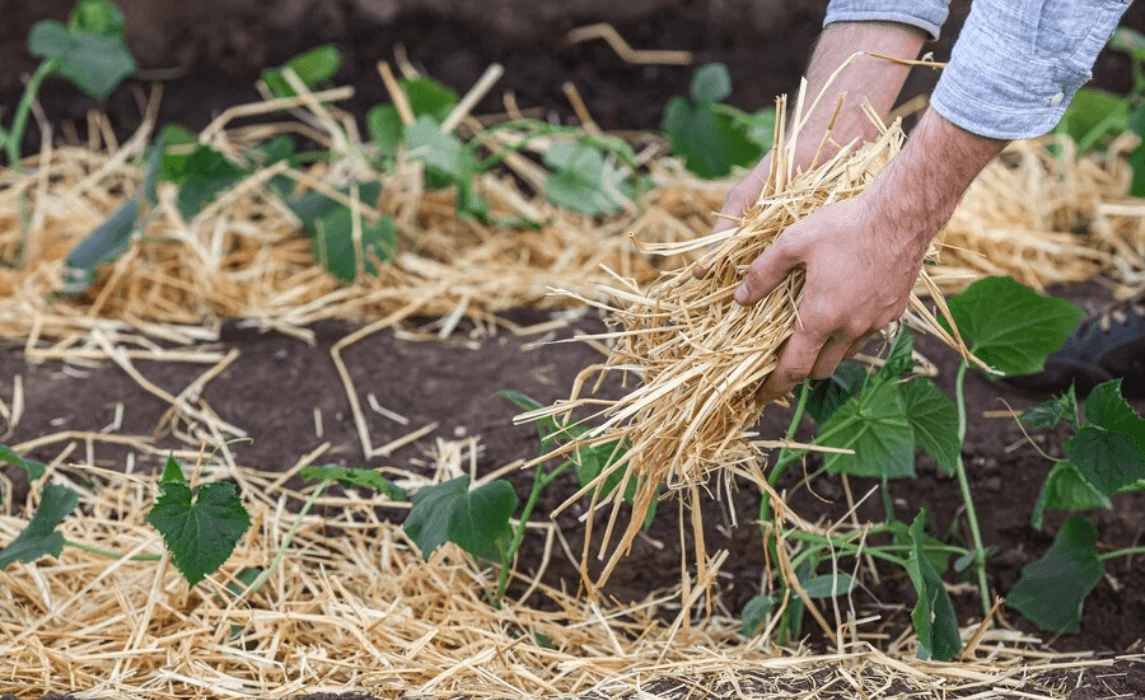
Mulching for Moisture Retention
Mulching involves applying organic materials like straw, wood chips, or leaves, to cover the soil surface. This practice aids in retaining moisture, suppressing weed growth, and controlling soil temperature. As the mulch decomposes, it feeds nutrients back into the soil, incrementally increasing its fertility.
Companion Planting for Pest Management
Companion planting includes planting certain plants in close proximity to improve their growth and deter pests. For instance, planting marigolds near tomatoes can help repel nematodes, while basil will improve the tomato flavor and repel flies. This planting system creates a balanced ecosystem in the garden.
:max_bytes(150000):strip_icc()/GettyImages-536170686-6227d1fb0efc40008d03aecabc233f79.jpg "20 top garden hacks")
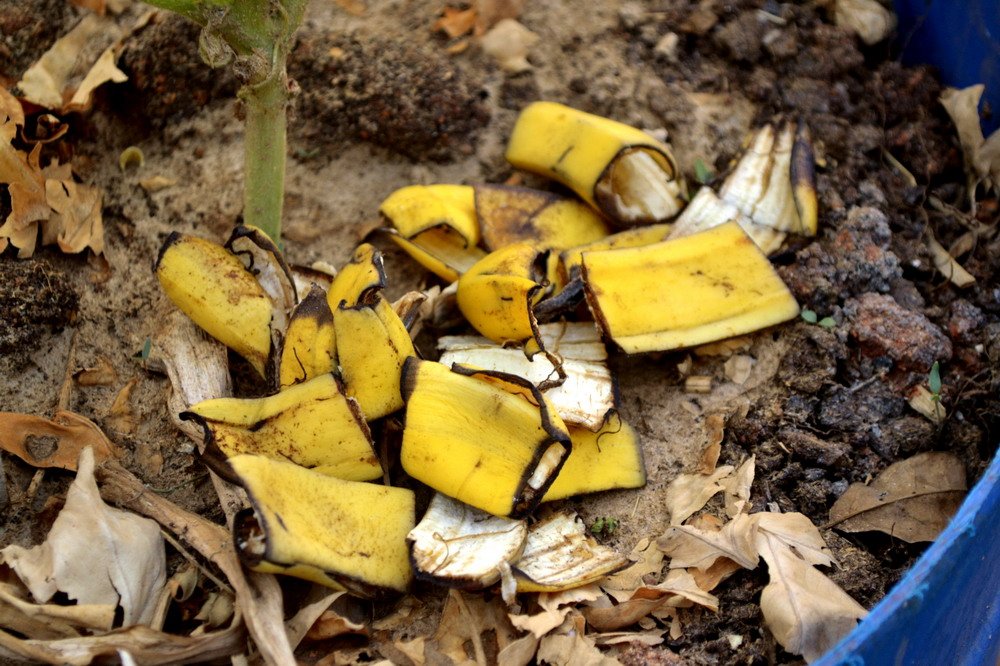
Homemade Fertilizer with Banana Peels
Banana peels are rich in potassium, phosphorus, and calcium, all essential for plant growth. Chop banana peels and bury them in soil near plants, or soak them in water to make a nutrient-rich fertilizer tea.
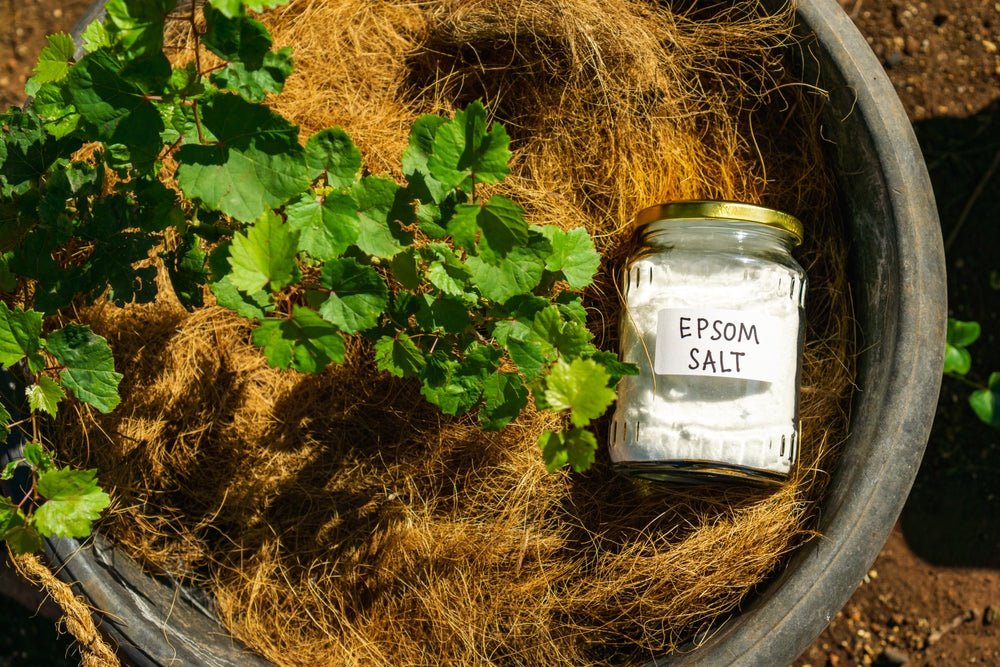
Epsom Salt for Greener Leaves
Epsom salt, containing magnesium sulfate, presents a natural way of improving plant health. Magnesium is crucial for photosynthesis; using Epsom salt can result in greener leaves and more vibrant blooms. Dissolve Epsom salt in water and use it to water plants every few weeks.
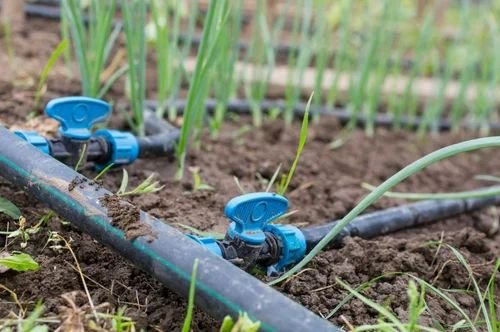
DIY Drip Irrigation System
A DIY drip irrigation system can conserve water and ensure that your plants receive a consistent supply of moisture. Utilize a plastic bottle, punching small holes in the cap, then burying it near the plant’s roots, finally filling it with water. This steady release method maintains even moisture in the soil.
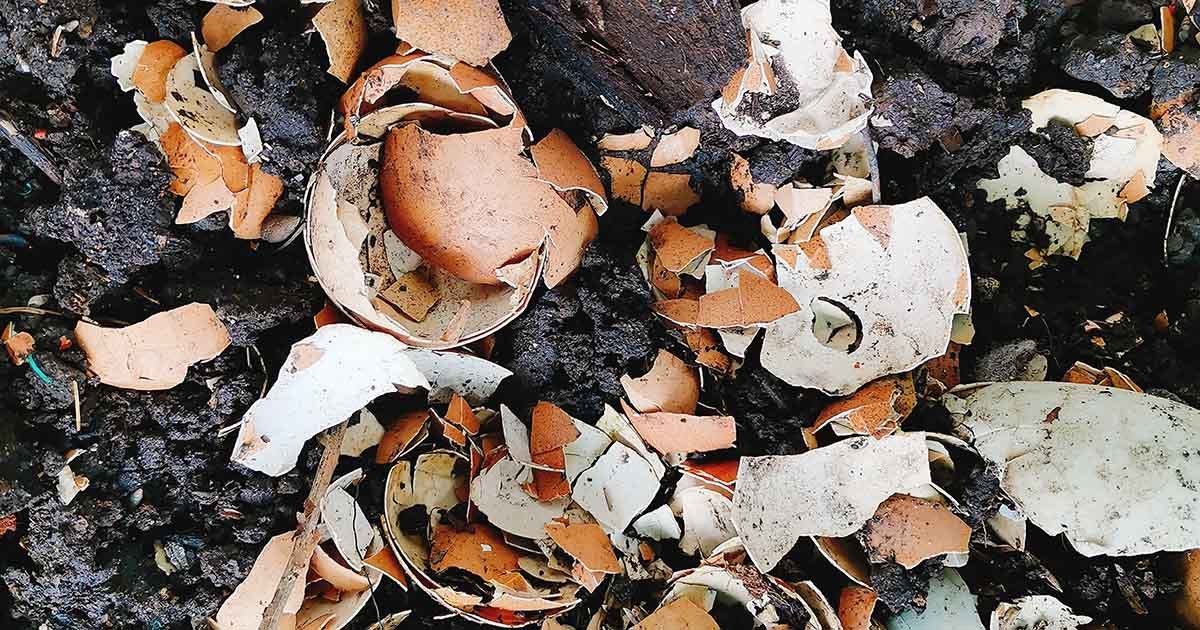
Eggshells for Calcium-Rich Soil
Eggshells present a great calcium source, crucial for plant cell structure. Crush and mix eggshells into the soil, or just use them as a topsoil layer dressing. Over time, the eggshells breakdown to discharge calcium, helping prevent blossom end rot particularly in tomatoes.
Vinegar as a Natural Weed Killer
Vinegar is an effective natural weed killer due to the presence of acetic acid. On sunny days, directly spray undiluted vinegar to unwanted weeds. Acetic acid will desiccate the weeds, removing them without causing damage to the surrounding soil.
:max_bytes(150000):strip_icc()/SPR-using-fork-to-pull-weeds-8659185-02-329855d40e4448c3b3f9d9df87d4f07a.jpg)
Cinnamon to Prevent Fungus
Cinnamon possesses antifungal properties and can halt damping-off disease occurrence in seedlings. Lightly sprinkle cinnamon on the soil surface when planting seeds to safeguard them from possible fungal infections by fostering healthier plant growth.
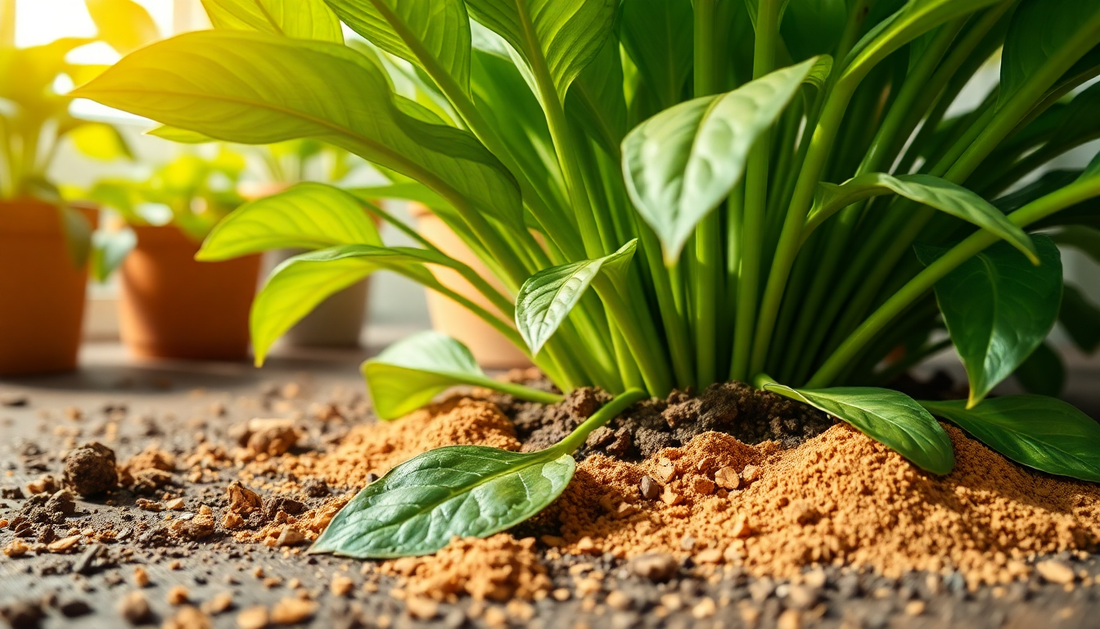
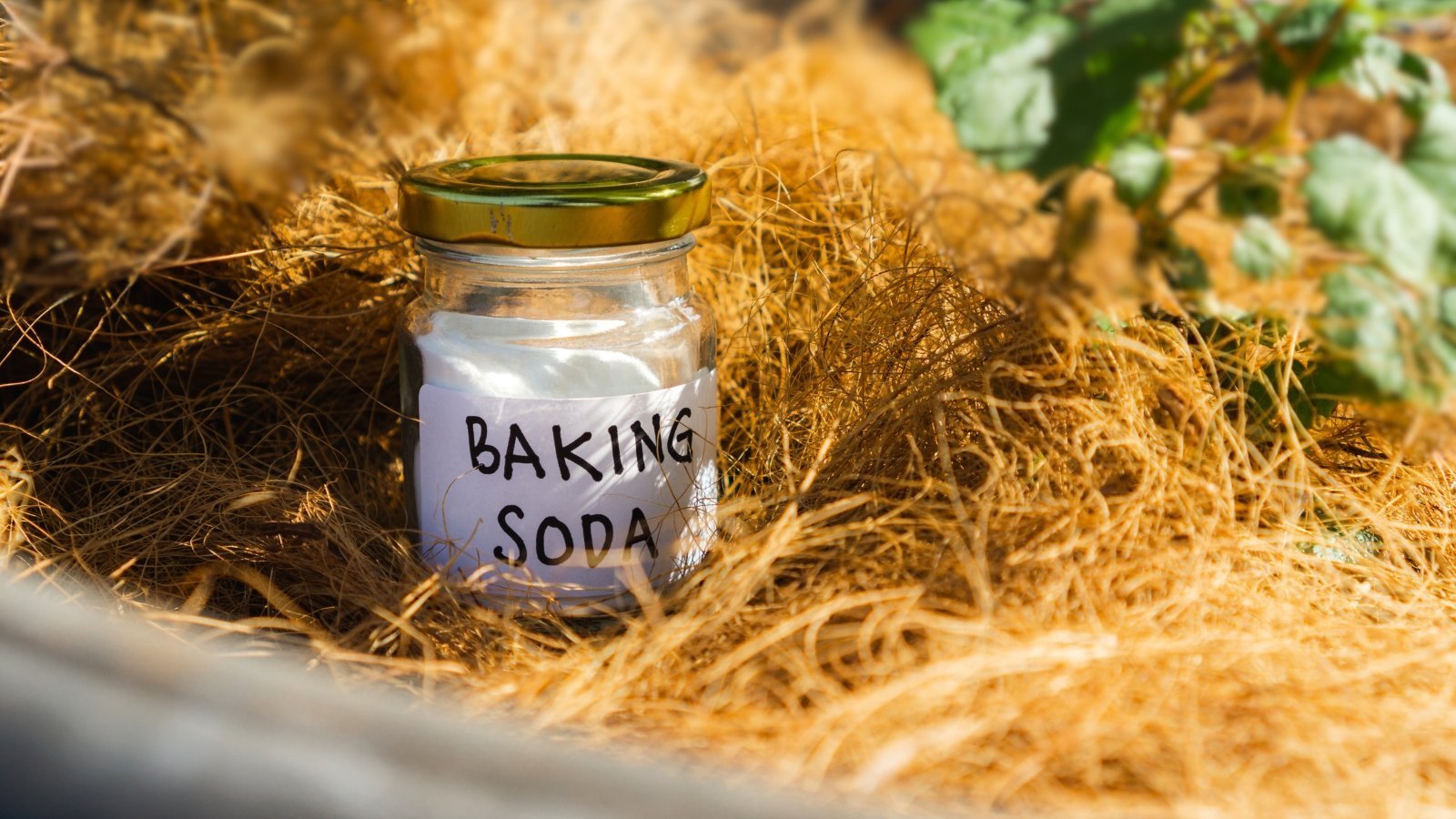
Baking Soda for Sweeter Tomatoes
Baking soda can decrease soil acidity, ultimately resulting in sweeter tomatoes. Sprinkle a smaller quantity of baking soda all around the tomato plants’ base. Especially in highly acidic regions, this hack balances the pH levels within the soil.
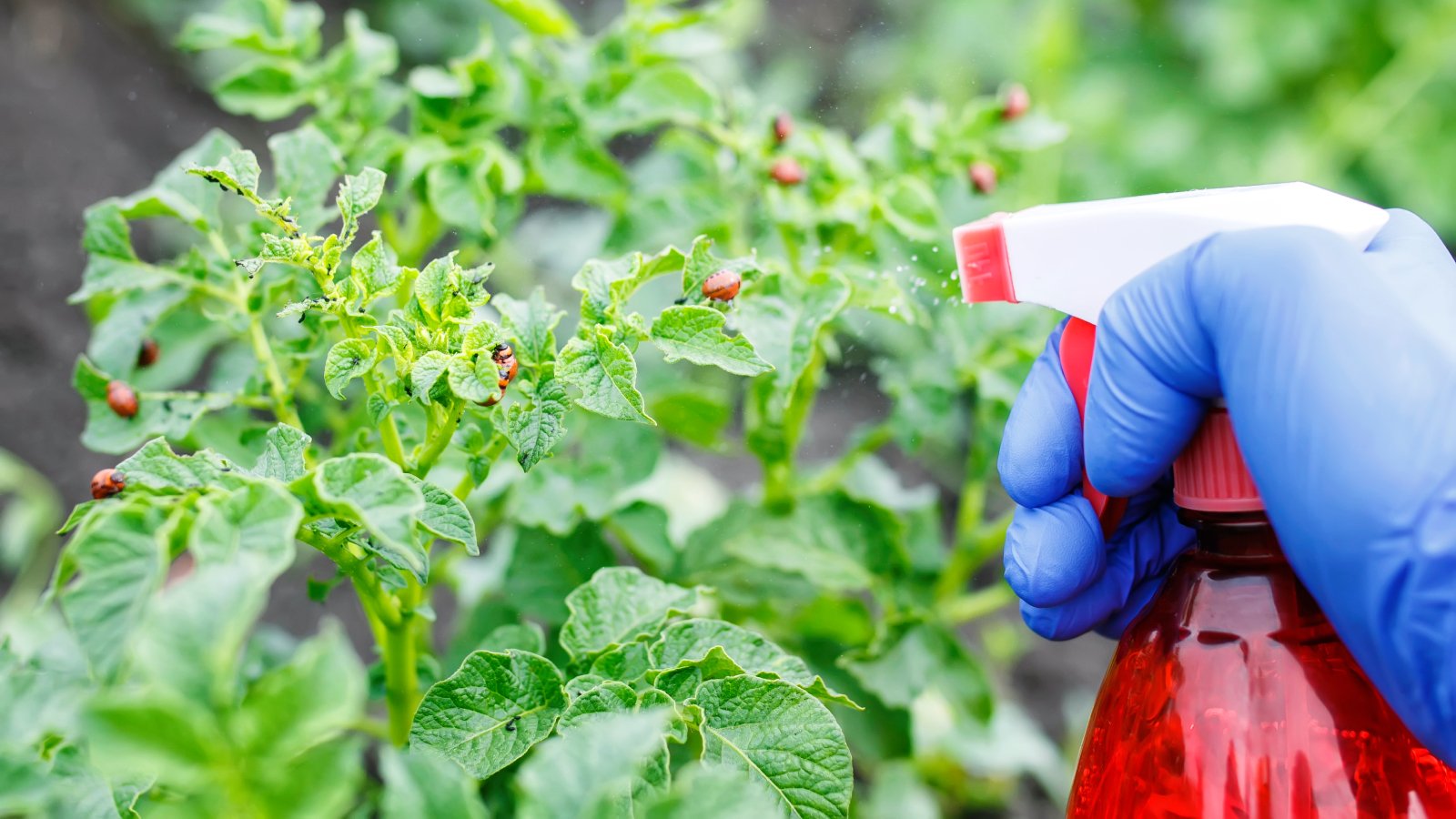
Garlic Spray for Pest Control
Garlic spray acts as a natural way to deter unwanted plant pests like aphids and caterpillars. Mix garlic cloves with water, filter the mixture and then spray it over any affected parts of the plant. Due to scents from garlic being so overpowering, it keeps numerous pests contained therefore preventing them damaging useful insects.
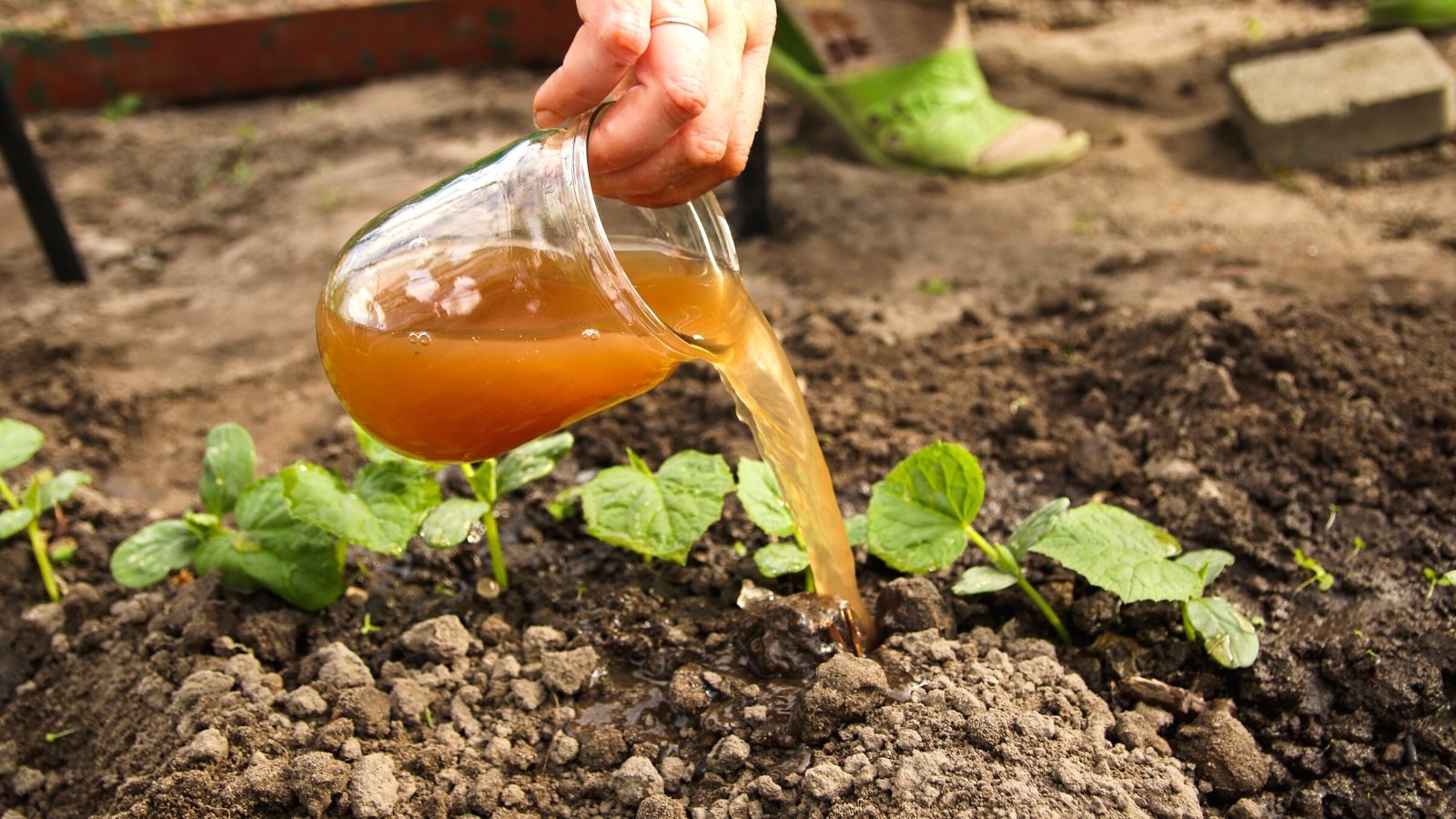
Fish Emulsion for Nutrient Boost
Fish emulsion provides a potent fertilizer generated through decomposed fish parts. Being richer than average in nitrogen, potassium, plus phosphorus provides vital plant growth. Simply dilute it in water, and apply on plants spaced in time as a method that boosts nutrients.
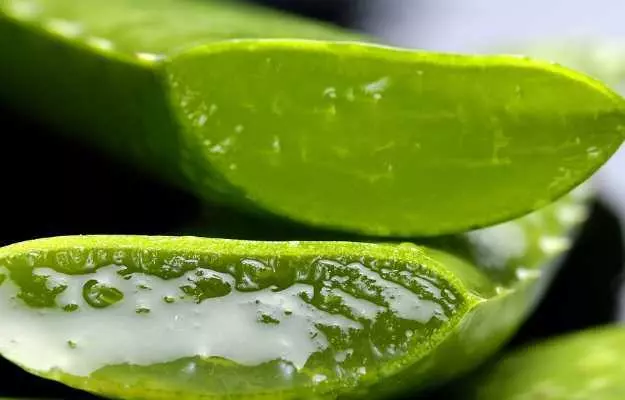
Aloe Vera as a Natural Rooting Hormone
Aloe vera gel may be employed as a rooting hormone so as to encourage root development present inside any plant cuttings. Submerge each individual part where sections were made to plant cuttings, into either aloe vera gels and then place it firmly into respective soil positions. Its naturally occurring enzymes stimulate enhanced root emergence in conjunction to safeguard against pathogens exposure.
Use of Seaweed Extract for Plant Growth
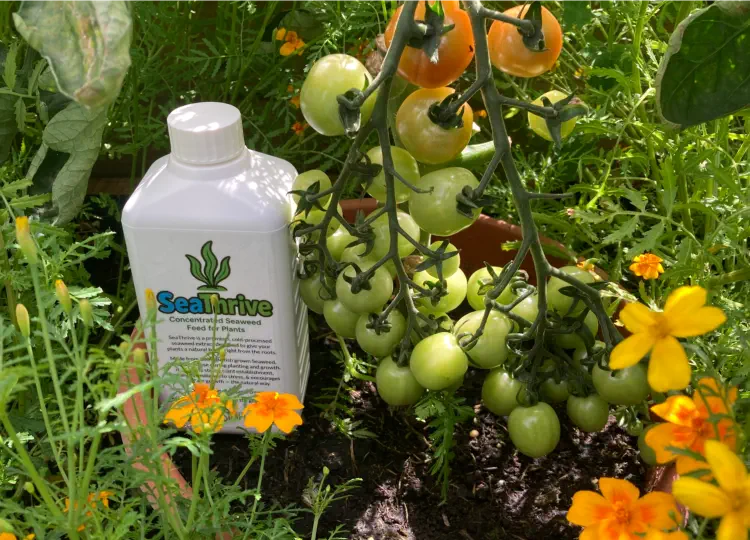
Seaweed extract acts as a naturally derived stimulant in relation to plant growth; offering numerous nutrients on top of their respective essential requirements. Improved root systems, better tolerant threshold alongside improving plant wellbeing are among positive attributes noticed. Water down such concentrated product and utilise with leaf applications alongside soil drenches based on instruction given.
Rainwater Harvesting for Sustainable Gardening
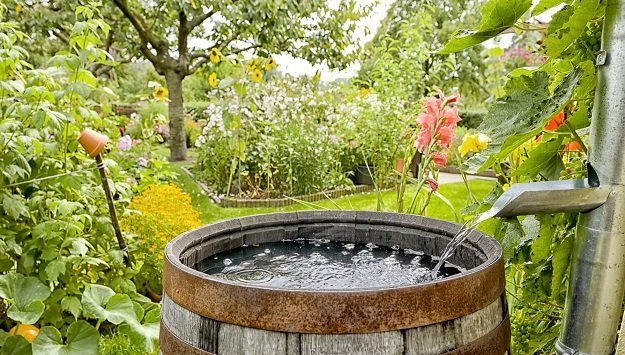
Rainwater collection presents a environmentally friendly method when watering any cultivated spaces. By installing rain harvesting collection tanks below roof areas which catch runoff during spells of precipitation. Rainwaters free chemically that you find commonly in some available from plumbed water which constitutes superior quality source designed designed specially meant with plantations requirement for optimum results. This water usage pattern also helps reduce overall utility payment costs because consumption savings plus improves resource administration practice generally applicable terms respectively across entire business practice framework under environmentally sustainability.
Conclusion: Maximizing Your Garden’s Potential
Implementing these garden hacks will help you to increase your garden’s potential while reducing costs and effort. These techniques do more than just boost yield and plant health; they positively support sustainability principles when in regards to garden care overall. Whether you decide to improve growth, control pests or enrich soil elements inside the gardens, these shortcuts lead to successful outputs benefitting your gardens and environment. Please feel free to adopt such innovative approaches enabling your vegetation that is planted to bloom perfectly.


