

When people typically think about growing vegetables, images of vibrant, sunny gardens often come to mind. While many plants do indeed flourish in full sunlight, a surprising number of vegetables actually prefer or can tolerate shady conditions. You can still cultivate a productive vegetable garden, whether it’s located in filtered sunlight, behind towering trees, or adjacent to a building. Here are 16 vegetables well-suited for shade, along with tips to help them succeed.
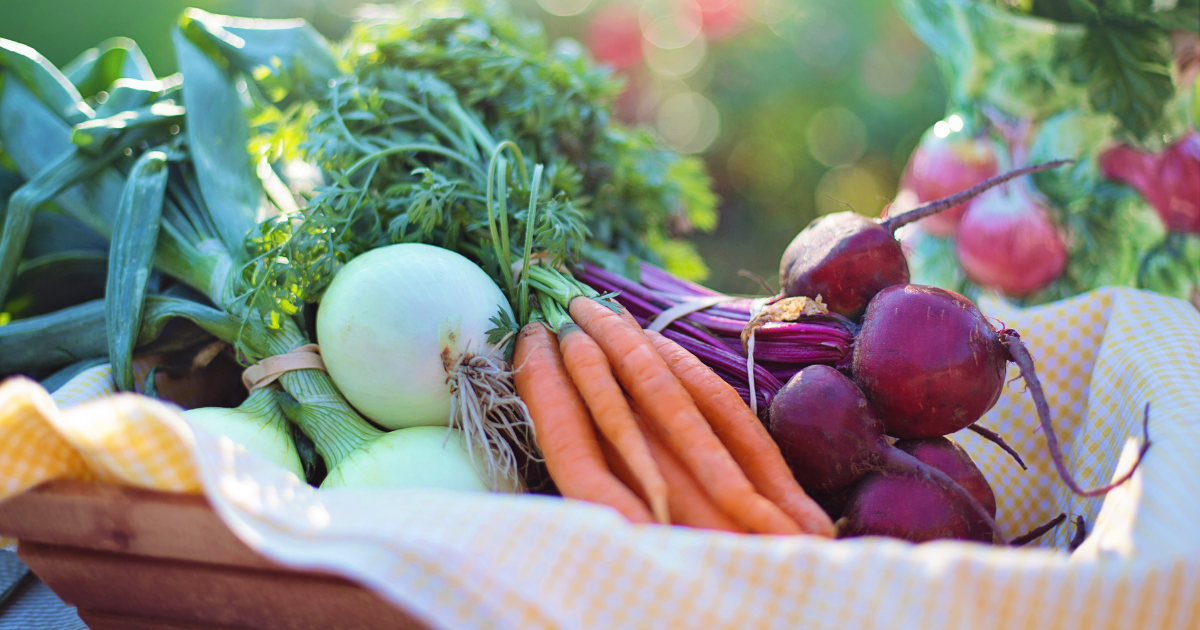
Lettuce
Lettuce thrives in cooler temperatures and quickly wilts in direct sunlight. Shadier locations create the ideal environment for maintaining tender and sweet leaves, extending your growing season into the warmer months.
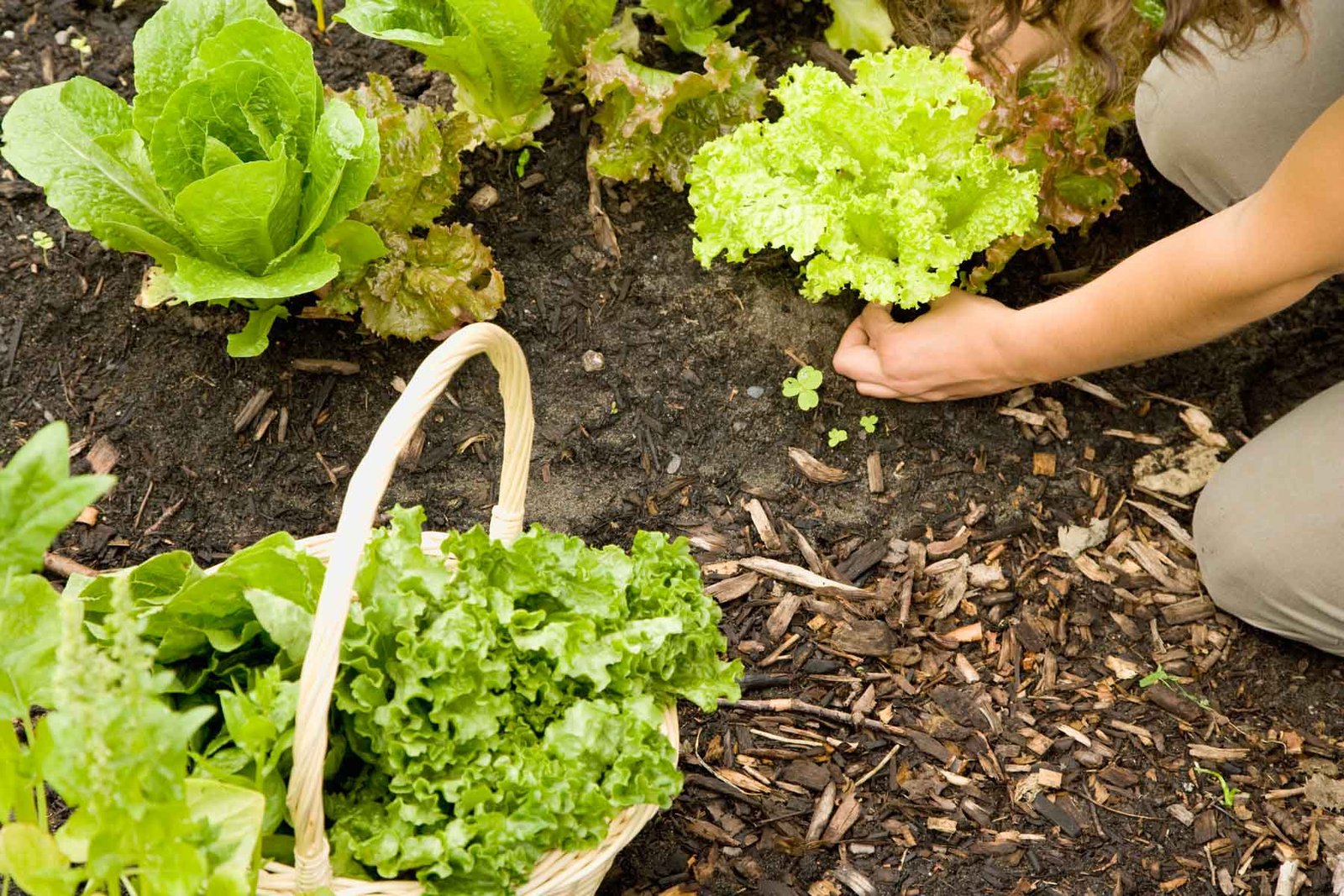
Spinach
Similar to lettuce, spinach flourishes best in cooler, shadier conditions. Shade helps prevent spinach from bolting (prematurely going to seed), which allows for an extended harvest.
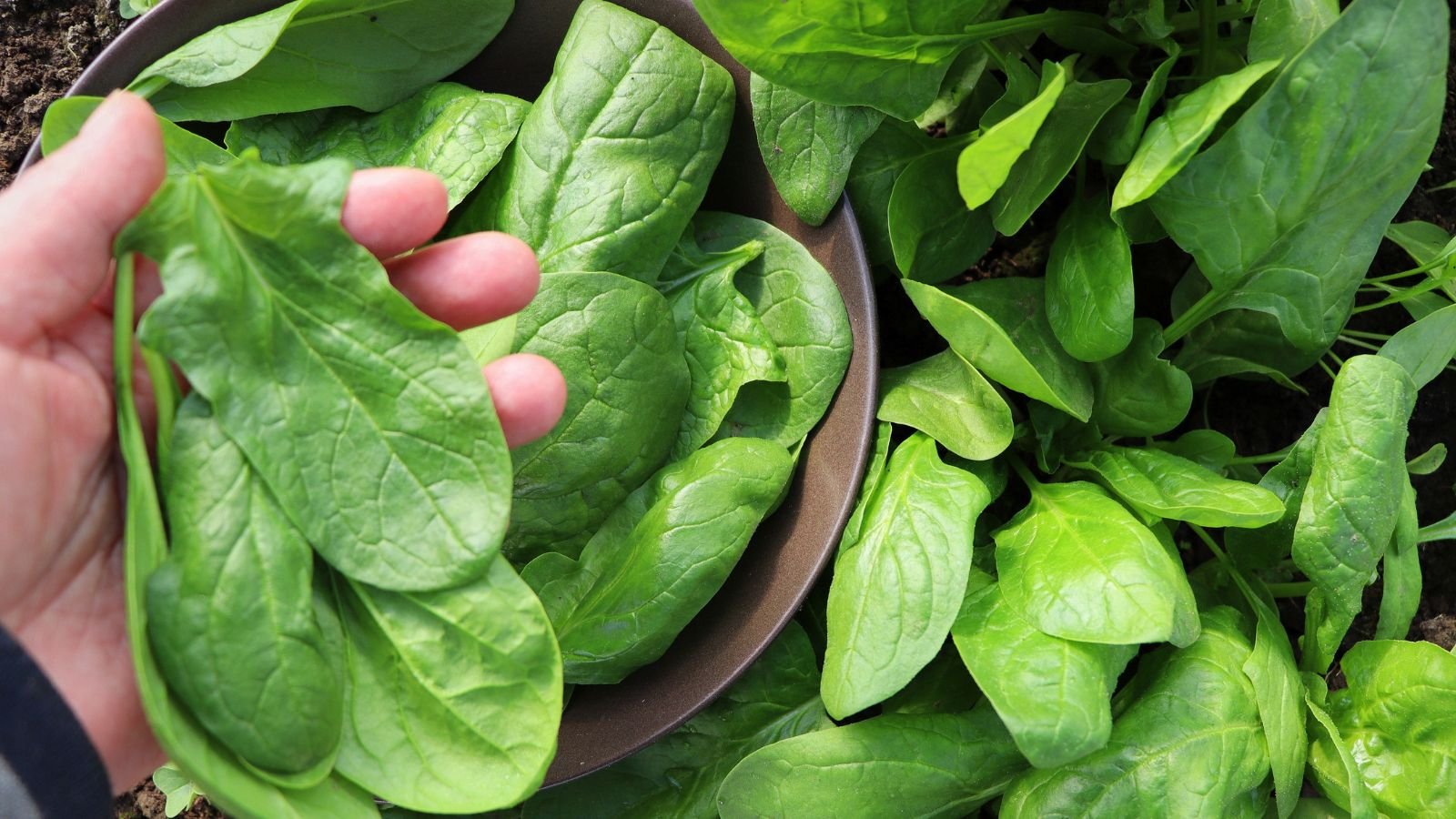
Arugula
This green with a peppery flavor flourishes in partial shade, especially in warmer environments. Its flavor and texture are improved as shadier conditions moderately reduce its growth.
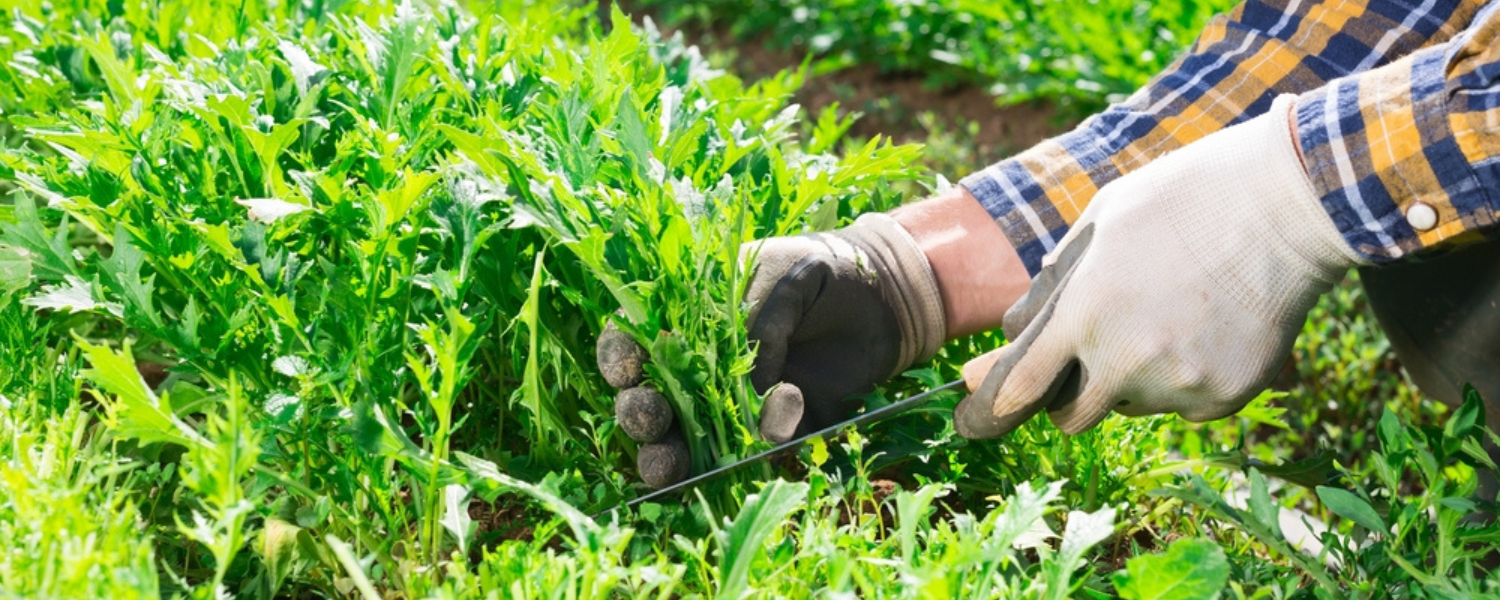
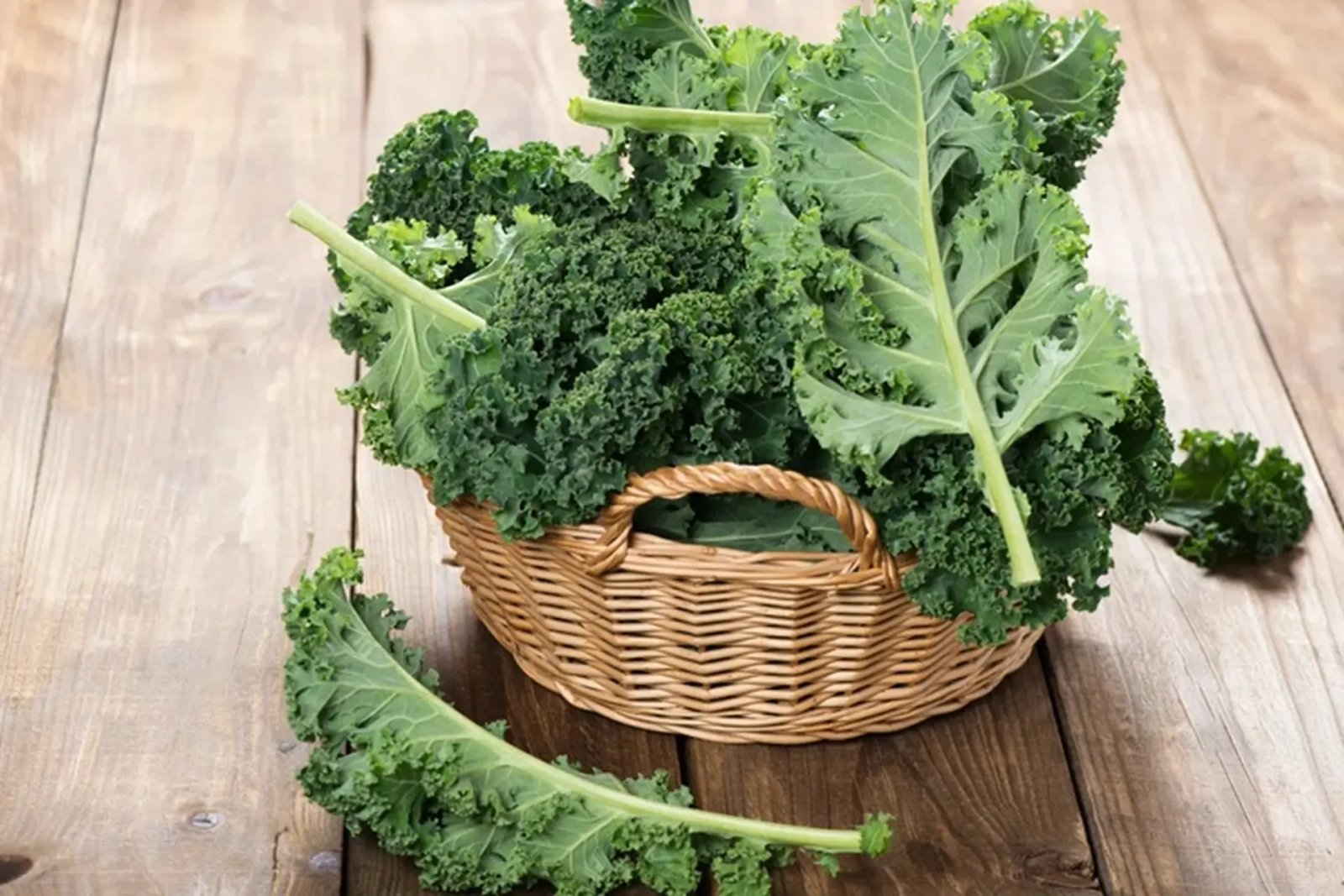
Kale
Kale, a resilient leafy green, isn’t bothered by some shade. In fact, when grown in cooler, lower-light conditions, it frequently has a sweeter taste.
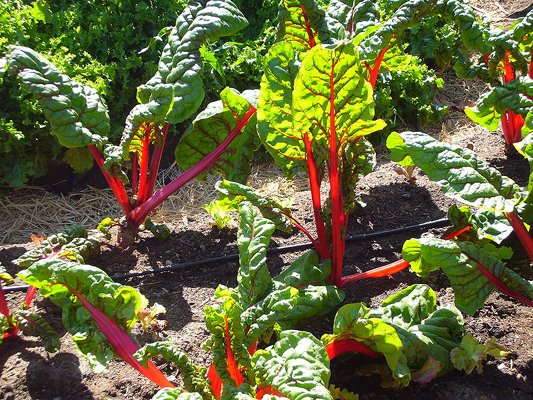
Swiss Chard
Swiss chard demonstrates a high level of adaptability. While it thrives in the sun, it is still able to produce vibrant, colorful stems and leafy greens with as little as 3–4 hours of direct sunlight each day.
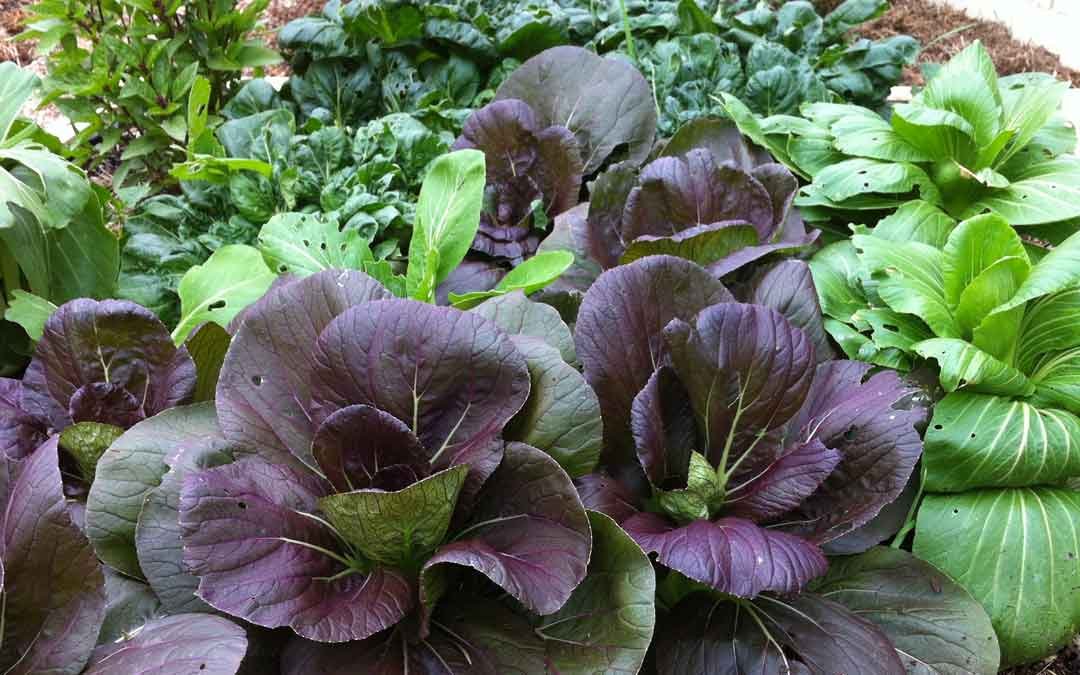
Mustard Greens
Mustard greens exhibit good tolerance for partial shade. Although less sunlight results in slower growth, it also contributes to softer, less bitter leaves.
Cilantro
Cilantro tends to bolt rapidly in hot weather and direct sunlight, making shady areas perfect. Cilantro’s productivity is extended in cooler climates with limited light.
:strip_icc()/BHG-how-to-harvest-cilantro-101757744-a930b11c015447309b8dfeb9e6ea419c.jpg)
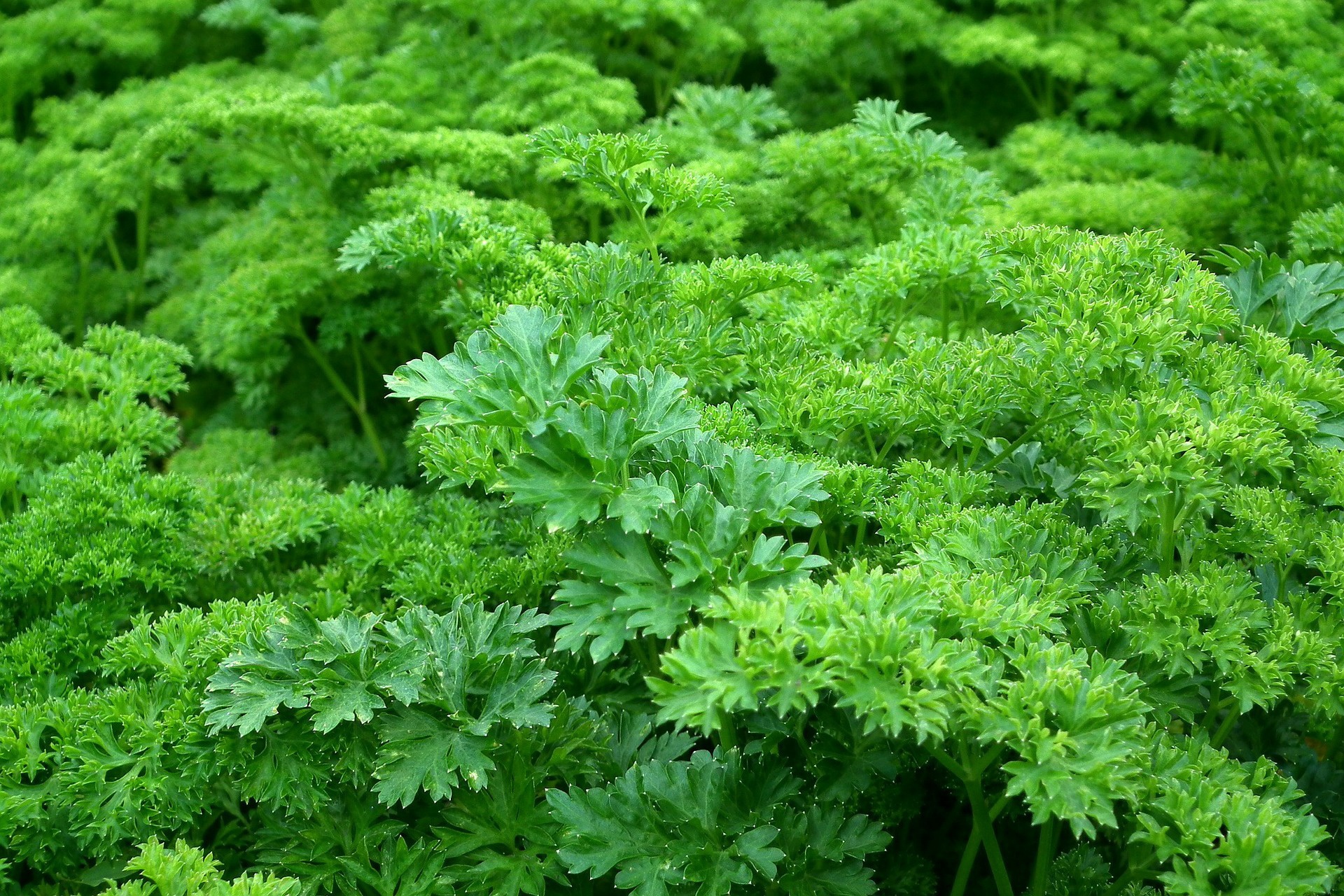
Parsley
Parsley fares better in shade than many other herbs. Its growth is slow yet consistent, and it yields copious leaves that are ideal for flavoring food and use as garnish.
Beets
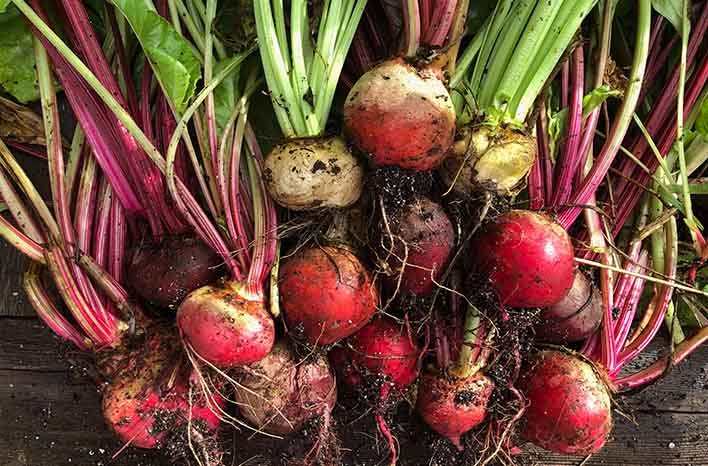
Beets cultivated in partial shade might produce smaller root vegetables, but the nutritious beet greens will thrive. These greens are both nutritious and flavorful, making shade-grown beets a great dual-purpose crop.
Radishes
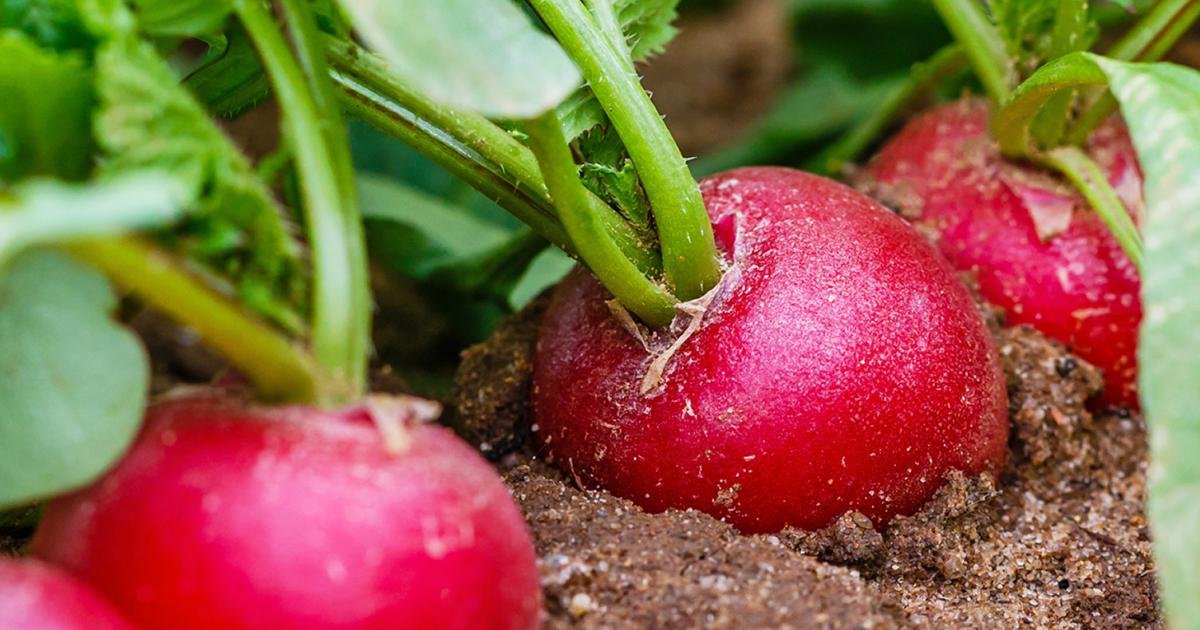
Radishes are some of the quickest vegetables to grow, and they’re not bothered by partial shade. The shade will delay them slightly, which makes the roots’ flavor more subdued.
Carrots
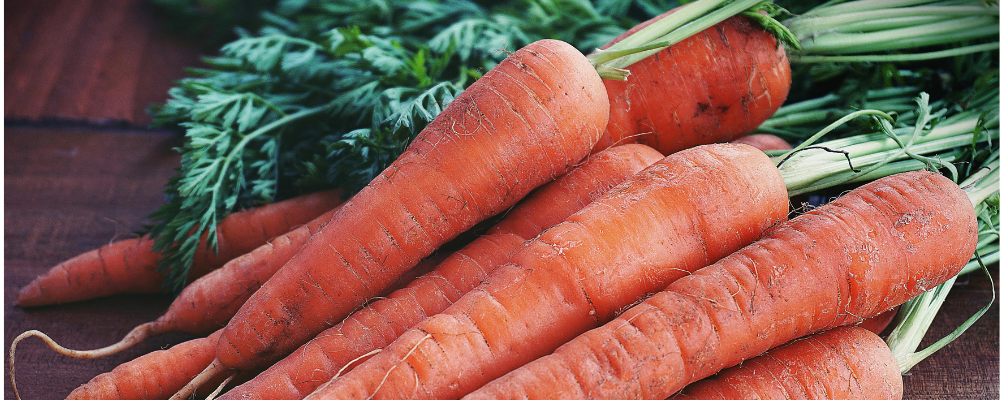
Carrots do best in full sunlight, but they can handle some shade, especially in hotter climates where shade helps avoid hard, bitter roots.
Broccoli
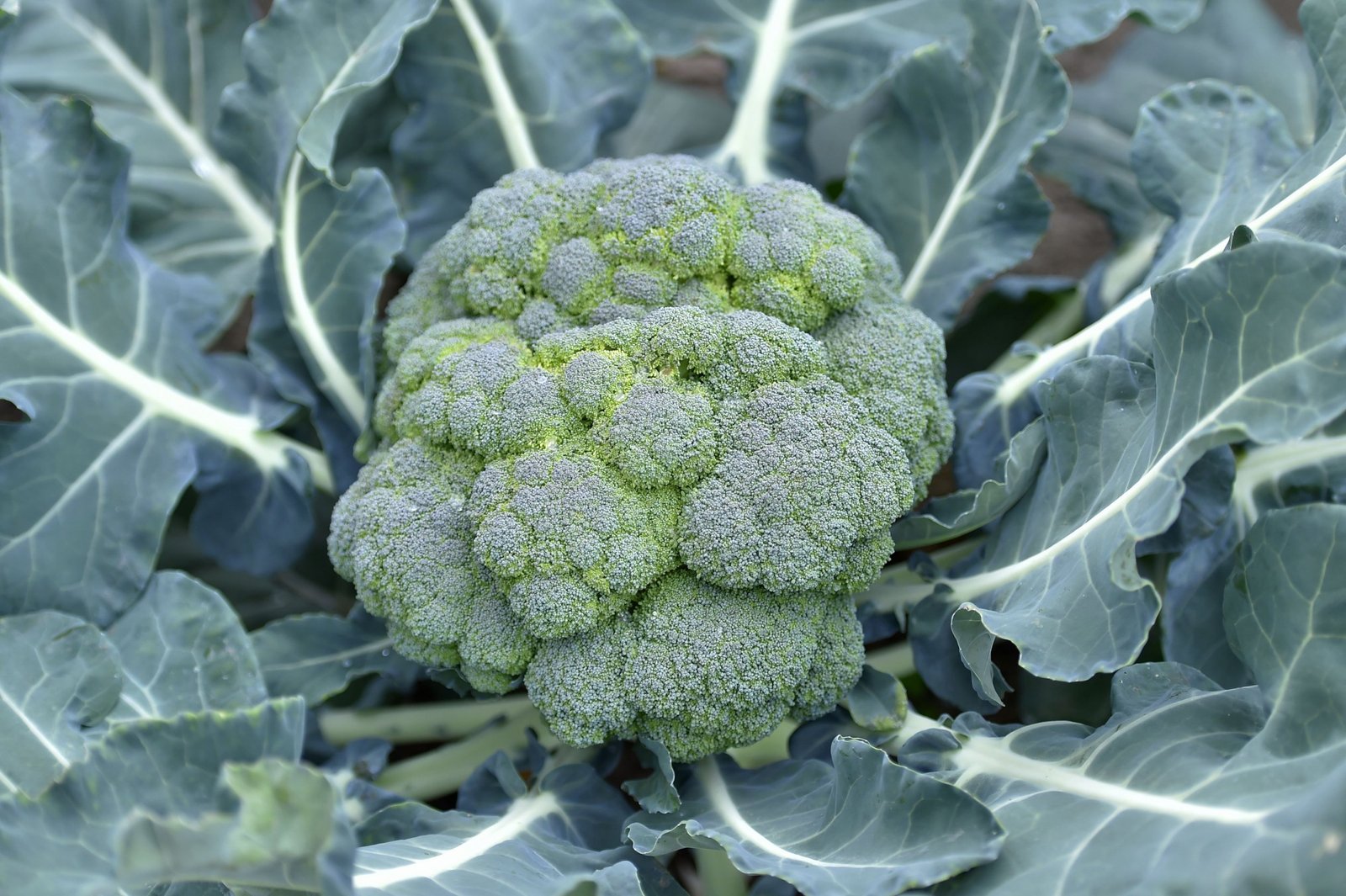
Broccoli prefers cooler temperatures, and excessive sunlight can stress the plant. By providing partial shade, tighter heads and better-tasting florets can be obtained.
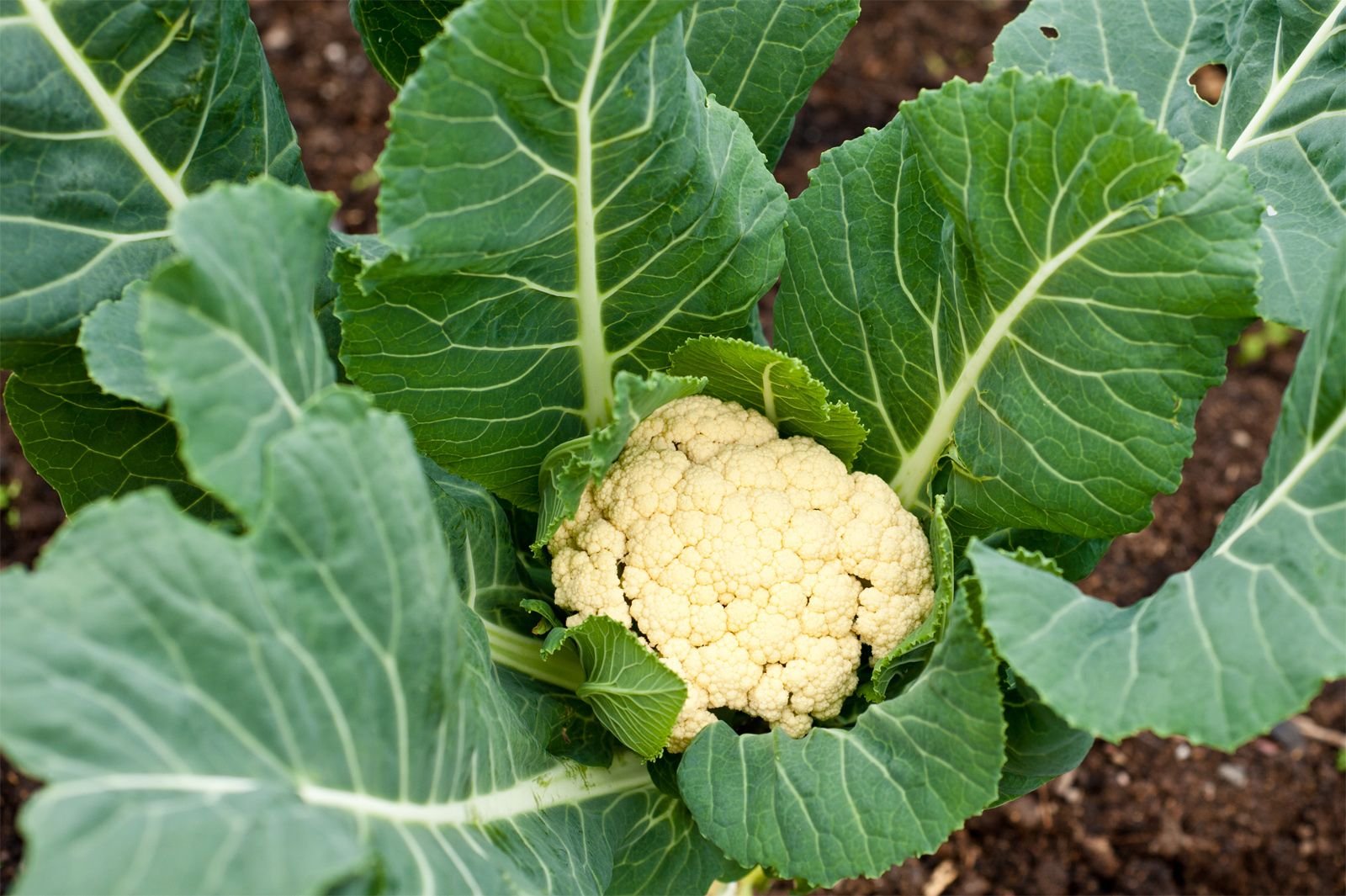
Cauliflower
Similar to broccoli, cauliflower does well with growing in partial shade, which will help avoid bitter flavors and any discoloration of the heads.
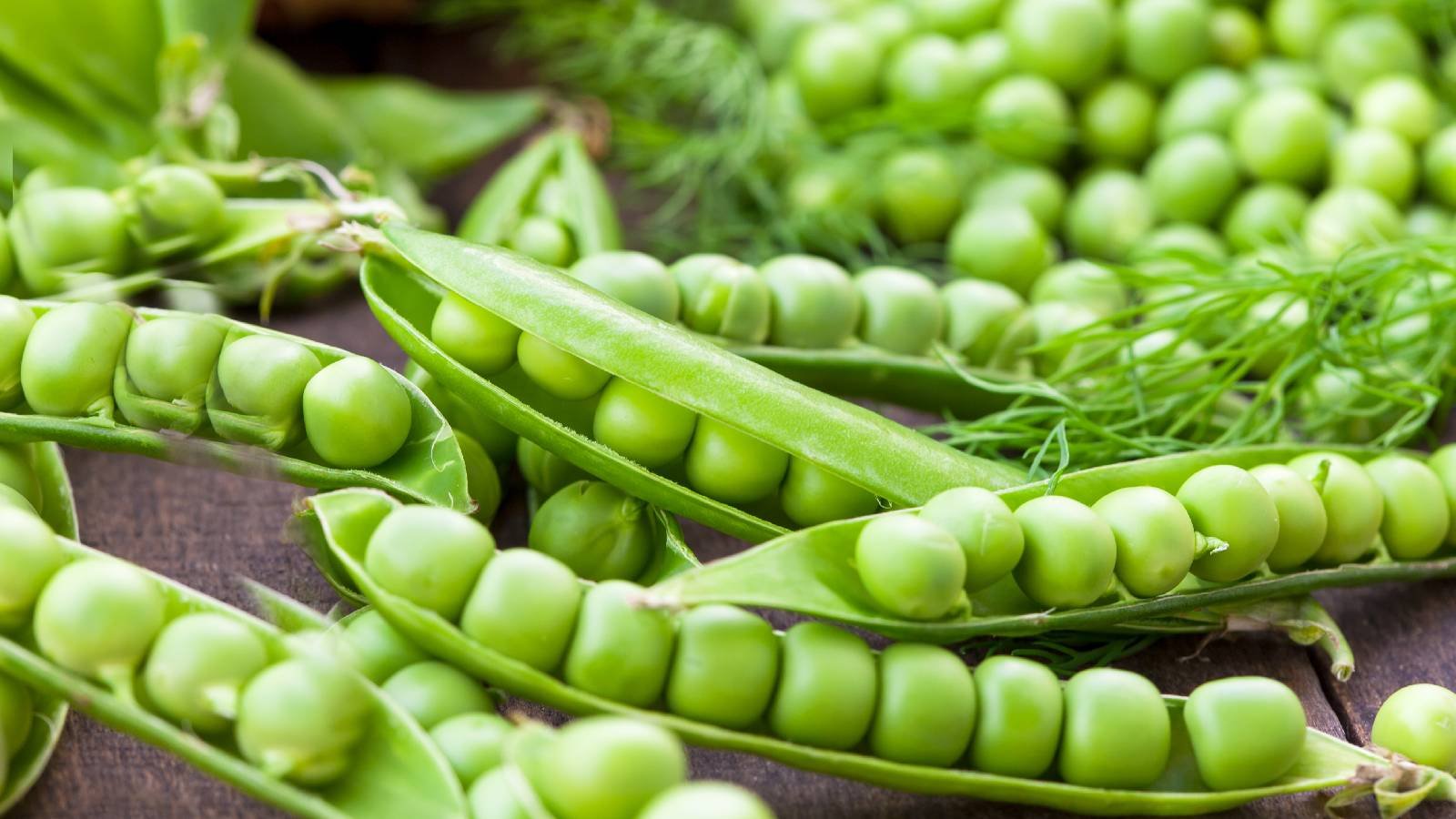
Peas
Peas thrive in cooler weather, and partial shade encourages their continued growth, especially as spring transitions into summer. Though pod production might decrease, the plants will remain healthier for a longer period.
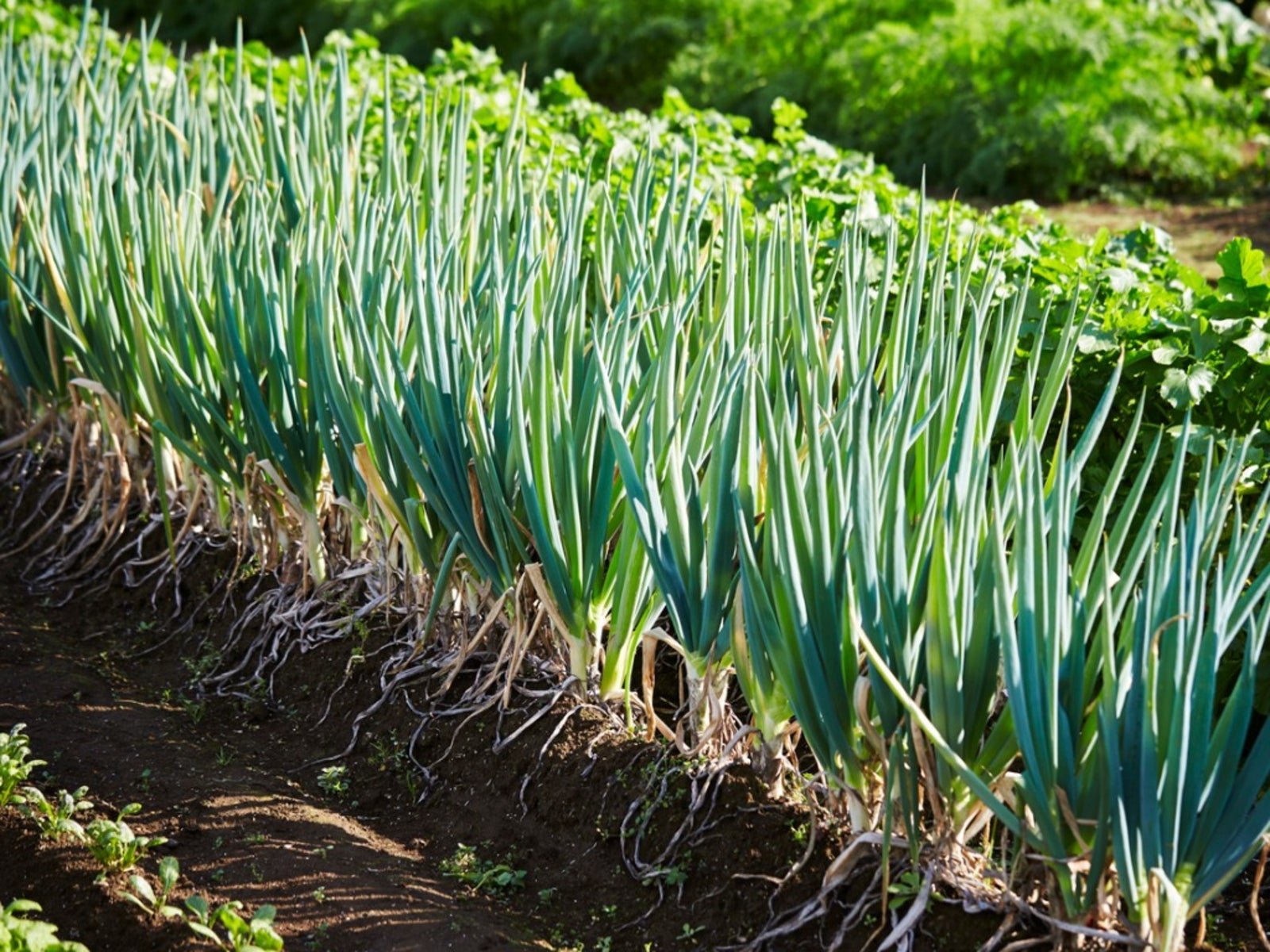
Green Onions (Scallions)
Green onions can tolerate a wide variety of lighting. They develop more slowly in shady areas, but yield a constant harvest of tender, mild-flavored stalks.
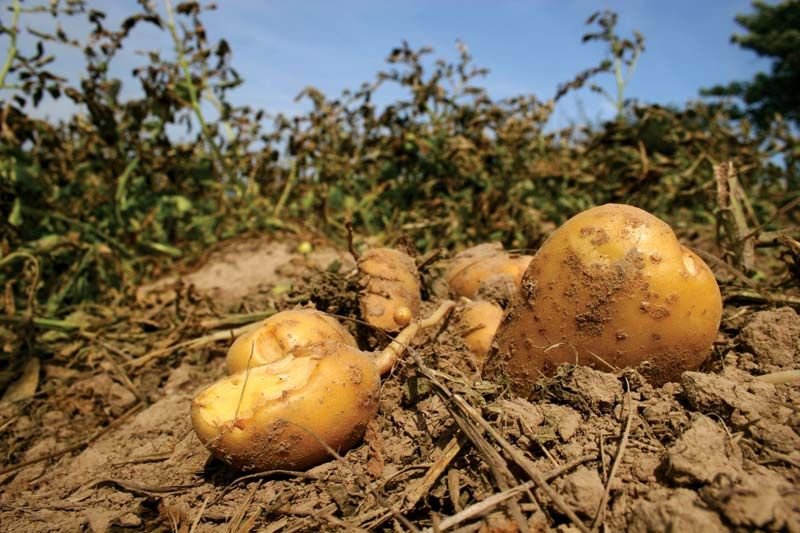
Potatoes
Potatoes are able to handle some shade, but they produce the best results with a little sunshine. You might obtain smaller tubers if growing in partial shade, but the plants are still reliable producers.
Tips for Growing Vegetables in Shade:
- Choose the right spot: Find areas that have filtered sunlight or at least two to six hours of sunshine in the morning.
- Use reflective surfaces: Walls in light colors or mirrors might cause extra light to bounce onto your plants.
- Monitor moisture carefully: Gardens in shady areas tend to remain moist longer, so alter your watering to avoid waterlogging.
- Feed your soil: To make sure that plants receive nutrients in abundance, amend shady beds with compost; because vegetables that grow slowly enjoy the opportunity to get more nutrients from the soil.
- Be patient: Because shade causes growth to slow down, it’ll take longer to harvest—but the flavor and tenderness of the produce makes the delay worthwhile.
:max_bytes(150000):strip_icc()/vegetables-thrive-in-shade-lead2-getty-0723-887d71d001a84e62b74c6b3b98db4f2f.jpg)
Conclusion
In summary, while many gardeners may shy away from planting vegetables in shady areas, a variety of crops can thrive and produce bountiful yields in these conditions. Vegetables such as lettuce, spinach, and kale are just a few examples of those that benefit from less direct sunlight, maintaining both flavor and tenderness. By selecting the right species, optimizing planting locations, and providing the necessary care—including attention to watering and soil health—gardens with limited sunlight can be just as productive as their sun-drenched counterparts. Embracing the unique qualities of shade gardening can lead to a diverse and successful vegetable harvest, proving that you don’t need full sun exposure to enjoy homegrown produce.


