

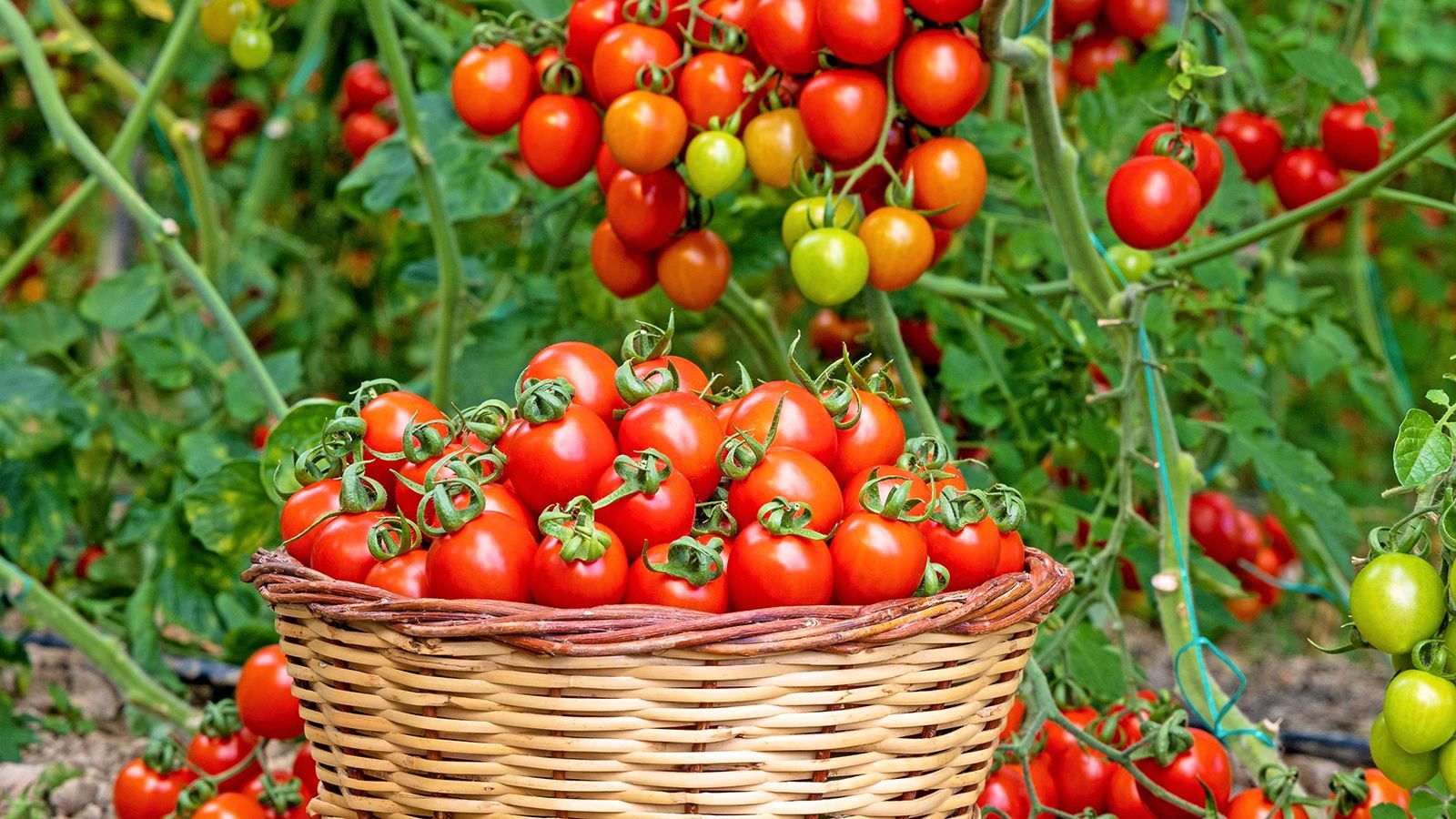
Growing tomatoes can be a fulfilling endeavor, although a plentiful harvest needs more than simply planting and giving water. You can increase your tomato plants’ growth, taste, and yield by using a few clever techniques.
Whether an experienced gardener or a novice, these 16 tomato growing hacks will help you grow a crop that’s impressive. These suggestions, which range from natural pest management to soil enrichment, are intended to improve your tomato-growing endeavors.
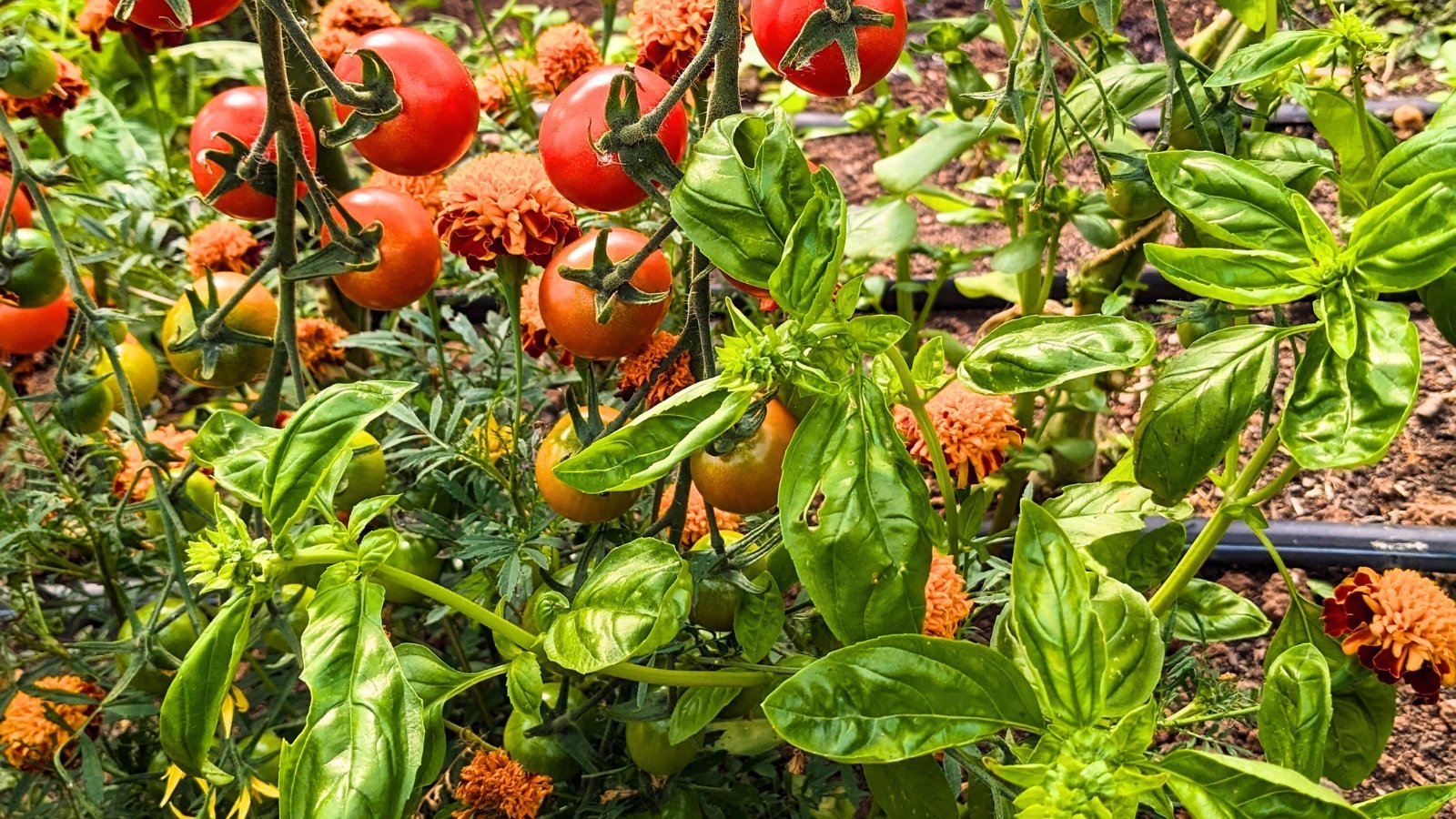
Planting Basil Nearby to Keep Pests Away
Basil serves as both a flavorful herb and a natural bug repellent. Plant basil 12–18 inches (30–45 cm) from each tomato plant for efficient pest management. The fragrant oils found in basil function as a natural insect deterrent, forming a protective barrier surrounding your tomatoes. Furthermore, basil improves flavor of tomatoes, making this companion planting strategy beneficial in multiple ways.
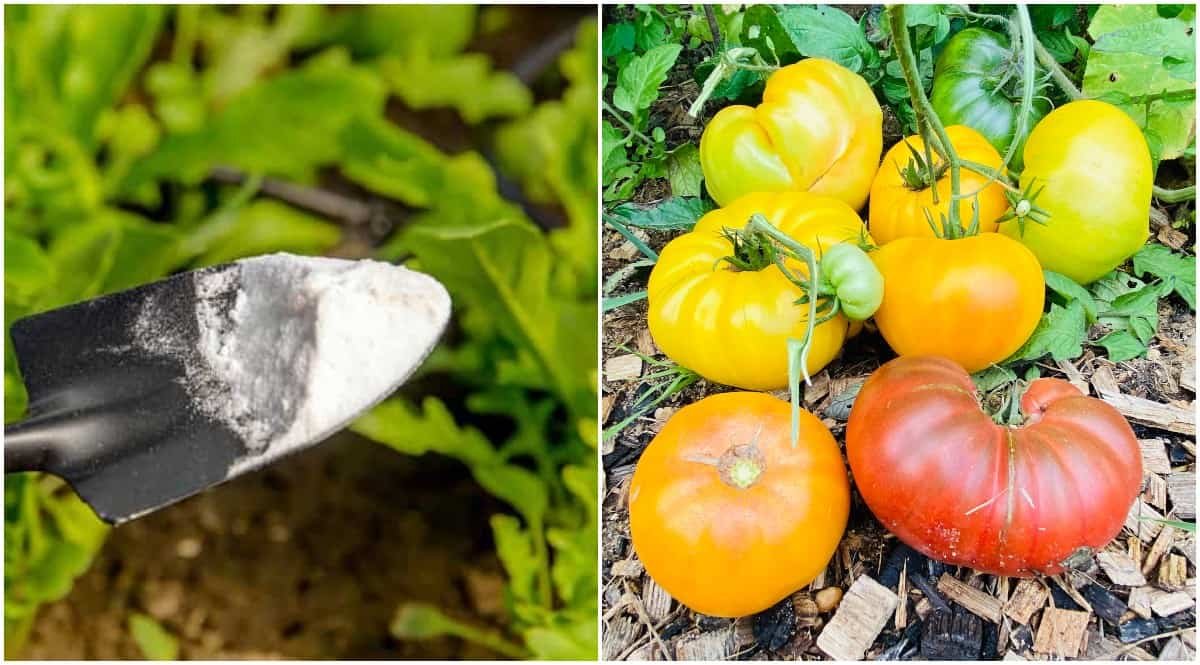
Sprinkling Baking Soda for Sweeter Tomatoes
You can utilize baking soda to lower soil’s acidity by modifying its pH. Distribute about 1 tablespoon (15 grams) of baking soda around the base of each plant carefully, ensuring the baking soda doesn’t touch the plant directly. Apply during the growing season’s start and carefully such that you repeat the application once every 4 weeks maximum.
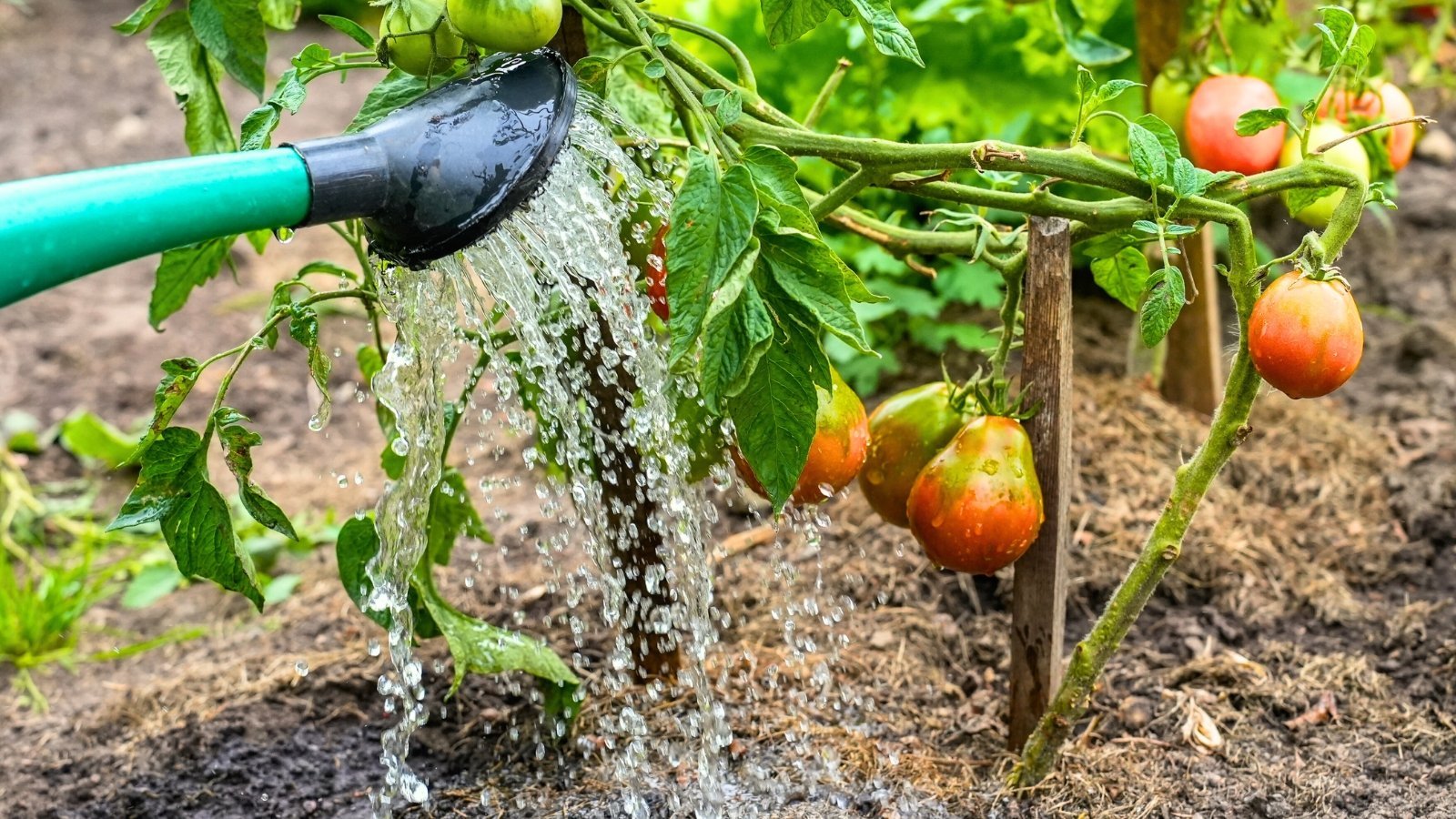
Watering at the Base and Not on the Leaves
Watering tomato plants at the base rather than on the leaves can help prevent fungal illnesses like blight. Use a watering can or drip irrigation to apply 1–1.5 inches (2.5–4 cm) of water each week to the soil, keeping the vegetation dry and in good health.
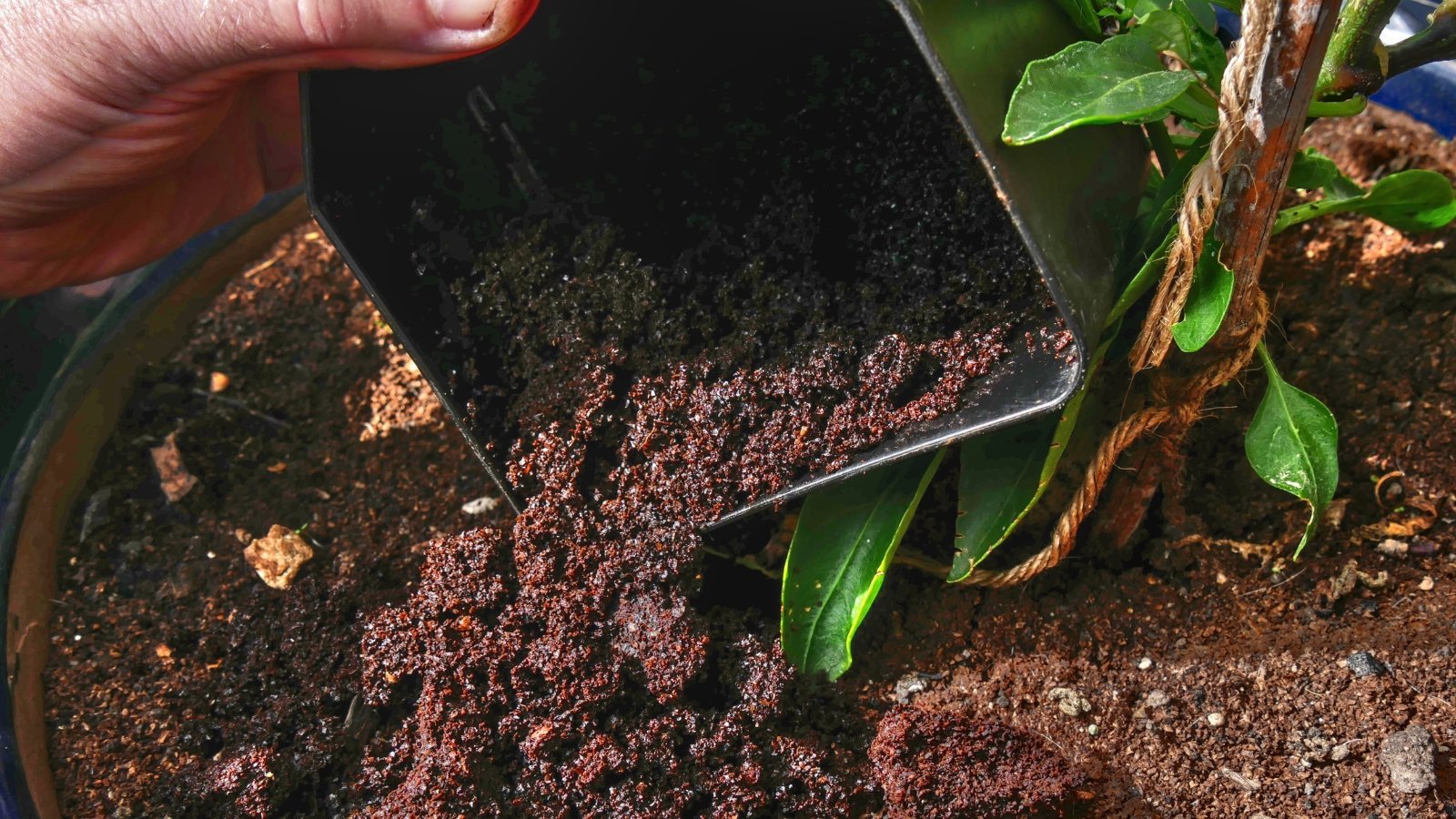
Using Coffee Grounds to Enrich Soil
Coffee grounds provide a fantastic source of nitrogen. Every 2–4 weeks, add 1/2 cup (about 50 grams) of used coffee grounds to each plant, lightly mixing them into the top inch (2.5 cm) of soil to prevent mold from growing and encourage earthworms.
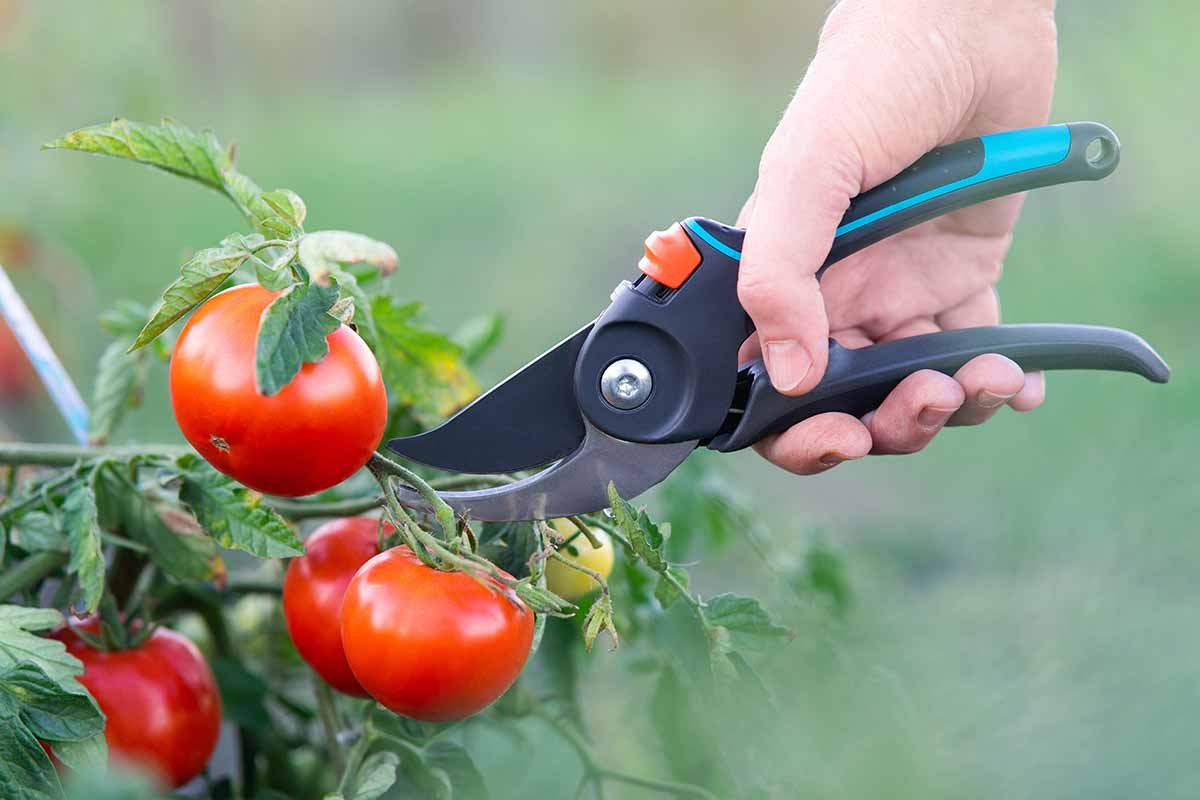
Pruning Tomato Plants for Better Growth
For healthy tomatoes, pruning is essential. Every week, cut off the lowest 6–12 inches (15–30 cm) of leaves and all suckers (shoots that grow between the stem and branches). Make sure to utilize clean, sharp pruners or scissors for avoiding the transmission of disease.
Mulching to Retain Soil Moisture
Apply a 2–3 inch (5–7.5 cm) thick layer of organic mulch, such as shredded leaves, wood chips, or straw, surrounding your tomato plants, keeping it about 2 inches (5 cm) distant from the stems to prevent rotting.
:max_bytes(150000):strip_icc()/__opt__aboutcom__coeus__resources__content_migration__mnn__images__2017__08__PersonLayingHawMulchAroundTomatoes-544116f26dab4db89f970c14439d665e.jpg)
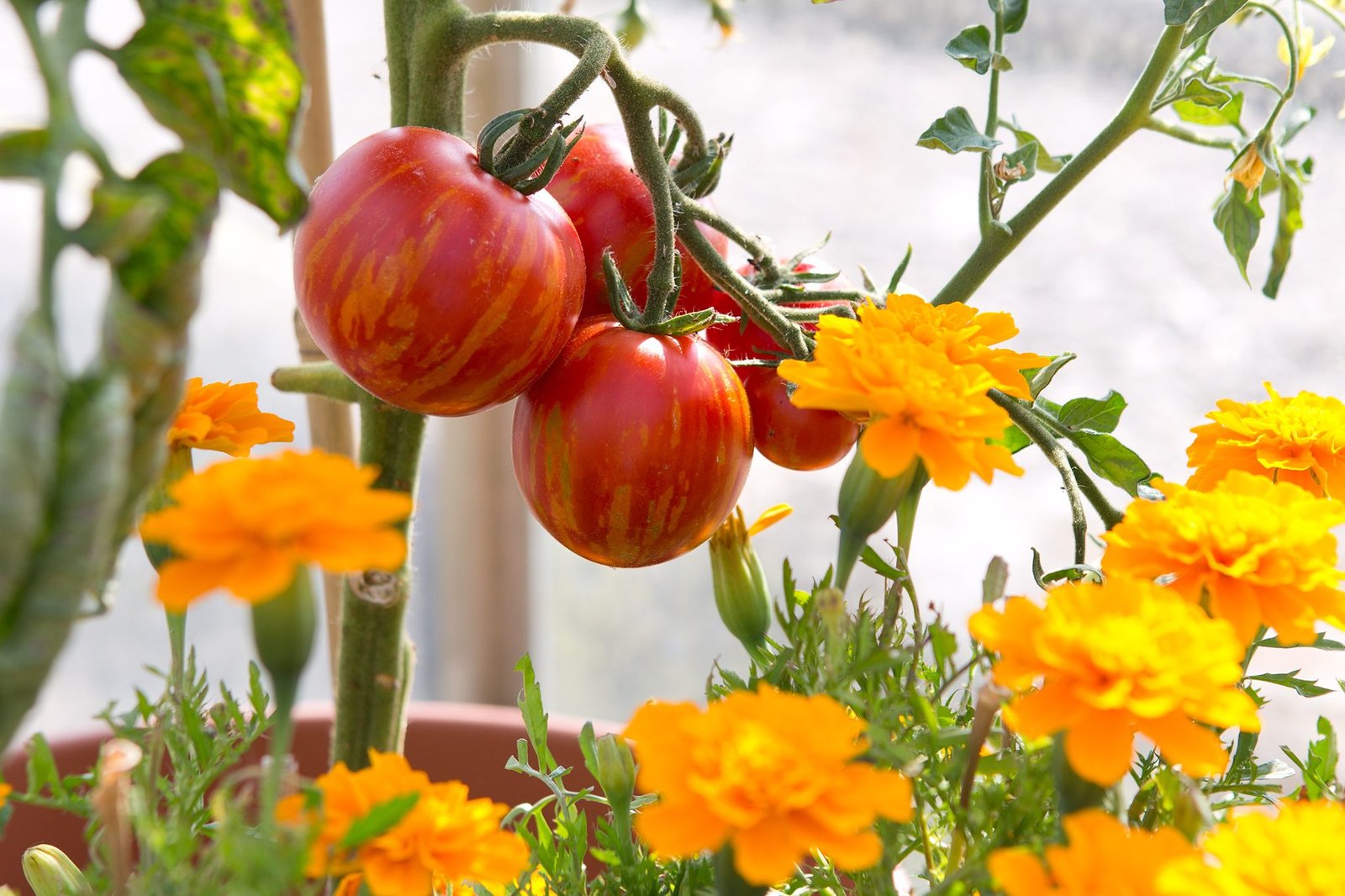
Companion Planting for Natural Pest Control
Space nasturtiums and marigolds 12–18 inches (30–45 cm) apart around your tomato plants for efficient companion planting. This guarantees sufficient coverage to repel pests and draw helpful insects.
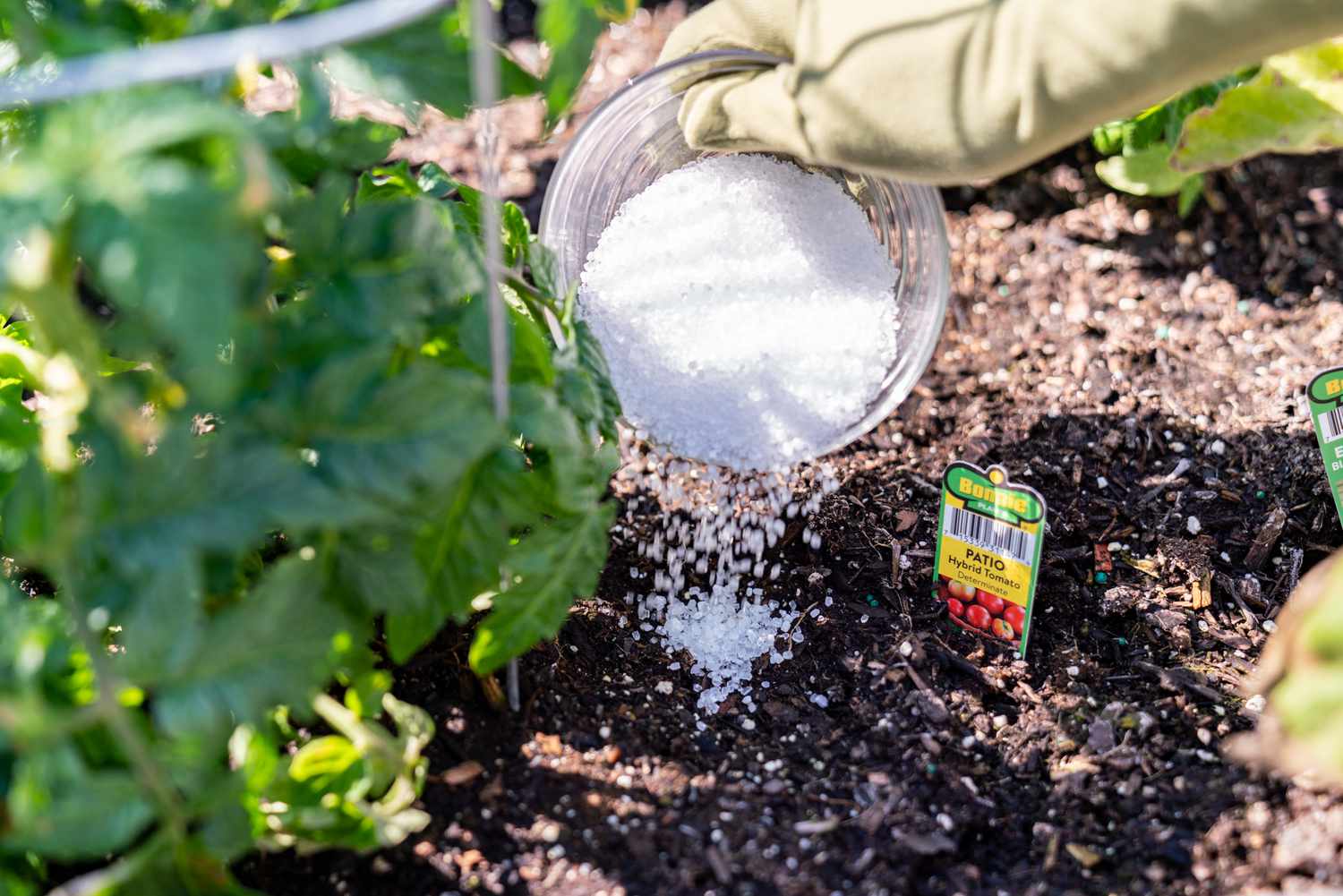
Using Epsom Salt to Boost Magnesium Levels
Mix 1 tablespoon (15 grams) of Epsom salt into 1 gallon (3.8 liters) of water. Once a month, use this solution as a soil drench surrounding the base of each plant, or apply as a foliar spray, spritzing the leaves until they are moist.
Staking and Supporting Tomato Plants
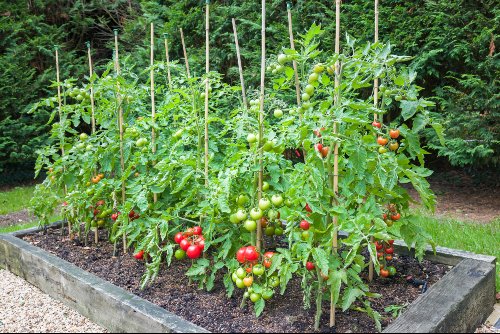
Use 6–8 foot (1.8–2.4 meter) tall stakes for indeterminate types, placing them 4–6 inches (10–15 cm) away from the stem when planting. Alternatively, use tomato cages that are at least 18 inches (45 cm) in diameter.
Rotating Crops to Prevent Disease
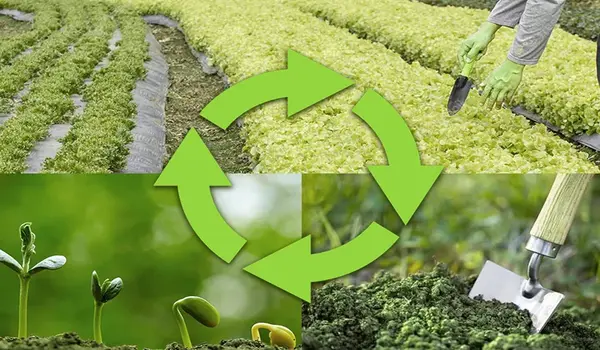
Practice crop rotation by avoiding planting tomatoes (or related crops) in the very same location for a minimum of 2–3 years. To reduce soil-borne illnesses and pests, rotate with unrelated crops like corn or beans.
Using Eggshells to Add Calcium
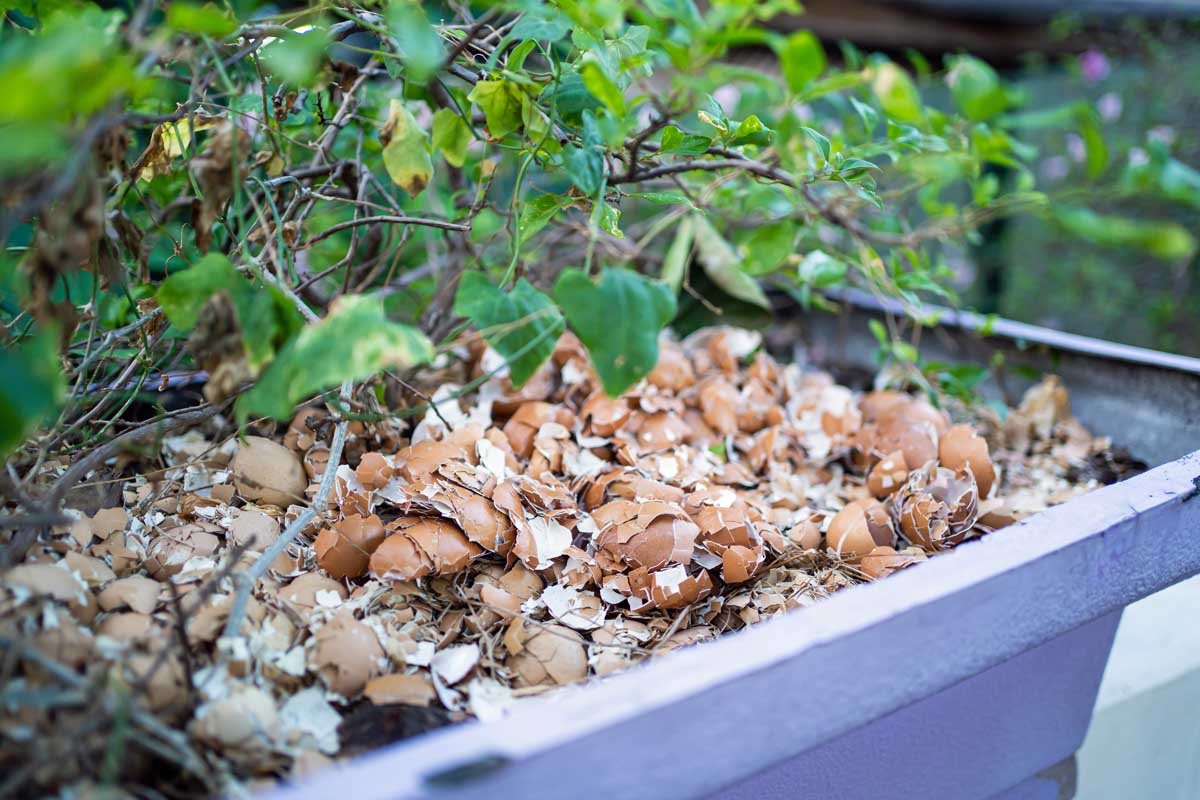
Crush 4–5 eggshells per plant and either combine them into the soil when planting or sprinkle them around the base of already-established plants. This offers a gradual supply of calcium, assisting in preventing blossom end rot.
Fermenting Seeds for Better Germination
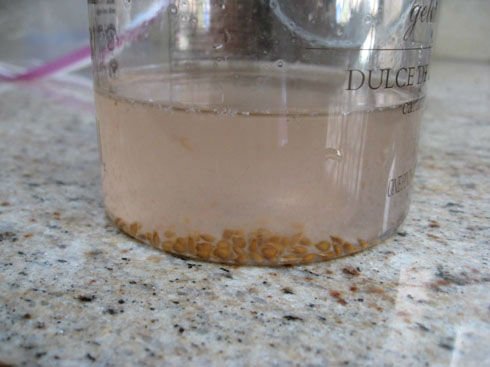
Put your tomato seeds in a jar with enough water to completely submerge them (about 1/2 cup or 120 ml). Let them ferment at room temperature of 2–4 days, stirring daily. Rinse carefully before planting and drying.
Creating a DIY Drip Irrigation System
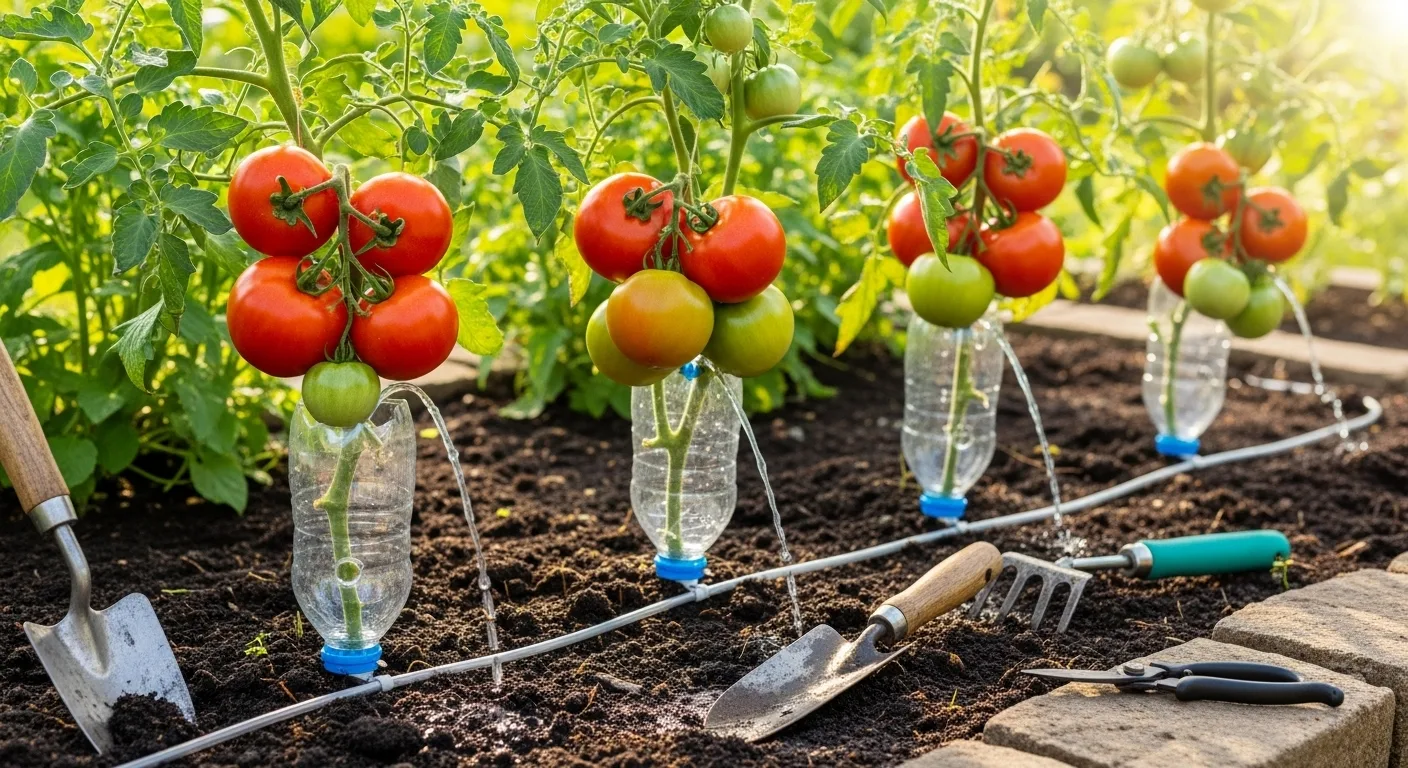
A drip irrigation system delivers water straight to the roots of your tomato plants, conserving water and guaranteeing consistent moisture levels. You can create a straightforward DIY system with a soaker hose or plastic bottles with tiny holes. This technique reduces water waste and lowers the risk of fungal illnesses by keeping vegetation dry.
Drill 4–6 tiny holes (approximately 1/16 inch or 1.5 mm in diameter) in the bottom of a 2-liter (half-gallon) plastic bottle for a simple DIY system. Put the bottle next to the plant and fill with water as needed.
Using Seaweed Extract for Nutrient Boost
A wide array of nutrients, including potassium, nitrogen, and trace amounts of minerals, are provided by seaweed extract, a natural fertilizer. You can boost growth and strengthen resistance to stress by applying seaweed extract to your tomato plants. This organic supplement also encourages microbial activity that is advantageous in the soil.
Mix 1–2 tablespoons (15–30 ml) of liquid seaweed extract into 1 gallon (3.8 liters) of water, and every 2–4 weeks, apply as either a soil drench or foliar spray, in compliance with product directions.
Planting in Raised Beds for Better Drainage
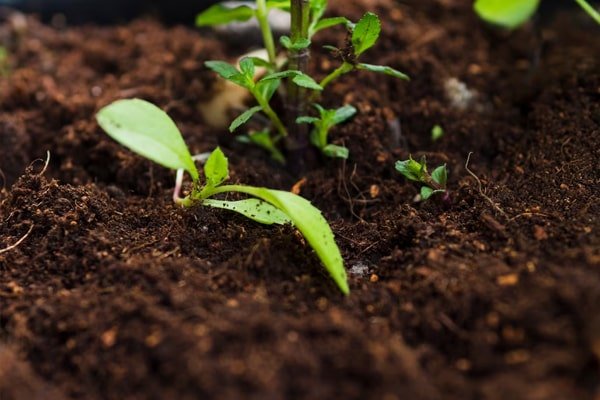
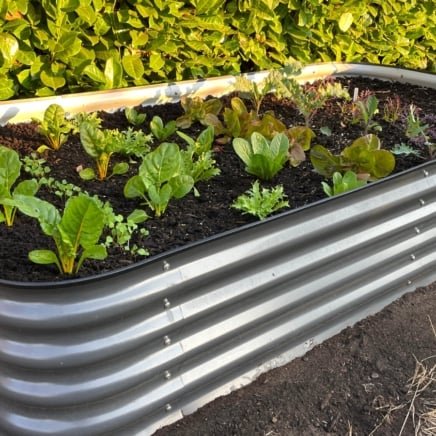
Raised beds, which are excellent for growing tomatoes, offer enhanced soil structure and drainage. By raising the soil, you can avoid waterlogging and root rot, which are frequent problems in areas with poor drainage. In the spring, raised beds also warm up more quickly, enabling earlier planting and longer growing seasons.
Construct raised beds that are 3–4 feet (90–120 cm) wide and at least 12–18 inches (30–45 cm) deep. Space tomato plants 18–24 inches (45–60 cm) apart within the bed to provide adequate airflow and drainage.
Harvesting at the Right Time for Maximum Flavor
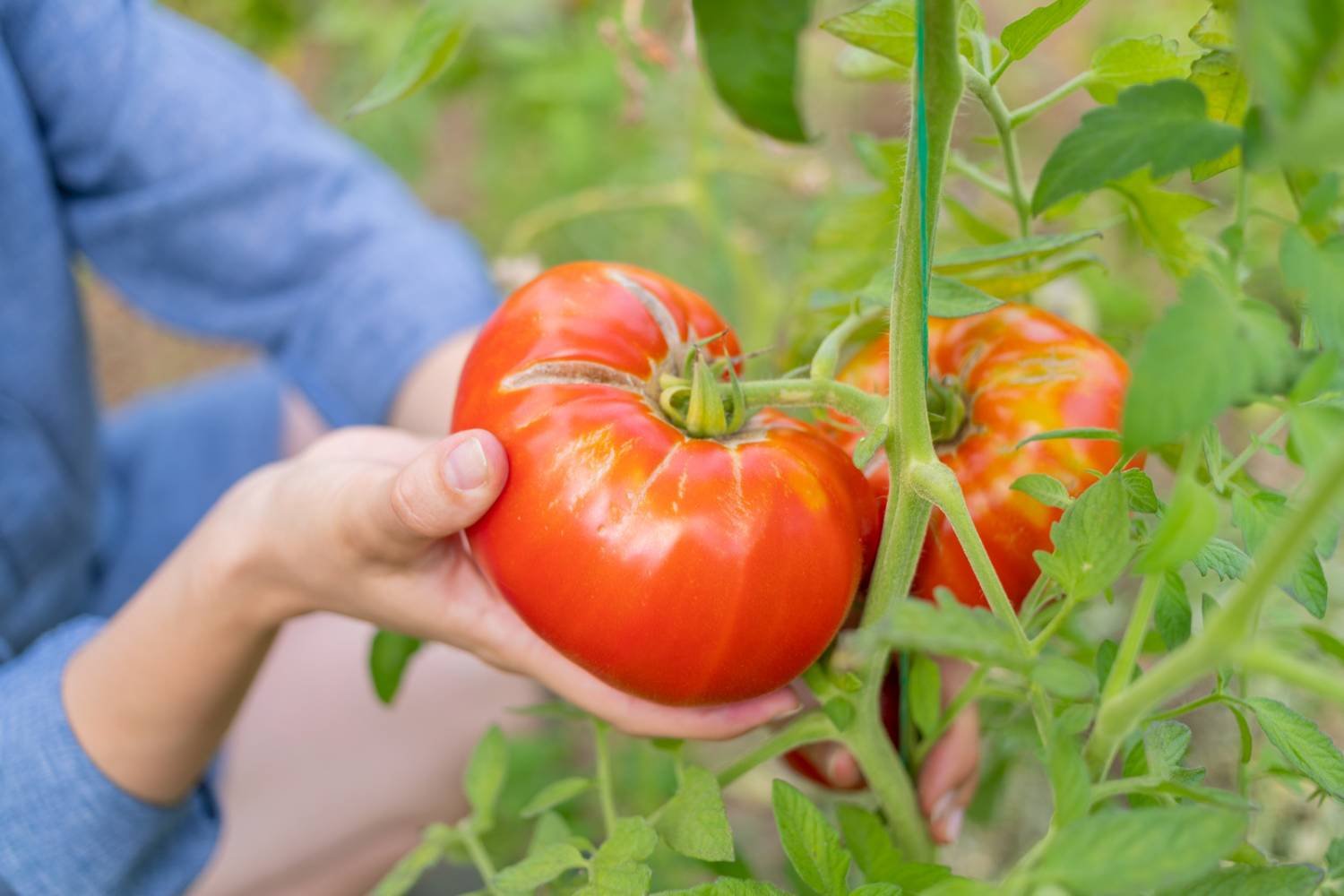
When harvesting tomatoes, timing is crucial. Pick tomatoes for optimal flavor when they are completely colored and somewhat soft to the touch. Tomatoes that are overripe may turn mushy, while those that are underripe may lack sweetness. Check your plants every two to three days and harvest tomatoes as soon as they ripen to enjoy the most flavorful and fresh fruit.
Conclusion: Enjoying the Fruits of Your Labor
You can turn your garden into a thriving paradise of delectable tomatoes with these 16 tomato tricks. You will not only grow your yield with these tactics, but you will also improve the quality and flavor of your harvest. You will have many reasons to be proud of your success growing tomatoes, whether you are sharing your wealth with loved ones or taking advantage of it yourself. Happy gardening! `


