

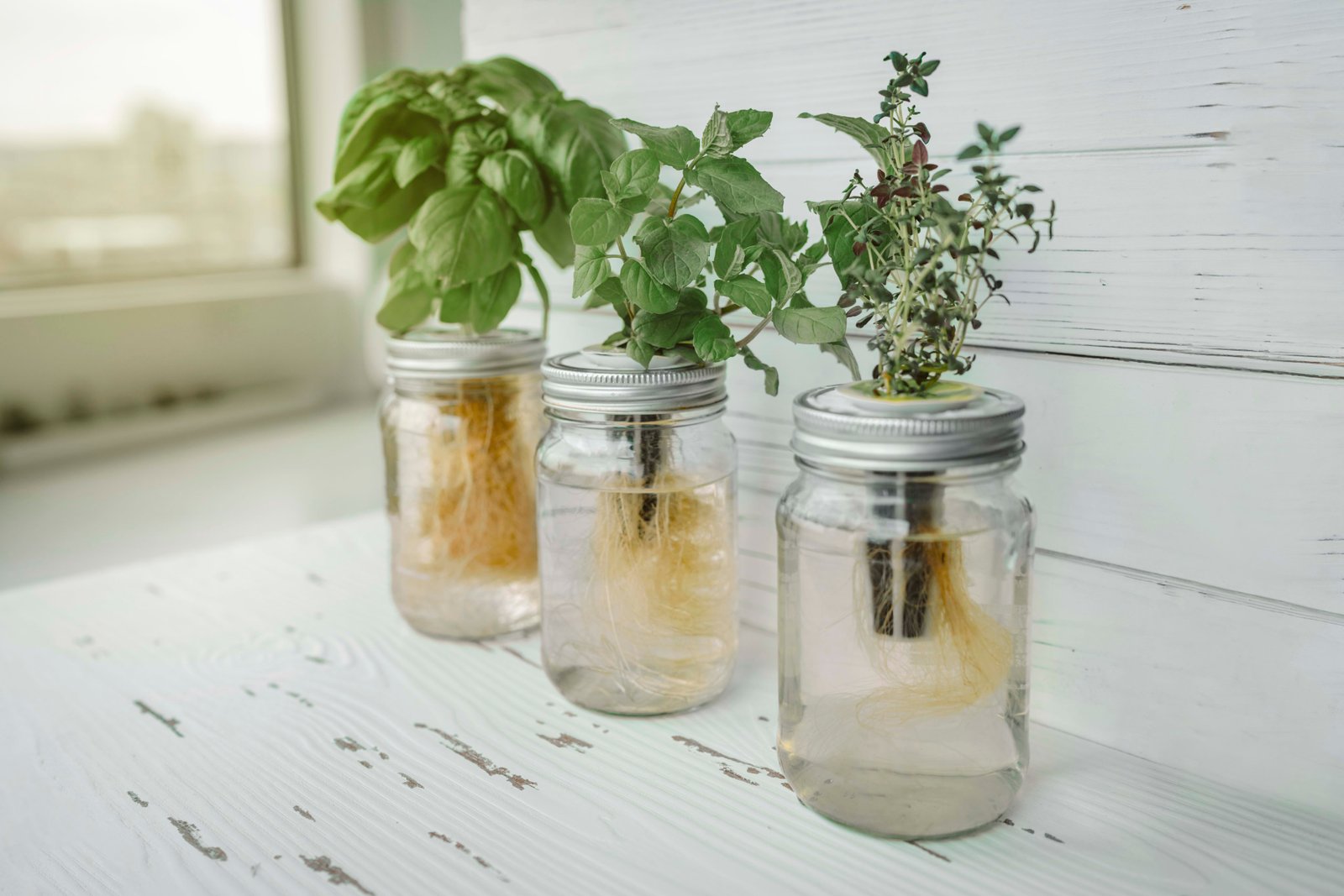
A fulfilling and straightforward method to introduce fresh tastes into your cooking is growing herbs in mason jars with only water. Also known as hydroponics, this technique lets you grow herbs without using soil, which makes it work well in tiny spaces or cities. Mason jars appear beautiful and are useful because you can easily observe the root development and check the water levels. This guide will assist you in starting your own mason jar herb garden, regardless of whether you are an experienced gardener or just getting started.
Benefits of Growing Herbs in Water
There are numerous benefits to using water to grow herbs. To begin with, because there is no soil involved, it is a cleaner method that lowers the risk of diseases and pests. It is also more ecologically beneficial because it uses less water than conventional soil gardening. Furthermore, hydroponic herbs typically grow more quickly, allowing you to enjoy freshly picked herbs sooner. It is also a good option for people who have little room for gardening because it saves space.
Essential Supplies for Growing Herbs in Mason Jars
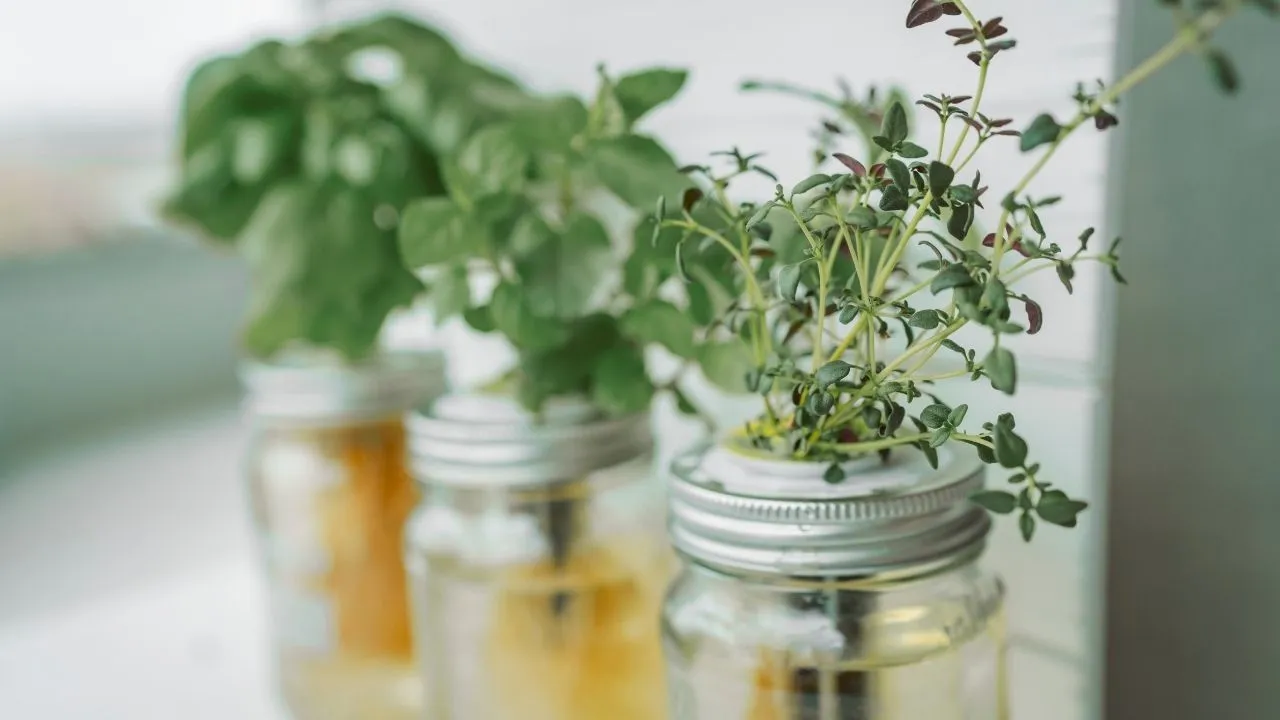
You’ll require a couple of necessary items to get your mason jar herb garden off to a great start. To begin, gather mason jars or any glass jars you may have lying around the house. You’ll also need some healthy herb cuttings, ideally from vibrant plants. Make sure you have access to clean, non-chlorinated water and a bright windowsill or grow lights to provide enough illumination. Decorative stones or marbles are optional supplies that can be used to hold the cuttings in place and improve their aesthetic appeal.
How to Set Up Your Mason Jar Herb Garden
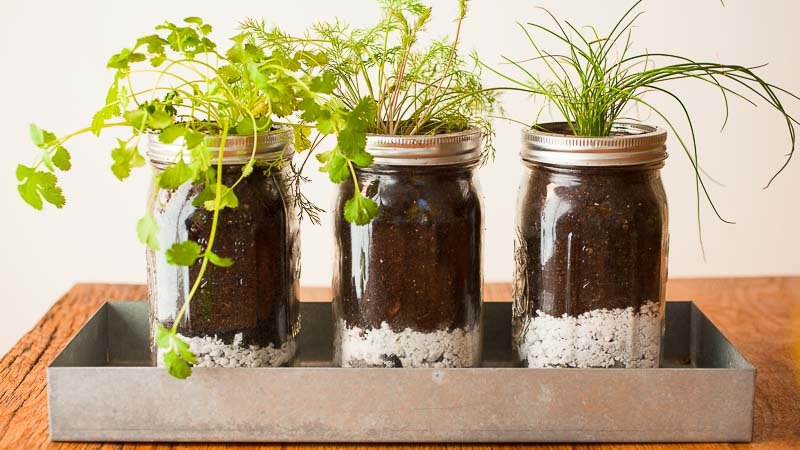
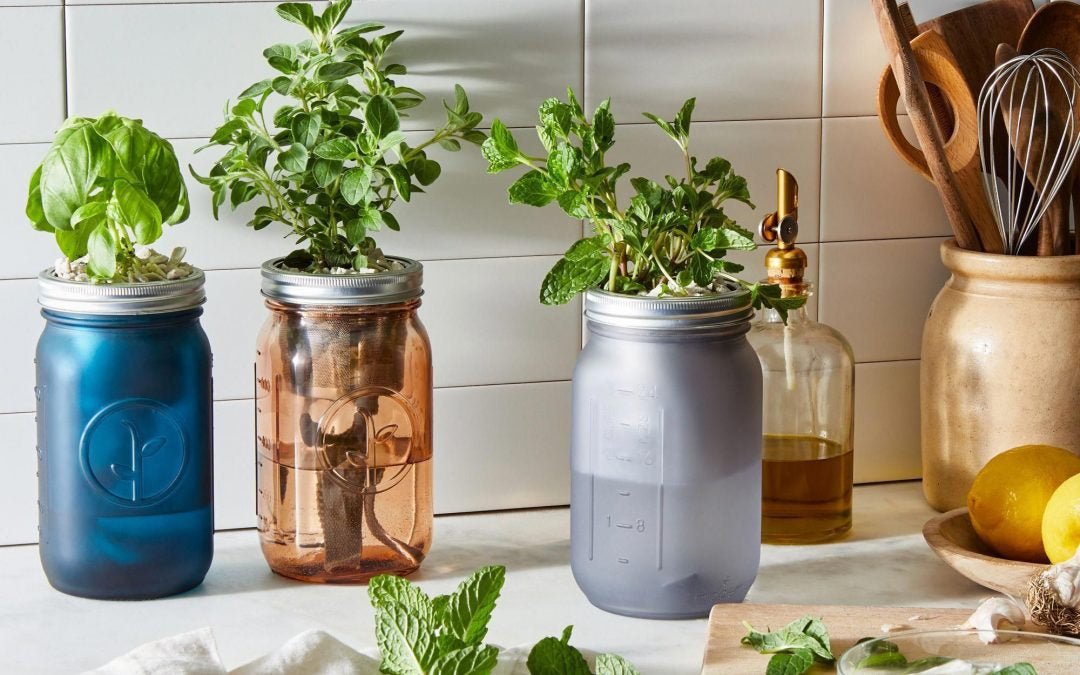
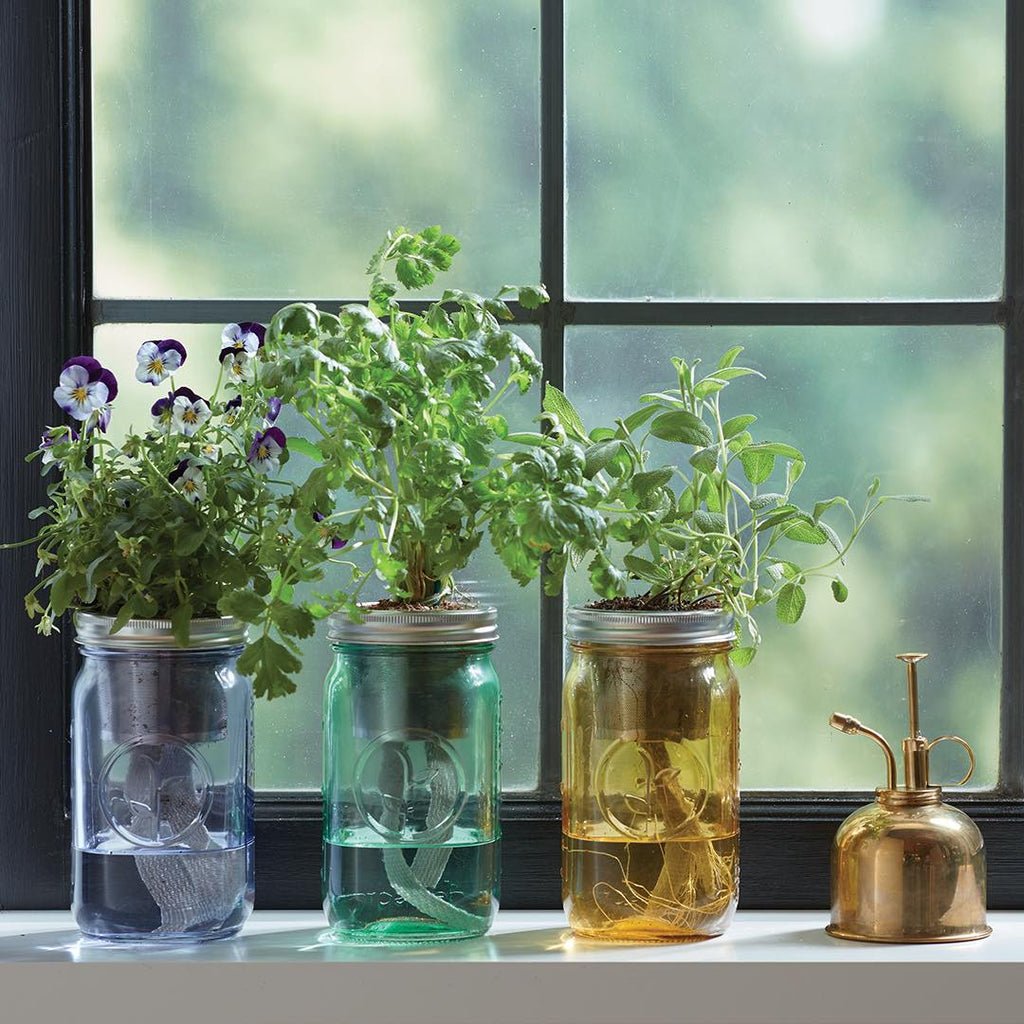
Start by thoroughly washing your mason jars. Add water to each jar, leaving an inch of space at the top. Add decorative stones to the bottom for added stability, if desired. Remove the lower leaves from your herb cuttings to prevent them from decaying in the water. Place the cuttings in the jars, making sure the stems are covered. Place the jars on a sunny windowsill or underneath grow lights, and replenish the water on a weekly basis to keep it fresh.
Basil: A Versatile Culinary Herb
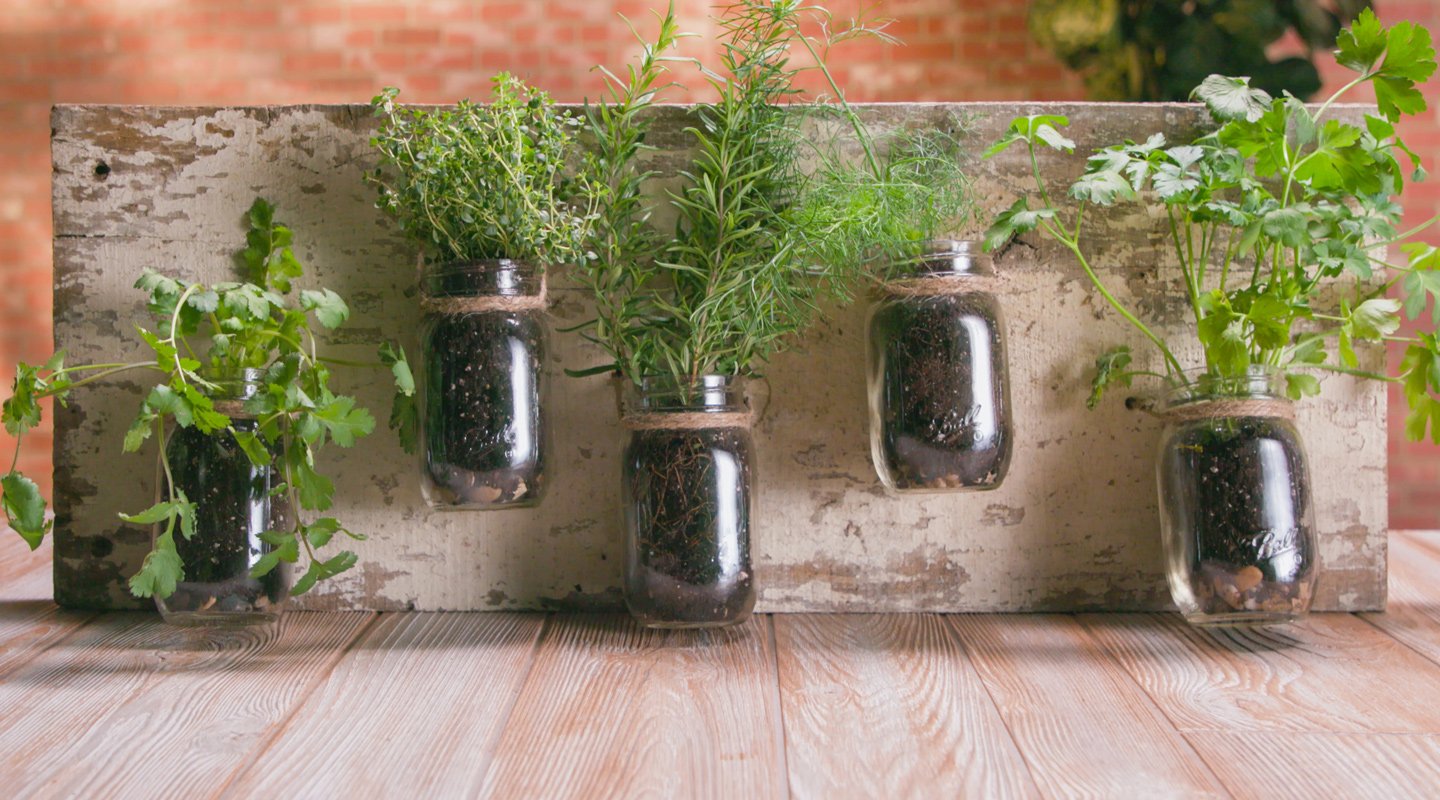
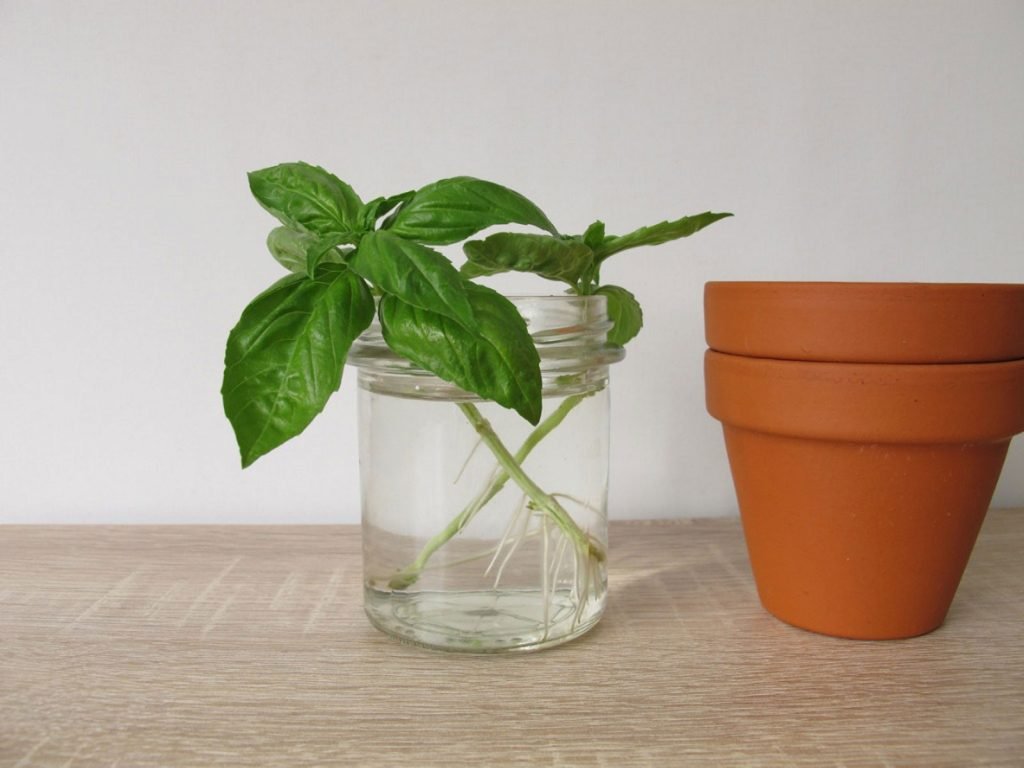
Because basil is so adaptable in the kitchen, it is a common option for mason jar gardens. It flourishes in water and needs lots of sunlight. Add basil to salads, pasta dishes, and pizza toppings. Regularly prune the top leaves to promote bushy growth and stop flowering.
Mint: Refreshing and Aromatic
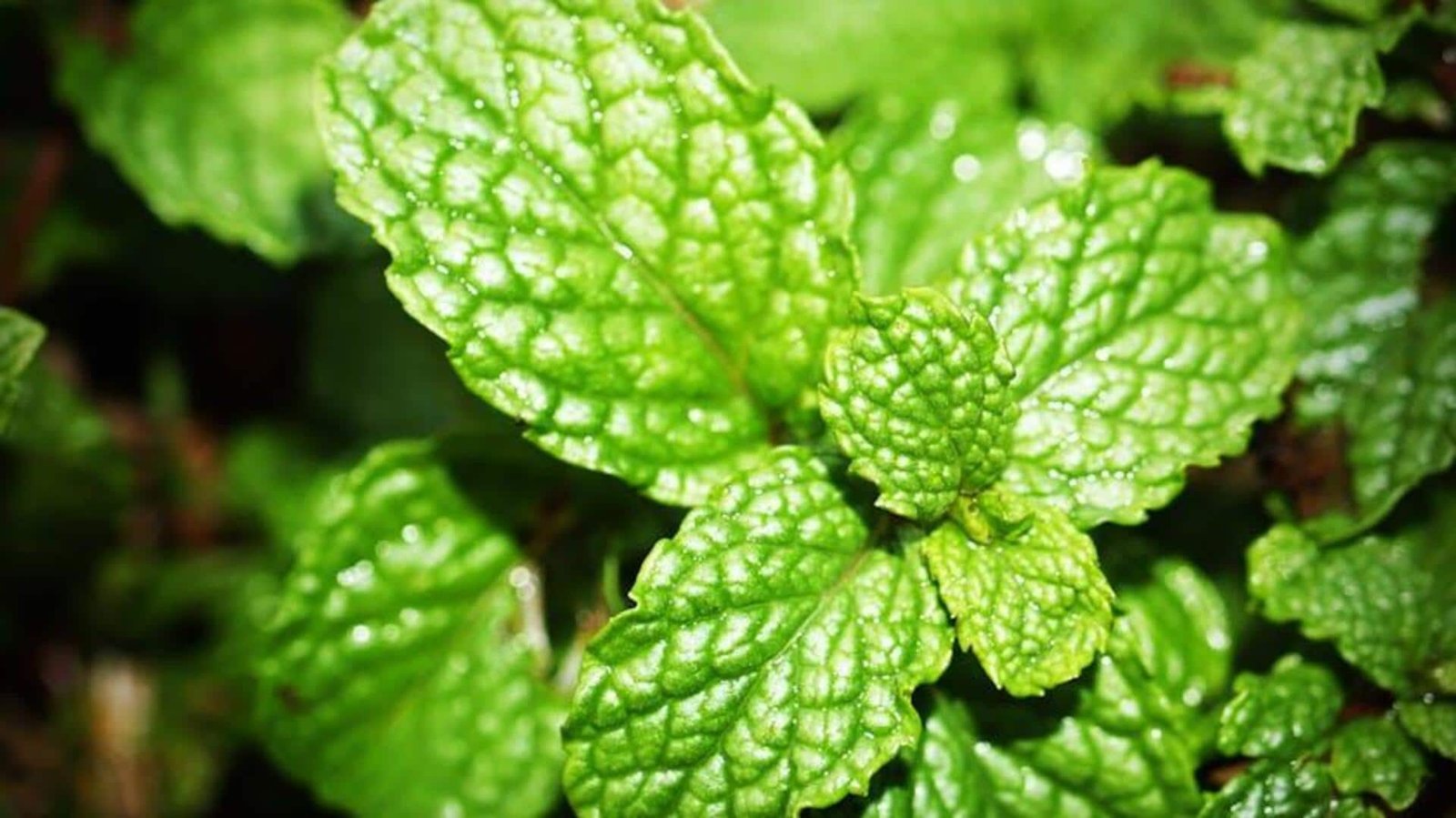
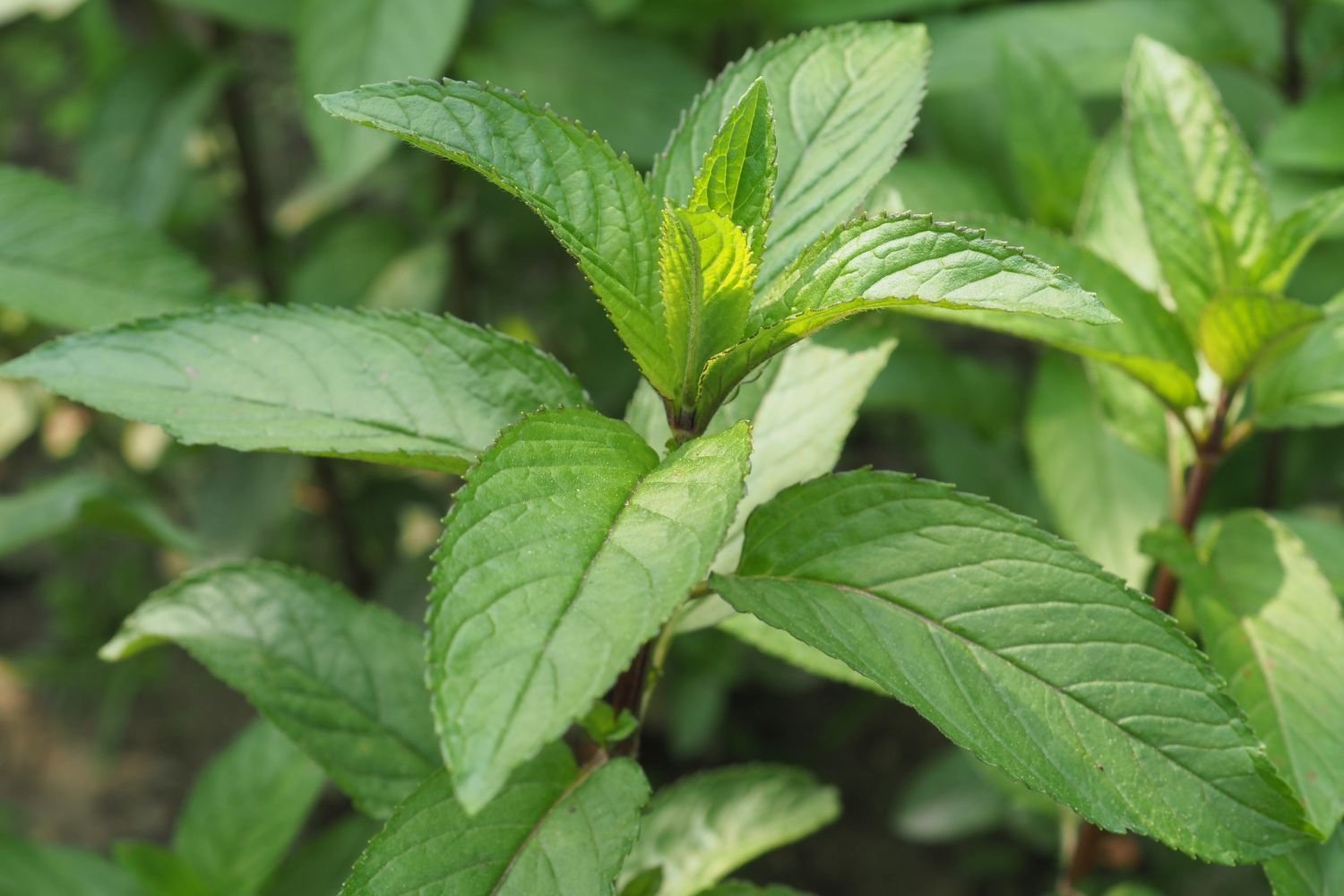
Mint is a simple herb to cultivate that gives drinks and desserts a reviving flavor. It thrives in containers because it prefers filtered sunlight and grows quickly in gardens. For a blast of freshness, add mint leaves to fruit salads, teas, and cocktails.
Oregano: A Mediterranean Staple
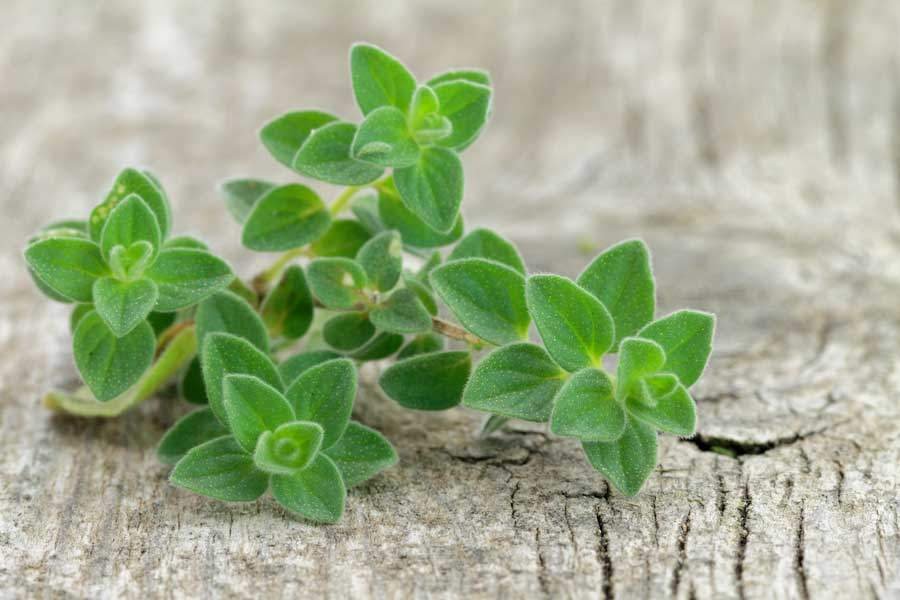
Oregano is a robust herb that thrives in water. It needs plenty of sunshine and is ideal for flavoring Greek and Italian food. Regular harvesting promotes new growth, and its leaves can be dried for long-term preservation.
Rosemary: Fragrant and Hardy
Rosemary is a hardy herb with a powerful scent that is ideal for roasting meats and vegetables. To preserve humidity, it requires strong light and benefits from occasional misting. Rosemary cuttings are simple to root in water, making it a fantastic option for novices.

Thyme: A Robust Flavor Enhancer
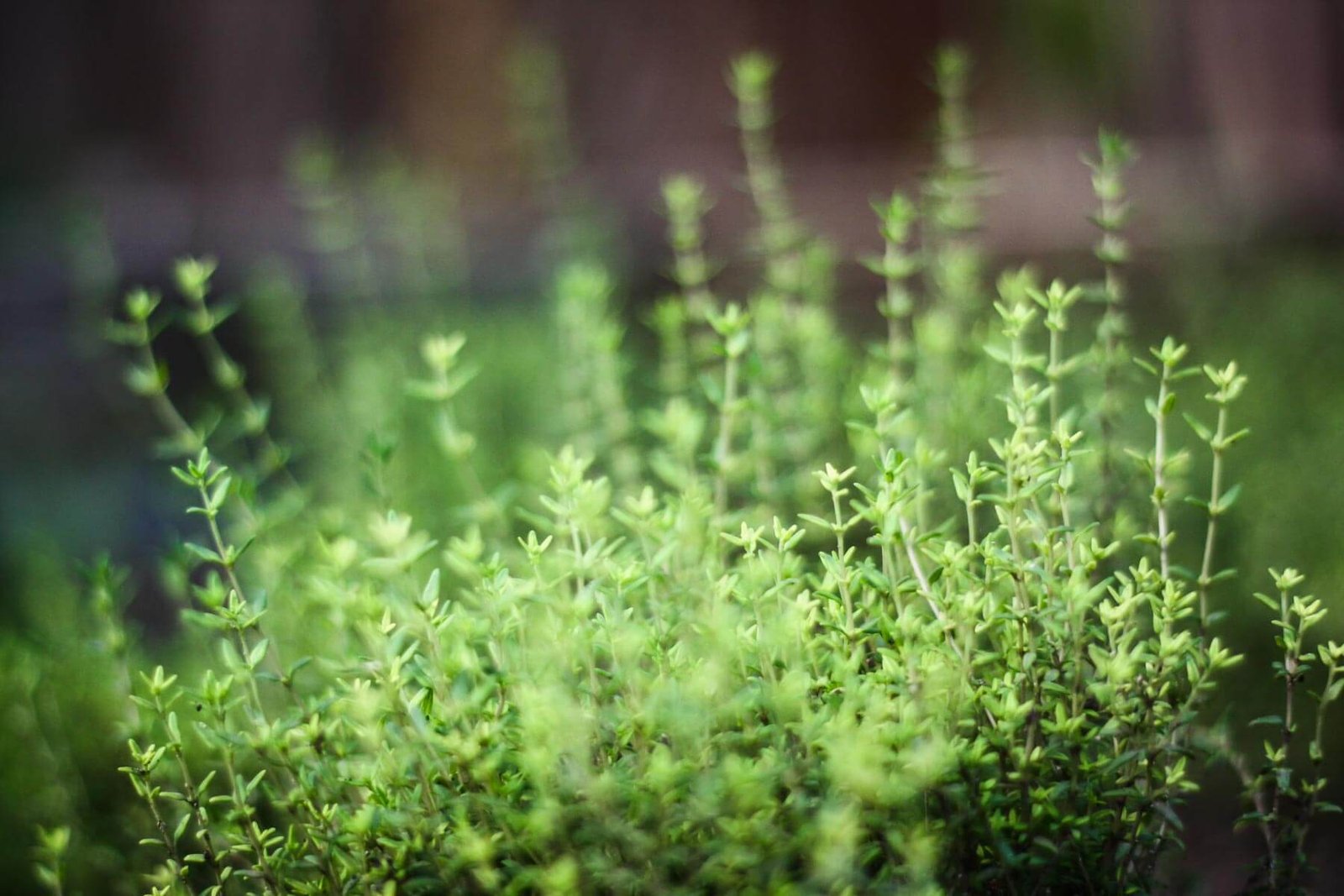
Thyme is a small-leaved herb that thrives in mason jars. It needs direct sunlight and regular trimming to keep from getting leggy. Thyme gives your meals a subtle earthiness and is great for flavoring soups, stews, and roasted foods.
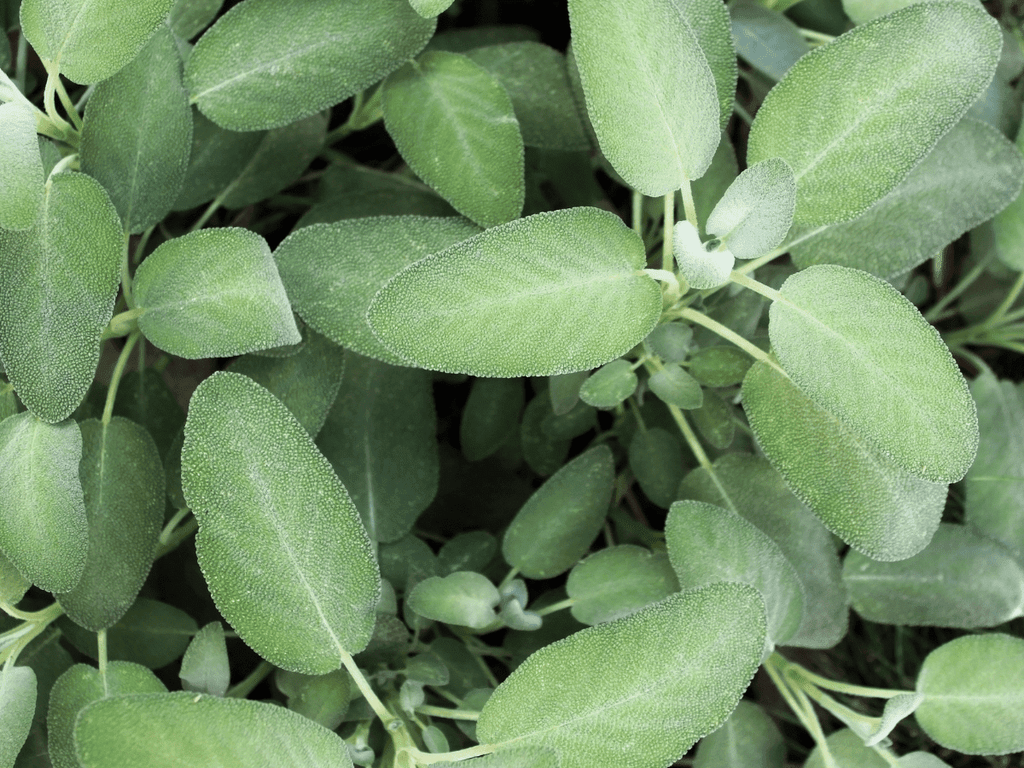
Sage: Earthy and Aromatic
Sage is a herbaceous plant with a robust, earthy flavor. It thrives in sunny environments and is frequently used in fillings and poultry dishes. Sage leaves can be dried for later use, and its shape is maintained by frequent pruning.
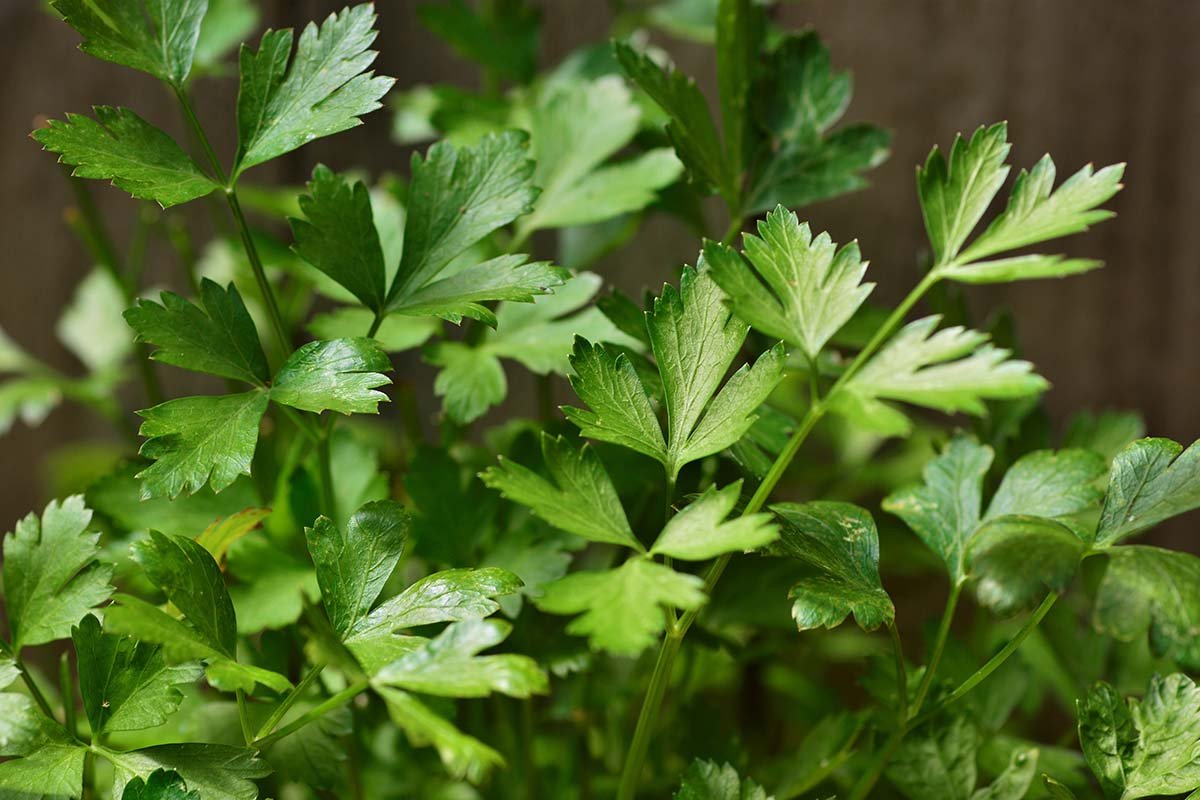
Parsley: A Nutrient-Packed Garnish
Parsley, a herb high in nutrients, thrives in water. It prefers strong, filtered light and is frequently used as a garnish or in salads. Its high vitamin content makes it a nutritious addition to meals, and regular harvesting encourages bushy growth.
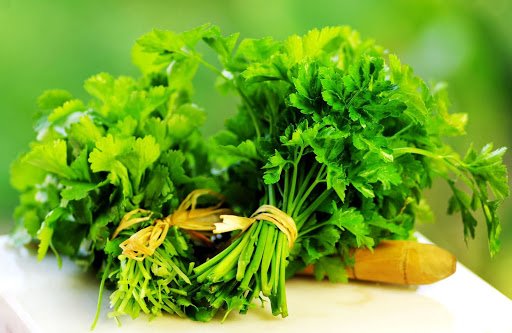
Cilantro: A Fresh and Zesty Herb
Popular in Mexican and Asian cuisine, cilantro is a rapidly expanding herb with a distinctive flavor. It needs regular water changes and lots of sunlight to thrive. Use cilantro in curries, salsas, and as a garnish for a zesty and fresh boost.
Chives: Mild Onion Flavor
Chives are simple to cultivate and impart a subtle onion taste to dishes. They require constant trimming to prevent flowering and bright ligh. Add chives to soups, salads, and baked potatoes as a topping to improve flavor without overwhelming them.
:max_bytes(150000):strip_icc()/chives-plant-care-growing-guide-5078626-hero-4494d49b71b145079a94c63126b3a7dd.jpg "15 top herbs to grow in mason jars with just water")
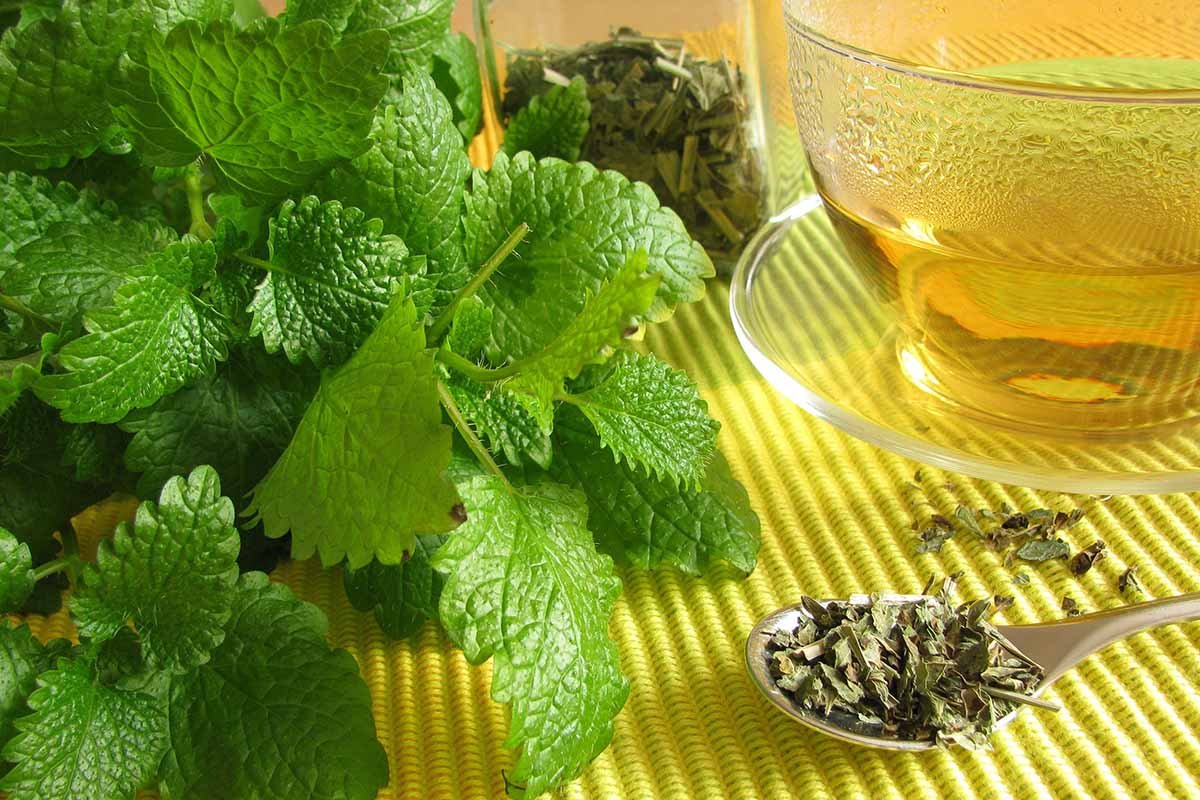
Lemon Balm: Citrusy and Soothing
Lemon balm is a fragrant herb with a citrusy scent that is ideal for teas and desserts. It requires shaded sunlight and can aid in insect control. Routine trimming promotes new development, and its relaxing qualities make it a fantastic addition to herbal teas.
Dill: A Delicate and Tangy Herb
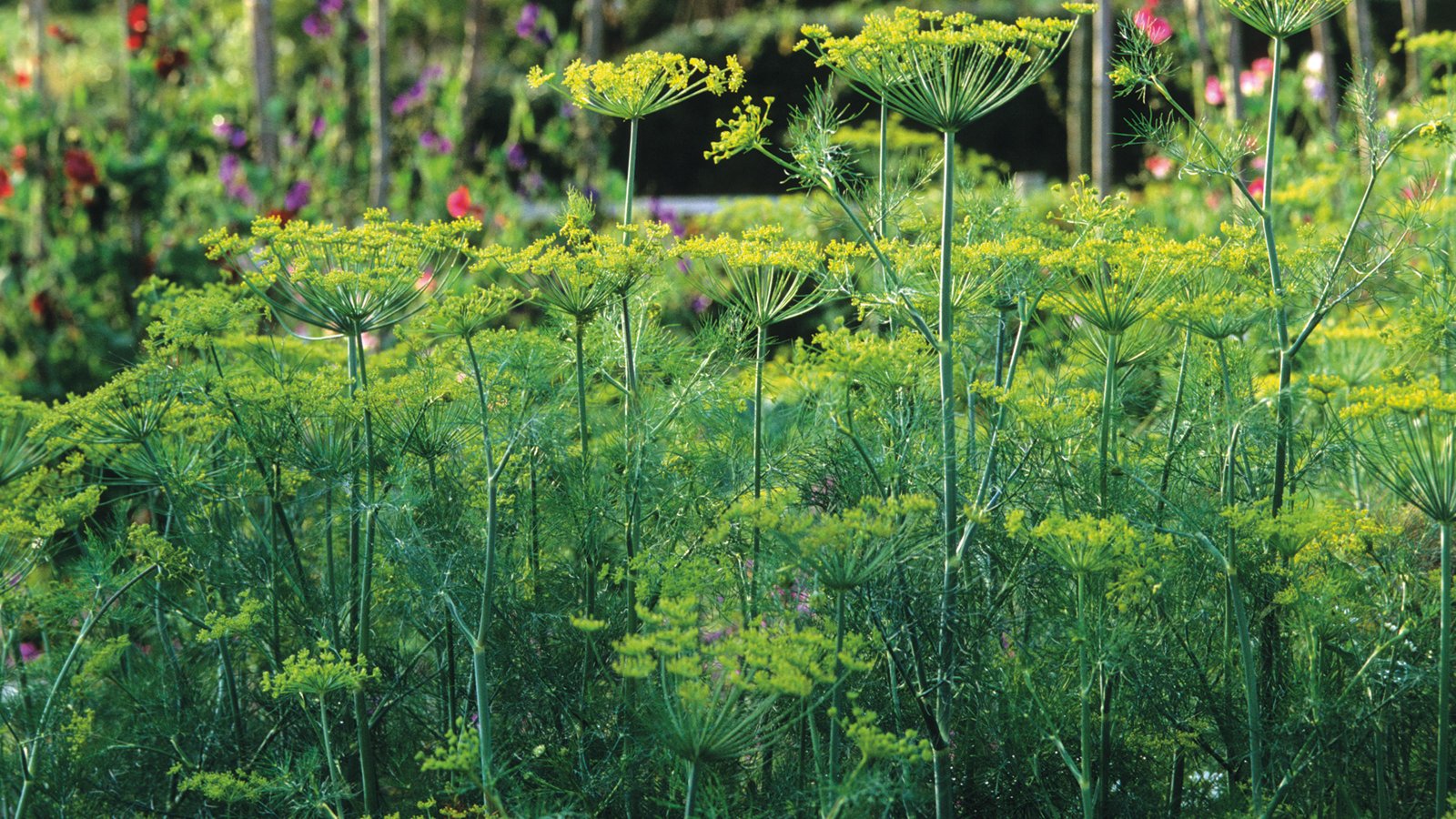
Dill is a delicate herb distinguished by its feathery leaves and tangy flavor. It requires a lot of sunlight and is frequently used in seafood and pickling meals. Dill grows swiftly in water, and its leaves can be picked frequently for fresh consumption.
Tarragon: Anise-Flavored Delight
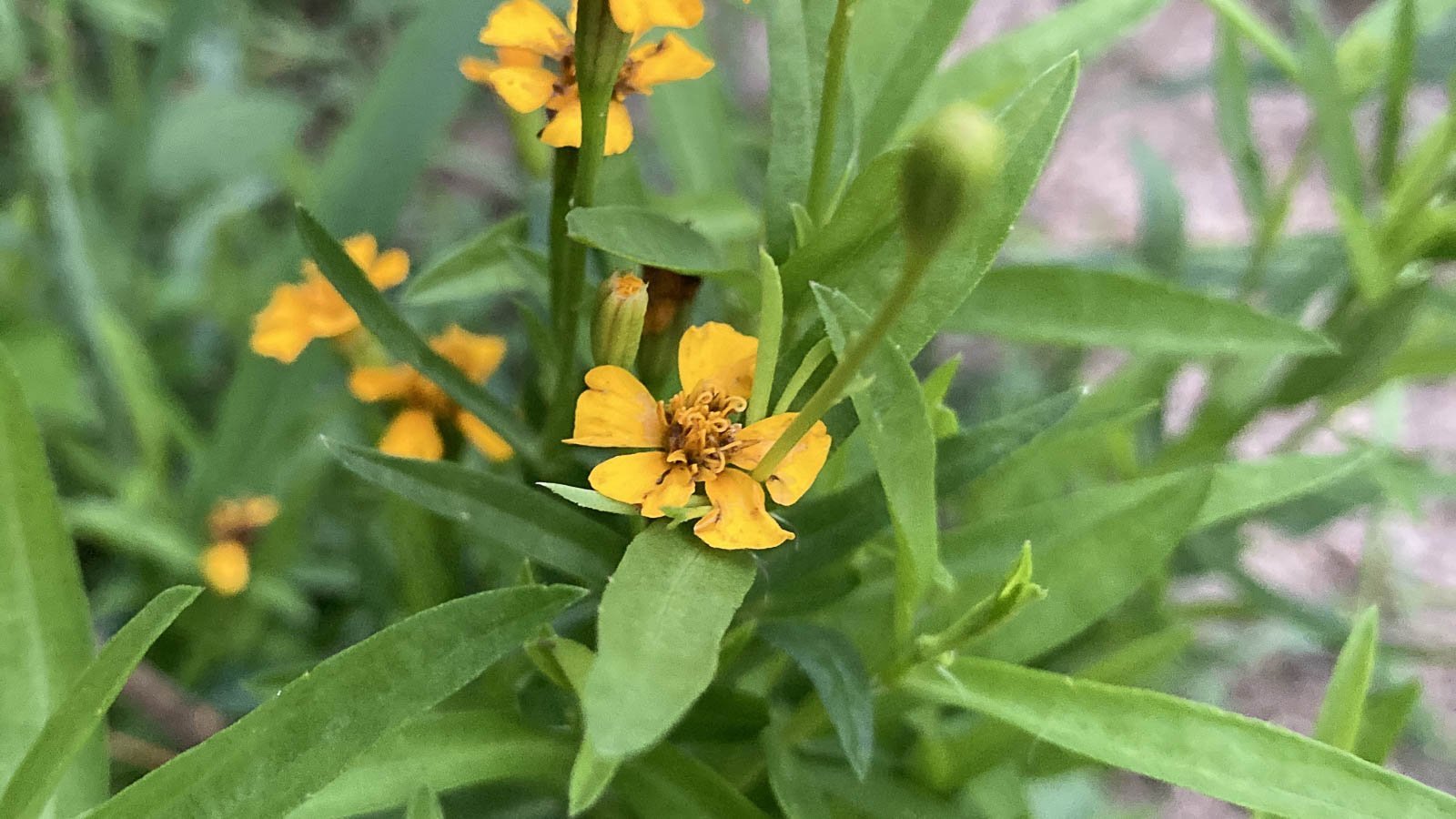
Tarragon is a singular herb with an anise-like flavor that is frequently used in French cooking. Consistent trimming and bright light are necessary. For a distinctive flavor, use tarragon in sauces, dressings, and with chicken or fish.
Lavender: Fragrant and Calming
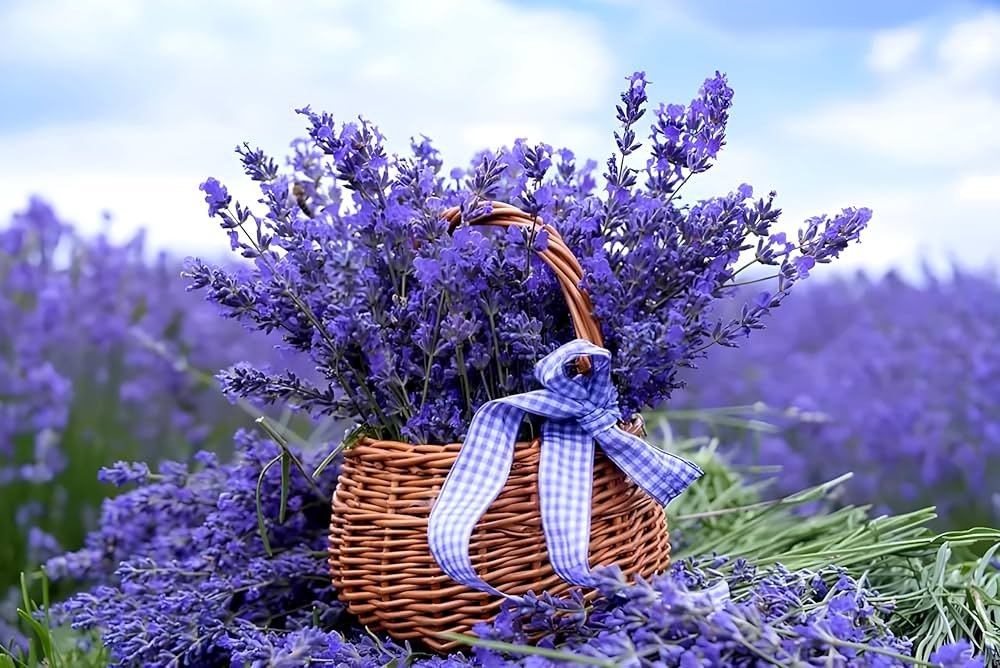
Lavender is well-known for its relaxing aroma and lovely purple blooms. It needs well-drained conditions and plenty of sunlight. To establish a calming atmosphere, use lavender in teas, desserts, and as a natural air freshener.
Stevia: A Natural Sweetener
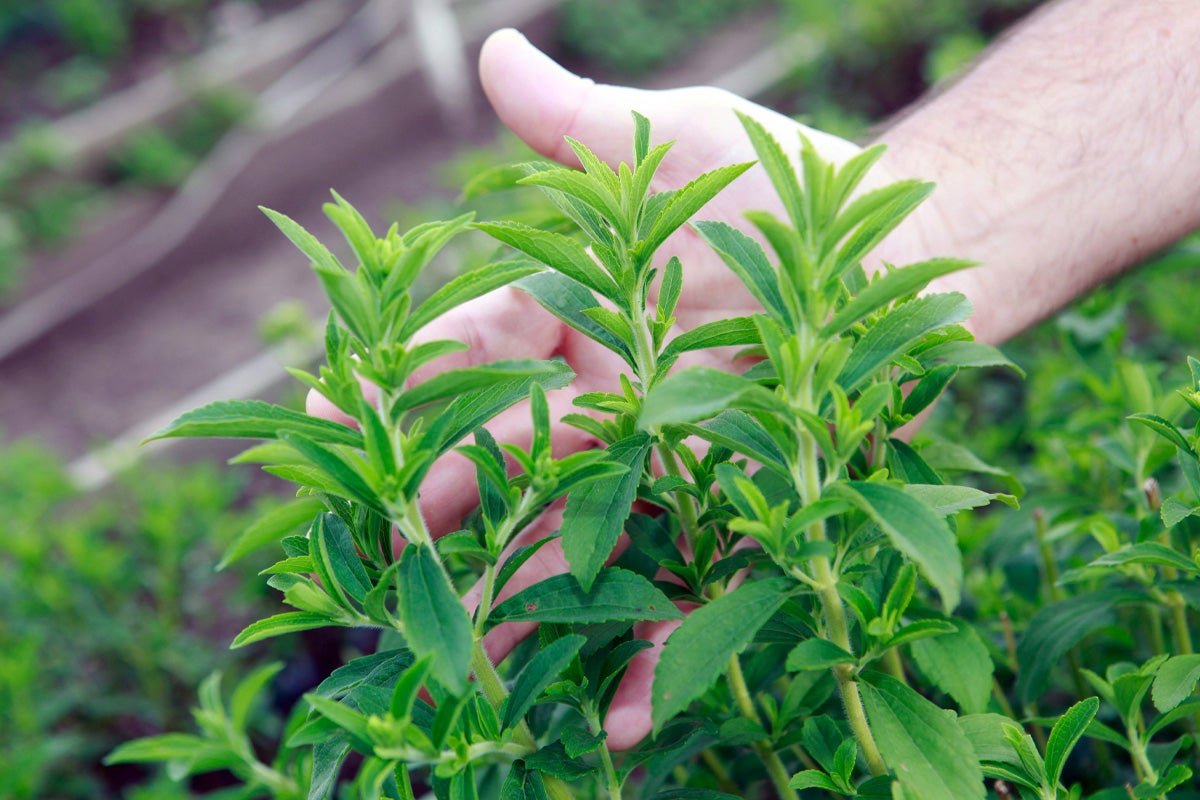
Stevia, a natural sweetener, thrives in water. To maintain its shape, it needs frequent pruning and strong light. Use stevia leaves in place of sugar to sweeten drinks and sweets without adding calories.
Peppermint: Invigorating and Cool
Peppermint grows vigorously and has a refreshing, cool taste. It is frequently used as a garnish in teas and desserts, and it prefers indirect sunlight. Peppermint also makes a natural insect repellent because of its energizing scent.
Tips for Maintaining Your Mason Jar Herb Garden
Make sure your herbs get enough light to thrive in your mason jar herb garden, either from grow lights or a sunny windowsill. Change the water every week to avoid algae development and stagnation. Regularly prune your herbs to encourage bushy growth and keep them from getting leggy. Watch out for any signs of pests or illness and handle problems right away.
Troubleshooting Common Issues
Your herbs might not be getting enough light or nutrients if they are wilting or turning yellow. Make sure they are in a well-lit area and think about adding a diluted hydroponic nutritious solution to the water. If you see algae growth, thoroughly clean the jars and replenish the water more frequently. If the water is not changed frequently, root rot may result, so keep to a regular timetable.
Conclusion: Enjoying Your Homegrown Herbs
Growing herbs in mason jars with water provides a delightful and environmentally responsible way to savor fresh tastes all year round. You can grow a wide range of herbs to enhance your culinary creations with minimal equipment and effort. Whether used in cooking, herbal teas, or as natural treatments, these homegrown herbs will give your everyday life a sense of freshness and vigor. `


