

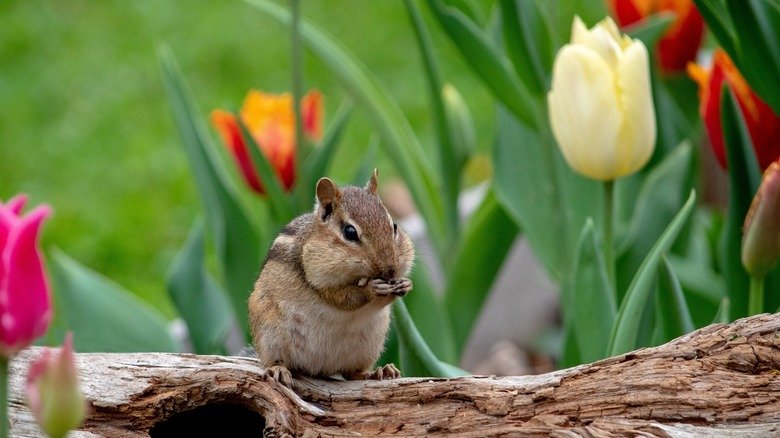
Gardening, though a fulfilling pastime, often presents challenges, notably concerning unwanted critters. Squirrels, chipmunks, and similar small animals can cause considerable damage to gardens, including digging up bulbs, consuming fruits, and generally disrupting everything. These animals possess natural curiosity and resourcefulness, rendering deterrence difficult once they target a garden. Protecting plants and maintaining the beauty of outdoor spaces requires an understanding of how to keep these pests away.
Understanding the Power of Scent in Animal Behavior
Animals rely heavily on smell for navigating their surroundings. Scent is crucial for communication and survival for many species, helping them locate food, identify threats, and even find mates. Understanding scent’s role in animal behavior allows gardeners to use this knowledge advantageously, deploying specific smells to deter unwanted visitors. Identifying scents particularly offensive to these animals, thereby encouraging avoidance of the garden, is key.

How Smells Can Deter Garden Pests
Smells offer a potent means of deterring garden pests. Many animals possess a keen sense of smell, vital for detecting food and danger. Introducing specific scents to your garden can create an environment unappealing to these pests. This method is both effective and environmentally friendly, avoiding the use of harmful chemicals. Appropriate scents can establish a natural barrier, protecting your garden from unwanted visitors.
The Science Behind Scent Aversion in Squirrels and Chipmunks
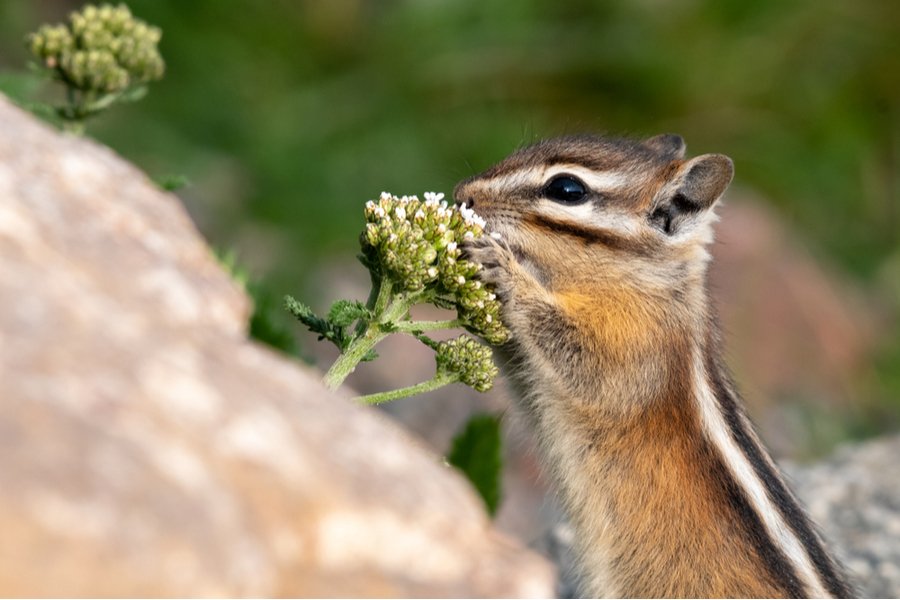
Squirrels and chipmunks utilize highly developed olfactory systems to find food and avoid predators. Certain scents can trigger a natural aversion, causing them to avoid areas containing those smells. This aversion often stems from associating these scents with danger or discomfort. Gardeners can effectively keep these critters away from plants by leveraging this natural response.
Overview of Effective Natural Repellents
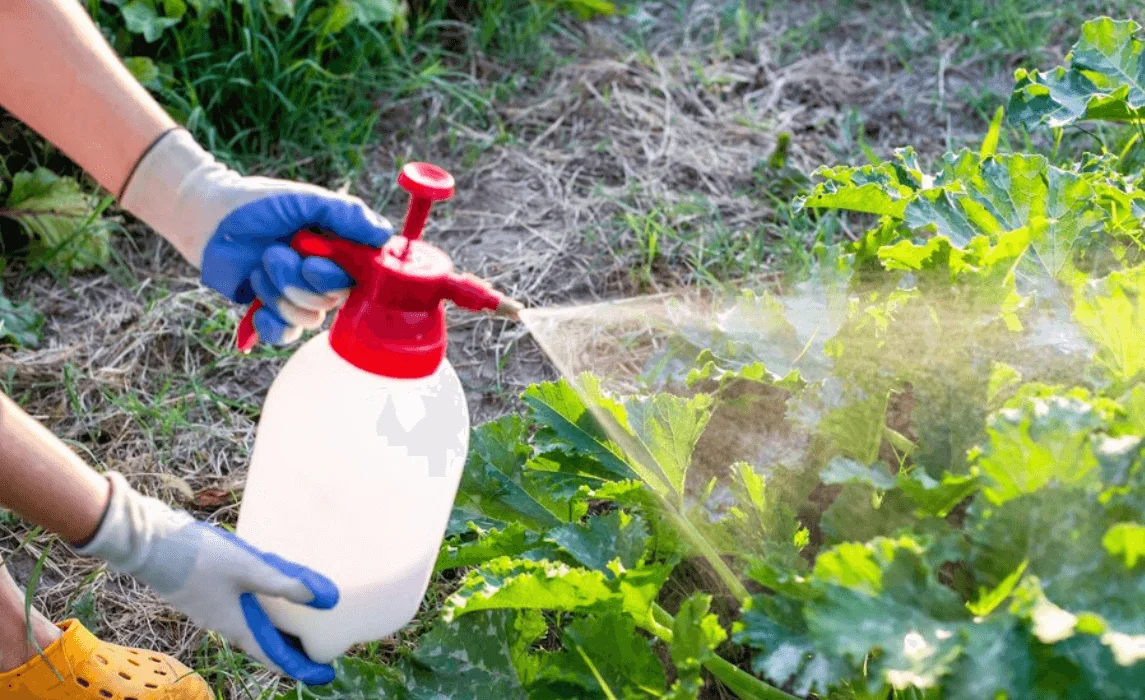
Numerous natural repellents can deter garden pests. Often derived from common household items or plants, these repellents are easily accessible. They function by emitting strong odors unpleasant to animals, encouraging them to stay away. The following list details 15 such smells proven effective in repelling squirrels, chipmunks, and other critters.
The Potency of Peppermint Oil
Peppermint oil stands out as a potent natural repellent owing to its strong, minty scent. Squirrels and chipmunks find this scent overwhelming and unpleasant, deeming it an effective deterrent. Simple soaking cotton balls in peppermint oil and placing them around the garden effectively keeps these critters at bay.

The Repelling Effect of Garlic Cloves
Garlic is well-known for its pungent smell, which is highly offensive to numerous animals. Planting garlic cloves throughout your garden or sprinkling garlic powder around its edge can effectively discourage squirrels and chipmunks from entering.

The Unpleasantness of Vinegar
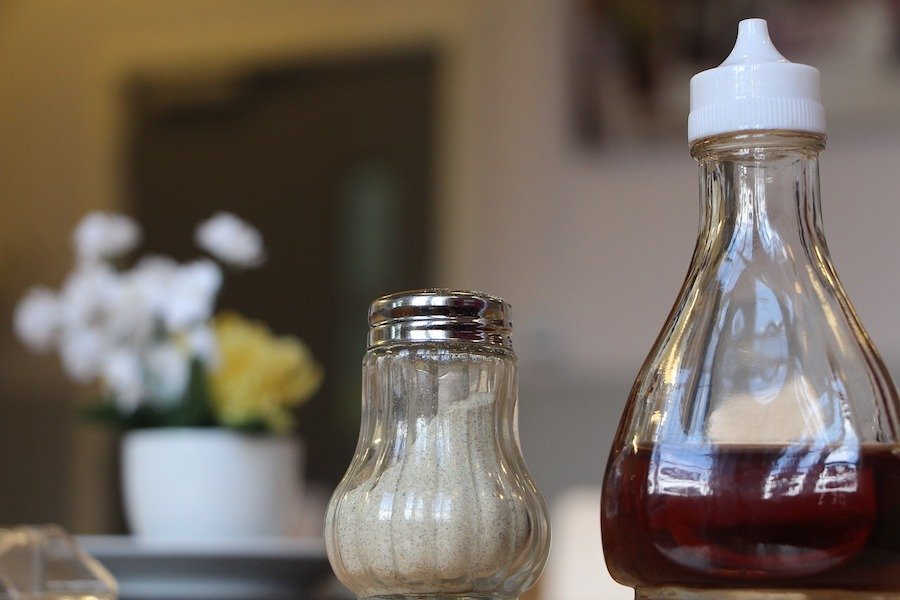
Vinegar emits a strong, acrid smell considered unpleasant by a number of animals. Applying a vinegar solution around your garden creates a barrier likely avoided by squirrels and chipmunks.
The Sharpness of Cayenne Pepper
Cayenne pepper contains capsaicin, causing a burning sensation most animals find very unpleasant. Sprinkling cayenne pepper around your plants can dissuade critters from digging and nibbling.

The Deterrent Properties of Coffee Grounds
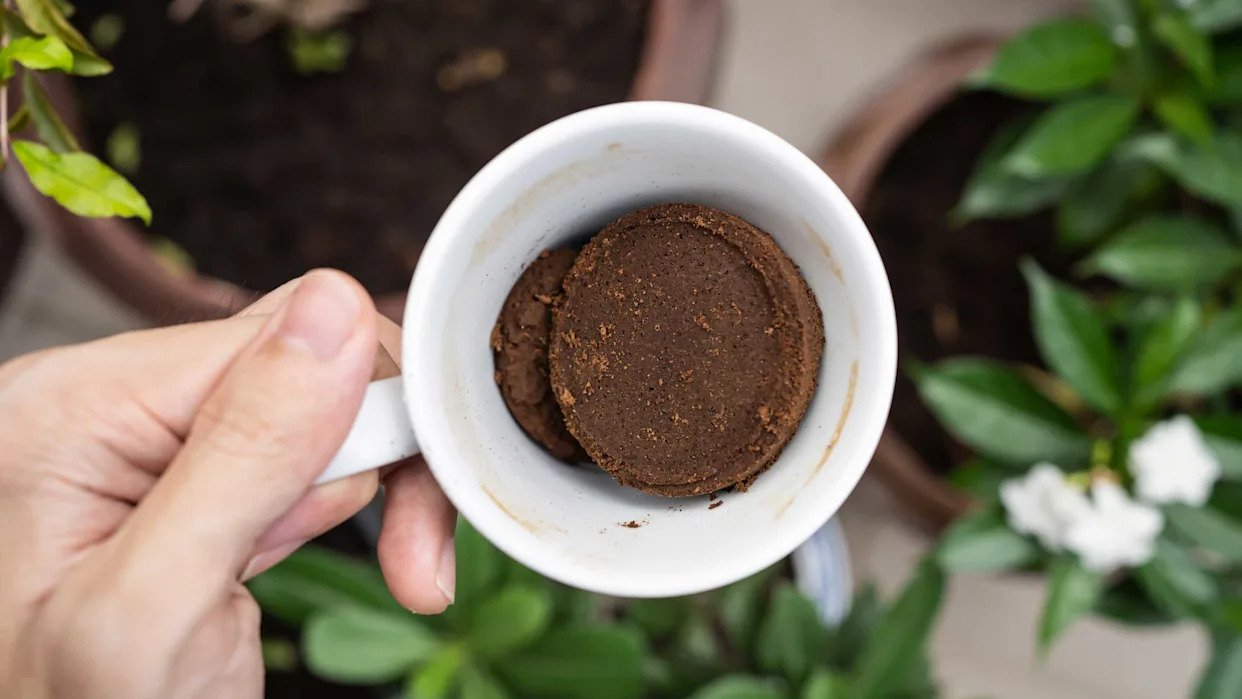
Used coffee grounds present a strong scent considered off-putting to many animals. Sprinkling them around plants deters squirrels and chipmunks, while simultaneously enriching the soil.
The Aversive Nature of Ammonia
Ammonia has a strong, pungent odor that is highly unwelcome to animals. Soaking rags in ammonia and strategically placing them around the garden helps keep critters away.
The Pungency of Onion Slices
Onions emanate a strong odor which many animals find offensive. Placing slices of onion around your garden can assist in deterring squirrels and chipmunks from venturing in.

The Bitter Scent of Bitter Apple Spray
Commonly used to prevent pets from chewing on furniture, bitter apple spray also functions effectively in the garden. Its bitter scent proves unpleasant to animals, encouraging them to stay away.
The Dislike of Mothballs
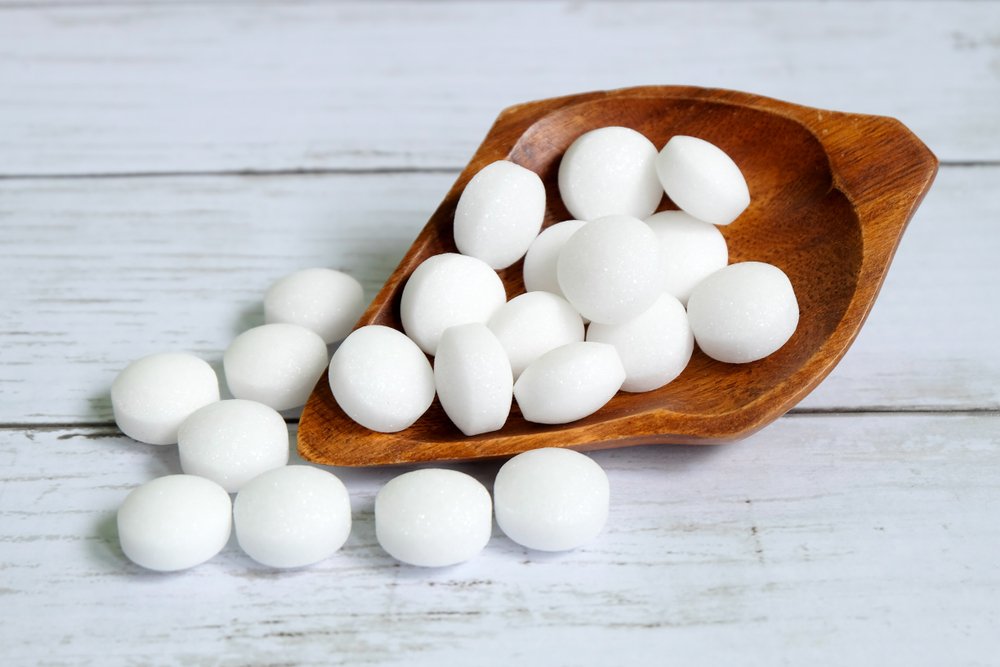
Mothballs give off a strong chemical odor capable of repelling various animals. Exercise caution in their usage, however, since they are toxic to both pets and humans.
The Distaste for Castor Oil
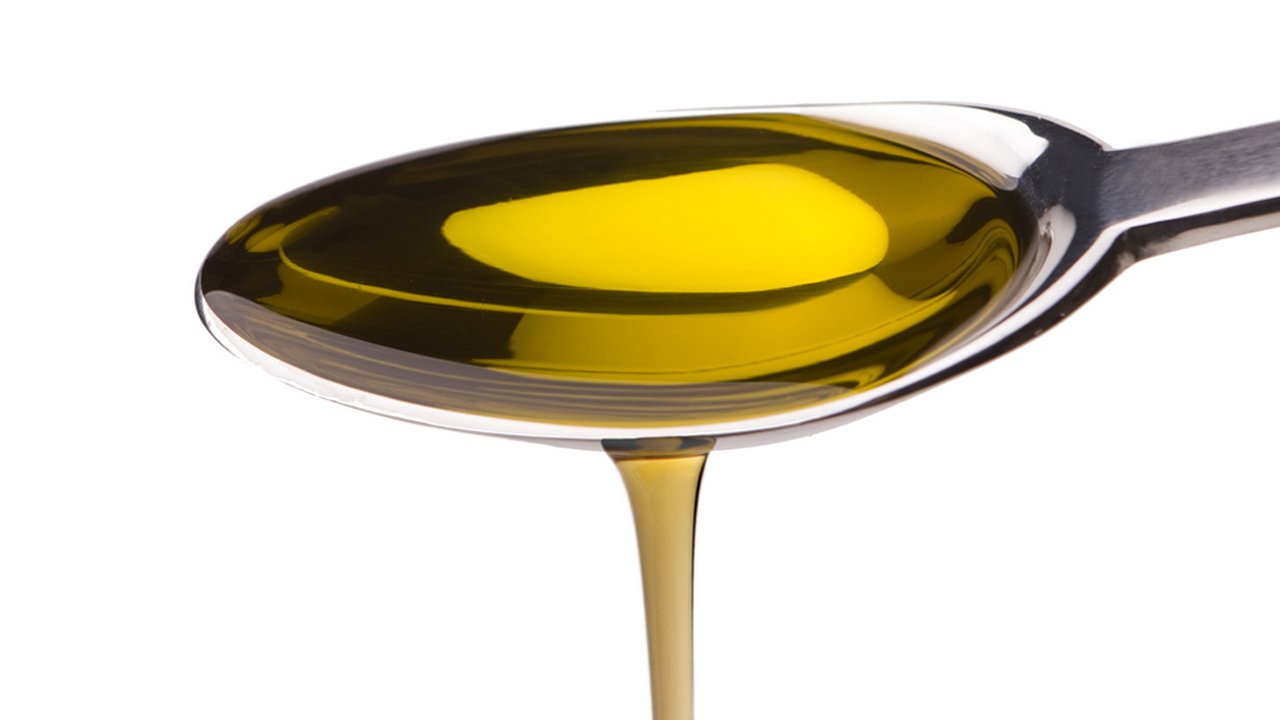
Castor oil has a strong, unpleasant smell and taste that many animals dislike. Mixing it with water and spraying it around your garden can help keep unwanted critters away.
The Off-Putting Smell of Eucalyptus
Eucalyptus oil has a strong, medicinal scent considered unpleasant to most animals. It can be used similarly to peppermint oil to deter garden pests.

The Unwelcome Aroma of Citronella
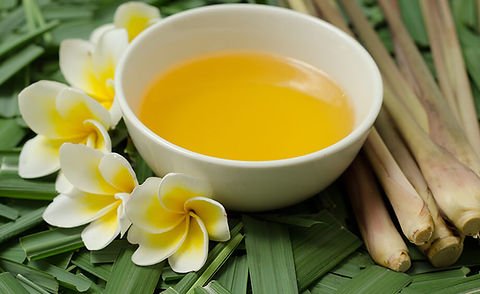
While commonly used to repel mosquitoes, citronella’s strong scent also repels other garden pests effectively. Either planting citronella plants or using citronella oil can help maintain a critter-free garden.
The Strong Scent of Lavender
Lavender possesses a strong, floral scent pleasing to humans, but repulsive to many animals. Planting lavender strategically around your garden helps effectively deter unwanted visitors.

The Unpleasantness of Mustard Oil
Mustard oil has a strong, pungent smell effective in repelling many animals. Spraying a solution of mustard oil and water around your garden helps keep critters at bay.

The Deterrent Effect of Predator Urine
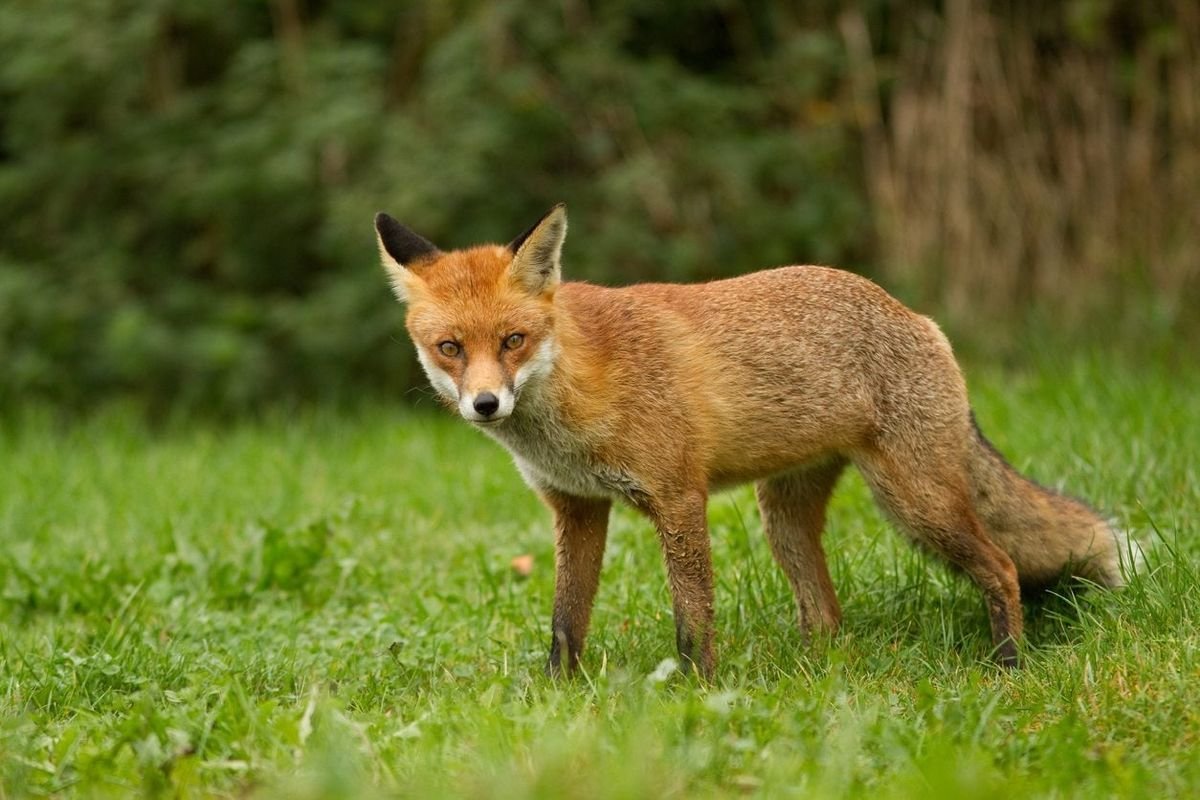
Fox or coyote urine, or other predator urine, simulates the presence of a predator. Consequently, this scent proves highly effective in deterring squirrels and chipmunks, encouraging them to avoid the perceived threat.
Conclusion: Maintaining a Critter-Free Garden
Gardeners can utilize these natural repellents to effectively deter squirrels, chipmunks, and other critters. These methods are effective and environmentally friendly, providing a safe, humane approach. Consistency, reapplying scents frequently, ensures your garden remains a critter-free zone. With minimal effort and the correct approach, you can enjoy a beautiful, thriving garden free from troublesome visitors. `


