

In recent years, interest in natural pest control methods risen as understanding of the environmental and health impacts of chemical pesticides has grown. As a sustainable and environmentally sound alternative, plants can help to control common household pests like spiders, mosquitoes, ants, and flies. A natural barrier against these pests, without environmental damage, can be achieved by purposefully placing specific plants around your home and garden.
Understanding the Benefits of Using Plants for Pest Control
Using plants provides multiple benefits for pest control. First, it lessens dependence on chemical pesticides, which are potentially harmful to humans and beneficial insects. Second, serving a functional purpose, plants can improve your home and garden’s visual appeal by adding beauty and fragrance. Also, the easy growth and upkeep of many pest-repellent plants make them a practical choice for homeowners.
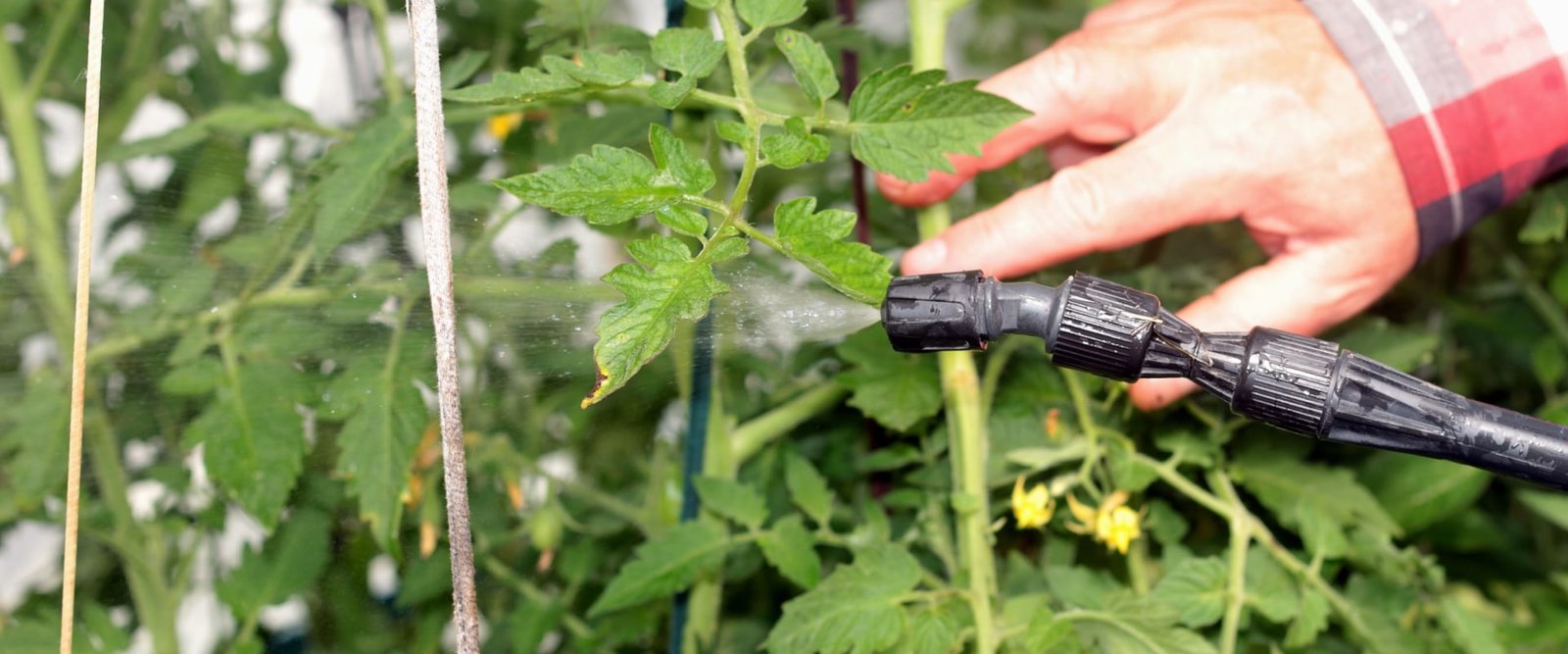
How Plants Repel Common Household Pests
Plants use different methods to repel pests. Some plants release strong odors that pests don’t like, which drives them away. Some plants also have natural oils or substances that are irritating or toxic for certain insects. Homeowners can effectively target specific pests for a more comfortable living space by understanding the properties of these plants, using them strategically.
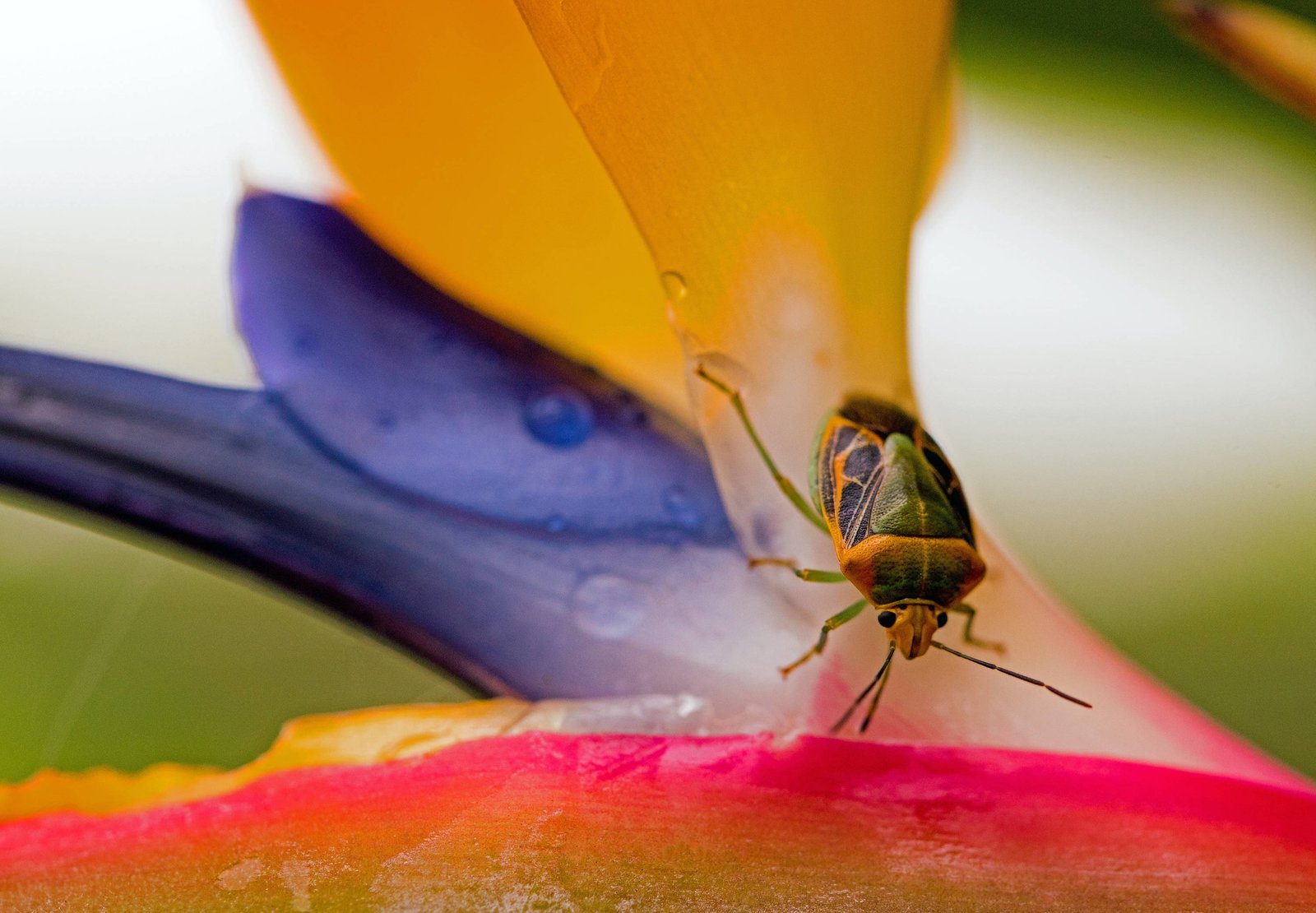
Criteria for Selecting Effective Pest-Repellent Plants
When choosing pest control plants, take into account the specific pests you want to repel, your area’s environment and growing conditions, and the plants’ maintenance needs. Choose plants known to work well against the pests you’re dealing with, and confirm they suit your local environment. Moreover, consider where to place these plants to get the most repellent effect.
Lavender: A Fragrant Barrier Against Mosquitoes and Flies
Beyond its calming fragrance, lavender is also known to deter mosquitoes and flies. It contains essential oils with compounds, such as linalool and linalyl acetate, known to repel these insects. Plant lavender by entrances or in gardens to create a fragrant barrier that keeps pests at bay.

Peppermint: A Refreshing Deterrent for Spiders and Ants
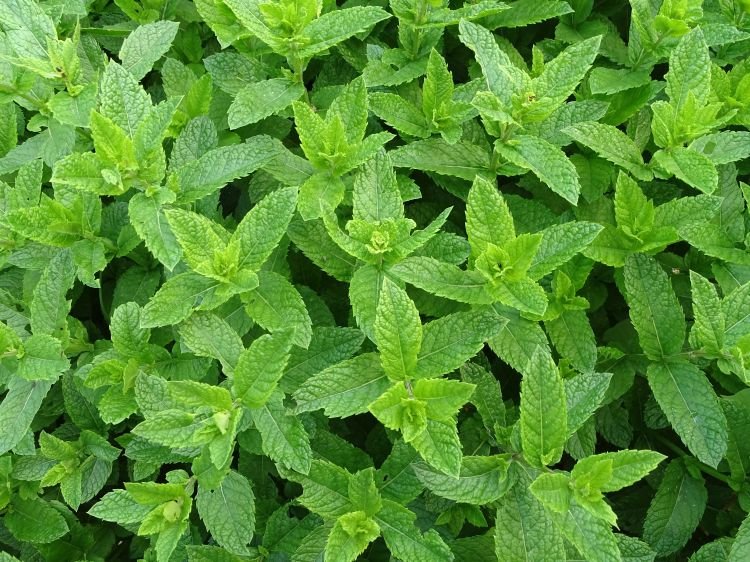
Peppermint, a versatile herb, not only adds a refreshing scent but also repels spiders and ants. Its strong menthol aroma is distasteful to these pests, making it an effective natural option. Plant peppermint in pots or garden beds, or prepare a homemade spray using peppermint oil for targeted pest control.
Marigolds: A Bright Defense Against Mosquitoes and Flies
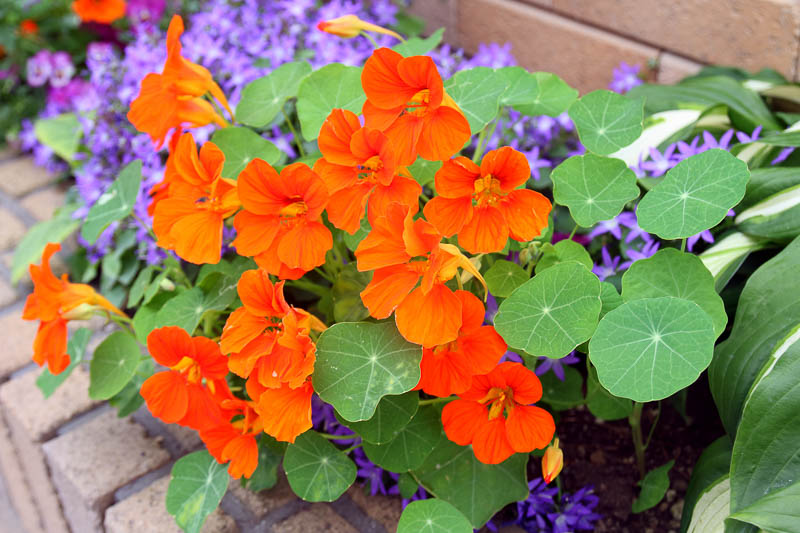
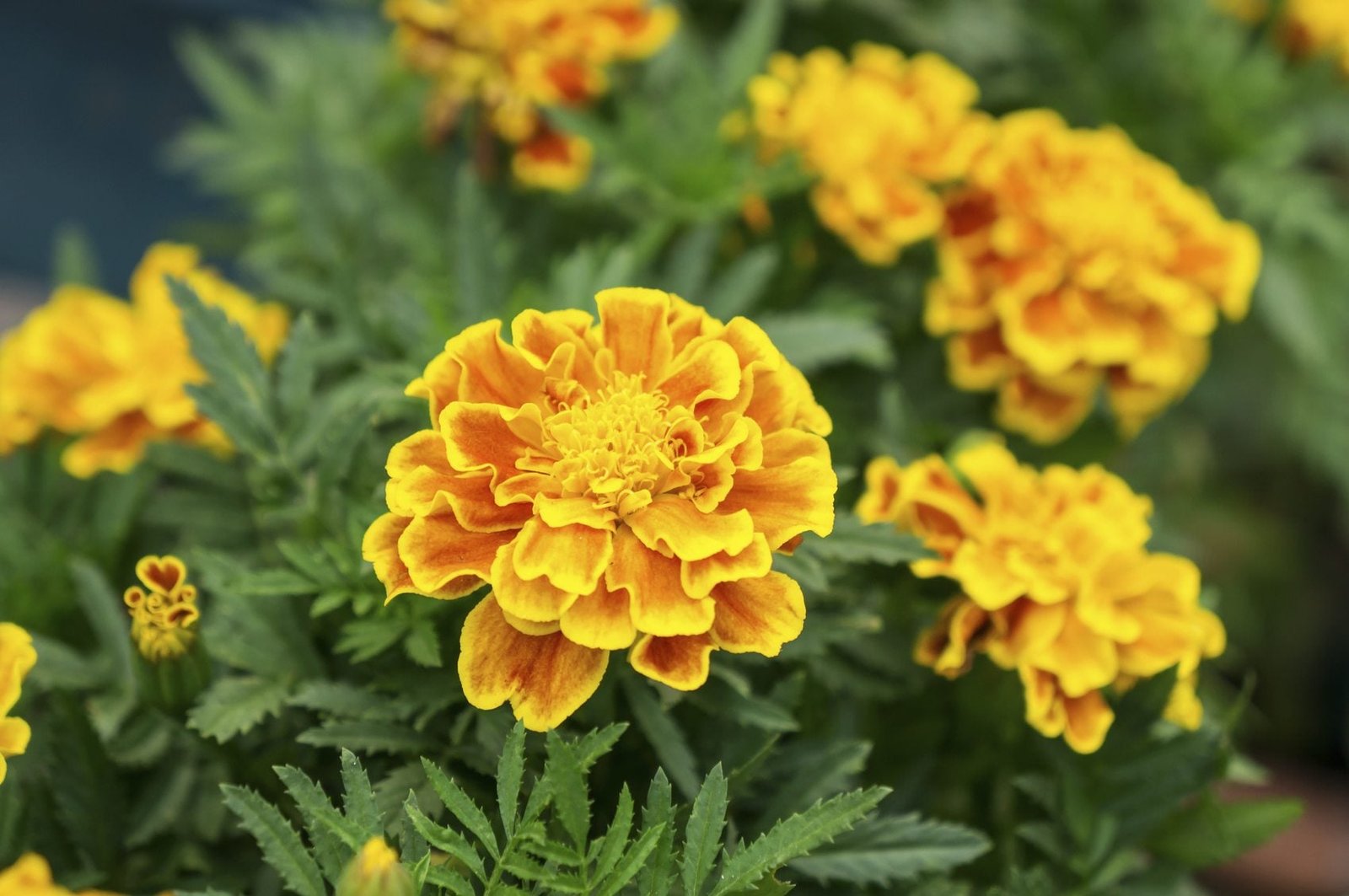
Marigolds are often chosen for pest control thanks to their bright flowers and ability to repel mosquitoes and flies. The plant has pyrethrum, a natural insecticide effective against different insects. Plant marigolds around the edge of your garden or in containers for added color and pest protection.
Basil: A Culinary Herb That Keeps Mosquitoes at Bay
Basil is not only a kitchen ingredient but also a strong mosquito repellent. The aromatic oils from the plant, especially eugenol, are effective at deterring mosquitoes. Grow basil in pots near outdoor seating or in your garden to enjoy its culinary benefits while keeping mosquitoes away.

Rosemary: A Woody Herb That Repels Mosquitoes and Flies
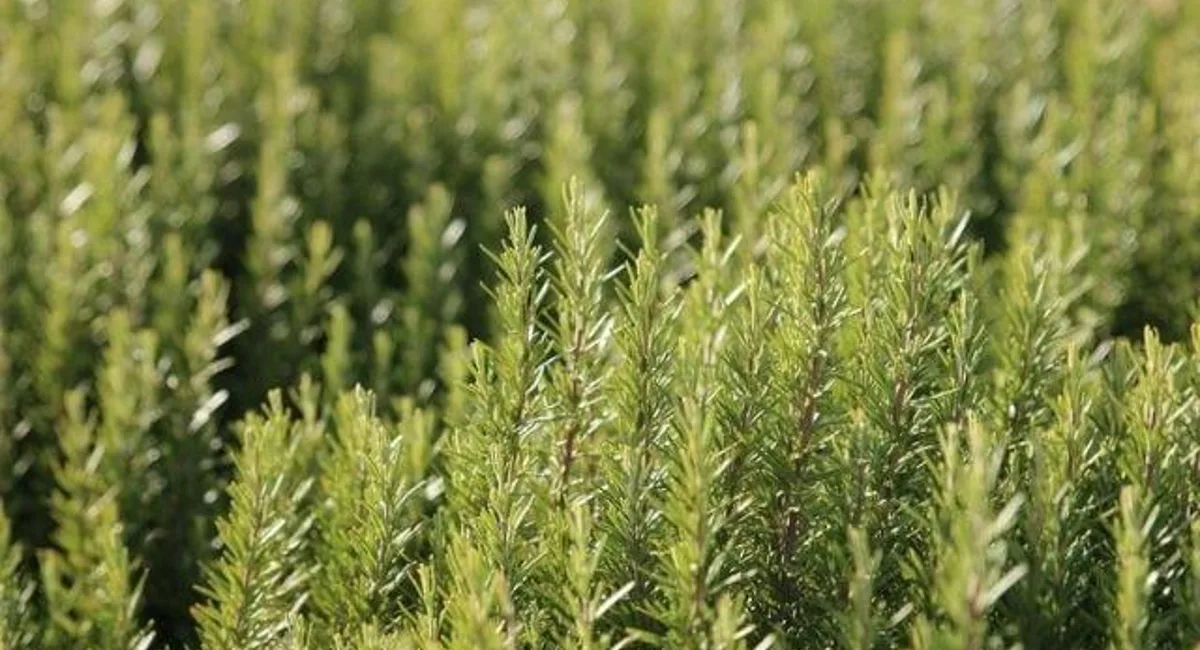
Rosemary, a hardy herb with a woody scent, repels mosquitoes and flies. Its essential oils contain compounds like cineole and camphor, known to deter insects. For a natural insect barrier, use rosemary in landscaping or pot it.
Lemongrass: A Citrus-Scented Shield Against Mosquitoes
Lemongrass is a tropical plant with a strong citrus scent that is very effective at repelling mosquitoes. It contains citronella oil, a common ingredient in commercial insect repellents. Grow lemongrass in pots or garden beds to create a natural mosquito shield around your home.
:max_bytes(150000):strip_icc()/lemongrass-plant-getty-0623-4b3c0979bb3f425f83232afb7b912608.jpg)
Citronella: A Popular Choice for Mosquito Repellent
Citronella is arguably the most well-known plant for mosquito repellent. Its strong lemony scent comes from the plant’s essential oils, which are highly effective at keeping mosquitoes away. Plant citronella in pots or garden beds; for added protection, use the oil in candles and sprays.
Eucalyptus: A Strong Scented Barrier for Mosquitoes and Flies
Eucalyptus, a tree with a distinct aroma, repels mosquitoes and flies. Its essential oils contain compounds, like eucalyptol, which are effective in deterring these pests. Arrange eucalyptus branches or plant eucalyptus trees to enjoy its pest-repellent properties.
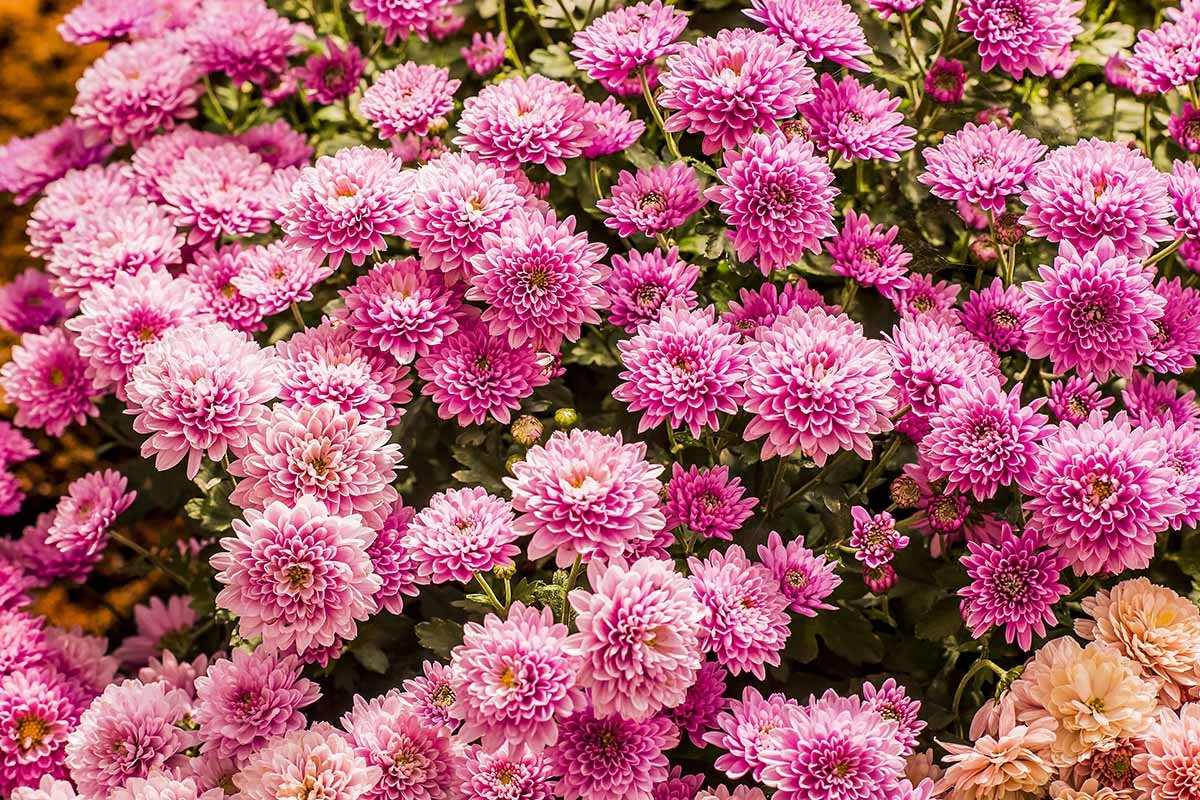
Chrysanthemums: A Colorful Defense Against Ants and Flies
Chrysanthemums, beautiful flowers, are also effective at repelling ants and flies. The plant contains pyrethrins, natural insecticides toxic to many insects. Include color and pest protection by planting chrysanthemums in gardens or using them in floral arrangements.
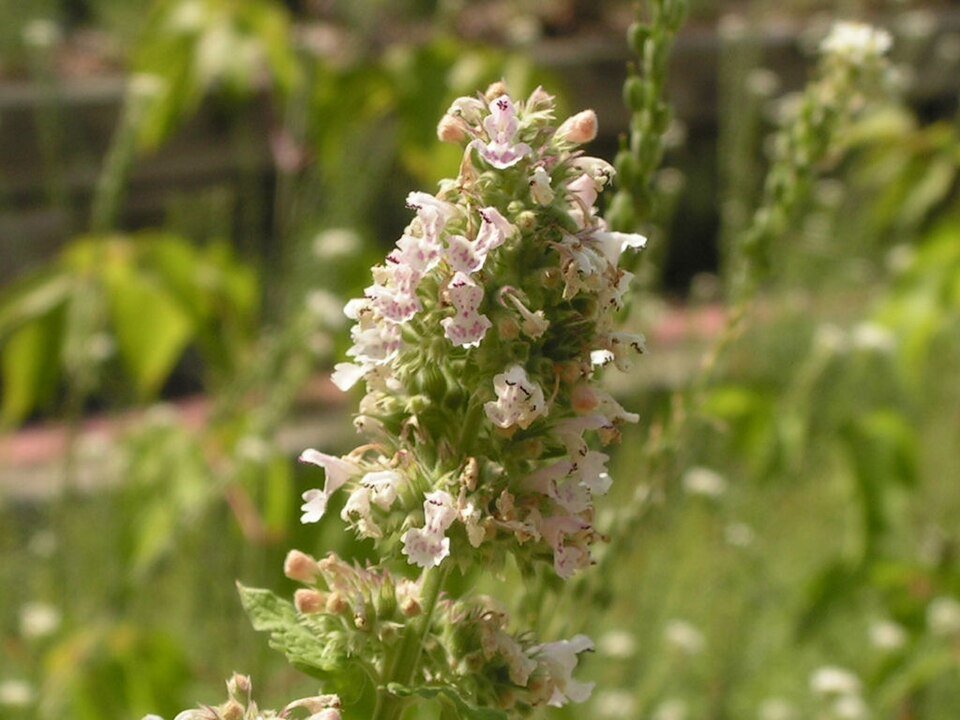
Catnip: A Surprising Mosquito and Fly Repellent
Catnip, best known for its effects on cats, is also a strong mosquito and fly repellent. The plant has nepetalactone, a compound more effective than DEET in repelling mosquitoes. Grow catnip in pots or gardens to enjoy its pest-repellent benefits.
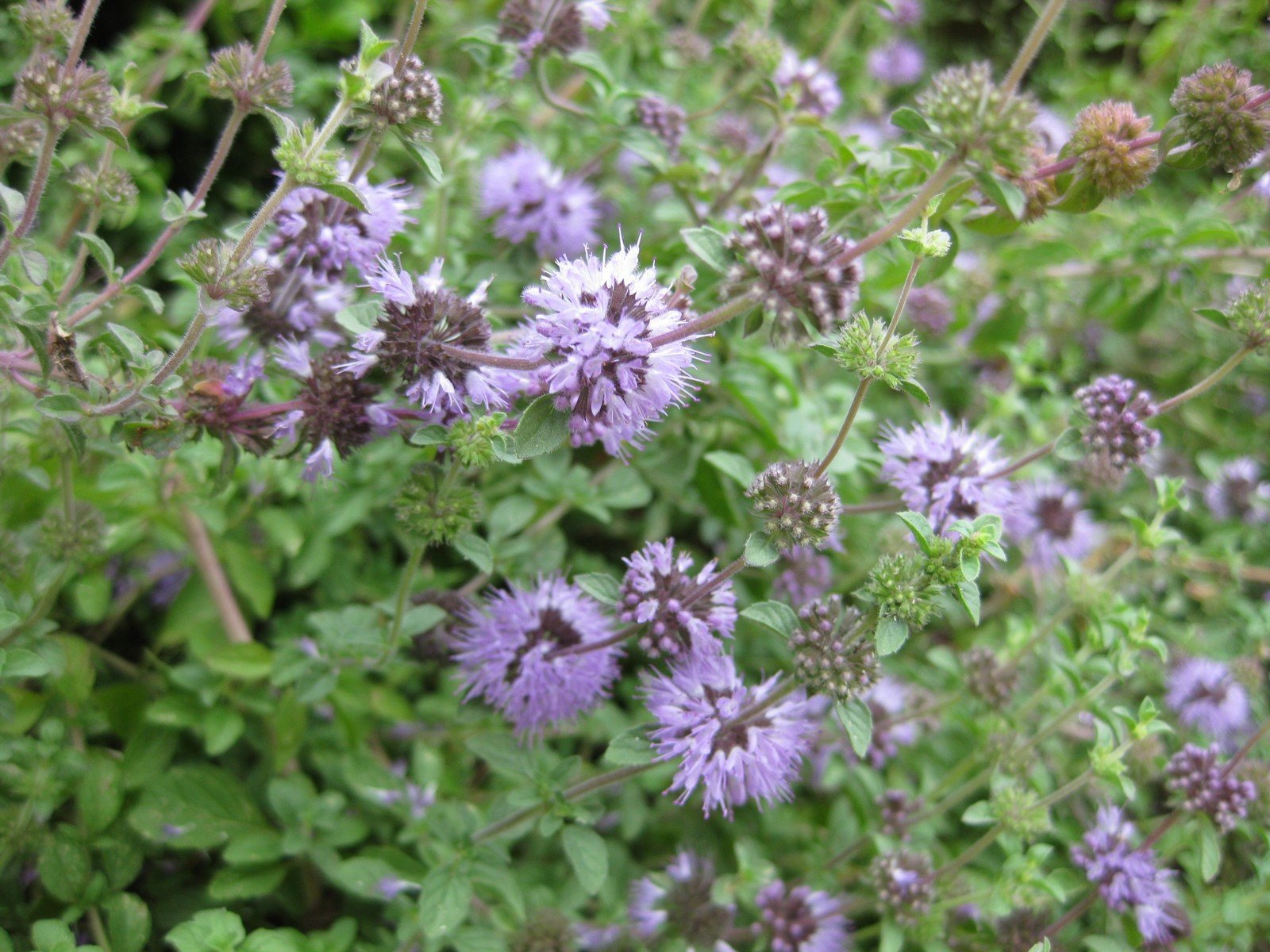
Pennyroyal: A Traditional Remedy for Mosquitoes and Ants
Pennyroyal, a traditional herb, is used to repel mosquitoes and ants. The plant’s strong minty scent is unpleasant to these pests, making it an effective option. Utilize pennyroyal in garden beds or as a potted plant to create a pest-free environment.
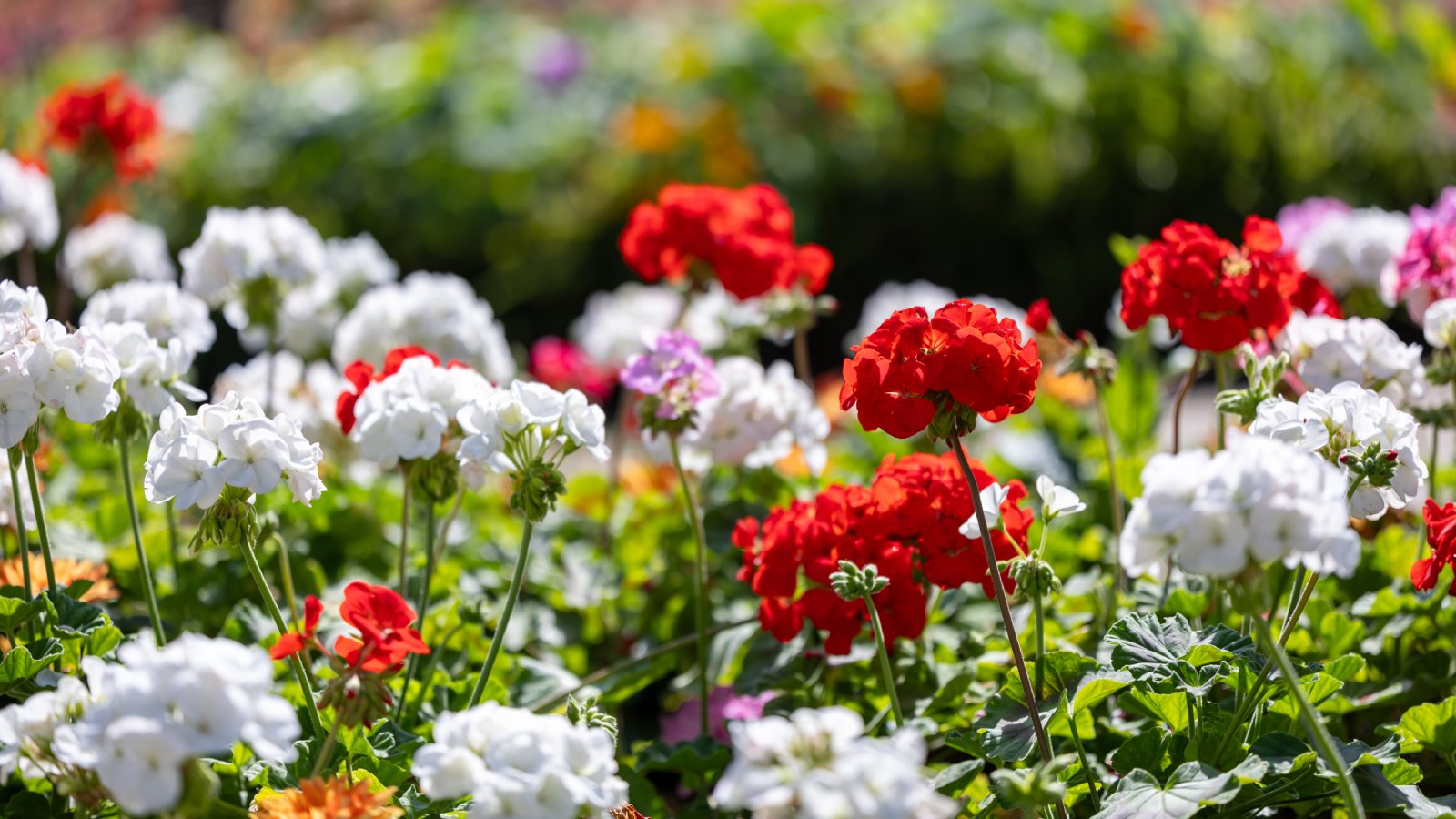
Geraniums: A Floral Solution to Keep Mosquitoes Away
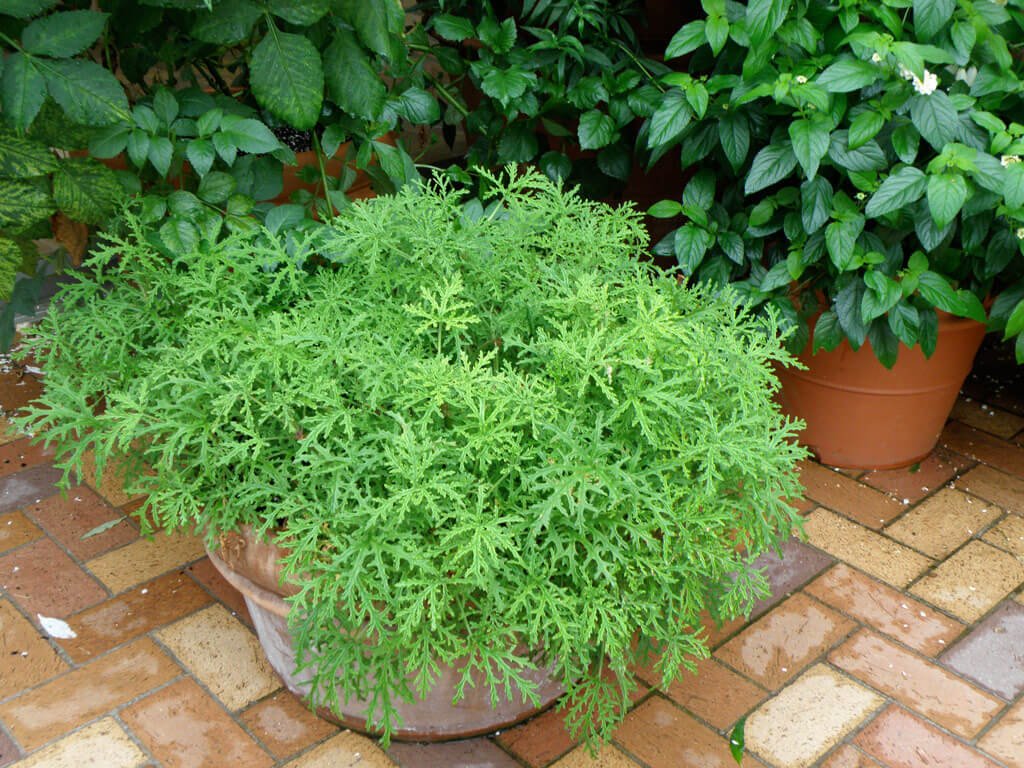
Geraniums, especially those with a lemon scent, are effective in repelling mosquitoes. The plant’s essential oils contain compounds that deter these pests, making geraniums a popular choice for pest control. Plant geraniums in pots or gardens to add beauty and protection around your home.
How to Effectively Use These Plants in Your Home and Garden
Strategically place these plants in your home and garden to maximize pest-repellent effects. You may create a natural barrier against pests by planting them near entryways, windows, and outdoor seating areas. With potted plants, move them as desired and experiment with different arrangements for the most effective setup for your space.
:max_bytes(150000):strip_icc()/GettyImages-13307863291-295605b06d14492f837078d63fc8356f.jpg)
Conclusion
By adding pest-repellent plants to your home and garden, you can enjoy a more comfortable and eco-friendly living environment. For common pest issues, plants offer a natural solution, lessening the need for chemical pesticides and enhancing the beauty of your space. Take advantage of nature’s power to create a pest-free home with these plant-based solutions.


