

For many plant species, seed refrigeration, also known as cold stratification, is a vital step in gardening. The natural winter conditions that seeds encounter in the wild are replicated by this method, which is essential for overcoming seed dormancy and encouraging successful germination. If you grasp how crucial this process is, especially for specific plant types that need particular conditions to sprout, you can greatly improve your gardening outcomes.
Understanding Seed Dormancy
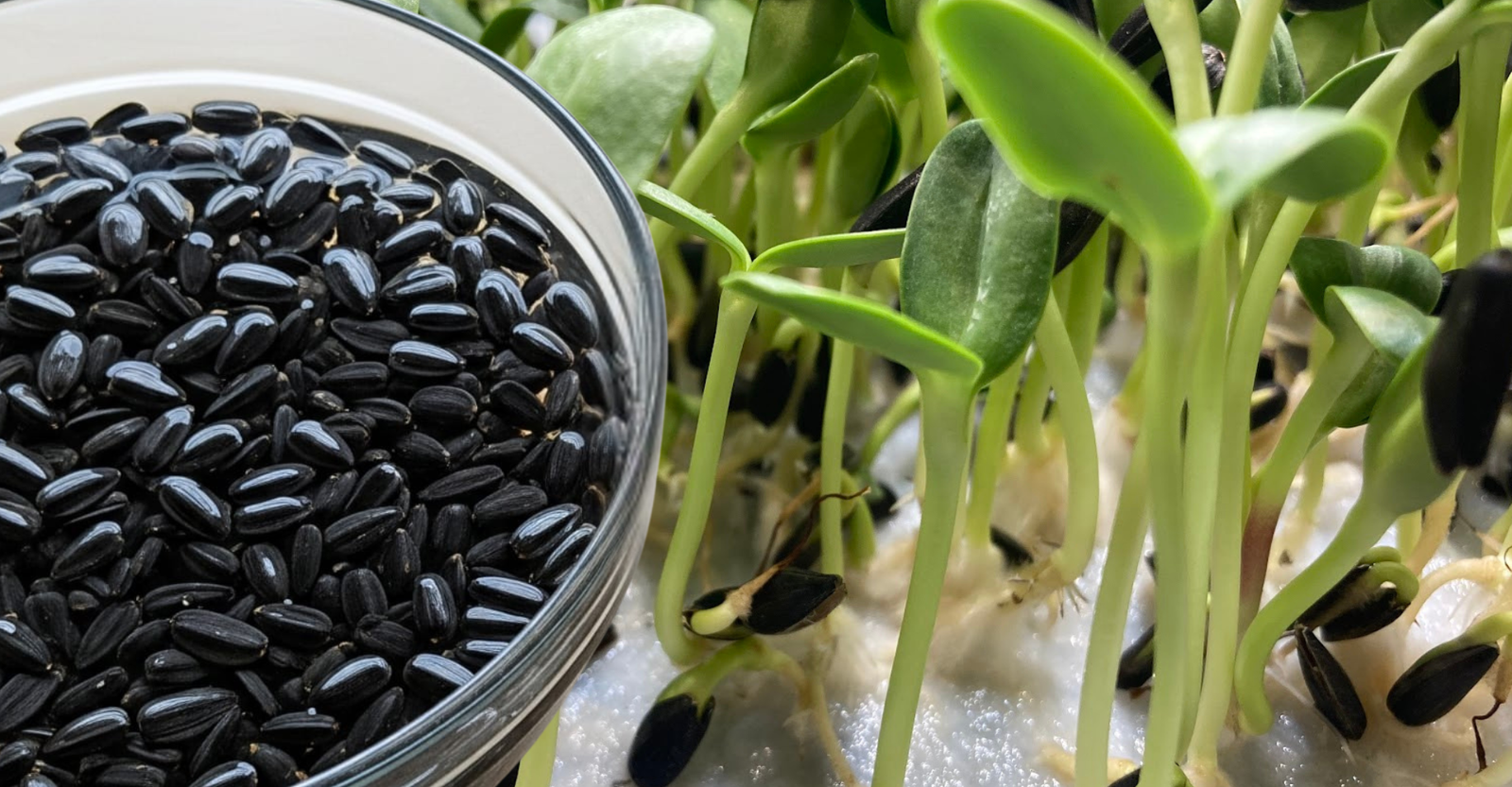
A survival strategy known as seed dormancy keeps seeds from sprouting until environmental conditions are appropriate for growth. This guarantees that seeds won’t sprout during unfavorable seasons like winter in the wild. Environmental factors like temperature fluctuations, light exposure, and moisture levels can break dormancy. For many seeds, exposure to chilly temperatures is needed to end dormancy and start germination.
The Science Behind Seed Stratification
When seeds are treated to mimic the natural conditions they must encounter before germination, the process is called seed stratification. Exposing seeds to a period of moist, cold conditions, which can be accomplished by refrigeration, is part of cold stratification. By breaking down germination inhibitors found within the seed, this process allows it to sprout after planting.
Benefits of Refrigerating Seeds Before Sowing
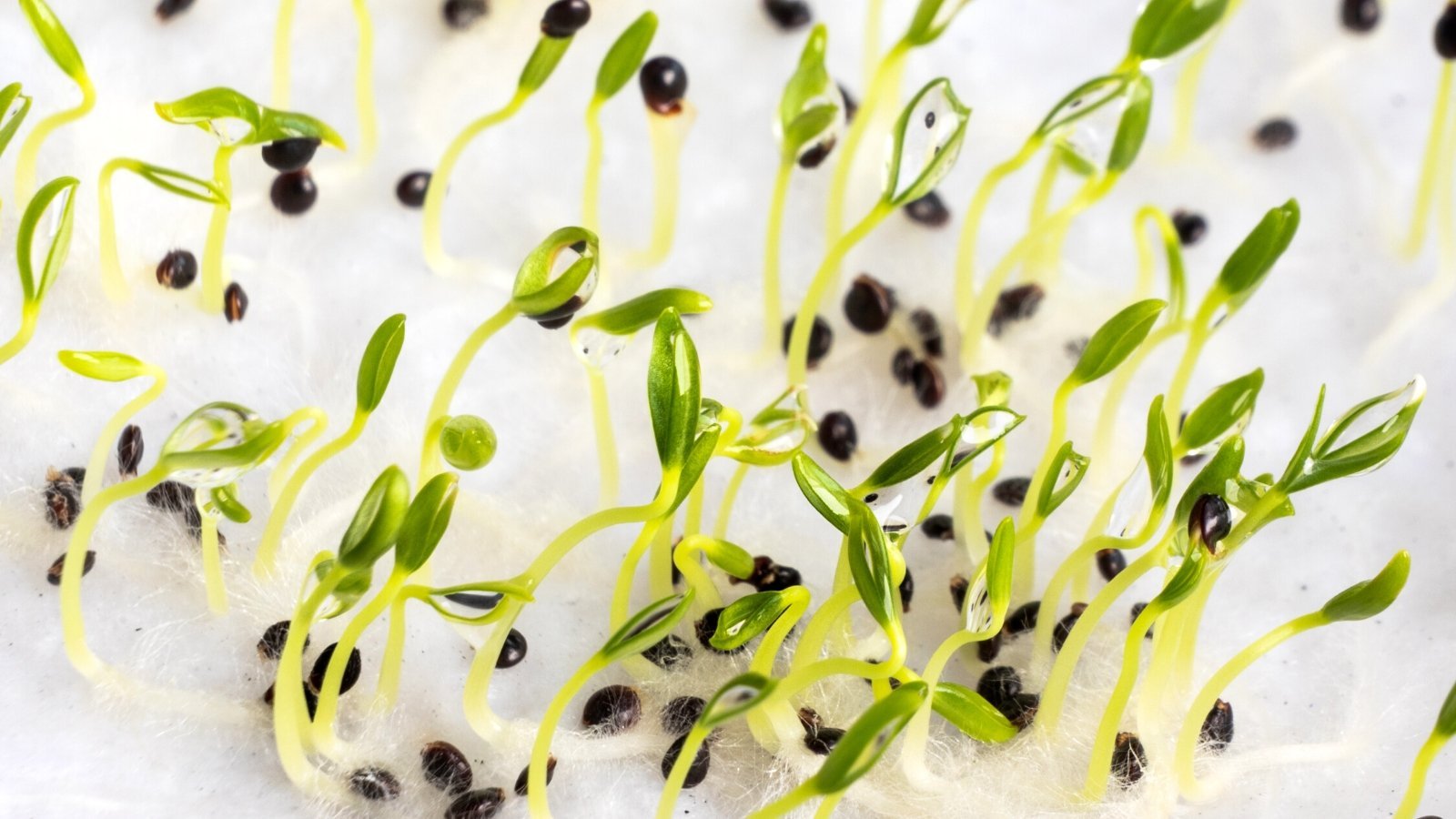
Germination rates can be greatly increased and uniform sprouting ensured by refrigerating seeds before planting. Because it offers the essential environmental cues to break dormancy, this method is especially helpful for seeds that need cold stratification. Refrigeration can also aid in preventing mold and decay, which helps to preserve seed viability over time.
:max_bytes(150000):strip_icc()/SPR-soaking-seeds-before-planting-11687041-hero-B-7715316f1ade438cb8630fafdaa3a3cf.jpg)
How to Properly Refrigerate Seeds
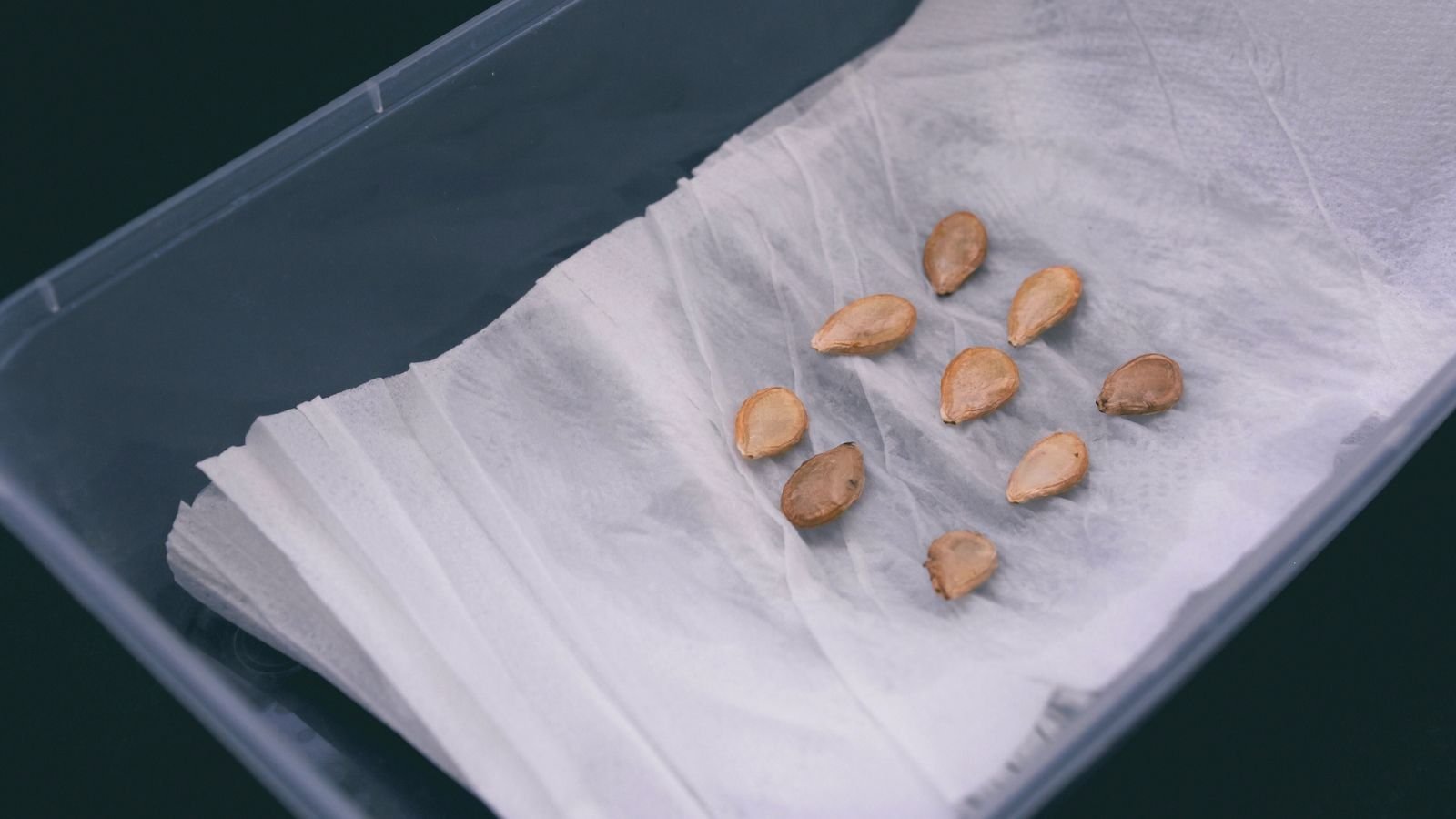
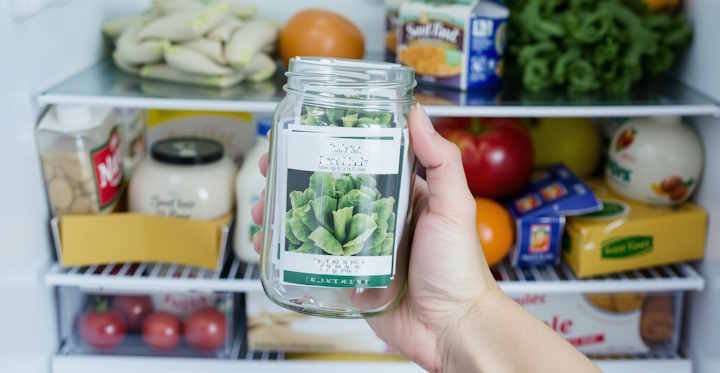
To properly refrigerate seeds, use a moist medium like sand, vermiculite, or a damp paper towel to hold them. To keep moisture levels consistent, seal the seeds and medium in a plastic bag or container. Keep the container in the refrigerator, ideally between 33°F and 41°F (1°C to 5°C), for a period of time ranging from a few weeks to several months, depending on the type of seed.
Common Mistakes in Seed Refrigeration
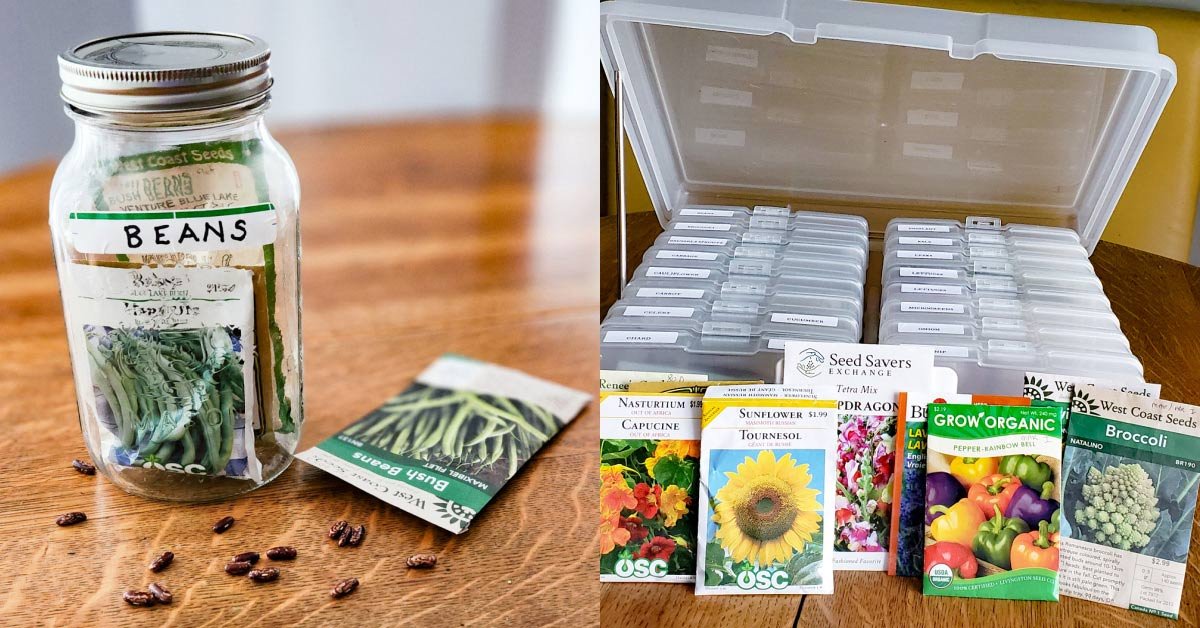
One frequent error is not providing enough moisture during refrigeration, which may stop seeds from breaking dormancy. Another error is refrigerating seeds at the incorrect temperatures, which can harm the seeds if they are either too warm or too cold. Furthermore, some gardeners might not refrigerate seeds for a sufficient amount of time, which will result in low germination rates.
Top 12 Seeds That Require Refrigeration
Refrigeration is extremely helpful for certain seeds before planting. They are:
- Lavender
- Milkweed
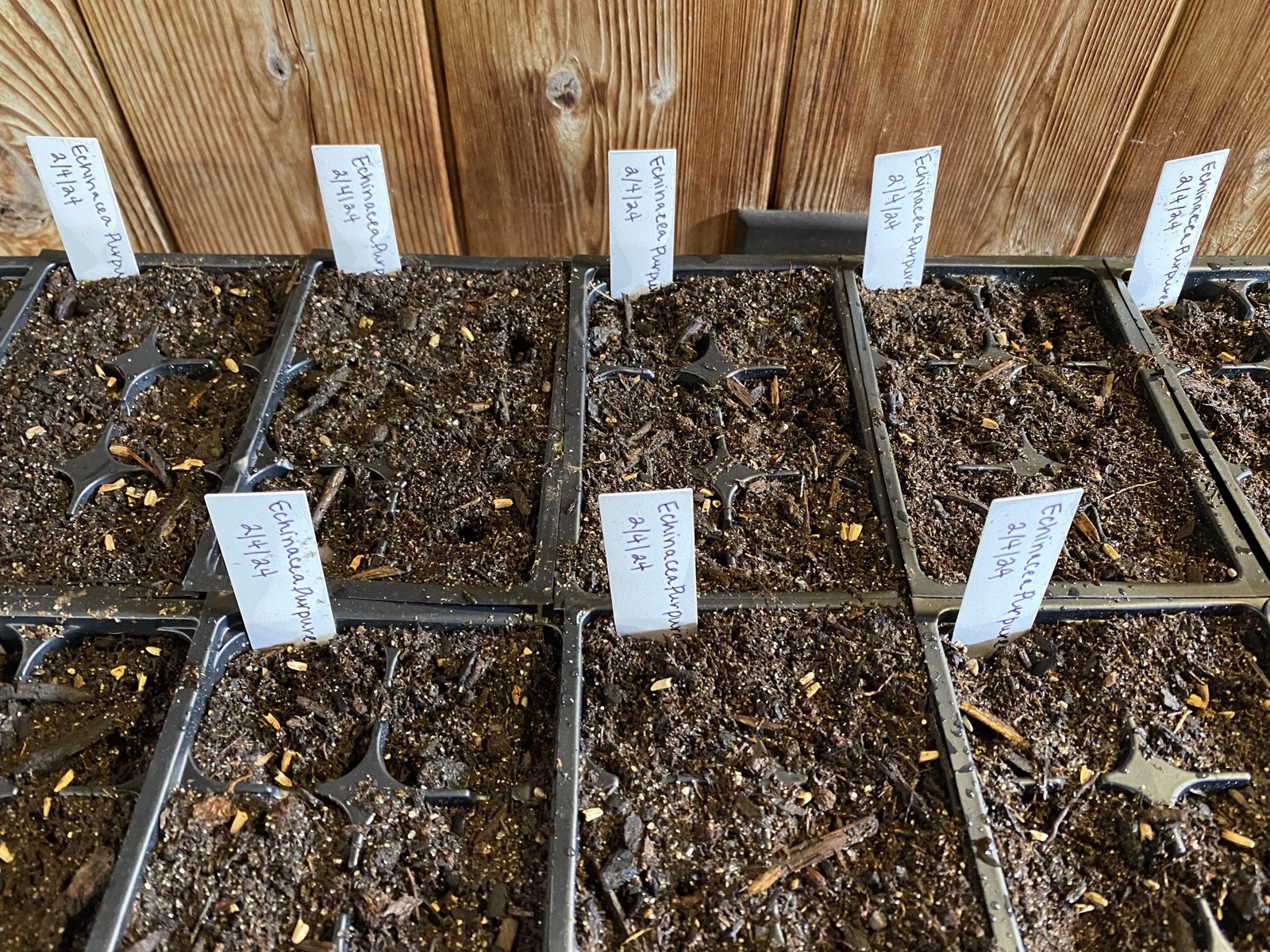
- Coneflower
- Lupine
- Columbine
- Delphinium
- Poppy
- Bluebell
- Primrose
- Apple
- Cherry and
- Maple
To ensure effective germination, each of these seeds has particular cold stratification requirements.
Detailed Guide on Refrigerating Each Seed Type
The refrigeration needs of each seed type are different. Lavender seeds, for instance, typically need 4-6 weeks of cold stratification, whereas milkweed seeds might need 30-60 days. To ascertain the best time frame and circumstances for refrigeration, it’s critical to research the specific requirements of each seed type.
How Refrigeration Affects Germination Rates
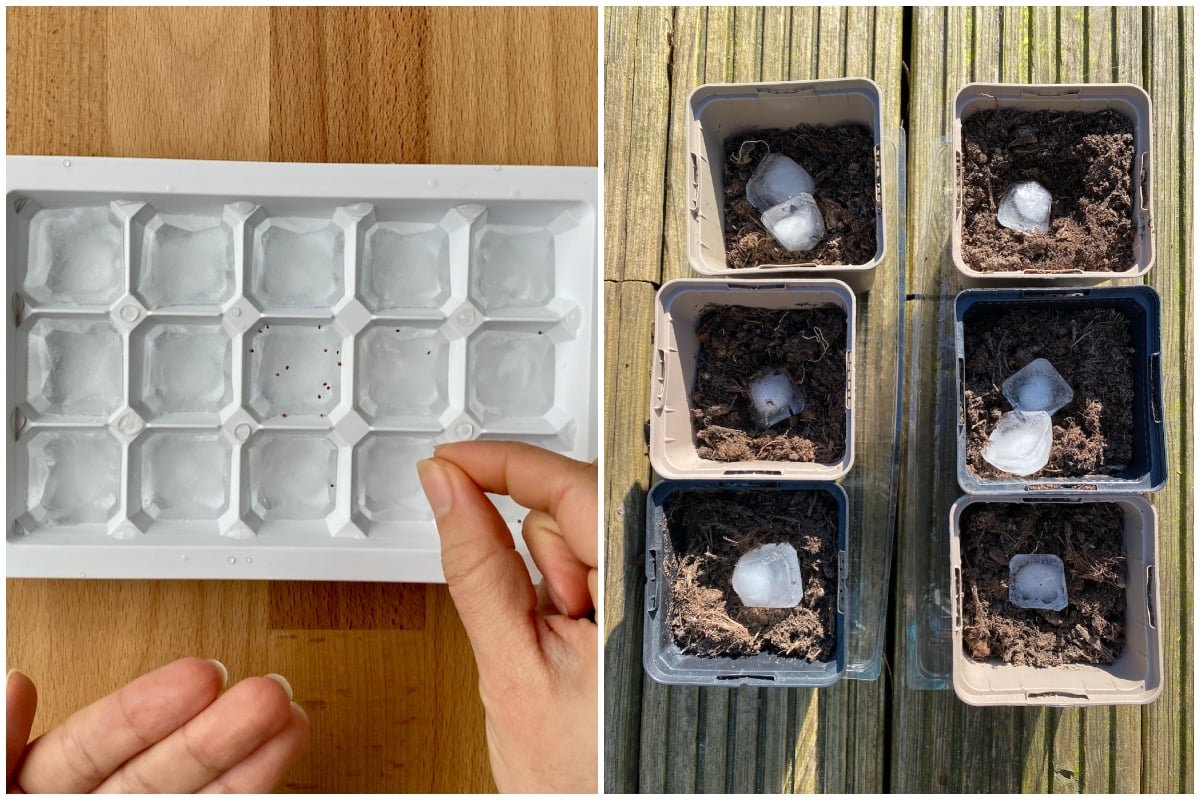
By breaking seed dormancy and making sure seeds are prepared to sprout when planted, refrigeration can greatly improve germination rates. By simulating natural winter conditions, refrigeration helps seeds overcome internal barriers to germination, resulting in more reliable and effective sprouting.
Alternative Methods to Seed Refrigeration
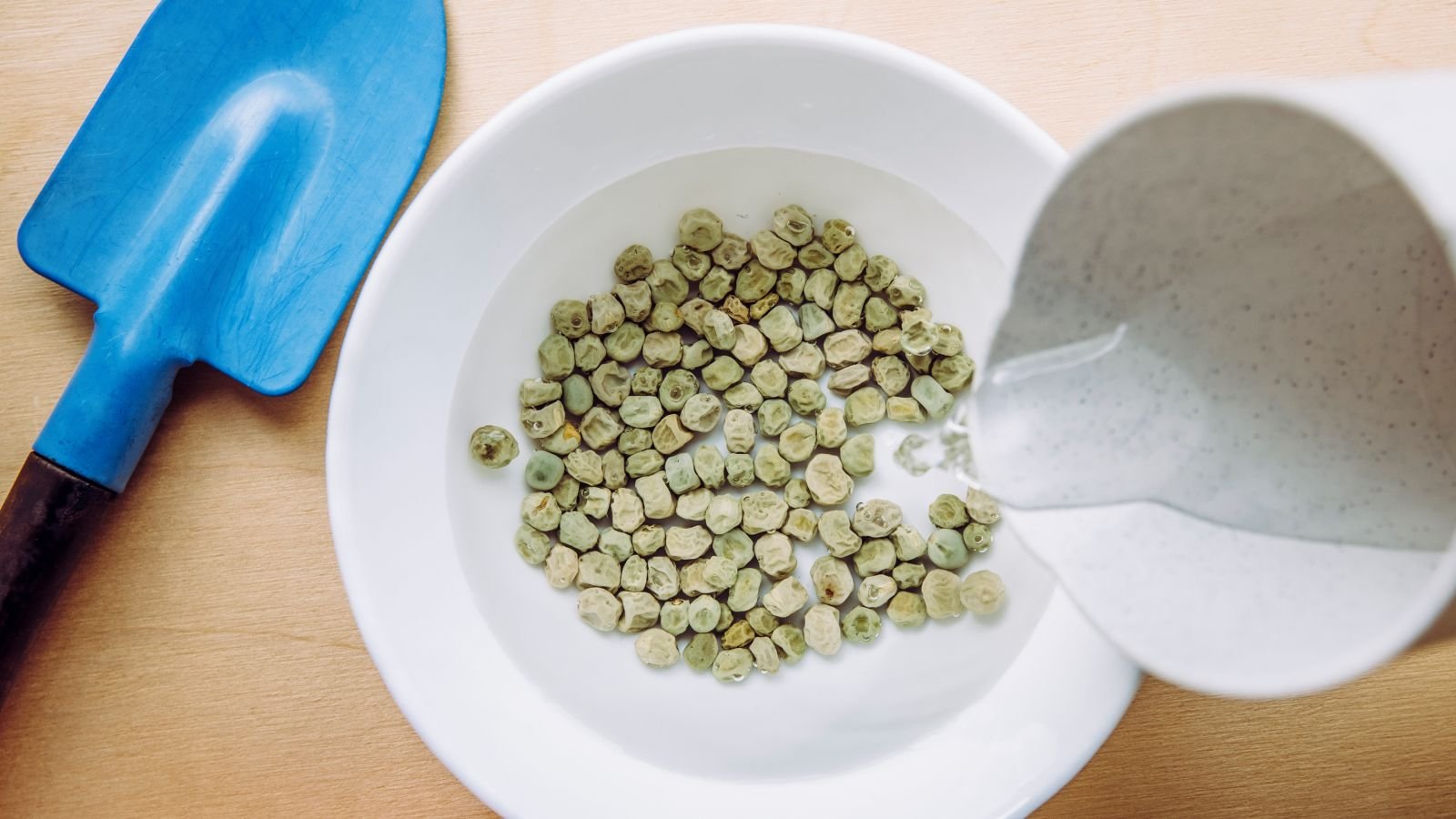
Other methods, such as soaking seeds in water, scarification (scratching the seed coat), or using chemical treatments, can also be used to break seed dormancy in addition to refrigeration. However, seeds that especially need cold stratification might not respond as well to these techniques.
Frequently Asked Questions About Seed Refrigeration
Typical inquiries regarding seed refrigeration include: How long should seeds be refrigerated? What is the best temperature for seed stratification? Is it okay to refrigerate all seeds? These inquiries emphasize how crucial it is to comprehend the unique requirements of each seed type in order to guarantee successful germination.
Conclusion
Refrigerating seeds before planting is a crucial step for many plant species because it mimics the natural conditions required to break dormancy. Gardeners can greatly increase germination rates and promote healthy plant growth by comprehending and using proper seed refrigeration techniques.


