

Tomatoes, beloved for their taste and numerous uses, are a garden favorite worldwide. However, achieving a successful tomato harvest can be challenging.
With the utilization of appropriate hacks, you can greatly improve your tomato cultivation and ensure a rich yield. In this article, we will delve into ten excellent strategies that can transform ordinary tomato plants into flourishing and highly productive specimens.
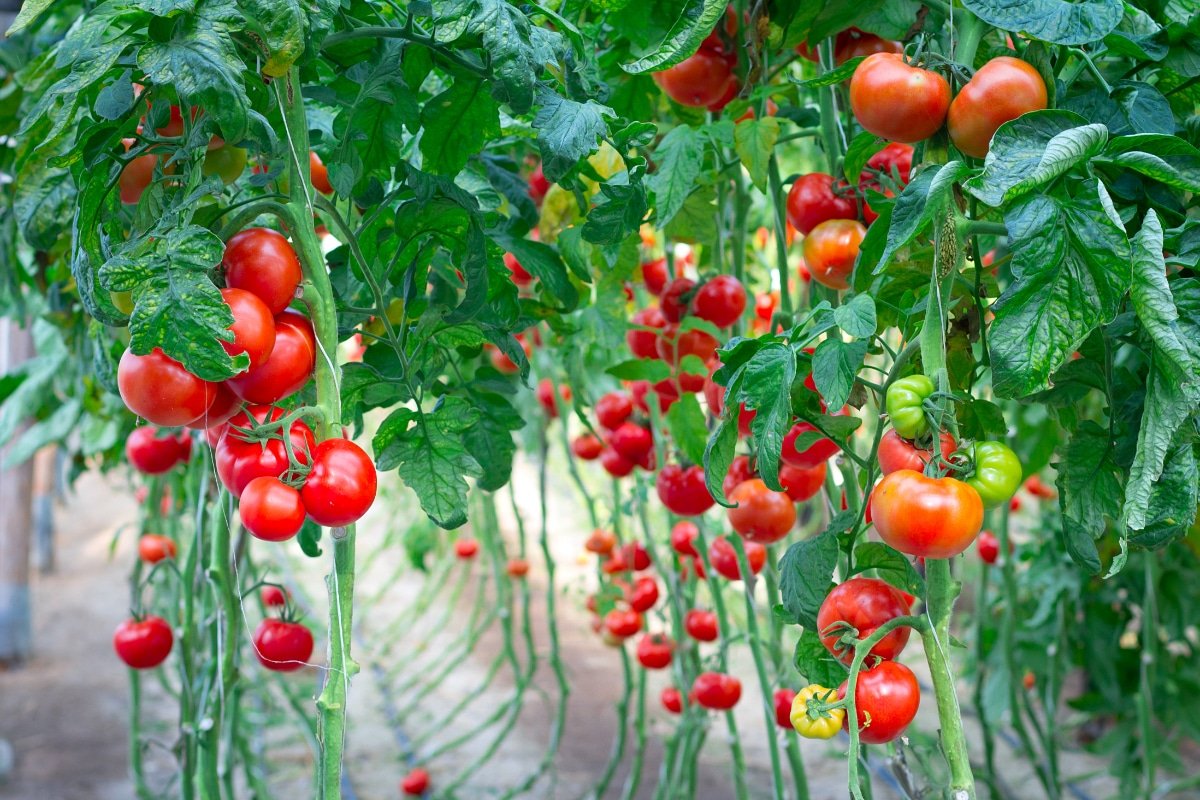
Baking Soda for Sweeter Tomatoes
How to Use It:
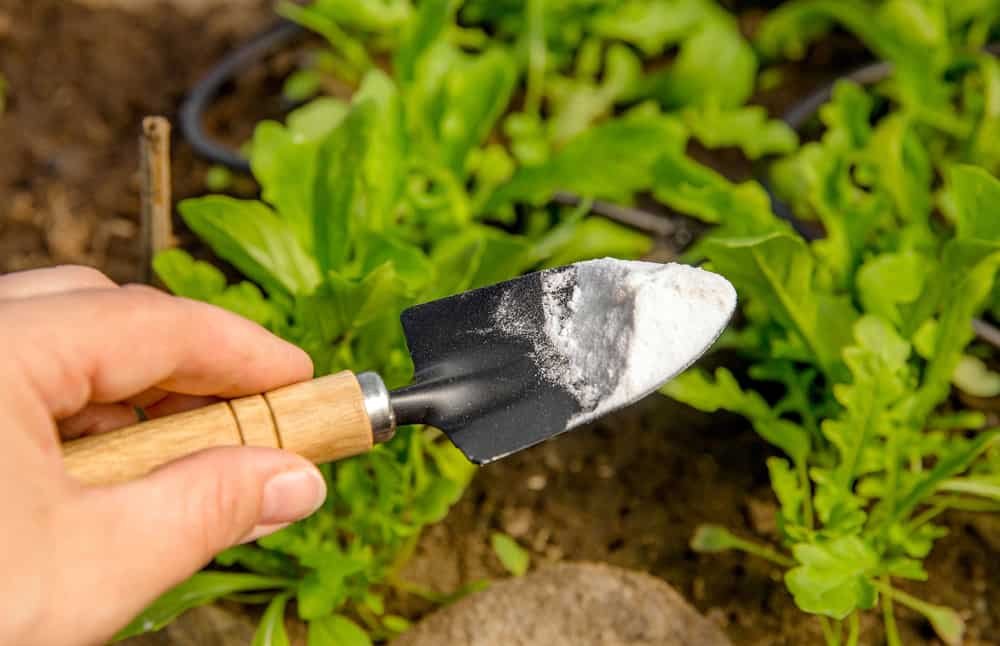
Distribute a modest quantity of baking soda (1 tsp per plant) around the tomato plant’s base, taking care to avoid direct stem contact.
Why It Works:
Baking soda aids in neutralizing soil acidity, thereby lowering the fruit’s acidity and imparting a sweeter flavor to the tomatoes. Optimum results are seen in soils with a slightly acidic to neutral pH (around 6.0-6.8). Exercise caution and avoid over-application, as excessively alkaline soil can impede nutrient uptake.
Epsom Salt for Bigger, Healthier Plants
How to Use It:
Combine 1 tablespoon of Epsom salt with one gallon of water and apply it either as a foliar spray or by watering the plant’s base every two weeks.
Why It Works:
Magnesium and sulfur, found abundantly in Epsom salt, play crucial roles in chlorophyll synthesis and nutrient absorption. Magnesium enhances the plant’s photosynthetic capability, fostering greener foliage, sturdier stems, and enhanced yields.

Banana Peel Eggshell Fertilizer
How to Use It:
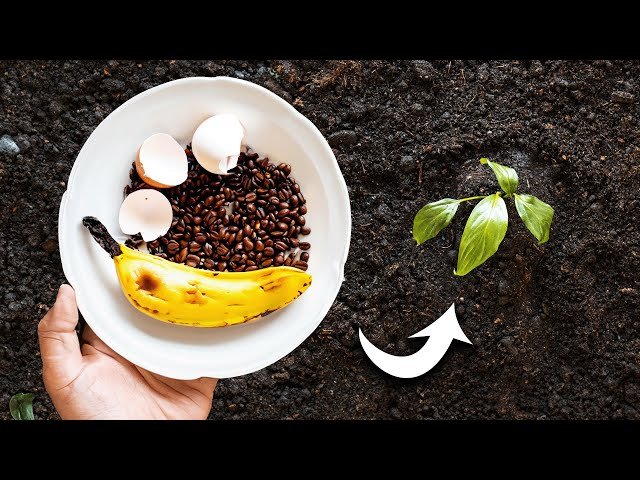
Chop banana peels and incorporate them into the soil at a depth of 2-3 inches near the plant’s roots. Crush eggshells and either incorporate them into the soil before planting or sprinkle them around the plant’s base.
Why It Works:
Banana peels provide potassium and phosphorus, elements that promote improved fruit development, increased disease resistance, and enhanced root strength.
Eggshells, being rich in calcium, aid in the prevention of blossom-end rot (a prevalent tomato issue stemming from calcium deficiency).
Coffee Grounds for Nitrogen Boost
How to Use It:
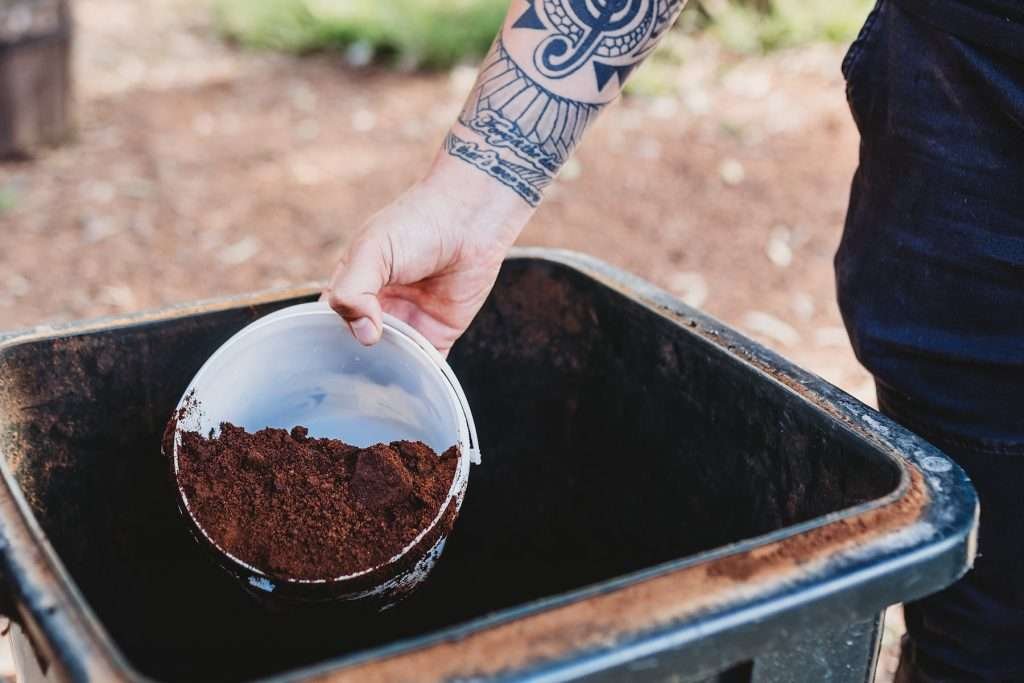
Dry used coffee grounds and apply a light layer around the plant’s base or incorporate them into compost mixtures.
Why It Works:
Coffee grounds are a source of slow-release nitrogen, a vital nutrient necessary for vibrant, verdant growth. They also enrich soil texture by adding organic matter. Note that fresh coffee grounds can be acidic; hence, allowing them to dry before application is advisable.
Aspirin Spray for Disease Resistance
How to Use It:
Dissolve 1 uncoated aspirin tablet (325 mg) in a gallon of water and administer it as a spray on tomato leaves every 2-3 weeks.
Why It Works:
Aspirin is composed of salicylic acid, which simulates a plant’s inherent defense compounds. This process activates the plant’s defense system, enhancing its ability to resist diseases such as blight, powdery mildew, and bacterial infestations. Studies suggest that this can also boost fruit yield!

Mulch with Grass Clippings or Straw
How to Use It:
Apply a layer of mulch, approximately 2-3 inches thick (using straw, shredded leaves, or dried grass clippings), around the base of the tomato plant.
Why It Works:
Mulch aids in maintaining soil moisture, controlling temperature fluctuations, and limiting weed growth. Additionally, it prevents soil from splashing onto the tomato plant’s leaves, decreasing the likelihood of fungal ailments like early blight and leaf spot.

Companion Planting for Pest Control
How to Use It:
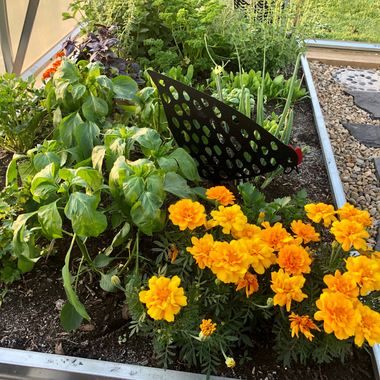
Cultivate basil, marigolds, garlic, or chives in proximity to tomato plants.
Why It Works:
Basil not only enhances the flavor of tomatoes but also serves as a repellent against aphids, whiteflies, and mosquitoes. Marigolds emit compounds that discourage nematodes and other detrimental soil pests. Garlic and chives generate sulfur compounds that offer protection against fungal infections and act as insect deterrents.
Prune Remove Lower Leaves
How to Use It:
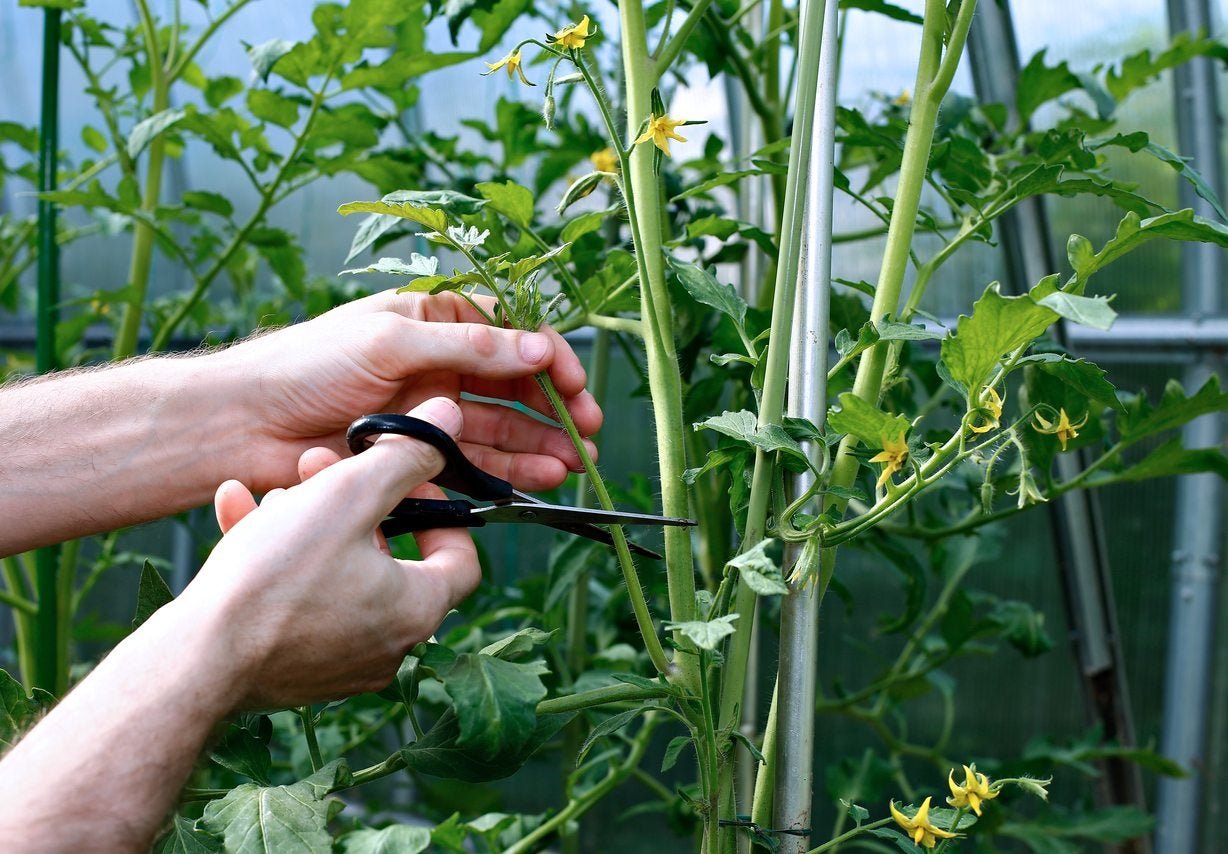
Once the tomato plant attains a height of 2 feet, prune the lower 6-8 inches of leaves and eliminate any suckers (small offshoots emerging between the primary stem and branches).
Why It Works:
By removing the lower leaves, you enhance airflow and minimize moisture accumulation, which is essential in preventing fungal infections like blight and mildew. Eliminating suckers redirects the plant’s energy towards fruit development, rather than excessive foliage growth.
Stake or Cage for Stronger Stems
How to Use It:
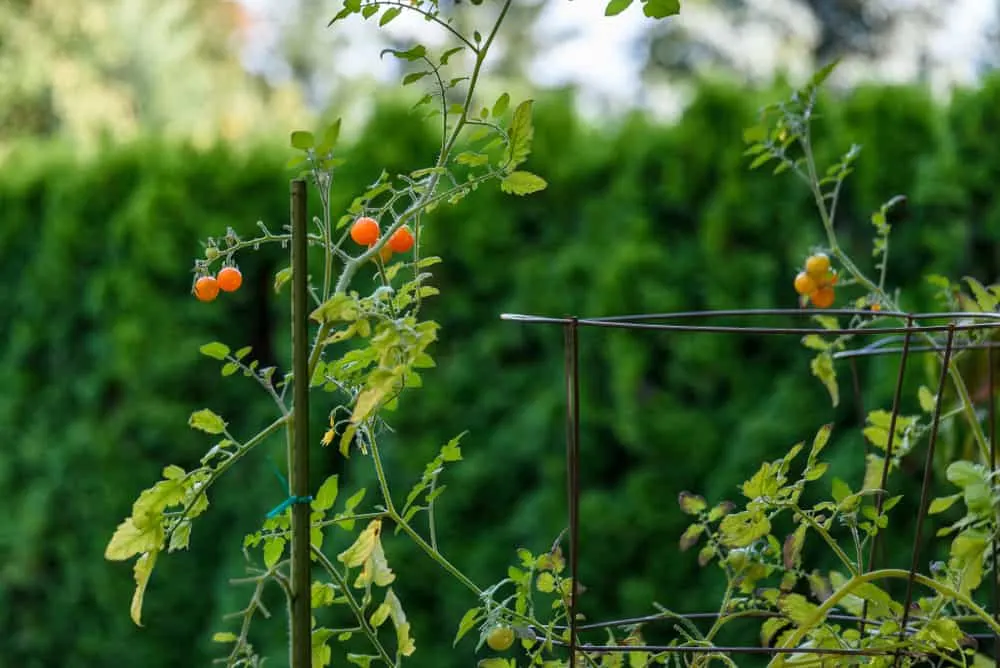
Install a tomato cage, stake, or trellis at the time of planting, and secure the plant with gentle ties as it matures.
Why It Works:
Tomato plants can become excessively heavy with fruit, which can cause stem breakage. Staking helps maintain plant uprightness, improves air circulation, lowers disease risks, and keeps the fruit off the ground, thus preventing rot.
Water Deeply in the Morning
How to Use It:
Water the plant at its base during the early morning hours, providing 1-2 inches of water each week. Refrain from overhead watering.
Why It Works:
Deep watering promotes the development of a robust root system, leading to increased drought tolerance in plants.
Morning watering ensures effective moisture absorption before the onset of intense daytime heat, thereby minimizing stress and evaporation.
Avoiding overhead watering helps in preventing fungal diseases such as blight and powdery mildew.

Conclusion
With these ten exceptional strategies for tomato cultivation, you can transform your gardening experience and achieve a bountiful harvest. From enriching the soil with natural fertilizers like baking soda and Epsom salt to utilizing companion planting for pest control, each technique enhances your tomato plants’ health and productivity. Remember to provide proper support through staking or caging, as well as maintaining appropriate watering practices, to encourage strong growth. By implementing these hacks, you’ll not only improve the کیفیت of your tomatoes but also enjoy a flourishing garden filled with delicious homegrown produce. Happy gardening!


