

It can be quite fulfilling to cultivate avocados in a container, particularly if your space is limited or the climate isn’t conducive to planting avocado trees outdoors. You can savor fresh, homegrown avocados even in an urban environment if you use the correct methods and take proper care. This guide offers vital advice to help you successfully grow an avocado tree in a pot and eventually enjoy the tasty avocados it produces.
Avocado trees usually grow to be large, but they can flourish in containers if you carefully select dwarf varieties and maintain them properly. These suggestions will assist you in overcoming the difficulties of container gardening and ensuring that your avocado tree grows healthily and produces fruit, whether you’re an experienced gardener or a novice.
Choose the Right Avocado Variety for Pots
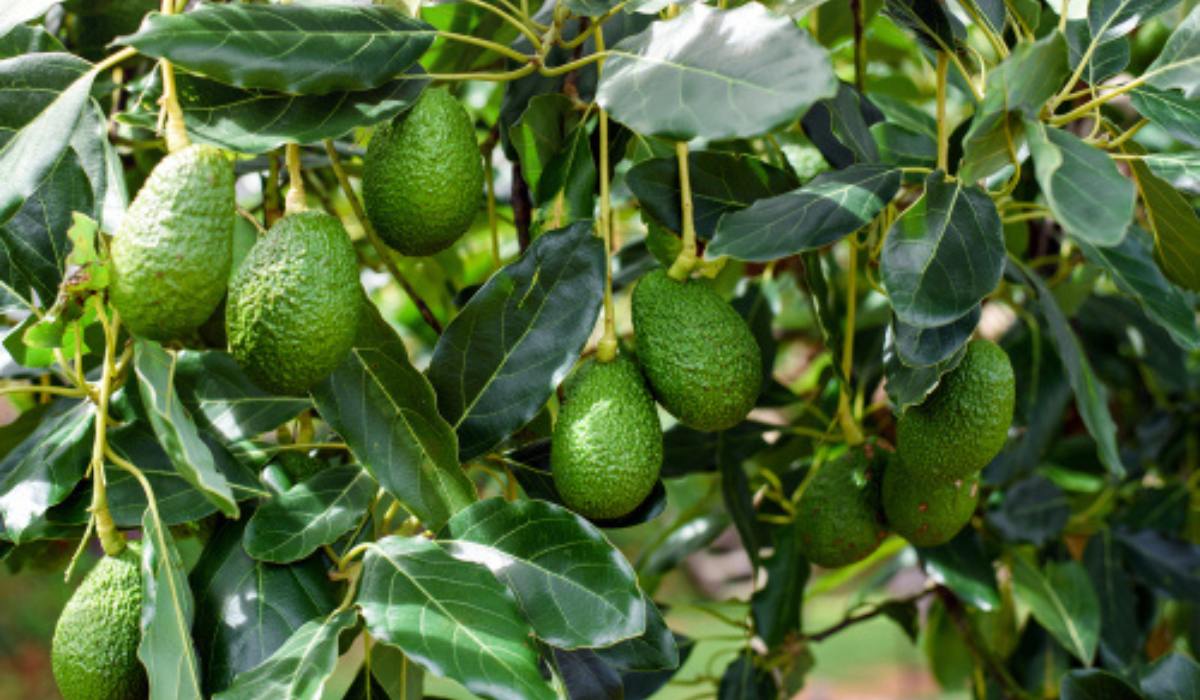
Selecting a variety that is well-suited for growing in containers is essential when growing avocados in pots. Dwarf types, such as ‘Wurtz’ (also known as ‘Little Cado’), are excellent since they are naturally smaller and simpler to manage in tight spaces. These varieties typically reach a height of 8–10 feet, which is ideal for patios or interior settings.
Also, take into account your region’s climate. Choose a cold-hardy variety like ‘Bacon’ or ‘Zutano’ if you live in a colder climate. These varieties are more tolerant of lower temperatures and can endure sporadic frost, making them ideal for growing in pots that can be brought inside during the colder months.
Select the Perfect Pot Size and Material
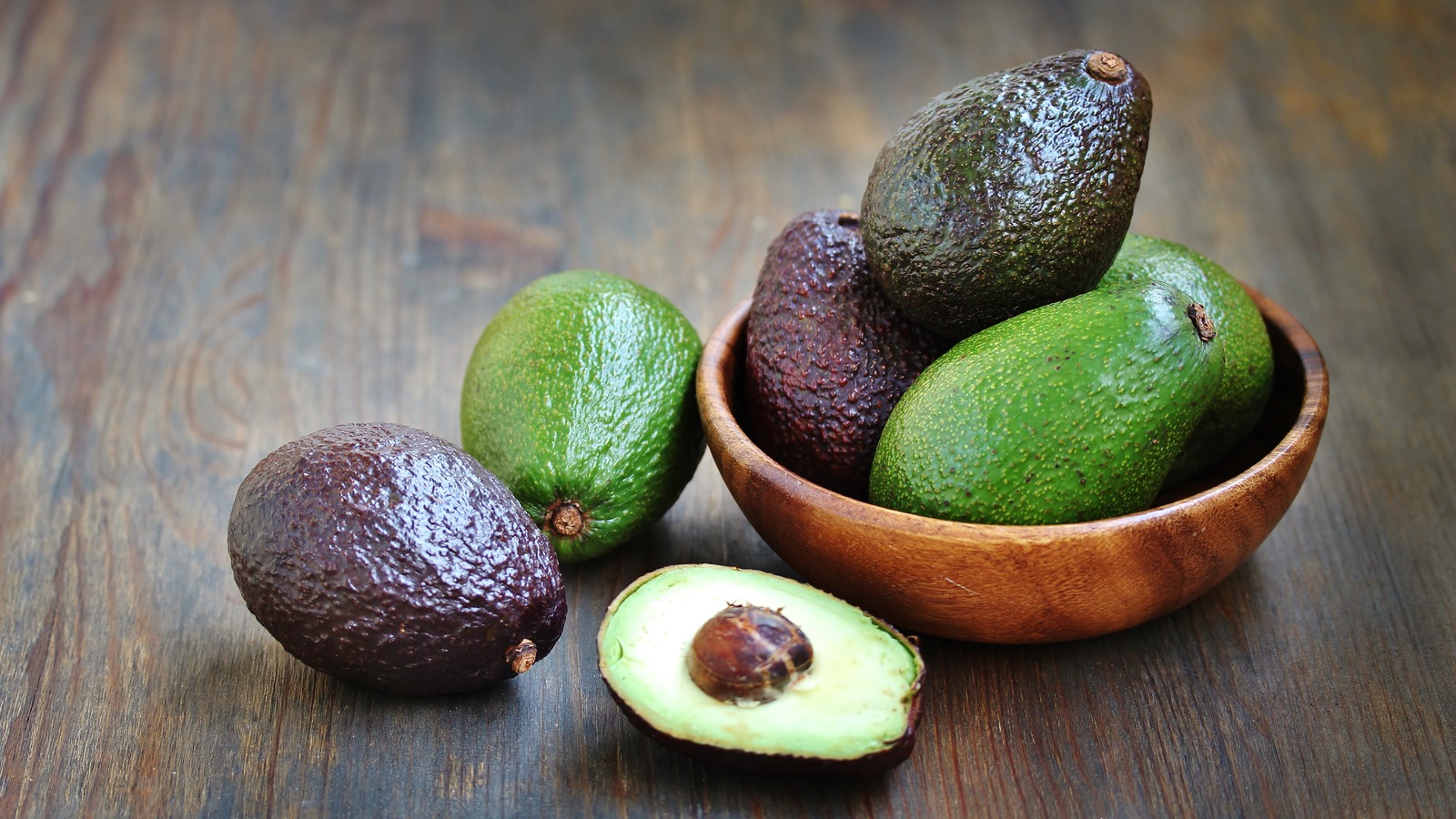
The size and composition of the pot you choose greatly influence the health and growth of your avocado tree. To begin, select a pot that is at least 15–20 inches in diameter and has enough drainage holes to avoid waterlogging. You might need to repot the tree into a larger container as it grows to accommodate its expanding root system.
Choose pots made of materials like terracotta or ceramic for improved root insulation and breathability. These materials aid in controlling soil temperature and moisture levels, which promotes stronger root growth. Ensure that the pot can adequately support the tree as it develops and becomes top-heavy.

Use Well-Draining Potting Mix
A well-draining potting mix is essential for avocado trees because they are prone to root rot if the soil is waterlogged. Make a mix of equal parts potting soil, sand, and perlite or pumice. This combination ensures adequate drainage while retaining adequate moisture for the needs of the tree.
Avoid using garden soil, as it can easily compact and impede drainage. Instead, look for commercial potting mixes created specifically for container gardening, which frequently contain extra nutrients to promote plant growth.
:strip_icc()/hand-trowel-dirt-scoop-476cd200-a911791819aa48e784b9d6b2a2679cb0.jpg)
Master the Art of Proper Watering
Avocado trees require frequent watering, but it’s crucial to avoid overwatering, which can cause root rot. Water the tree thoroughly when the top inch of soil feels dry. Depending on the climate and season, watering might need to be done once or twice a week.
Make sure any extra water drains out of the pot, and never allow the tree to sit in standing water. Reduce watering frequency during the winter months as the tree’s growth slows down. Always modify your watering schedule in response to the environment and the needs of the tree.
Ensure Adequate Sunlight Exposure
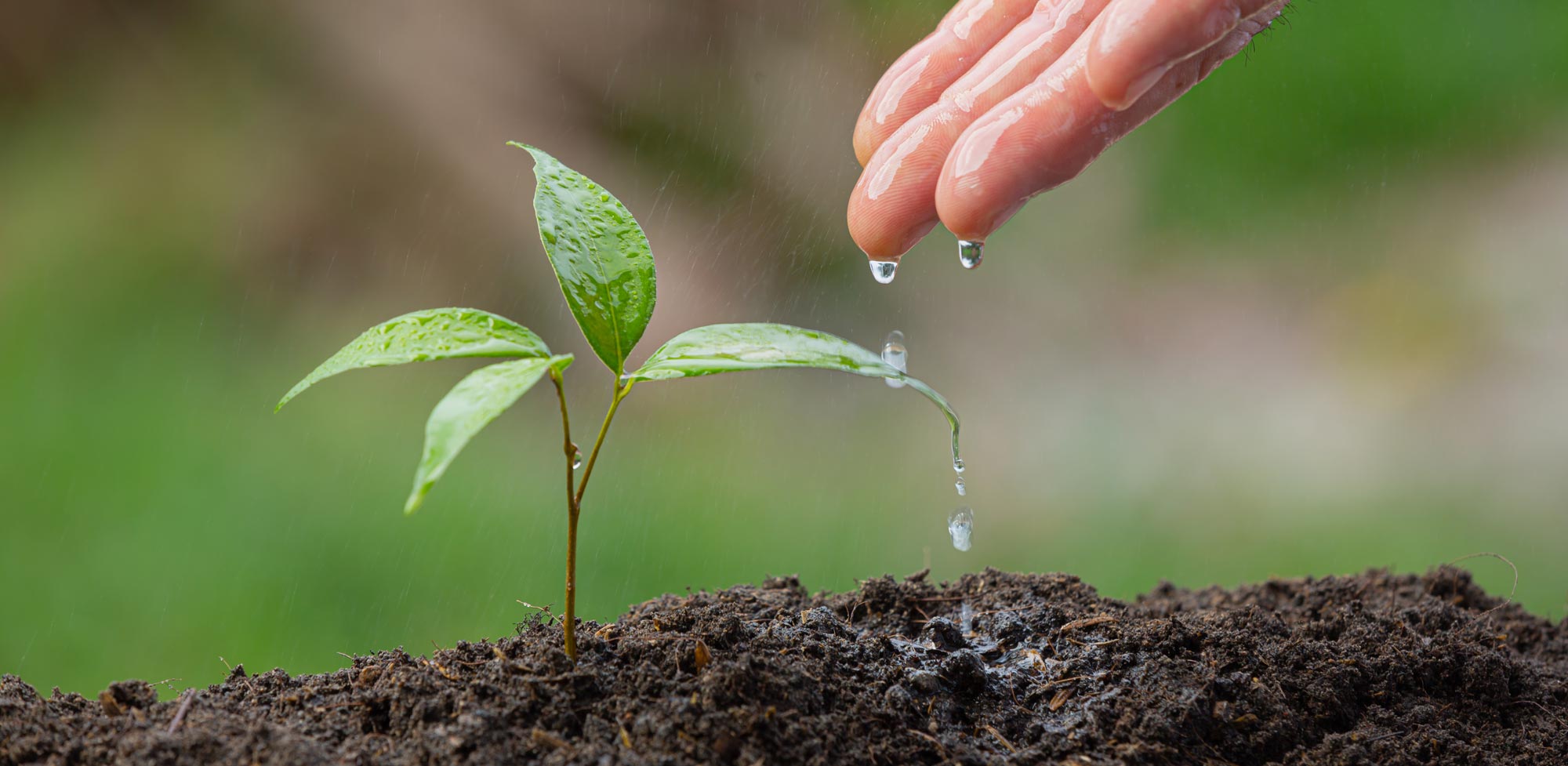
Avocado trees thrive in bright, indirect sunlight. Put your tree in a pot where it will get at least 6-8 hours of sunlight each day. A south-facing window is ideal if growing inside. If there isn’t enough natural light, think about utilizing grow lights to meet the tree’s lighting needs.
To ensure that every side of the tree receives equal amounts of light, rotate the pot regularly. This method maintains a balanced growth pattern and keeps the tree from bending toward the light source.

Fertilize for Optimal Growth
Your avocado tree needs to be fertilized regularly to support its growth and fruit output. Use a balanced, slow-release fertilizer with a ratio of 6-6-6 or 8-3-9, which is a good source of vital nutrients like nitrogen, phosphorus, and potassium.
Apply fertilizer every 4-6 weeks during the growing season (spring and summer), and reduce frequency in the fall and winter when the tree’s growth slows. Be careful not to over-fertilize because doing so can harm the tree. Follow the directions on the manufacturer’s label for application rates and procedures.

Prune Regularly to Encourage Fruit Production
Pruning maintains the shape of your avocado tree and aids in fruit production by encouraging healthy growth. Before fresh growth starts in late winter or early spring, prune the tree. To promote air circulation and light penetration, remove any branches that are dead, damaged, or crossing.
Maintain a central leader and uniformly spaced branches to sustain the structure of the tree. Regular pruning also makes the tree easier to care for and more appropriate for container growth by assisting in size management.

Implement Effective Pest Control
Avocado trees can be harmed by pests like spider mites, aphids, and scale insects, particularly when grown indoors. Regularly check your tree for indications of an infestation, such as sticky residue or discolored leaves.
Use insecticidal soap or neem oil to treat the affected areas if pests are found. These natural treatments are both safe and effective for treating food plants. Maintaining good air circulation and keeping the tree healthy through correct care can also help prevent pest issues.
Use Grafting Techniques for Better Yield
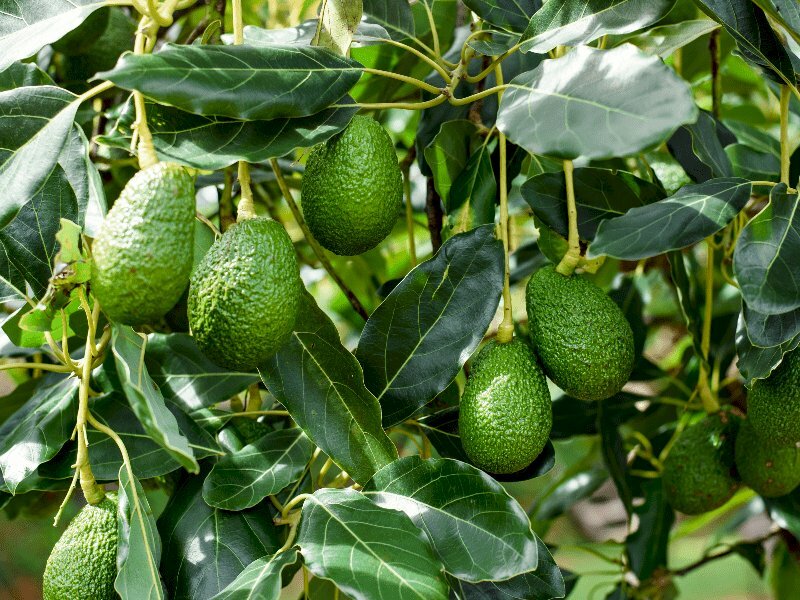
Grafting is a technique employed to boost the quantity and quality of fruit produced by avocado trees. You can promote earlier fruit production and guarantee that the tree bears desirable fruit by grafting a scion from a mature, fruit-bearing tree onto your potted tree.
Grafting is best accomplished in the spring when the tree is actively developing. Since this skill takes practice, think about getting advice from seasoned gardeners or online resources to learn the proper methods.

Monitor Temperature and Humidity Levels
Avocado trees thrive in warm climates with moderate humidity. Ideally, maintain the tree in an environment with temperatures between 60 and 85 degrees Fahrenheit (15 and 29 degrees Celsius). If temperatures fall below 50°F (10°C), think about bringing the tree inside or offering further protection.
Humidity levels should be maintained at about 50–60%. Use a humidifier, or place a tray of water close to the tree to raise humidity if the air is too dry, especially inside during the winter. Keeping an eye on these parameters helps prevent stress and encourages healthy growth.

Be Patient and Consistent
Growing an avocado tree in a pot and getting it to produce fruit requires patience and consistent care. It can take several years for a tree to mature and bear fruit, especially when grown from seed.
Remain devoted to providing the best care possible, and don’t let slow progress discourage you. You will be rewarded for your efforts over time and with commitment with the satisfaction of harvesting your own avocados.

Conclusion
In summary, successfully growing an avocado tree in a pot requires attention to factors like proper soil temperature and moisture levels, the use of a well-draining potting mix, and a solid understanding of watering techniques. Providing adequate sunlight exposure and regular fertilization are crucial for optimal growth. Pruning the tree helps maintain its shape and encourages fruit production, while implementing effective pest control measures ensures the tree remains healthy. Grafting techniques can further enhance fruit yield, and monitoring temperature and humidity levels is essential for the avocado’s well-being. Lastly, nurturing an avocado tree demands patience and consistent care, as it may take years to bear fruit, but the reward of homegrown avocados makes the effort worthwhile.


